
The WNBA is standing at a historic crossroads, one that will shape not only the league’s future but the trajectory of women’s professional sports in North America. Decisions made in the coming months could redefine how female athletes are valued, compensated and protected for years to come. The uncertainty has become a focal point of sport discussion as of Jan. 9, 2026, with the league and the Women’s National Basketball Players Association locked in seemingly stagnant negotiations over a new collective bargaining agreement and the threat of a lockout or strike coming closer to reality.
What caused the negotiations and what do the players want?
This moment has been years in the making. In October 2024, players voted to opt out of the existing CBA, which was originally set to run through 2027, forcing it to expire on Oct. 31, 2025. When that deal was signed, the WNBA was operating in a pre-pandemic landscape, with limited media exposure and adequate financial expectations. Since then, the league’s business has grown rapidly.
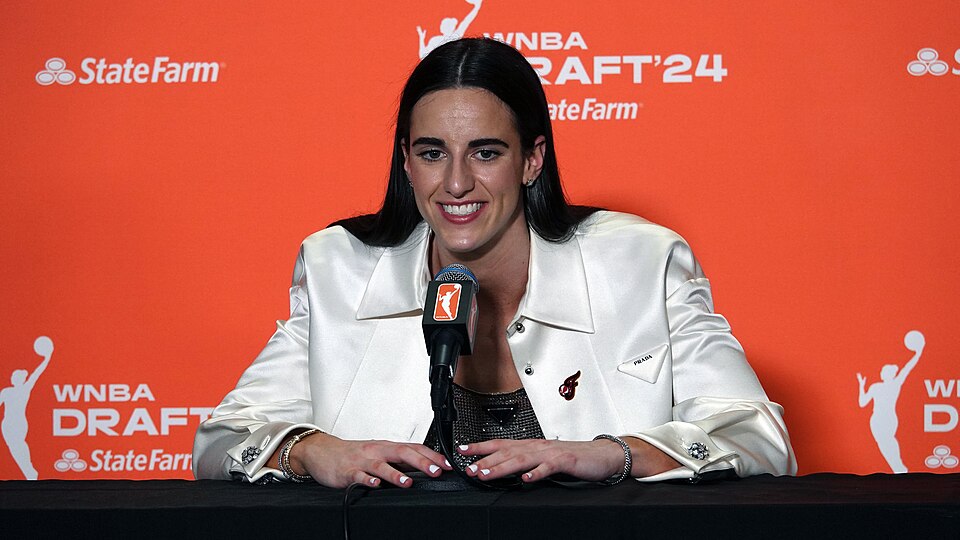
Viewership and attendance have reached historic numbers, franchise valuations have multiplied, and in July 2024, the WNBA announced an 11-year media rights deal valued at approximately $2.2 billion, with the potential to climb even higher through additional partnerships. The arrival of highly publicized rookies, led by Caitlin Clark, Angel Reese and Paige Bueckers, further amplified the league’s visibility and commercial reach.
Players argue that the economic framework of the current CBA no longer matches the reality of the WNBA today. While recent gains, such as full-time charter travel, were meaningful progress, the union says that the underlying compensation structure has not kept pace with the league’s exponential growth. WNBPA president Nneka Ogwumike has framed the opt-out as a necessary step to prevent the league from falling behind at a moment of expansion and increased investment. For the players, the goal is not only higher salaries, but a system that more accurately reflects their role in building the league’s current success.
Negotiations have stalled over a basic question — how much of the league’s recent growth should go to the players?
At the center of the dispute is revenue sharing. The players are pushing for a system based on gross revenue, seeking roughly 30% of the league’s total incoming money. They argue this approach more accurately reflects the value they generate as the league’s visibility, media presence and sponsorship portfolio continue to expand. The league has countered with a proposal tied to net revenue, calculated after all expenses are deducted.
The WNBPA has pushed back strongly against that model. Under the league’s proposal, players would receive closer to 15% of total revenue, only a small increase from the roughly 9% they currently earn. Union leaders have criticized the net-revenue framework as nontransparent, arguing that it gives the league too much control over how expenses are defined and ultimately limits gains for the players.
That same divide has shaped salary cap negotiations. Players are advocating for a jump to a $10.5 million cap, which would allow top salaries to better reflect the league’s current market.
The league’s most recent public offer is closer to $5 million, a number the union views as not aligned with the WNBA’s rapid financial growth.
While money remains the primary obstacle, it is not the only issue on the table. Players are also seeking higher professional standards across the league, including improved retirement benefits, expanded family planning support such as fertility and adoption assistance, and consistent expectations for practice facilities and charter travel.
Another unresolved issue is the league’s “prioritization” rule, which penalizes players who report late to training camp because of overseas obligations. The union is pushing for the rule to change — either eliminated or revised — arguing that it limits players’ ability to earn income in the global basketball market, especially for those who cannot rely on their WNBA salaries alone. Altogether, those issues have left negotiations at a standstill, with neither side willing to concede on what they see as foundational principles of the next agreement.
Union rules
The WNBA is currently operating under a “status quo” period, a labor term that describes what happens when a collective bargaining agreement expires without a new deal in place. The Jan. 9, 2026, deadline passed without a new agreement, meaning the league continues to function under the existing CBA rules. But unlike an extension, which would temporarily preserve the current agreement, the status quo does not lock either side into any new terms. That means both the league and the players have the right to stop operations at any time.
In practical terms, the status quo is a pause, not a resolution. It allows the league to keep running while negotiations continue, but it also keeps the possibility of a work stoppage as an option. If owners decide to act, they can initiate a lockout, which would prevent players from accessing team facilities and stop pay and benefits. A lockout is typically used as a leverage tool, forcing players to negotiate on the league’s timeline.
The players also have leverage. In December 2025, the WNBPA voted overwhelmingly — 98% — to authorize a strike if negotiations fail. That authorization does not mean players will walk away immediately, but it does mean they are prepared to take that step if they believe the league is not negotiating in good faith. A strike would mean players refuse to play or attend any league activities, stopping the season from moving forward.
Despite the unresolved negotiations, the league has released a full 2026 schedule, with games set to begin on May 8. Preseason preparations are already approaching, and without a new CBA in place, key offseason processes remain frozen. Free agency cannot proceed, and expansion drafts for the new Portland and Toronto franchises are on hold, leaving the teams uncertain about how to build their rosters. With each passing deadline, the risk of a lockout or strike grows, and the window to complete a deal before the season begins continues to get smaller.
Who has the leverage?
What sets this labor fight apart is the immense leverage the players now hold. The league’s momentum has been accelerating for years, and skipping a season would destroy that growth instantly. There is too much money on the line — media rights, sponsorships, endorsements and rising franchise valuations — all of which depend on games actually being played.
That reality has strengthened the players’ bargaining position. The league cannot thrive without its stars, and the players have more options than ever before. The launch of the Unrivaled league, co-founded by Breanna Stewart and Napheesa Collier, has created a high-paying domestic alternative during the winter months, allowing players to earn a living without heading overseas. For many, that financial stability makes it easier to hold out for a deal that reflects their value.
The WNBA’s current surge in cultural relevance only adds to the pressure. The arrival of stars like Caitlin Clark and Paige Bueckers has brought unprecedented attention to the league, and the new media rights deal has further amplified the sport. A lockout or strike at this moment would not only disrupt the season but also risk significant reputational damage, just as interest in women’s sport is peaking.
The true tipping point is approaching quickly. February 2026 is widely viewed as crunch time. If an agreement is not reached by then, the league will not have enough time to conduct expansion drafts and free agency before training camps open in March and April. At that point, a delayed, disrupted or canceled season would become difficult to avoid, turning this labor standoff into a defining moment for the WNBA’s future.