
Microsoft (MSFT-Q) and Meta (META-Q) will kick off Big Tech earnings this week under pressure to prove that their costly bets on artificial intelligence can power another year of strong growth as a resurgent Alphabet (GOOGL-Q) takes the lead in the high-stakes race.
The companies, along with Amazon (AMZN-Q), are expected to lift their AI spending by 30 per cent to more than US$500-billion this year, an unprecedented outlay that will sharpen investor scrutiny.
Doubts have deepened whether Microsoft has squandered a first-mover advantage in AI it secured through its OpenAI investment. Meta too is on the hook to show payoffs from its expensive push into superintelligence.
Both stocks declined more than 6 per cent in the last three months of 2025, while Amazon notched a small 5.1-per-cent gain after its November deal with OpenAI signaled that the largest cloud-computing provider in the U.S. was no longer an AI laggard.
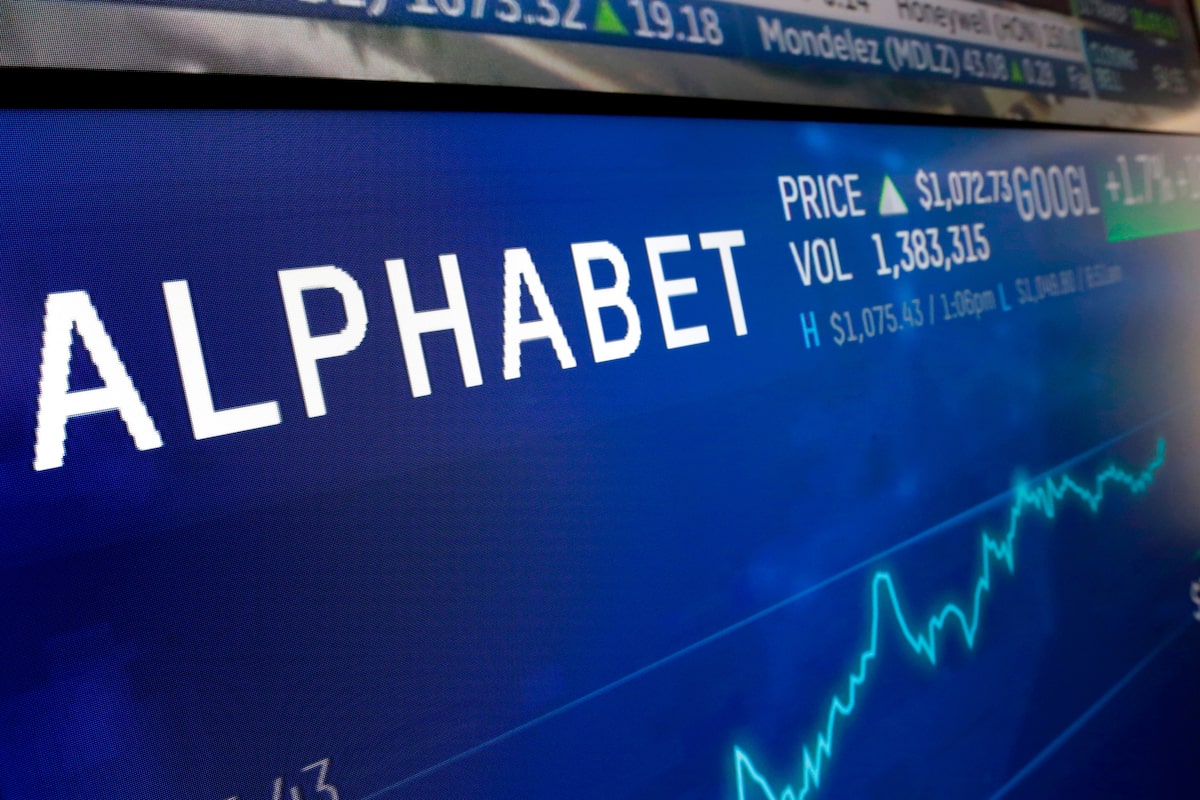
Alphabet shares, though, surged about 29 per cent in that period, following a strong reception of Google’s latest Gemini 3 model. The company also recently struck a deal to power Apple’s revamped Siri.
“Alphabet has the upper hand in the AI race as investors recognize that proprietary ecosystems, such as Apple and Search in Google, are tough to penetrate,” said David Wagner, head of equities at Aptus Capital Advisors, a Big Tech investor.
“Like in the internet boom, the first-mover advantage doesn’t always win the marathon.”
Microsoft and Meta will report earnings on Wednesday, while Alphabet and Amazon report next week.
In the October-December quarter, Google Cloud revenue growth likely quickened to 35 per cent from 33.5 per cent in the previous three months, according to LSEG.
Microsoft’s Azure is expected to post a 38.8-per-cent rise, slower than the 40-per-cent jump it reported in the preceding quarter. Amazon Web Services likely grew 21.1 per cent, up from 20.2 per cent in the prior period.
Still, doubts linger about the real-world benefits for the businesses adopting the technology, feeding into bubble fears that hounded the technology industry for much of last year.
More than half the respondents in a PwC survey of 4,454 CEOs earlier this month said they realized neither revenue nor cost benefits from investments in AI.
“For this not to be a bubble by definition, it requires that the benefits of this are much more evenly spread,” Microsoft CEO Satya Nadella said at Davos.
Morgan Stanley analysts said sentiment toward Microsoft has shifted to “a wall of worry” due to growing competition for Azure and OpenAI, in which the company has a 27-per-cent stake.
Microsoft has said it is battling AI capacity constraints which it says are expected to last at least until June. As well, a surge in memory chip prices has dampened the outlook for the PC market, a critical driver for Microsoft’s personal computing business that houses Windows and Xbox consoles.
Overall, its revenue likely rose 15.3 per cent to US$80.27-billion in the October-December period, the slowest growth in three quarters.
Alphabet is expected to benefit from rapid AI integration into search and a stable advertising market, with the company expected to report a 15.5-per-cent jump in revenue to US$111.37-billion.
It also opened up a new revenue stream in October by agreeing to supply Anthropic – an AI startup it backs – with its AI chips called Tensor Processing Units. The deal, worth tens of billions of dollars, is a departure from Alphabet’s strategy of reserving these chips for internal use.
Meta’s efforts to improve ad search and recommendations with AI, meanwhile, are expected to have powered a 20.6-per-cent rise in revenue to US$58.35-billion. But an expensive hiring spree for top AI talent is expected to slow profit growth to a near three-year low.
Amazon is expected to post a 12.5-per-cent rise in revenue, slightly slower than the preceding quarter as growth weakens at its North America retail business.