
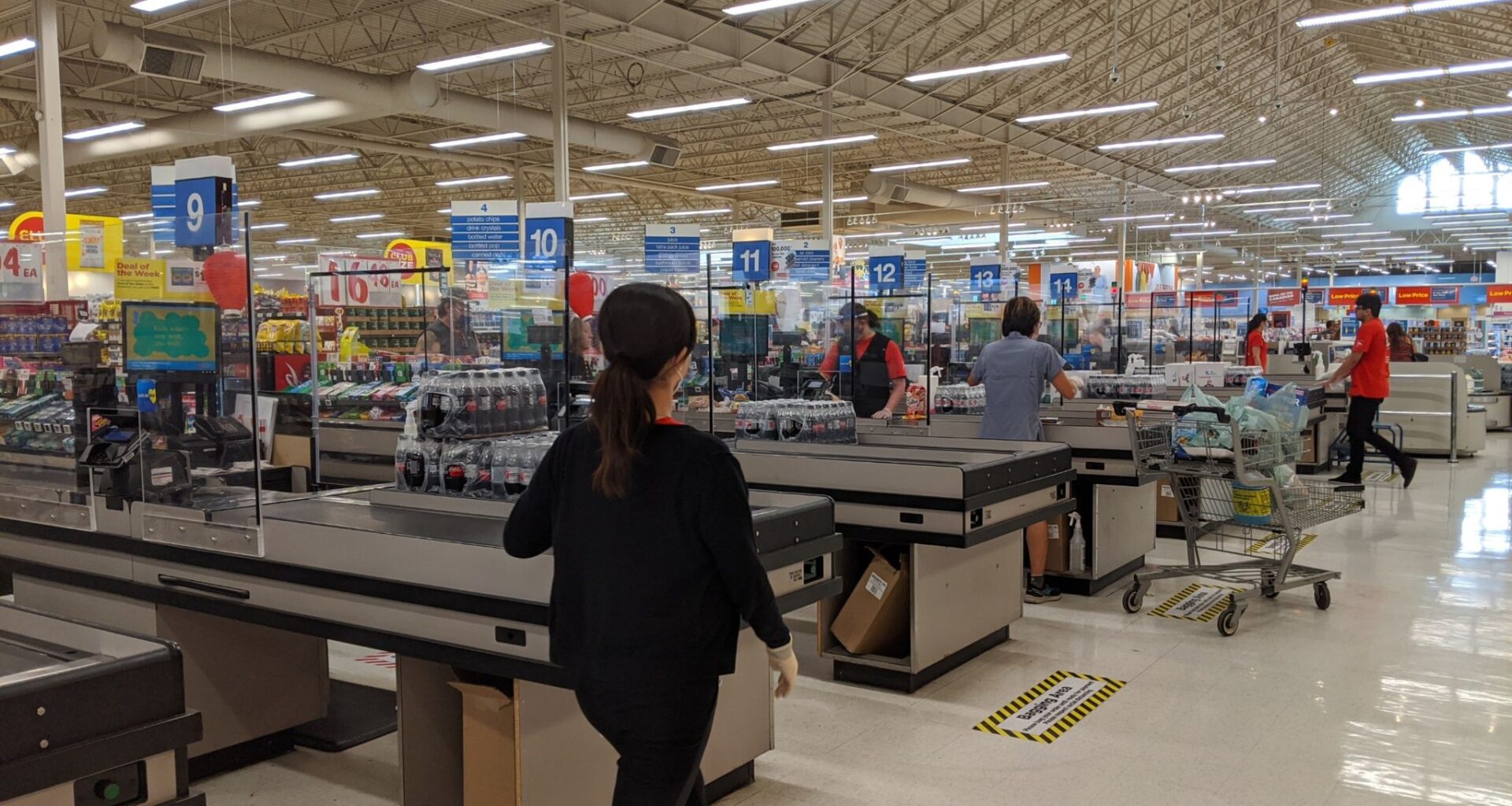
With grocery prices ballooning in 2025 and expected to do the same in 2026, many British Columbians are looking to cut back on food costs.
A recent report from TD found that 67 per cent of B.C. residents are looking to cut back on spending this year (13 per cent higher than last year), with 55 per cent saying they plan to reduce eating out or ordering food.
Seventy per cent of survey respondents said that the cost of living and inflation were their biggest financial challenges.
While inflation has been cooling in many parts of the economy, grocery prices are still edging upwards.
Dalhousie Agri-food Analytics Lab’s Canada’s Food Price Report (CFPR) 2026 forecasted that overall food prices will climb by four to six per cent in the next year, with an average family of four expected to spend an additional $994.63 more on groceries than they did in 2025.
Daily Hive spoke with some Vancouverites to learn their best tips for cutting down on grocery costs.
Shop at multiple stores to find the best deals

Pascal Huot/Shutterstock
When Dayna Jagdeo moved back to Canada after living in London, England, for five years, she said the high cost of groceries “kind of hurt.”
“Canada has abnormally high grocery costs,” she said.
Jagdeo and her partner initially moved to Toronto, where her parents live, for a year before they relocated to Vancouver.
In Vancouver, their current plan is to “set up a bit more stability” for themselves, and so they’ve run costs and comparisons between London and Vancouver.
“Naturally, we were comparing those costs in groceries,” she said. “And just noticing that was a very big difference in terms of what we were typically spending on groceries in England versus what we’re now spending on groceries here.”
In London, Jagdeo said a week’s grocery shop for two people (at a store equivalent to Safeway) would be about $70. In Vancouver, she finds it hard to spend less than $100.
But she finds that shopping at multiple stores helps cut down on costs. For example, going to Costco for meat or No Frills for canned goods.
“I think that part of grocery shopping [in Vancouver] is kind of going to the places that make the most sense,” Jagdeo said.
Meal plan around weekly flyers
Camille Baycroft
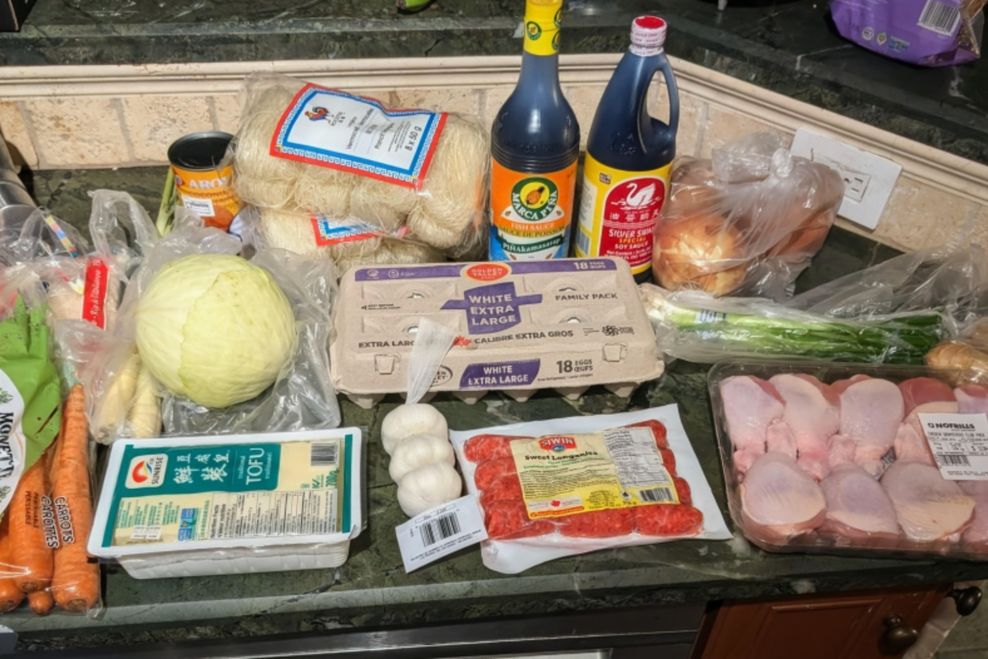
Camille Baycroft started taking her grocery shopping seriously about a year ago, after noticing that the prices were really starting to tick up.
She found that she’d go out and shop for ingredients for one recipe without thinking about how she’d use the leftovers to make other meals. Sometimes, she would have to throw out forgotten food.
As a software engineer, Baycroft started to think about how she could optimize her process. She began looking at weekly flyers (using the Flipp app) and planning her meals that week based on what’s on sale, instead of on recipes. She said that smaller grocery stores, like Hannam Supermarket, tend to have better deals on produce.
“I’ll look across what is on sale, and then I will look and build a few meals around those things, and pick a few anchor ingredients that can stretch across those meals. And make sure that I plan leftovers on purpose, and nothing gets forgotten in the fridge,” she said.
Through meal planning, she said that she saves between $20 and $40 a week.
At first, Baycroft went through this process manually each week.
“I was still working as a software engineer, and I kept thinking, ‘There has to be a better way to solve this problem.’ So I decided to actually leave my job and focus on building a tool for this.”
She and a partner are launching Dishlist, an app with live grocery prices (currently, they have No Frills on it) and meal plans, to help people meal plan and grocery shop.
Cut back on food waste and learn how to cook
Karen Dar Woon is a semi-retired personal chef and teaches cooking classes. Her emphasis is on avoiding food waste.
“It’s less about how much [money] is that carrot, and more about, ‘How can I make sure I use that carrot without wasting?’” she said.
She said that if you package food properly (in a jar or solid container), it will last three to five days in the fridge. Freezing leftovers can help prevent food waste as well.
Dar Woon also suggested looking for deals or “imperfect” produce at grocery stores.
“Recently, I got about two kilos of tomatoes, which were kind of sad looking. There wasn’t any mould or anything, but they had been bruised, and they’re a bit wrinkly. And I paid $3 for them,” she said.
She took them home, roasted them for extra flavour, and canned them. Dar Woon understands that this takes time and skill.
“But if you have those things, or if you can make those resources available, then it actually achieves two goals, reduces the amount of food waste — because somebody is buying those sad tomatoes — and you have saved money on your tomatoes.”
Another way to save money on food is to learn how to cook. “That’s a good start, anyway,” she said.

Sharon Rhodes
Sharon Rhodes, who’s been food blogging since 2013, agrees with Dar Woon.
“Sometimes you get stuck in a trap of buying the prepackaged meals that you can definitely save money when you make your own,” she said.
While Rhodes can’t cut down on costs too much since she needs to cook different recipes for her blog (“I can’t always be making the same things”), she’s still found ways to pare down costs.
“Chicken drumsticks and thighs are less expensive than breasts, so lately, I’ve been cooking a lot more with the chicken drums and thighs.”
She added that you can score a deal on good-quality meats at places like Whole Foods if you look for ones with a “use today” sticker on them, and either use them right away or freeze them for later.
Do you have any tips on how to cut down on grocery costs? Leave a comment and let us know.