
Happy New Year! Brewing Better Habits is a series of articles from OnMilwaukee’s writers focusing on the different aspects of health in the new year. Get the year started in the best way possible.
While waiting for a liver transplant after an end-stage liver diagnosis in 2017, Kevin Sardino says he experienced the most emotionally, physically and existentially trying time of his life. The diagnosis was a shock to Sardino, who drank alcohol in moderation and considered himself a healthy person, yet suddenly was in the throes of a life-threatening medical situation.
“I had nothing to do except focus on anything other than the bevy of symptoms associated with liver disease,” says Sardino, who received a life-saving transplant in 2018.
To pass the time and attempt to escape dark thoughts, Sardino started watching game shows and YouTube. He stumbled across videos of people restoring Redline Hot Wheels – diecast toy cars manufactured between 1966 and 1978 with red lines around the wheels – that immediately piqued his interest.
“I used to collect them as a young kid, and still had some of my collection from that time,” says Sardino.
The work of restoring the toy cars – which includes sanding, painting and repairing broken parts – allowed him to focus on something other than his recovery from the transplant.
“I get lost in my shop, spending hours hunched over my bench, futzing over these cars that originally sold for less than a dollar,” says Sardino. “I very quickly lose my connection to the world outside my room when I sit down to work.”
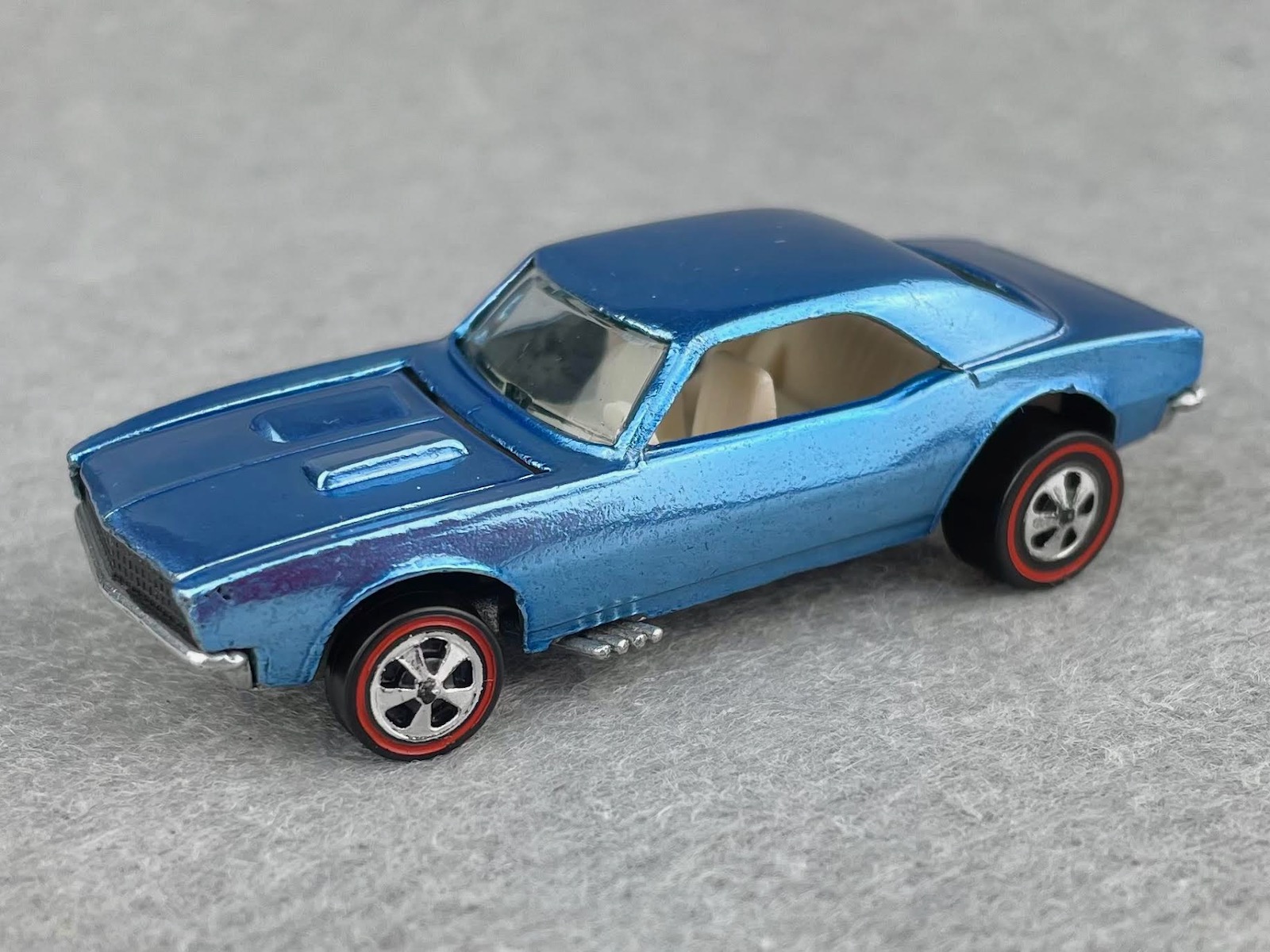
A Redline Hot Wheel refurbished by Kevin Sardino.
X
Today, Sardino continues the hobby, which has turned into a livelihood. He has restored hundreds of cars for clients across the United States, Canada and the United Kingdom. He also sells cars on eBay.
“I can look back now and make the then-unconscious connection between restoring Redlines and the hope I had for the restoration of my life,” says Sardino.
It doesn’t take a study – although many have been done – to affirm that non-screen hobbies are excellent for physical and mental health, and can provide benefits like improved mood, reduced stress, better focus and increased social connection.
Deciding to spend time on non-screen hobbies doesn’t mean quitting all technology. It simply means unplugging for an amount of time, from a couple of hours to a full day or even an entire weekend.
Robb Ellicson has created interactive activities for 30 years, and is the author of four books, including his most recent, “The Loyalty Game,” which provides a perspective on why people like – even need – to play (non-video) games.
“It’s a grounding thing. It reminds us that we are a part of a literal living and breathing community. It reminds us that we are not alone,” says Ellicson. “There is excitement, joy, safety and solace in that.”
The healing art of crafts
April Humphries enjoys a variety of crafts, but her favorites are made from paper. Growing up, she didn’t have access to many art supplies, so she resourcefully made art from paper, including beads, sculpture and other forms of 3-D art.
“It’s something that really challenged my ingenuity growing up and has translated over into adulthood,” says Humphries.
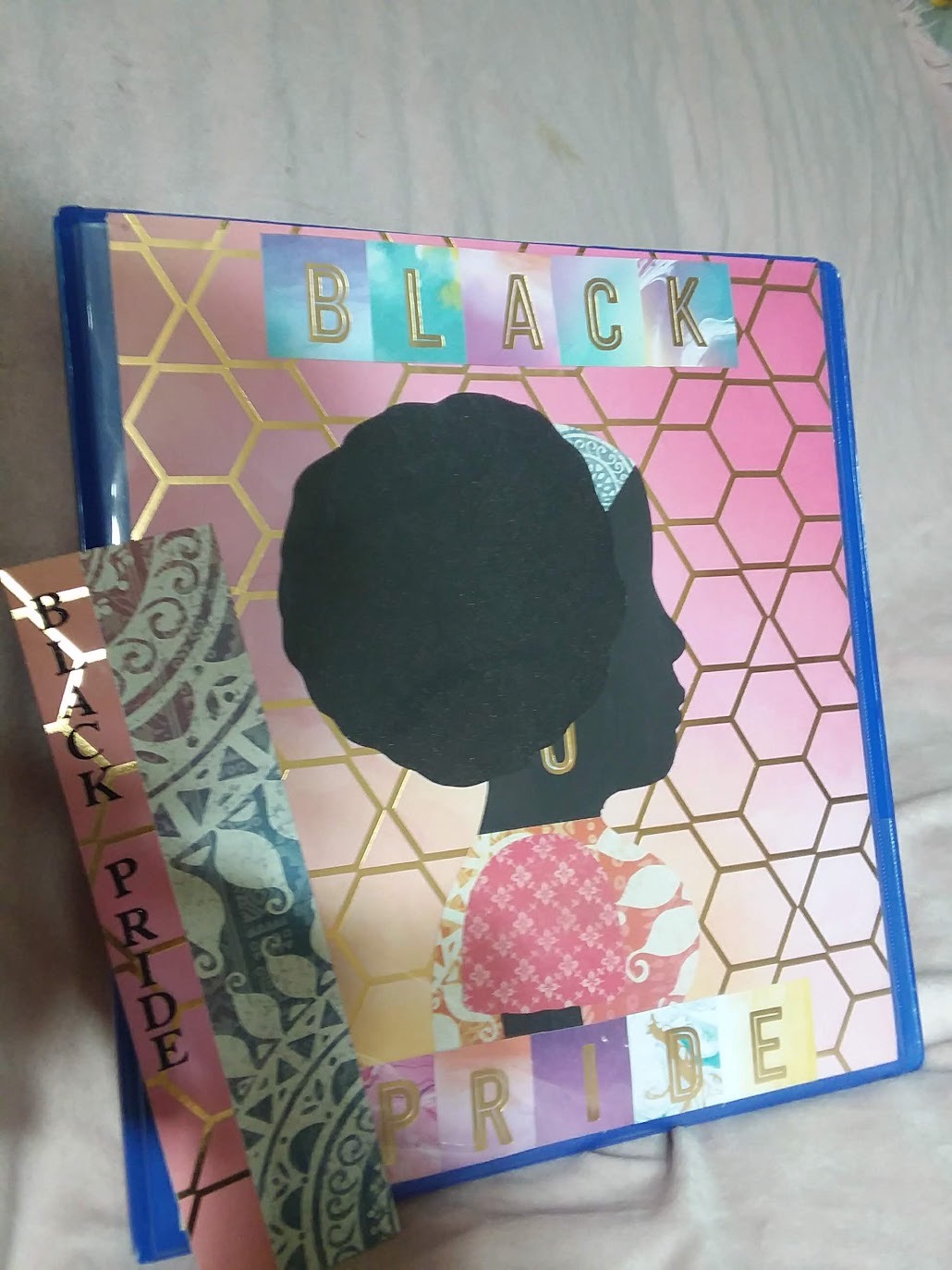
Art by April Humphries.
X
For Humphries, crafting provides relaxation, healthy escapism, a sense of well-being and boosts her mental health.
“I grew up in an abusive, toxic environment, and crafting was one of the main coping mechanisms I used to make it through my childhood,” says Humphries. “Honestly, being creative has literally saved my life. When I’m crafting, I feel a sense of peace and accomplishment. It makes me feel like I have a superpower.”
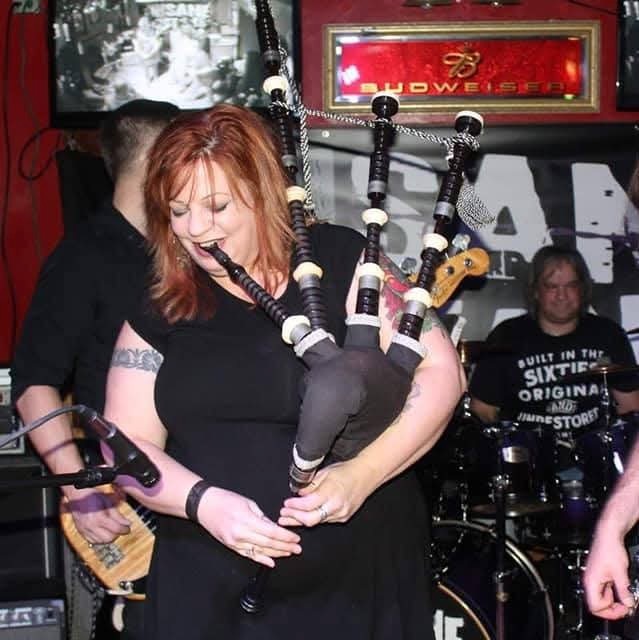
A sense of empowerment is a portion of the reason why Noel Tylla picked up the bagpipes 21 years ago.
“When I went to Scotland for the first time and heard someone busking on the street, I said to myself, ‘I want to do that,’” says Tylla. “Bagpipes are a powerful instrument, and I wanted to be a part of that.”
Today, Tylla plays bagpipes with the Celtic Nations Pipes and Drums and on occasion with AC/DC tribute band Billy Bon Scott and The Ken Stars in Racine.
The great outdoors
Evidence proves that spending time outdoors can lower stress, improve mood and even enhance cognitive function. Allison Kitzerow discovered this firsthand.
When the pandemic started in the spring of 2020, Kitzerow felt cooped up in her apartment, glued to her laptop and working long hours. Determined to do something for herself, she started going on a daily walk in a nature preserve near her apartment.
“At first, I’d walk fast-paced laps, my mind ruminating on work stress. But as the months passed, I started to slow down during those walks, noticing the budding trees, new flowers, the changing weather and wildlife,” says Kitzerow. “More importantly, I noticed this daily slow walk greatly relieved some of the burnout I was feeling from work.”
A few years later, she discovered Forest Therapy – also called “Forest Bathing” – a practice that helps people engage their senses, while slowing down and relaxing in nature. A core part of Forest Therapy is called “Sit Spot,” where people find a spot to sit outdoors for about 20 minutes and do nothing.
“The first few times I tried a Sit Spot, I felt restless and found it incredibly difficult to sit and simply observe the world around me without glancing at my phone. But, with practice – and leaving my phone indoors – realized that regularly doing a Sit Spot can actually be quite exciting. When you pay attention, you never know what might emerge around you in those 20 minutes,” says Kitzerow.
Kitzerow, an Army veteran, suffers from anxiety, something Forest Therapy has helped to relieve. “I’ve found that sitting and watching trees, clouds or moving water calms my anxious thoughts,” she says.
“From colorful wildflowers to cool wildlife, I’ve seen some incredible things, and have found some much-needed moments of mental peace.”
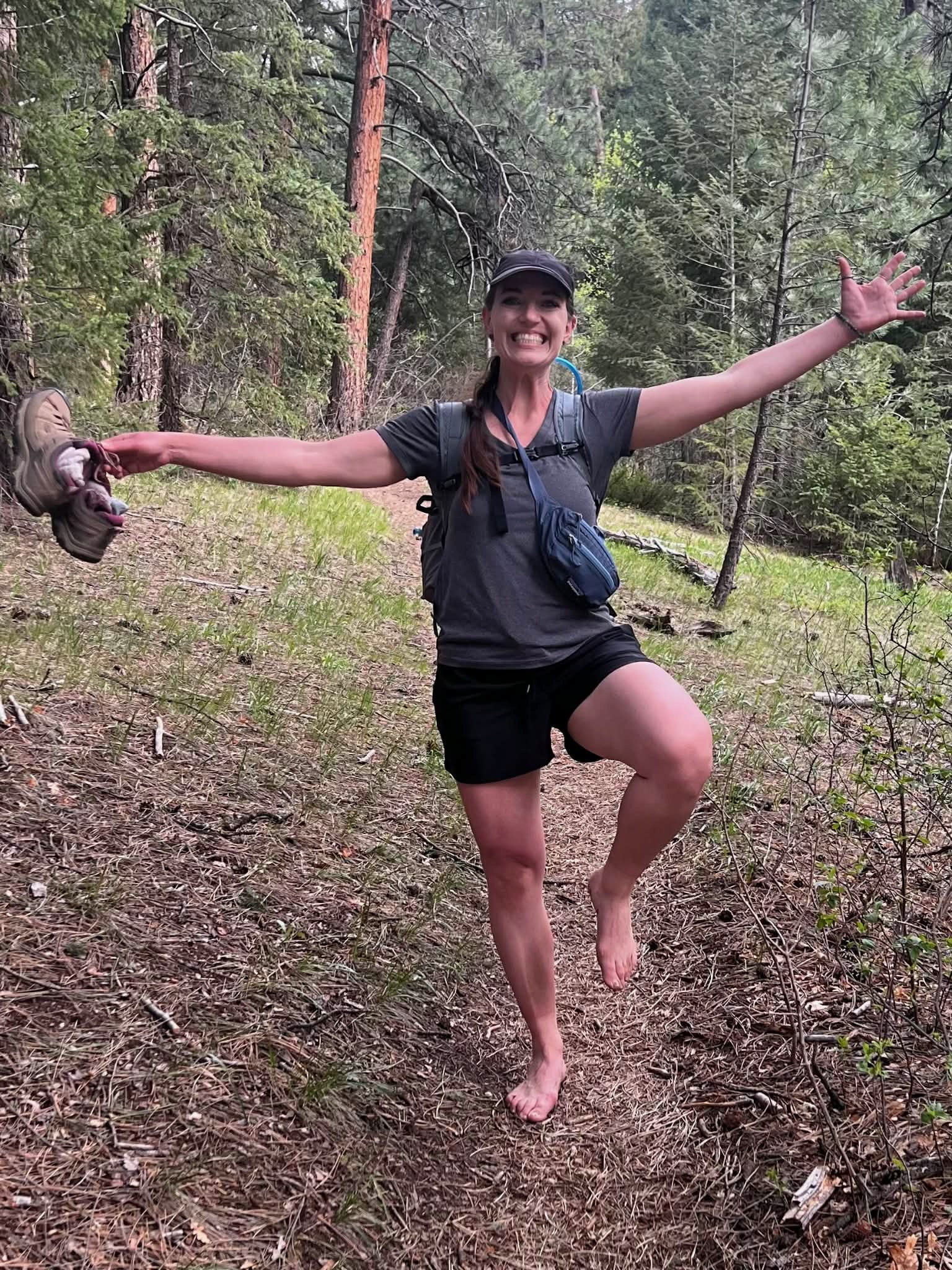
Forest Therapy is personal therapy for Allison Kitzerow.
X
Cruising away from social anxiety
For Simon Dickover, riding his “tall bike” helps him with social anxiety, making conversation with new people, and feeling a sense of belonging.
Dickover and a friend built the bike last summer by cutting and welding two bike frames together.
“At first, when I started to ride it, I thought it would just be fun to see things from a new perspective. After a couple of days, I realized it was a great way to meet people,” says Dickover. “I struggle to start conversations sometimes, and having my tall bike gets people to come up to me and chat. I feel that I fit in (my) neighborhood more than I ever have.”
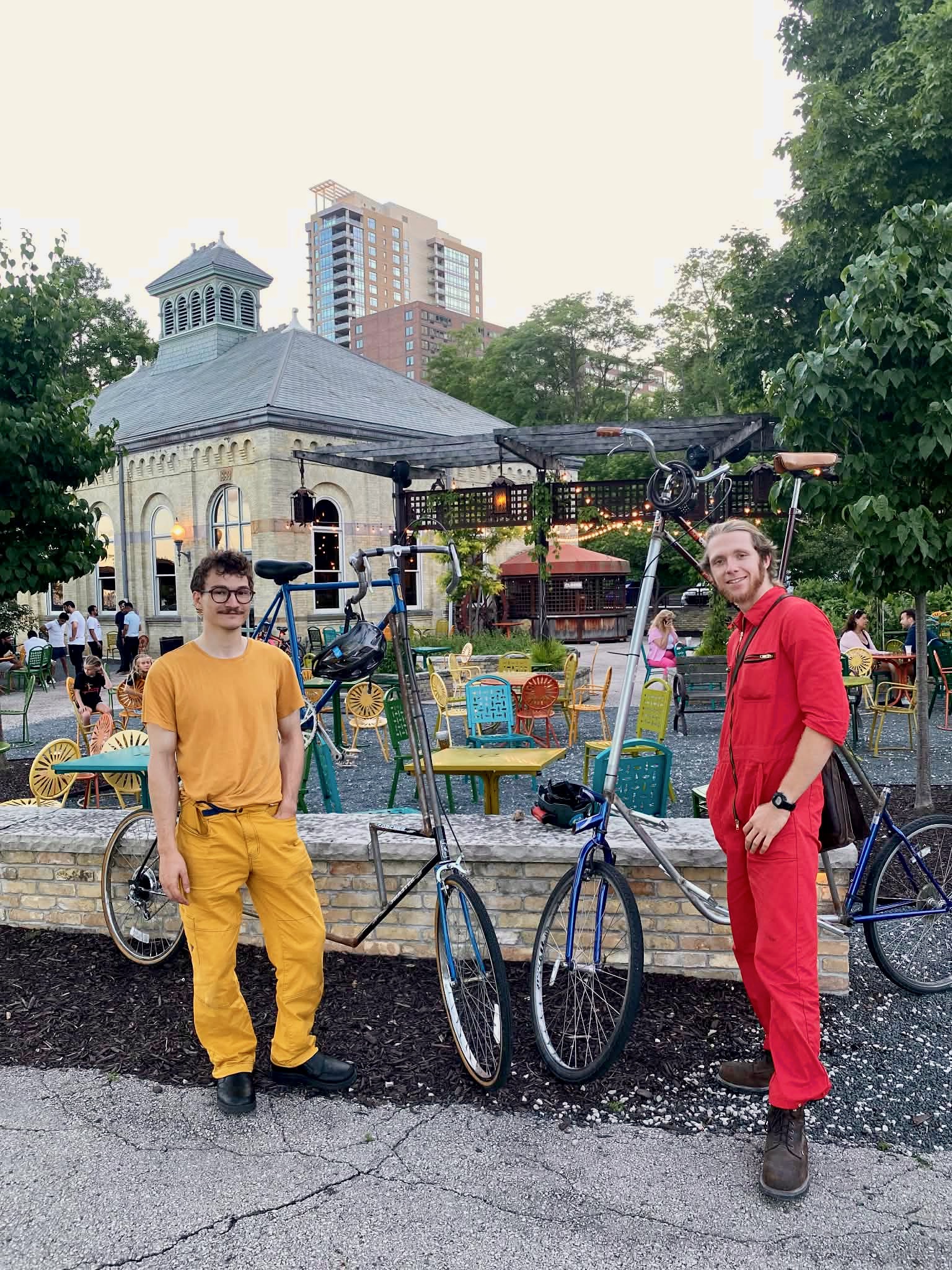
Simon Dickover (right) and his “tall bike.”
X
Never too late to start
One of the cool aspects of hobbies is that a person can pick one up at any time, regardless of age. A hobby isn’t like a career, where there are myriad timeframes and expectations. Instead, a hobby is done for the sole purpose of enjoyment and pleasant distraction, and if it produces something beautiful or useful, even better.
Growing up, Greg Ryan watched his mother sew clothing for herself and his five sisters, and he found it interesting. Many years later, he joined a group called Make Nashville (Ryan and his wife live in Milwaukee and Nashville) and suddenly had access to a large sewing area with machines and sergers.
“I was in there one day fixing some jeans, and I kinda just started sewing,” says Ryan.
He went on to sew pillow cases for his grandchildren, men’s shirts and self-designed “suspender sleeves.”
“These are reversible fabric sleeves that velcro around the suspenders to give them more character,” says Ryan. “I’m considering making a small biz out of it, but for right now I’m having fun making them.”
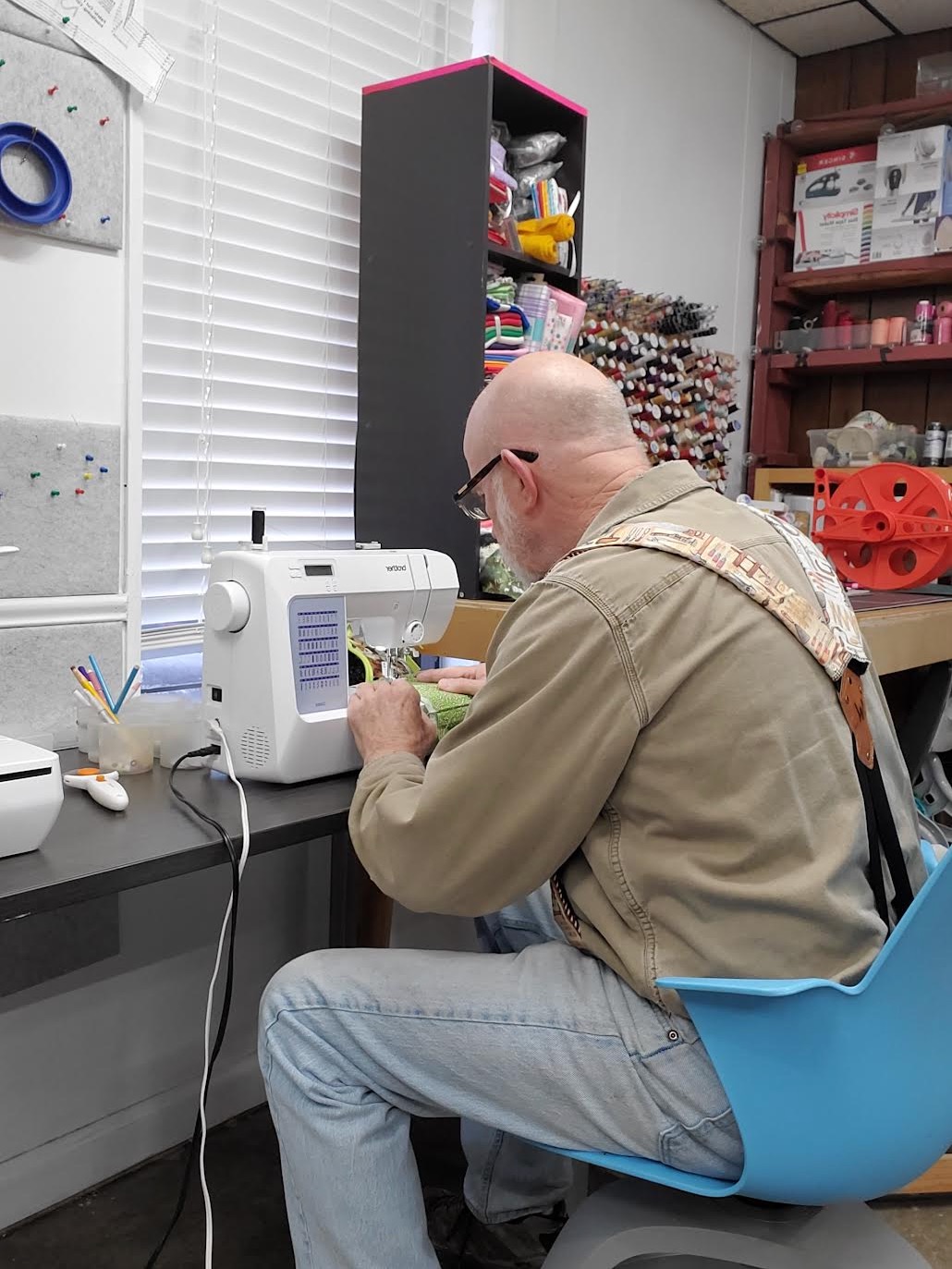 X
X
As for mental health, Ryan has found sewing to be soothing.
“I’m concerned and sad sometimes because of what our country is going through, and sewing helps me focus on something else at least for a few short hours,” says Ryan. “When I’ve made something, I come home like a kid who just got an A on my exam to show to my wife.”
Popularity of analog technology
Many people are returning to analog technology even though their SmartPhones are capable of providing similar functions. Film photography, vinyl records and record players, manual typewriters, and VCRs and VHS tapes are coveted more than ever.
Kori Fuerst is the co-owner of Retrospekt, a Riverwest-based company that refurbishes and sells retro tech to customers all over the world.
“We’re living in a world of digital overload now more than ever, and everyone is feeling the pull and draw to their phones,” says Fuerst. “Analog technology is the counterpoint. It slows you down. It’s ritualistic. It pulls you back into the tangible world.”