
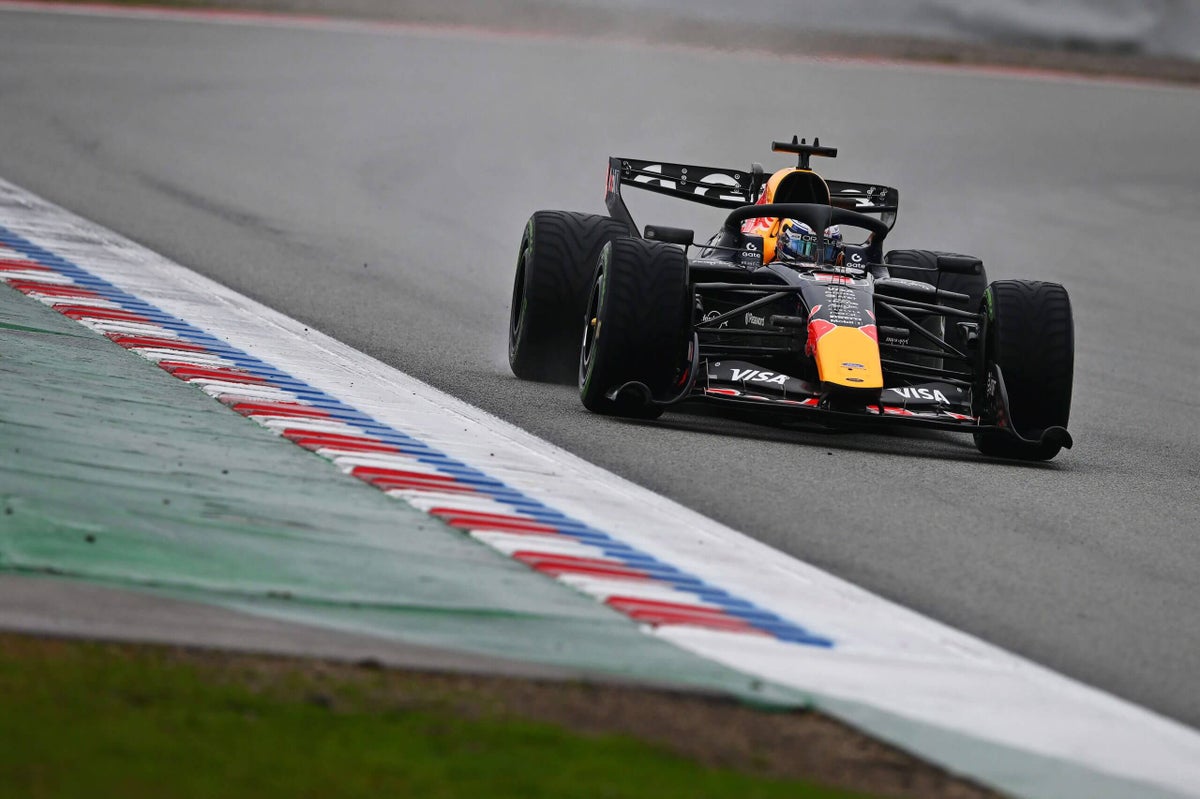
Formula 1 preseason testing for the 2026 campaign began in Barcelona, Spain, on Monday morning. Or did it?
According to the championship’s key stakeholders, this is a “shakedown” event, not a test, as it’s been organized by the 11 teams. Except that, unlike a proper shakedown, where only minimal mileage is permitted, the sole restriction is that the teams can only run on three of the five days of action this week.
The event is also closed to independent media, which is a significant departure from the norm. (Not that it stopped one of our reporters.)
But that got The Athletic thinking. Does it matter that the first proper chance to see the new F1 car designs is being deliberately shielded from public view?
Alex Kalinauckas and Luke Smith present their cases for and against. And we want to hear from you – share your thoughts in our poll here, and then subscribe to our F1 newsletter, Prime Tire, to see the results on Friday.
Against the closed test — F1 teams shouldn’t fear temporary failure
I find F1 fascinating. Given my job title and years spent chasing the championship around the world, it’d be weird if I didn’t. I therefore don’t like it when people try to restrict access to the sport — especially for spurious reasons.
What is happening in Spain right now has been dubbed the “Barcelona shakedown.” This title is PR spin. Shakedown days are restricted to 9.3 miles or 124.3 miles of running. This event is essentially unlimited mileage.
Although the teams are not required to take part in the test — and if they do, only for a maximum of three of its five days — this event is just far more substantial than the shakedown days many teams had already conducted. For instance, last week in Italy, Ferrari completed 9.3 miles, covered ostensibly as a demonstration run to reveal its new car. But the team was monitoring its performance even over the short distance.
Even on the genuine shakedown days, teams are always downloading plenty of data from their cars. Barcelona used to be the regular testing venue, leading to it being considered F1’s laboratory track, but the event moved to Bahrain in 2021 for commercial reasons. Three days of running at a track the teams know so well from all that past testing is a substantial opportunity to further understand these all-new designs.
Officially, Barcelona is only designated a shakedown because the teams are the primary organizers. Formula One Management and the FIA are only providing skeleton crews and lap timing data, plus short filmed interviews and clipped shots of cars on track for PR purposes.
This doesn’t happen every year. During an even more interesting opening part of the season than usual, teams are hiding with regard to the introduction of the new cars.
They are avoiding proper media scrutiny — but, more importantly, concealing information. Many fans want more of it when it comes to their understanding of new F1 cars. The secrecy stems from embarrassment over early teething troubles with new V6 hybrid engines, which are being introduced this year.
This has happened before. Back in 2014, F1’s initial hybrids were first run at a test at the Jerez track in Spain.
On day one there, barely any cars could leave their garages as the new engine technology was so complex to get going on track. But just six weeks later, the 2014 Australian Grand Prix went ahead with reliability really not worse overall than in the preceding years.
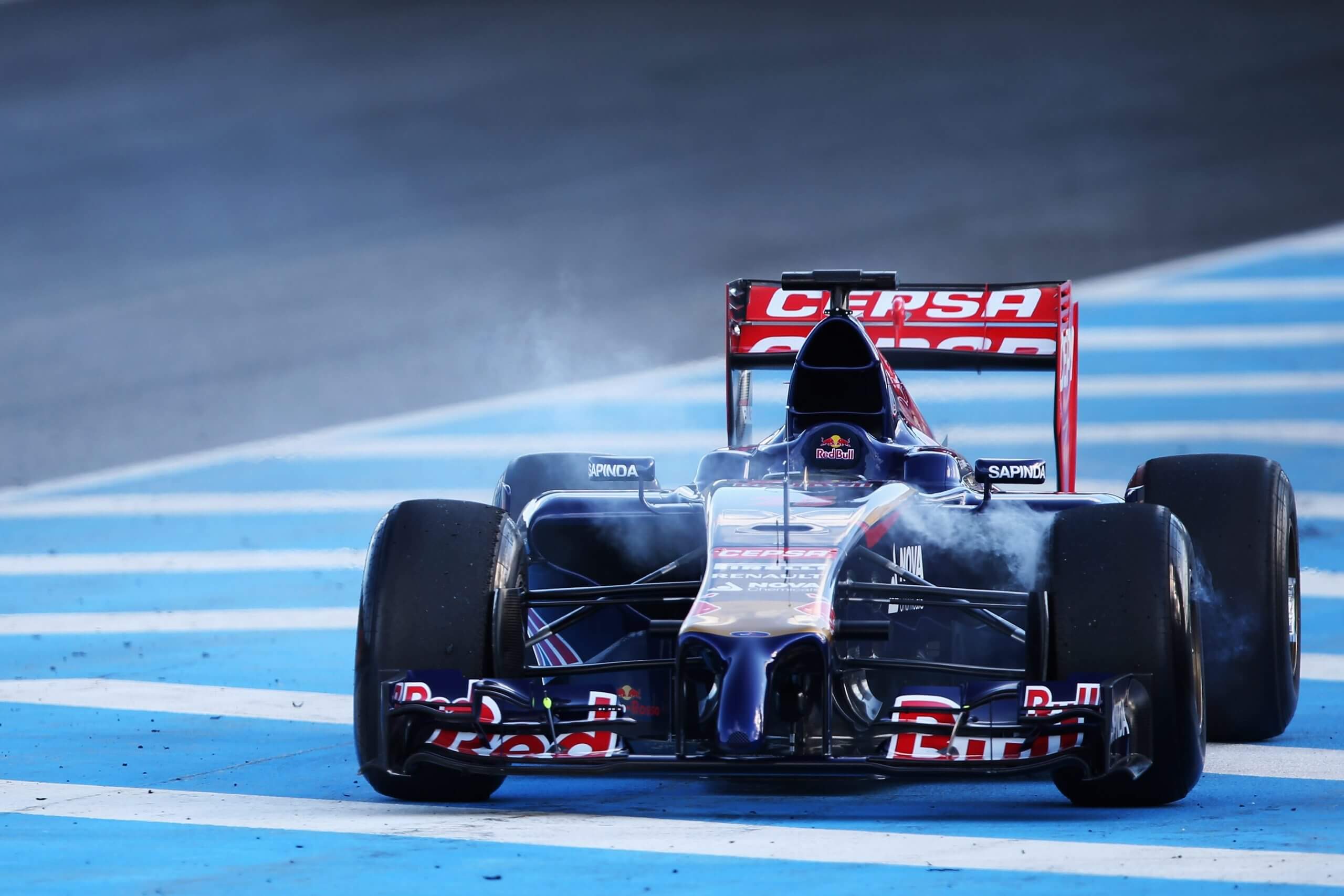
The stranded Toro Rosso Jean-Eric Vergne had driven during Jerez preseason testing in 2014. (Mark Thompson / Getty Images)
F1 has missed a chance to tell a good story. I’m not saying the test needs blanket TV coverage, but there’s a good tale in an industry that doesn’t tolerate failure going from a modest start to impressive speed and distances when it comes to racing.
And all the secrecy has swiftly proved to be unnecessary anyway. Mercedes and Haas immediately clocked up 150+ plus laps, with Red Bull completing a first day century too in Barcelona (it also topped the test’s day one lap times). This was entirely predictable given how good the teams are.
Ultimately, in a test closed to interested eyes, the narrative is being controlled rather than the reality showcased in unvarnished, authentic form. Of this, we have far too much already across society.
There was little to really fear in early stumbles being seen. But I do get that the social media scrutiny of anything to do with new cars now comes with a horrible, boiling intensity that just wasn’t around in 2014. Back then, the online chat centered on quieter engine notes.
Any change will generally risk people not liking the new reality, and criticism is uncomfortable for any sport. But denying diehard fans the chance to learn more about the new machines and understand how F1 is now arranged as early as possible isn’t just sad for those who enjoy such a nearly limitless process.
As the slew of AI fakes that surrounded Audi’s actual shakedown on the same Barcelona track just three weeks ago showed, nefarious actors can and will waltz into an information-restricted space.
Don’t hide, F1 teams. You always provide fantastic stories. And there’s just more of these to enjoy in 2026. – Alex Kalinauckas
For the closed test — Plenty of chances to see the cars in action
Preseason testing is one of the most important phases of any season. That does not mean it is the most compelling product to watch.
I’m a fan of the sprint race formats, given it replaces practice running with competitive action where there is actually something to compete for. Similarly, testing to me is not must-watch TV (if it weren’t my job, naturally!).
A lot of the time, it’s cars completing laps and laps on different fuel loads and engine settings, sometimes hiding their true pace for fear of giving too much away to the competition. Intriguing? Sure. But not that exciting.
That’s the case when it’s a single, three-day test in Bahrain, let alone how the Barcelona action this week is arranged.
While there were seven cars out on Monday at the start of the test, that fell to just two on Tuesday (Red Bull and Ferrari) due to rain. Seeing two cars pootling around the track intermittently is not a great TV product.
We’re now in an era of F1 where everything is broadcast. We get 24 races per year, plus sprints and preseason testing. The sport’s boom and growth mean it feels ‘always on’, which is probably why this step feels slightly alien.
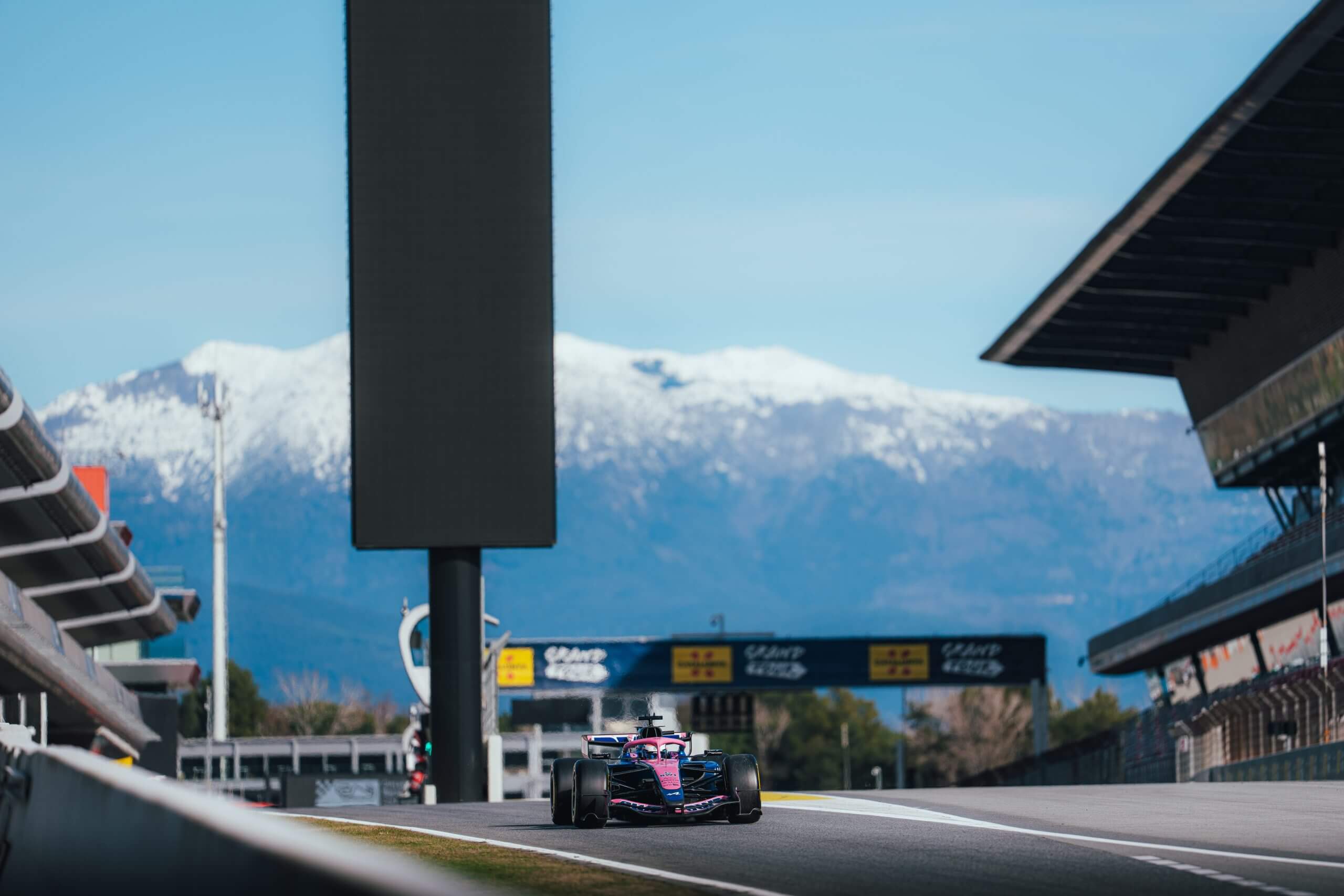
Franco Colapinto driving for Alpine during 2026 preseason testing in Barcelona (Alpine)
For teams, this test will be a chance to really understand the all-new cars this year. Only McLaren indicated it might chase performance as early as the first run-out in Barcelona, with the others suggesting it’s more about ensuring systems are working properly. Mileage and reliability will be the goals, not headline lap times. Hardly a compelling sell.
The decision to restrict media access complicates our lives. Of course, we’d love to be digging into the stories and the intrigue around this new generation of cars, working out which teams are a step behind and who could be about to lock in years of success.
But so much of that is still going to be discoverable in Bahrain for the two tests taking place there in February. There, a clearer picture of what is going on will emerge, given that teams will by then have a better understanding.
And that will also develop and grow more clearly through the two Bahrain tests. They’ll have got through any teething problems, and the drivers will have built up their understanding of how they need to adjust to the new style of driving and racing.
More and more upgrades will also be arriving for the Bahrain tests, unlike Barcelona, again making those the most useful in terms of knowing how F1 could unfold in 2026.
Of course, there’s the teams’ interest in this week remaining private — that any possible failures or setbacks won’t be magnified or exaggerated. But F1 is a small world, and people talk. There’ll be no hiding from that in the end. And had there been full media access and/or TV broadcast for day two in Barcelona, with just two cars on the track, would it really have been worthwhile?
This way, I think there’ll still be a freshness come the end of the second Bahrain test instead of a lethargy or saturation of content prior to a 24-race season where there’ll be so much more to come — and more that really matters. – Luke Smith
What are your thoughts? Does it matter that this week’s test is taking place behind closed doors? Have your say in our poll.