
 7 min read
The house is quiet by the time I make it to the garage.
My son is asleep upstairs, and I am alone with two bikes, a half-packed truck, and the faint hum of a fluorescent light. I am working through familiar rituals in an unfamiliar way — setting the fit on a borrowed bike, wiping down chains, laying out gloves and shoes and warm layers — trying to remember what, exactly, I used to bring to a cyclocross race.
I keep stopping to check the clock, counting backward from the moment he’ll wake up.
And somewhere in the middle of it all, I realize I’ve been here before.
Not in this garage, and not with these bikes — but in the same quiet anticipation. I remember lying in bed as a kid, wide awake long after I was supposed to be asleep, listening for the sounds of my father packing our van in the driveway. I knew that when morning came, I’d climb into the passenger seat and we’d set off toward some distant race, some small adventure that felt enormous at the time.
Now I am the one packing.
That should have been a comforting thought. Instead, it unsettles me more than I expect.
I had sworn I would never come back to this world.
 Bobby Lea
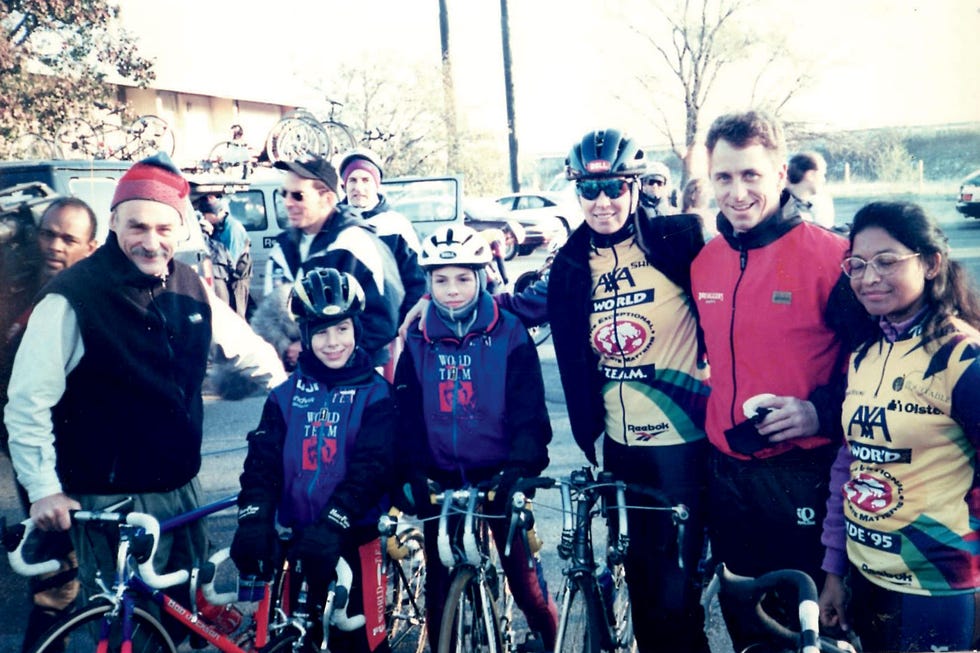
Standing with my childhood hero, Greg LeMond—before I realized how much I was absorbing about resilience and belief from simply watching him.
Where it Started
It was a long, lonely road that started innocently enough. I was captivated by the giants of the sport in the late 80s and early 90s, and I watched my VHS tape of Greg LeMond’s win at the 1989 World Championships enough times to nearly wear it out. I dreamed of performing on that stage for so long that I don’t remember a time when it wasn’t a goal.
I saw the bright lights, the headlines, the packed arenas. I was drawn to the stage. I was naïve and stubborn, starry-eyed and driven by the belief that I was good enough to compete at the highest level. What I didn’t understand was the emotional cost.
I’m not talking about pedaling my bike through pain. I enjoyed that pain because I was in control of it. Controlling it — pushing it so hard it drowned out everything else — was what I thrived on. No, I’m talking about a different kind of pain.
The loneliness.
Missing holidays and social events. Sterile hotel rooms in far-flung cities. Endless solo travel days to all corners of the globe. The negative feedback loop of missing the goal and pushing harder, deeper, to fix it the next time. One lonely week bleeding into another, year after year.
Friends were there to support me, but the road was still mine and only mine. No one understood the depth of the constant ache and anxiety. That pain was both my superpower and, eventually, the thing that made me walk away while still in my athletic prime. I had gone so deep for so many years that the emotional well ran dry.
I left just as I was beginning to crack the code.
Heather McGrath

Bobby Lea
Learning to Let Go
When I became a parent, I resolved to raise my son as far away as I could from the world I had left behind. But that was complicated by the fact that I hadn’t entirely left cycling behind myself. After decades of daily dopamine hits that big, I couldn’t go cold turkey. I needed to step down my dependency in a new environment.
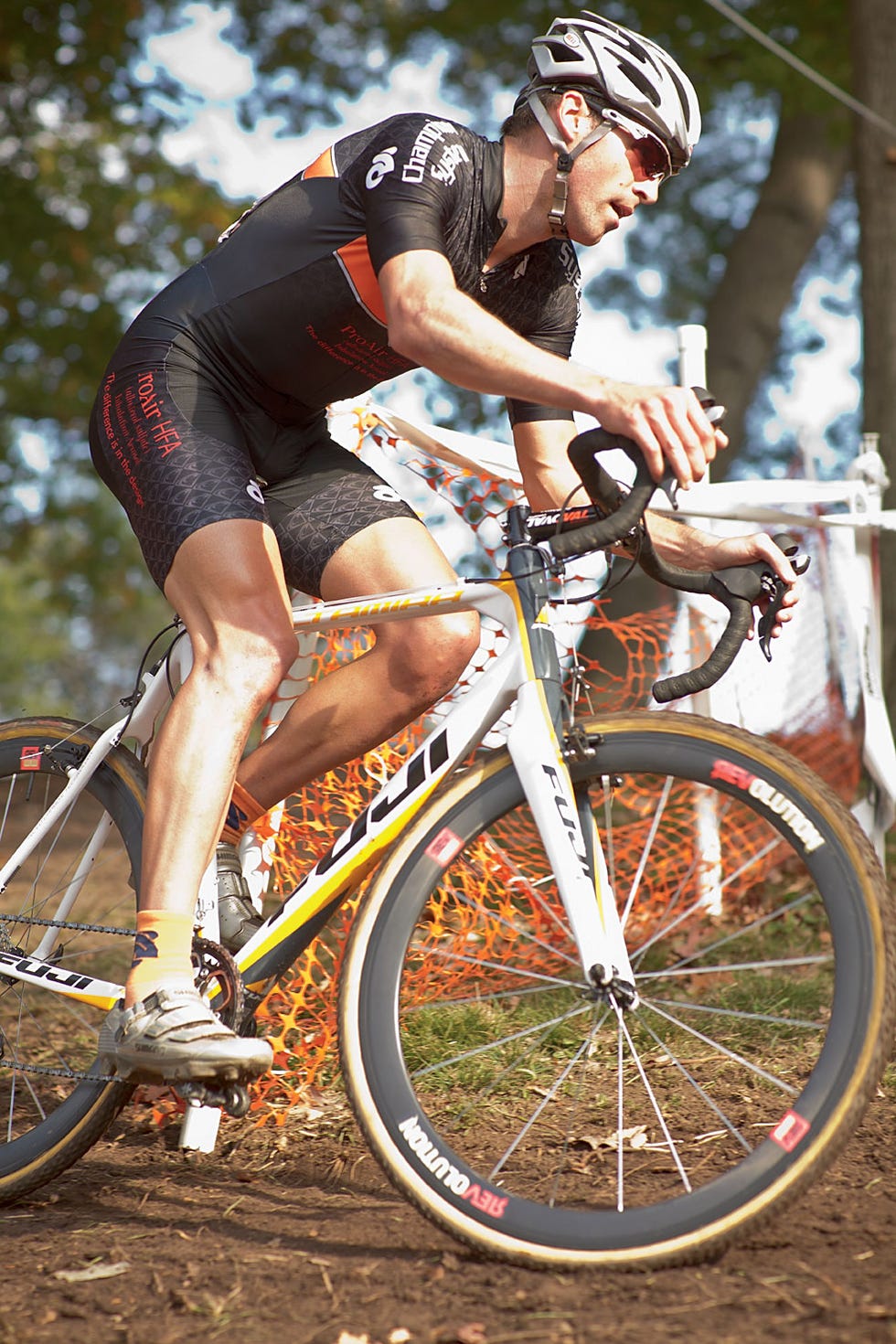
The old haunts were off-limits — too much of a reminder of what I used to do and could no longer do. I found comfort on the mountain bike and fell into a grassroots cycling community that showed me how to love the sport in a different way. It gave me permission to compete for new reasons, and offered a version of cycling that felt safe enough to build a life around.
Like many parents, when my first was born I dreamed of sharing the sport that shaped me. I imagined long road trips to unfamiliar races, catching glimpses of his sleeping face in the rearview mirror, flickering in and out of light from passing streetlamps, and believing I might help him avoid my mistakes and someday surpass anything I ever did.
And like clockwork, every time one of those daydreams surfaced, a second thought came crashing in to extinguish it.
It was the memory of two decades of emotional turmoil. The pain of missing the target and carrying it for a year — or four — until there was a chance to try again. The Friday nights alone while friends went out, the slow erosion of being a normal kid, a normal young adult, in service of a single, consuming goal.
In those moments, I stopped wishing an elite sporting life for him. I didn’t want that pain for my son. I wanted him to have the freedom and spontaneity that athletic ambition does not tolerate.
And if I’m being honest, I wasn’t sure I was ready to re-enter that world myself. I had only just reached the phase where I could be a casual fan again. The idea of returning to high-performance sport — even in a supporting role — felt like a bridge too far.
I believed I had closed that door.
 Abram Eric Landes
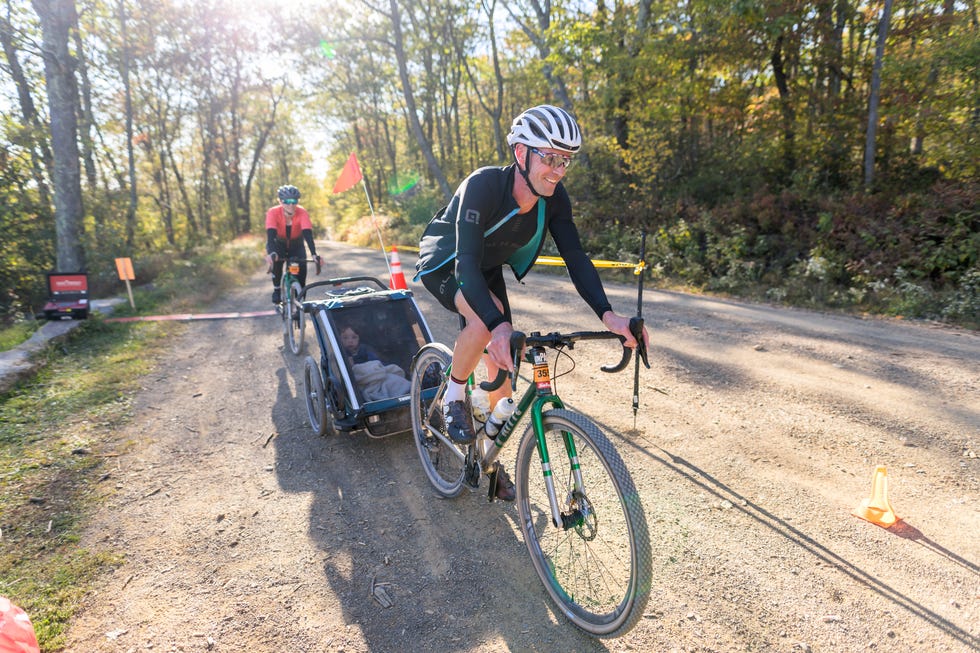
Learning to love the sport again by moving slower, together.
The First Signs
It started innocently enough. A balance bike. Long rides with him tucked into our beloved Thule Chariot Cross trailer. His first pedal bike and kids’ races through open fields alongside my own. Daily rides to the General Store when camping at our favorite spot. A backyard pump track.
But then something started to shift.
He got excited for kids’ races, but on race day he’d grow quiet and appear uninterested. At first I thought it was indifference. Then I recognized what it really was: the potent combination of nerves, excitement, and focus. I watched how hard he pushed himself, and I saw the emotional release of being pleased with his effort.
It was thrilling and terrifying to recognize that pattern — the ability to channel nerves that a six-year-old should not yet possess.. It was easy to recognize because I remembered it all too well.
I remembered being four or five and losing a race because I botched the start. I remembered going to a parking lot with my dad the next day to practice starts and test which of my two bikes was faster. I remembered the wind shrieking in my ears as I raced down the street, and the relief of fixing yesterday’s mistake.
But he was still just six years old. The die was far from cast. There was still time to ignore what I thought I saw emerging and steer clear of what I feared he was beginning to love.
At times it felt like the forces at play were too large to resist. Despite my intentions to avoid every element of my former cycling life, they kept finding ways to reappear in innocuous forms.
That fall, it arrived as a weekly cyclocross series.
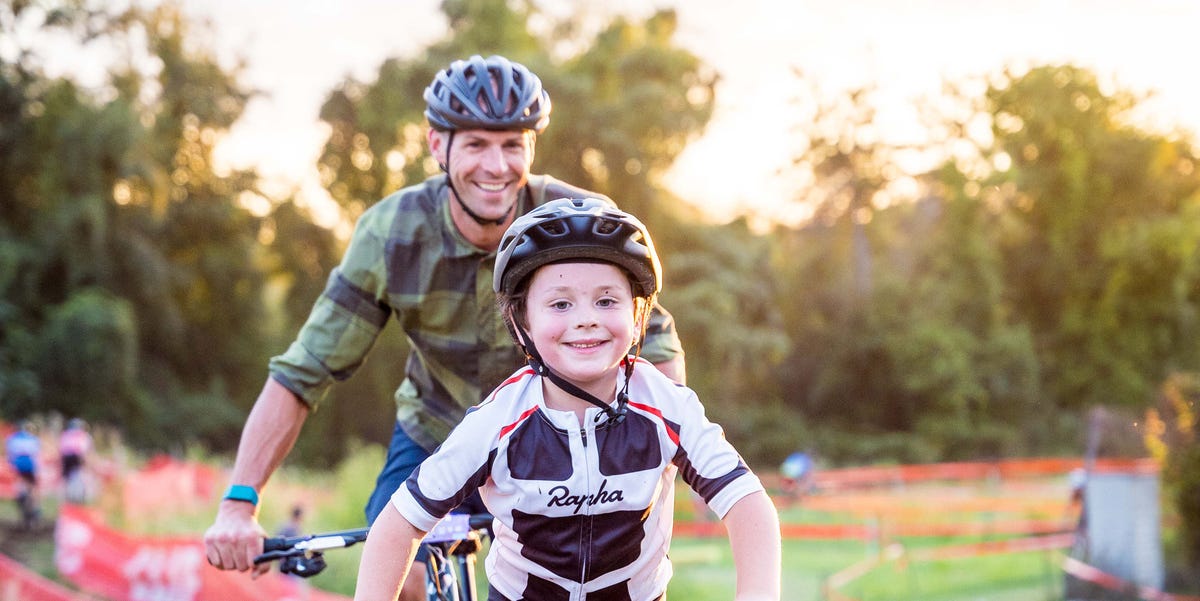
My son and I rode the races together on our mountain bikes. He thrived on the thrill of racing between the tape on a grown-up course, and on the cheers that followed a tiny kid hauling himself around a makeshift venue on a Thursday night. I had some of the most rewarding rides of my life sharing those laps with him.
I was blissfully ignorant about where they were leading.
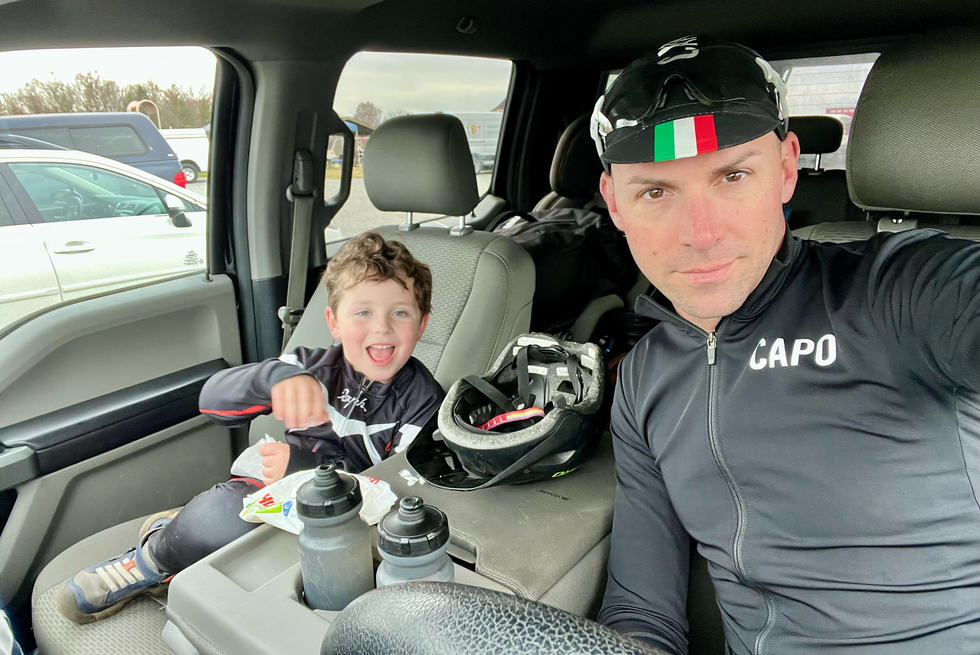 Bobby Lea
Keeping warm in the truck before the race, unaware we were sitting at the edge of something bigger.
The Trigger
A local brewery hosted a cyclocross race and ran a fantastic kids’ event, so we decided to make a family trip of it. My son loved the race, but he was clearly growing bored. He wanted more.
When one of the adult races was canceled, the course opened for free riding. I sent him out for laps on the big course.
Unwittingly, I triggered it.
He announced he was done with kids’ races and only wanted to race on full courses. And like any dad caught in the moment, I opened my phone, found a nearby race the following weekend, and decided we would go — just the two of us.
He’d race the youngest junior category. I’d race too.
So I borrowed a bike from a coworker — a dreamy Cervélo R5-CX — and away we went.
It was the best day I’d had on a bike in years. After fifteen years away from cyclocross and nearly a decade removed from professional racing, none of the demons I feared appeared. It was pure. It was innocent. It was two boys having an adventure with bikes.
We both decided we needed more of this next year.
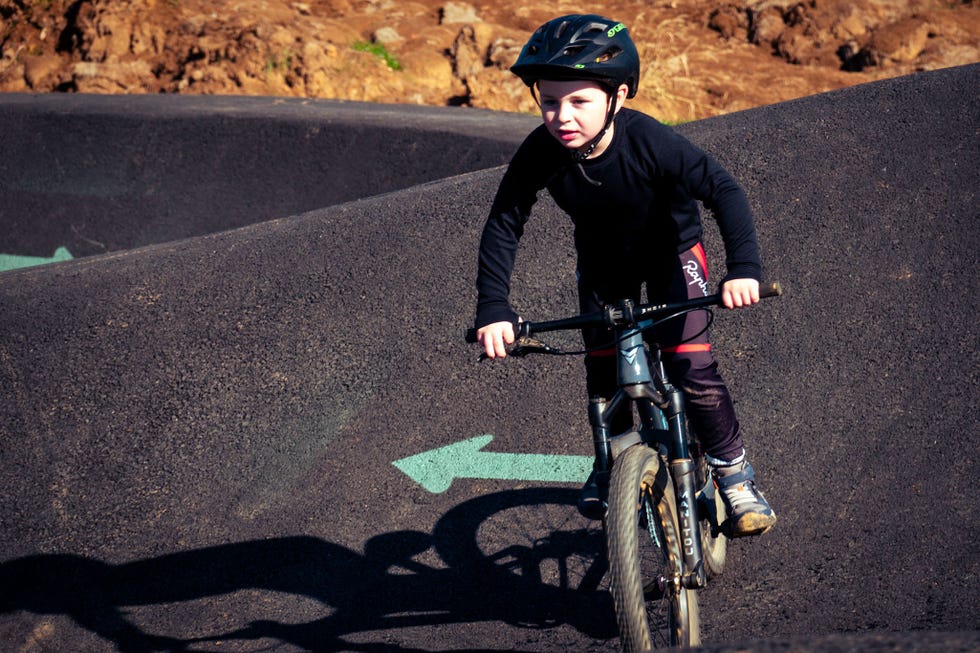 Bobby Lea
The beginning of finding his own lines.
Letting Him Lead
He got a cyclocross bike for Christmas and was beside himself. He visits it in the garage. He is already planning our rides for when the weather turns warm.
I am terrified.
I am excited for the adventures this new chapter will bring, but afraid of where it might lead. When I became a parent, I promised myself I would not push — that I would let our kids guide their own future, follow their interests, and trust myself to be a gentle guide rather than a driver.
That was an easy promise to make when it was hypothetical.
Now I have to keep it.
Now I have to put my fear aside and let him chase the thing that is pulling at him in his own way.
The conflict is real: the involuntary joy of watching your child fall in love with the thing that shaped your life, set against the instinct to protect them from pain.
Member Exclusive: Check Out Our Top Cycling Stories

Bobby is part of the Bicycling Test Team and brings with him over a decade of professional racing experience, including 3 Olympic Team berths. Prior to joining Bicycling, he raced professionally on the road and track for over ten years and dabbled in cyclo-cross and cross-country mountain bike racing as a junior. His resume includes a bronze medal at the 2015 Track Cycling World Championships, three trips to the Olympic Games, Pan American titles, and dozens of National titles. In his spare time between testing bikes and continuing to race at a regional level, he can be found enjoying the quieter side of life and cheap beer on the farm he shares with his wife and their 2 dogs, 3 cats, and 14 chickens.