
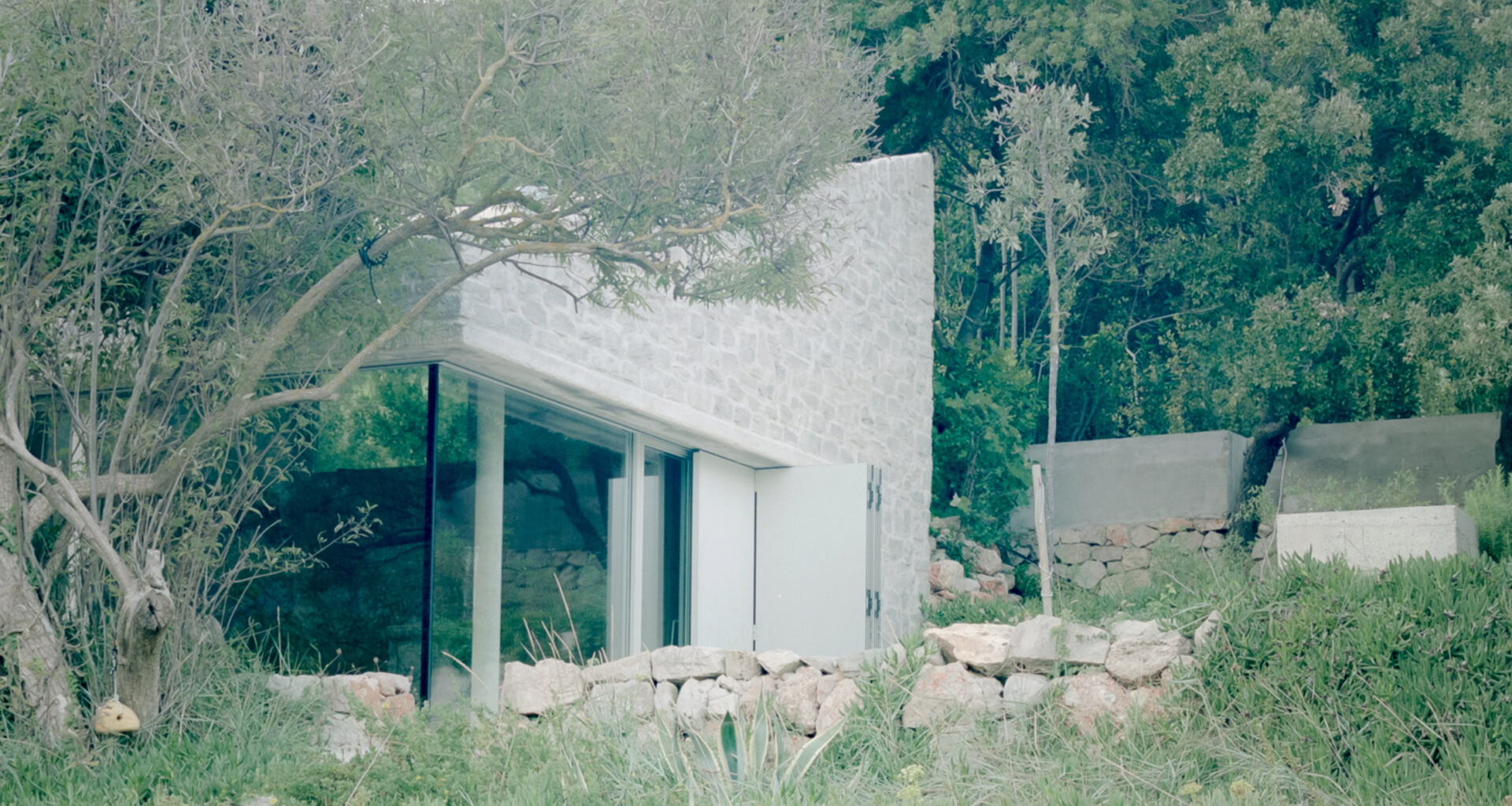
Stone cladding and a glazed corner define Pretpec, a compact guest annexe created for a house on the Croatian coast by Zagreb architecture practice Argu Studio.
Located on the Pelješac peninsula, the guesthouse occupies the 34-square-metre footprint of what was originally a small summer kitchen, locally known as a Pretpec, within a lush garden.
Argu Studio chose to make the new annexe the same compact size, a decision founder Marko Gusić describes as a critique of “uncontrolled development” in the area.
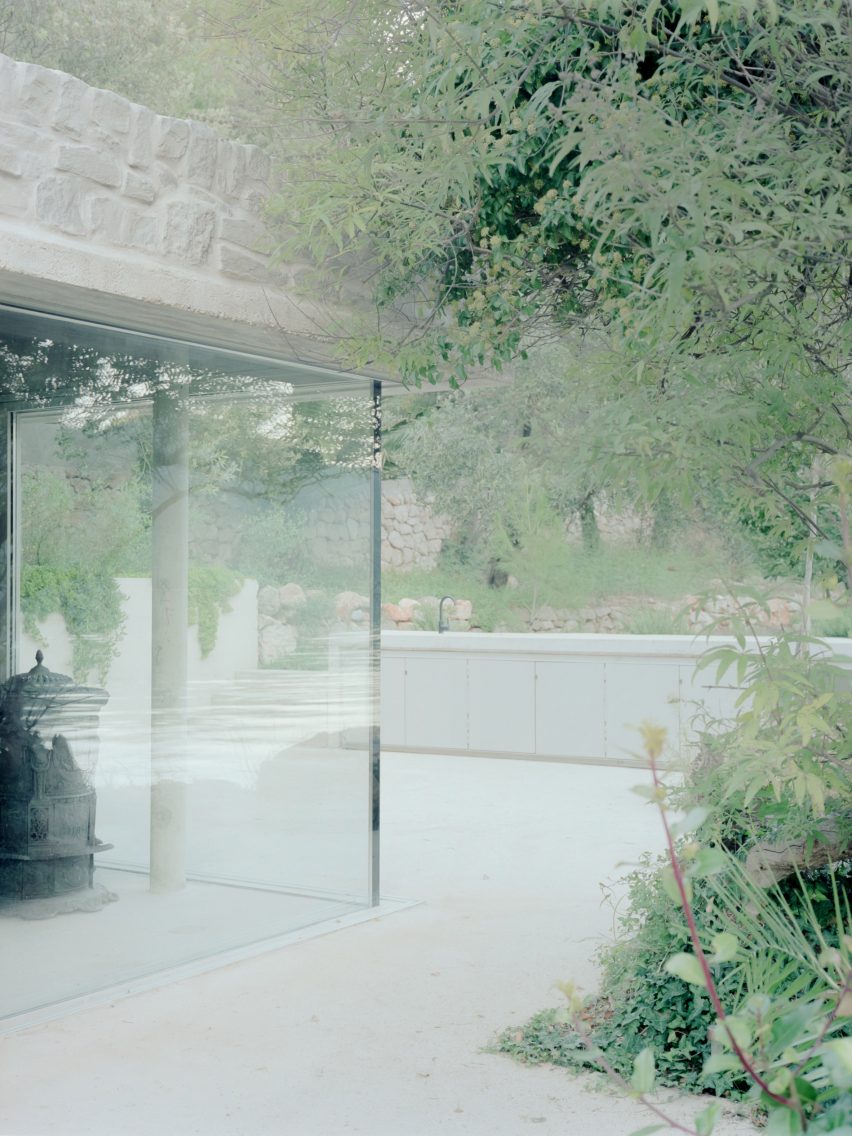 Argu Studio has completed a guest annexe for a coastal home in Croatia
“Rather than pursuing spatial expansion, the architecture works with the existing scale and spatial logic of the inherited structure, relying on a lifestyle where daily activities happen primarily outdoors,” Gusić told Dezeen.
“The project demonstrates that spatial quality does not come from floor area, but from precise organisation and a clear relationship to climate and landscape,” he added.
“In doing so, the house positions itself as a critique of uncontrolled coastal development and the loss of spatial measure.”
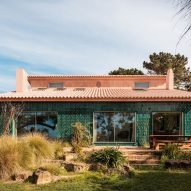
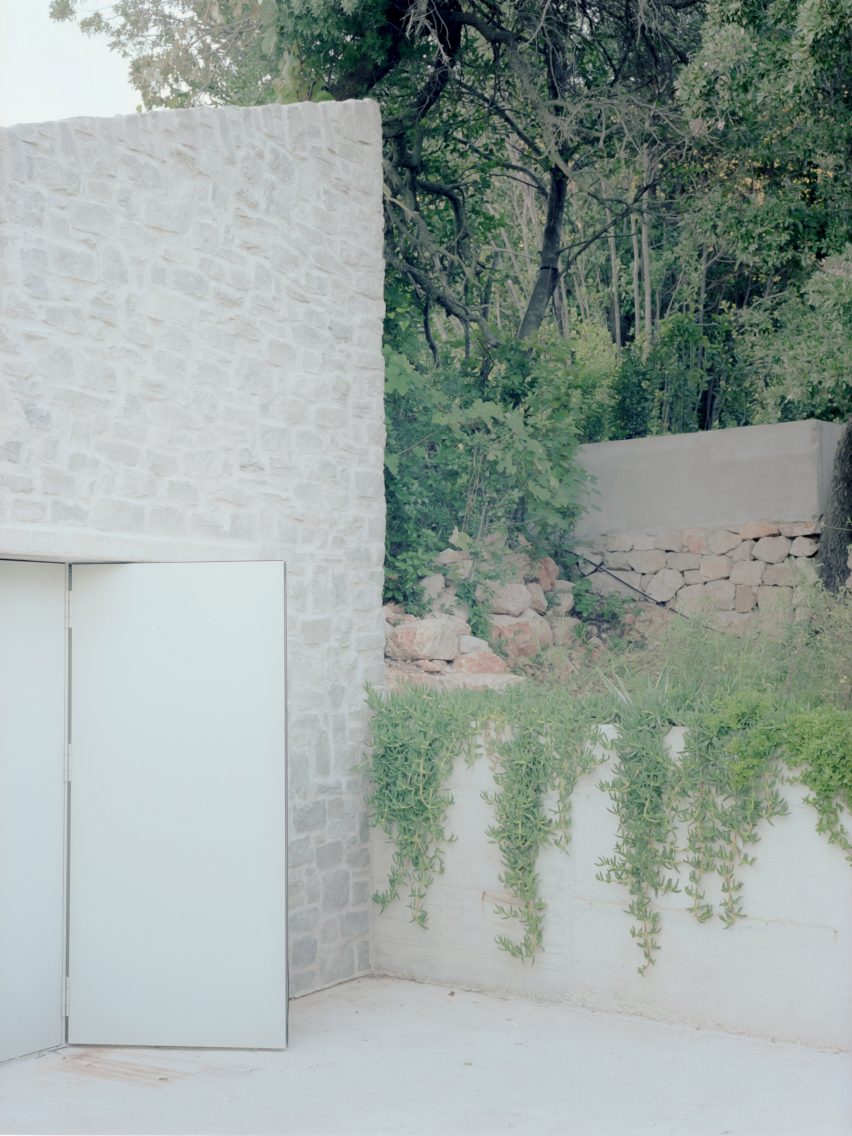 Stone was used to clad the dwelling’s exterior
The rough, rocky exterior of Pretpec is contrasted by a full-height glazed corner, which gives its main living space expansive views across an external dining and cooking terrace, and the garden and sea beyond.
Inside, the annexe’s living space is organised around a historic, freestanding hearth that was sourced from the main home. This is overlooked by a sleeping mezzanine that sits on a timber wall with built-in storage, a small kitchenette and a bathroom.
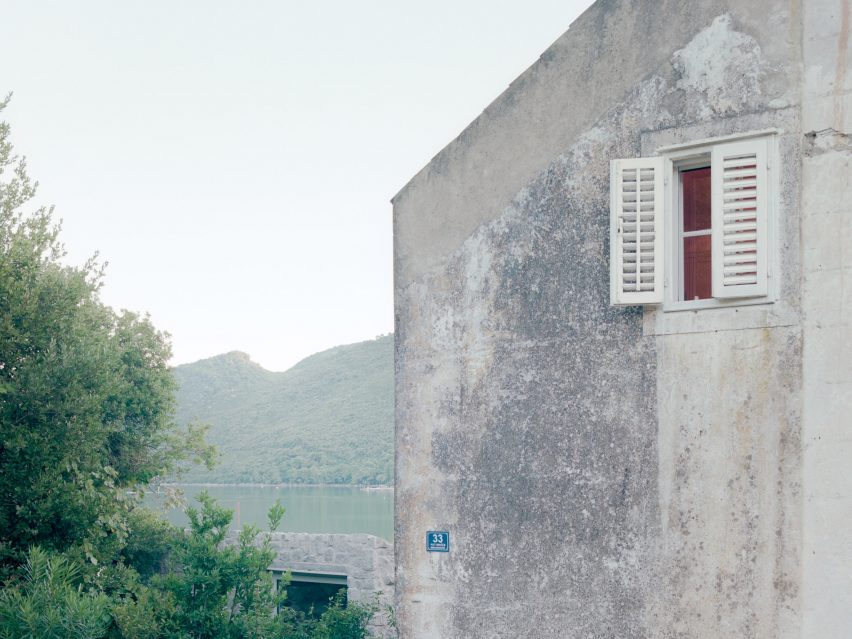 It replaces a summer kitchen that formerly occupied the site
“With no possibility of expansion, the space is differentiated vertically through subtle sectional adjustments and the introduction of a gallery,” Gusić said.
“A large built-in volume anchors the interior, integrating the kitchen, storage, technical areas, and vertical circulation. This concentrates the program into one structure, while the remaining space stays open, clear, and flexible,” he added.
Joāo Tiago Aguiar Arquitectos converts Portuguese windmill into coastal guesthouse
The blockwork structure of the annexe has been left exposed internally and clad externally with irregular stonework, unified by a whitewashed finish.
This mirrors the stone walls that divide the surrounding garden, as well as the finish of a long kitchen counter at the end of the Pretpec’s patio.
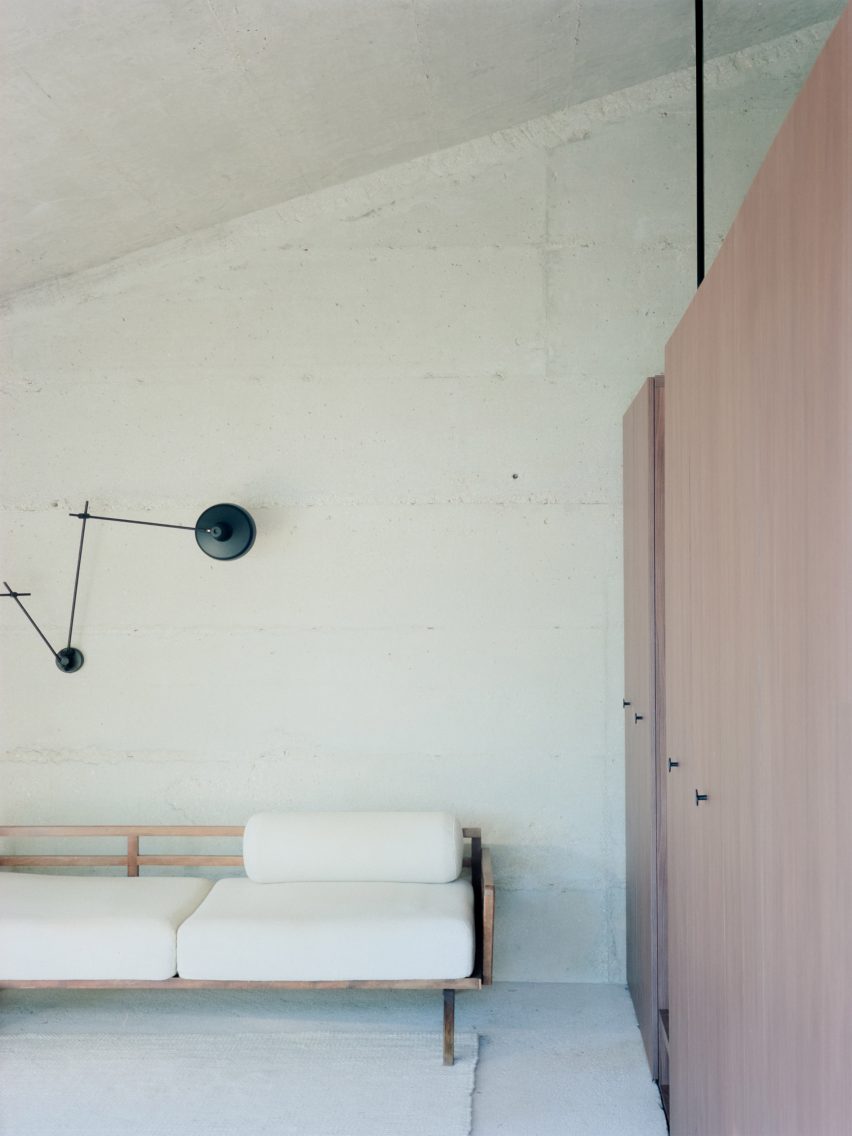 A sleeping mezzanine overlooks the living space
“The architectural language is informed by the existing house and its broader context, particularly through material presence, surface texture, and modes of use,” Gusić explained.
“The remote location and limited availability of craftsmen resulted in minor material imperfections, accepted as a direct consequence of building under specific local conditions and reinforcing the project’s relationship to place, process, and constraint,” he added.
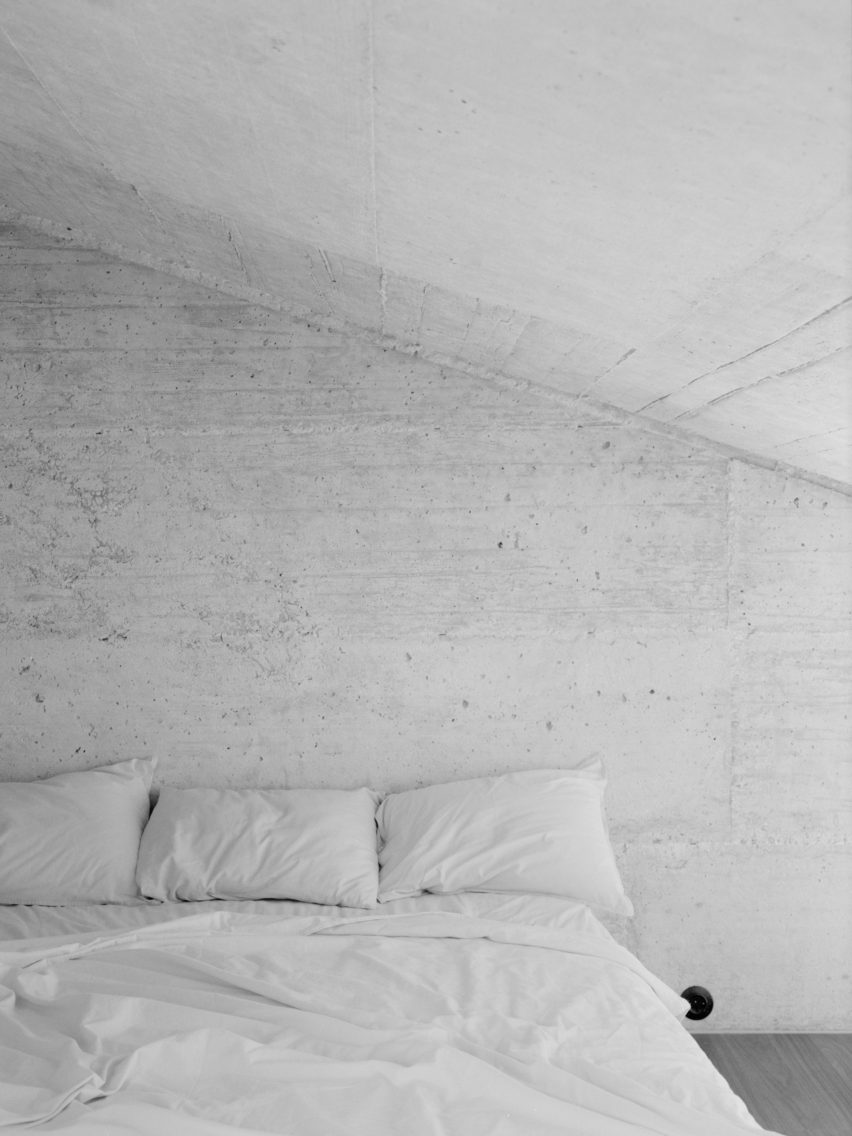 The home’s blockwork structure has been left exposed internally
Other projects in Croatia recently featured on Dezeen include the renovation of a stone home on the island of Cres by local studio OFIS Arhitekti, which inserted a slatted timber frame into the existing structure’s shell, and Double Villa Bukovac in Zagreb, which Njiric+ Arhitekti designed as a “case study” for low-density housing.
The photography is by Simone Bossi.