
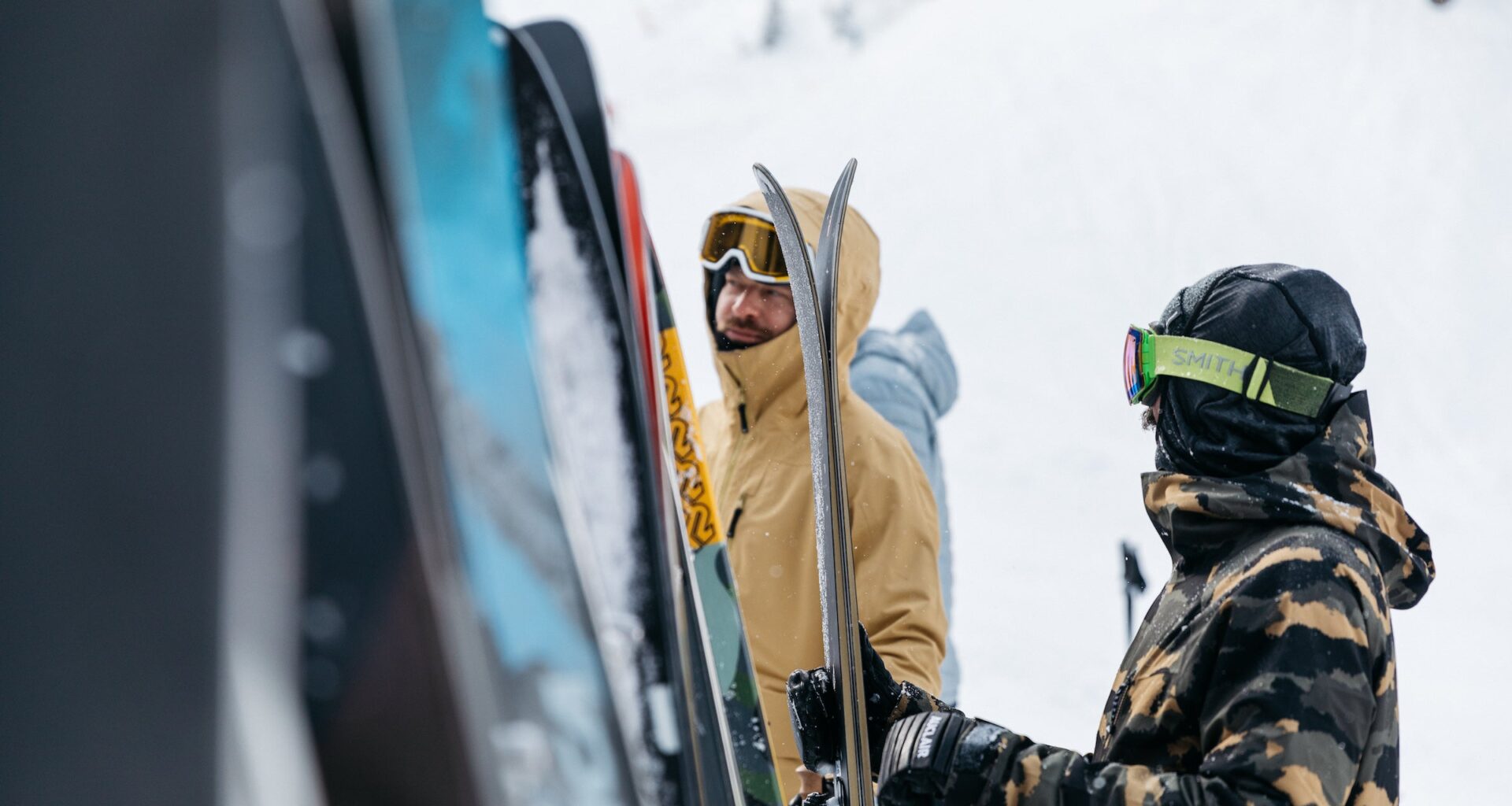
Mid-season drops are putting next year’s gear on snow now, revealing where ski design is headed.
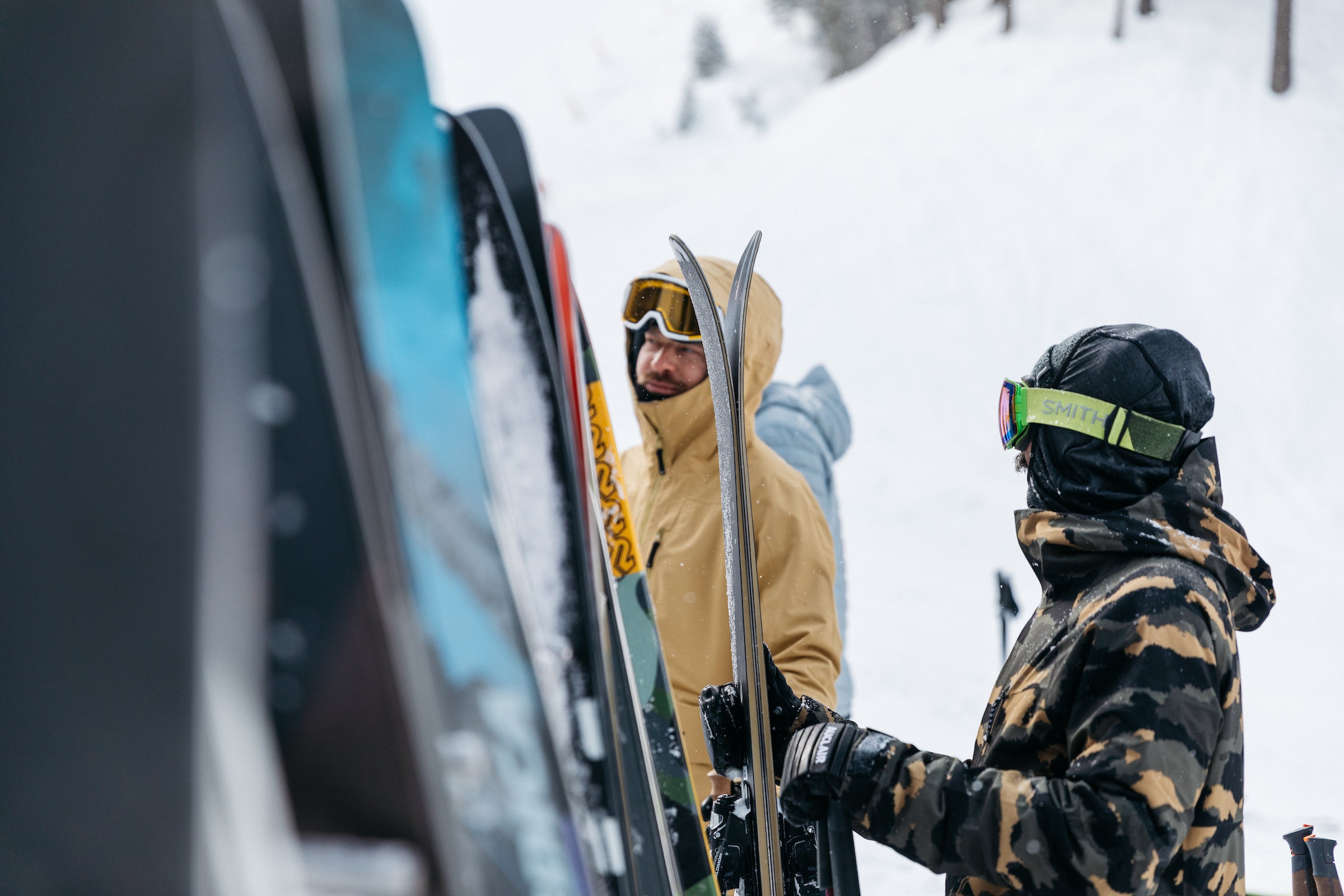
SKI’s editors and contributors have been busy spinning laps on 2027 skis and boots to form first impressions of the ski gear coming down the pike next season. (Photo: Ray J Gadd)
Published January 28, 2026 09:16AM
This season, ski gear trends aren’t theoretical—they’re already under our feet. As more brands move toward mid-season drops, much of what’s slated for next season is showing up on snow right now. SKI’s editors and contributors are spending the heart of winter logging days on current releases and getting behind-the-scenes looks at what’s coming next. While much of what we’ve seen is still under embargo, a few clear patterns have emerged. From a renewed focus on high-performance ski boots to a return to narrow-waisted skis—and a freeride category that’s evolving fast—here’s how ski gear is trending for next season.
The Year of High-Performance Boots
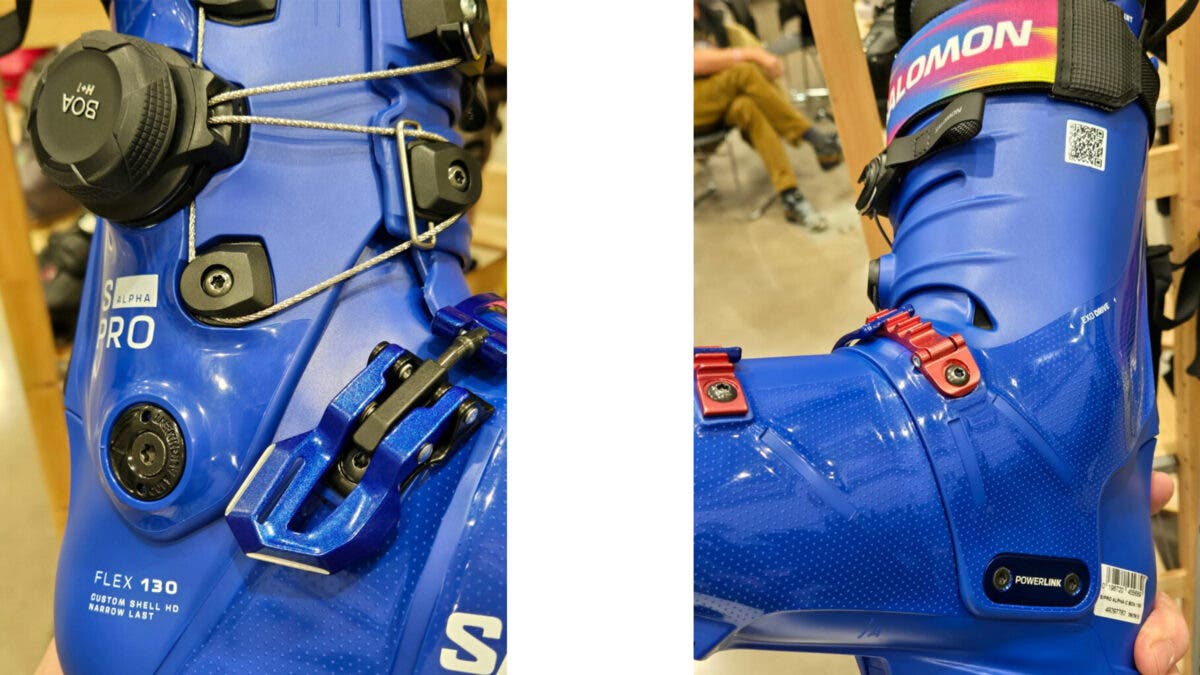 Left: The lateral side of the new S/Pro Alpha C BOA boot, featuring a traditional pivot point. Right: The medial side of the shell, showing Salomon’s new ExoDrive and Powerlink construction. (Photo: Mark Elling)
After years of focusing on all-mountain boots—optimizing walk and hike modes, adding rubber soles, and expanding fit and flex options—brands are turning their attention back to high-performance, frontside-oriented ski boots. Salomon, Nordica, and Head are among those rolling out significantly overhauled narrow-lasted boots aimed at skiers who demand the best possible fit, energy transfer, and precision.
Salomon’s 2027 S/Pro Alpha C BOA features a new one-ankle-pivot shell design engineered to deliver more consistent flex and improved energy transfer to the ski—and it’s already hitting shop shelves. So is Nordica’s 2027 Promachine 3, which has been completely reworked with the brand’s new 3 Force Frame for a better weight-to-power ratio and a slightly higher instep for a more accommodating fit.
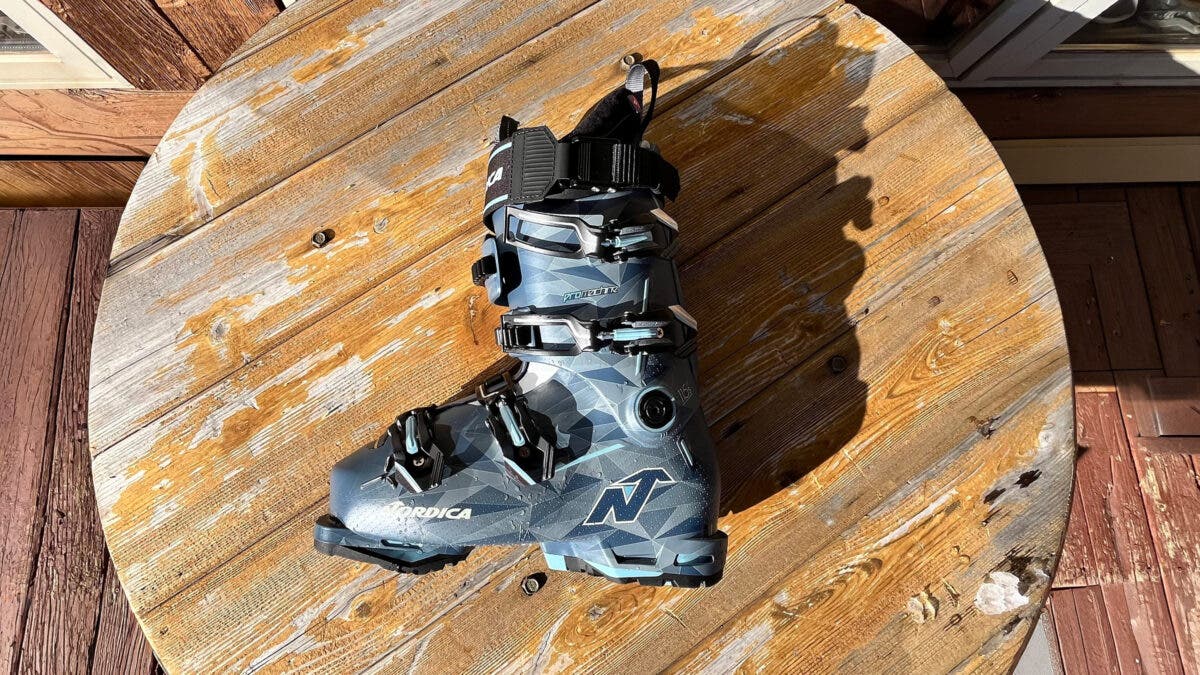 Nordica’s new Promachine 3 features an updated shell design, liner, and unique laser etching on the outside. (Photo: Jenny Wiegand)
Head’s new performance boot hasn’t been publicly unveiled yet, but fans of the Kaliber have plenty to look forward to. A new low-volume Kaliber is coming, complete with a unique BOA lacing system. That’s all we can say—for now.
Making Carving Skis More Accessible
If there was ever a season to get skiers excited about frontside skis, this is it. While low-tide conditions have dominated much of this winter (we’re not talking to you, Jay Peak), a silver lining is that several brands are doubling down on narrow-waisted groomer skis for 2027.
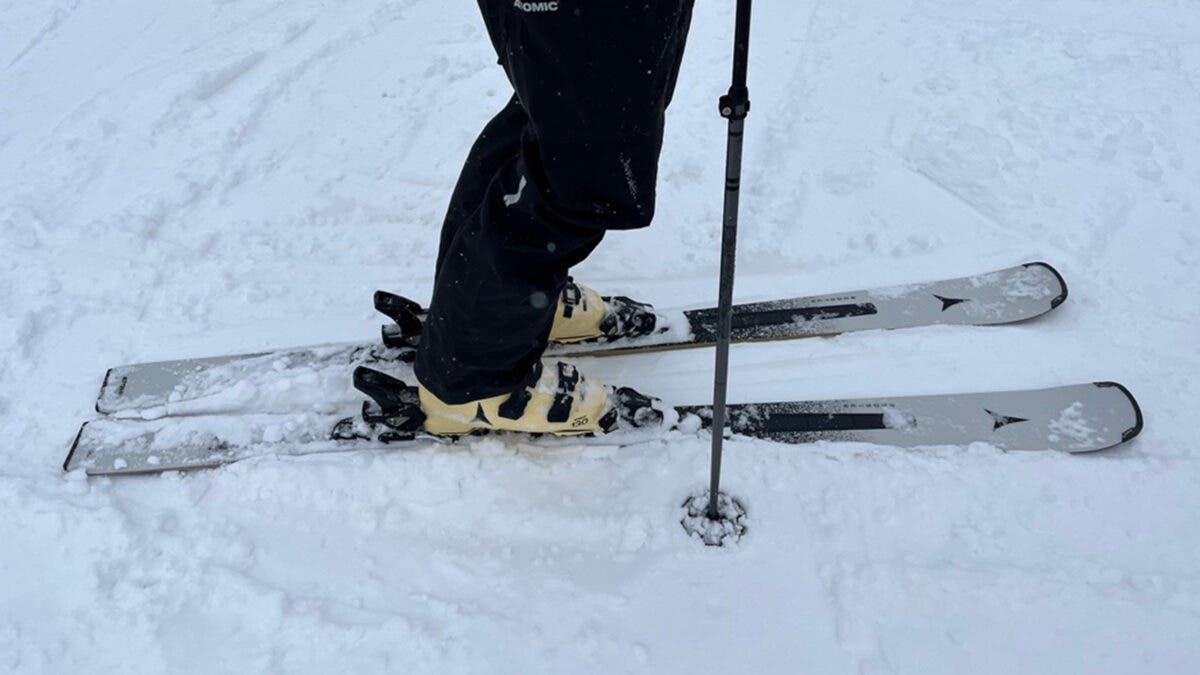 For 2027, Atomic adds new Redster Q and Cloud Q models to its frontside lineup.
Atomic totally revamps its Redster Q and Cloud Q frontside lines, which blend Atomic’s Redster race DNA with more approachable, versatile designs that a wider range of skiers can actually enjoy. The new collection features the next generation of Atomic’s Revoshock dampening technology, which keeps these carvers stable and predictable at speed and in rough conditions. We skied the new Redster Q9.8 and Redster Q7.8 in early December in Vail and were impressed with how smoothly they handled firm groomers, fresh snow, and push piles.
Head, meanwhile, introduces an all-new frontside line called Discovery, aimed at bringing easygoing carving skis to the masses. With waist widths from 76 to 84 millimeters, these skis feature new tech engineered to make them intuitive and forgiving for intermediates, while still delivering enough performance to keep experts entertained. Discovery hasn’t officially launched yet, so we can’t dish full details. But we did get to ski the new models in early December. First impression? They’re a great addition to Head’s lineup.
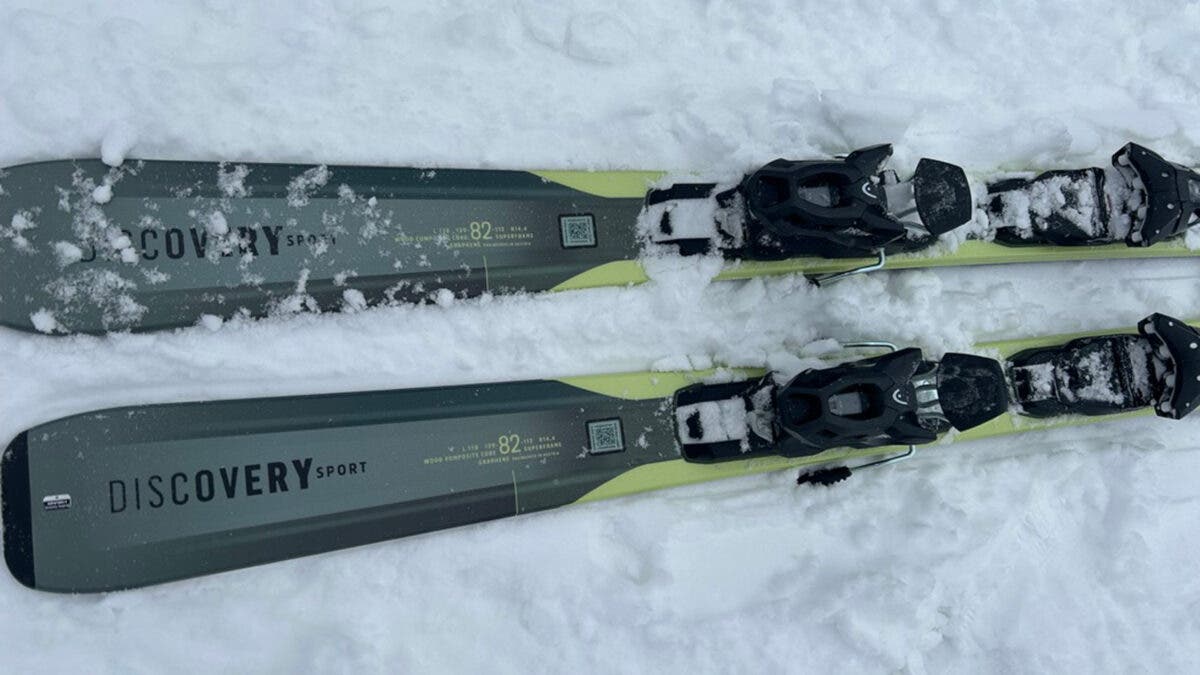 We took a few test laps on the new Head Discovery frontside skis in early December. Discovery hasn’t officially launched yet, so we can’t say much, but we can say this: We like them. (Photo: Krista Crabtree)
The common thread from what we’ve seen: the pendulum is swinging back toward narrow-waisted skis, but these aren’t the demanding, one-note groomer tools of the past. Today’s narrow skis are designed to be more versatile—across terrain, snow conditions, and skier ability—than ever before.
Expanding Freeride Categories
While some brands are sharpening their frontside offerings for 2027, others are pushing freeride in a new direction. Even traditionally directional brands like Nordica and Blizzard are loosening things up, expanding their freeride lines with new models, less metal, and more playful shapes.
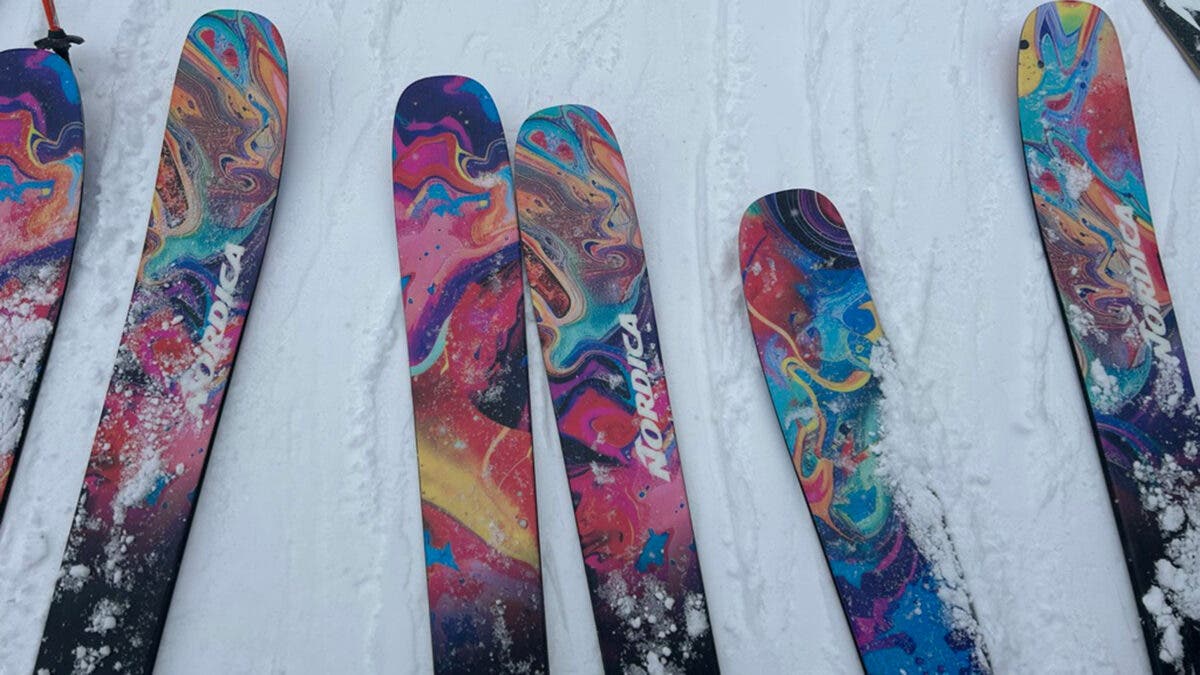 For 2027, Nordica adds new models to its Unleashed freeride line, including the metal-less Unleashed 106 CA. (Photo: Krista Crabtree)
Earlier this season, Blizzard introduced the Canvas—its first twin-tipped, no-metal ski in a decade. Along similar lines, Nordica debuted the newest addition to its Unleashed family: the Unleashed 106 CA. This model skips the Titanal found in the rest of the Unleashed lineup in favor of a lighter, more playful construction, addressing a long-standing critique that Nordica’s freeride skis can feel demanding (those who aren’t afraid of metal will still find it in the Unleashed 106). We skied both the Blizzard Canvas and the Nordica Unleashed 106 CA in Vail, Colorado earlier this season, and we’re fully on board with the move toward less metal in freeride skis.
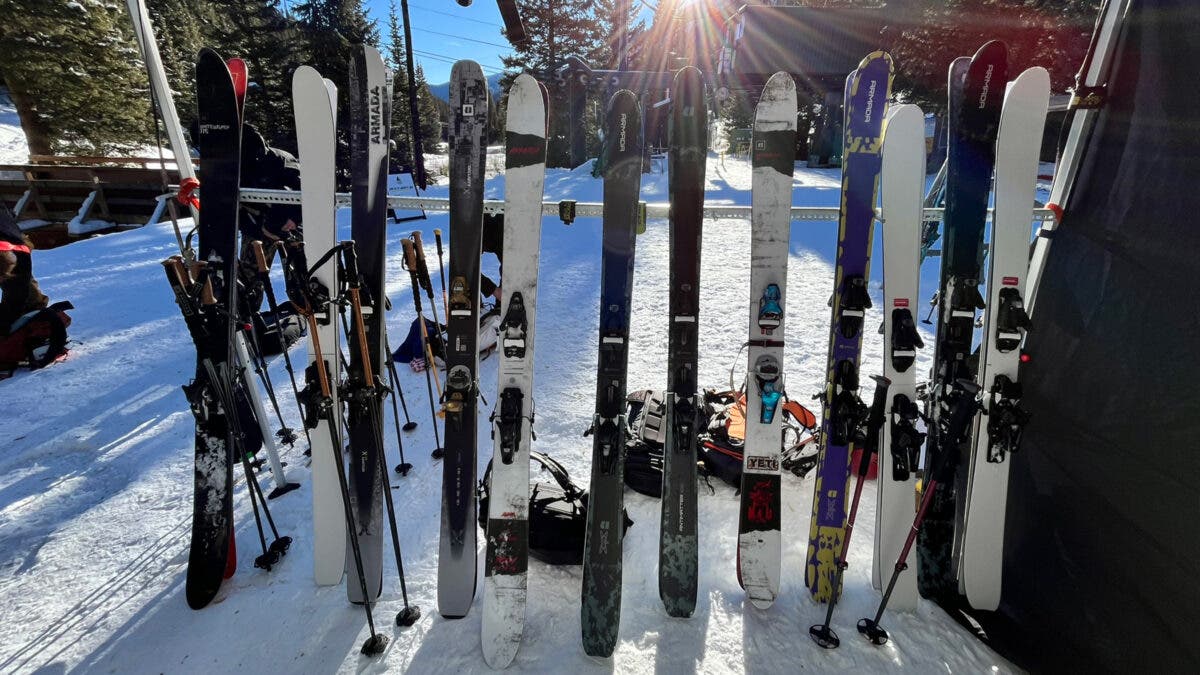 The new Antimatter collection debuts with seven models for men and five for women, ranging from 75mm to 114mm underfoot. (Photo: Jenny Wiegand)
If Blizzard and Nordica are loosening up, Armada is doing the opposite—adding stability where it makes sense. Known for its playful, smeary, no-metal skis like the ARV, Armada just introduced the new Antimatter all-mountain collection. Anchored by the freeride-inspired Antimatter 114—Max Palm’s signature ski—the lineup blends metal-reinforced constructions with surfy, playful shapes. The result is a collection that gives freeriders the best of both worlds: stability when charging big lines and looseness when getting creative on natural features.
High Performance, Broader Appeal
The underlying trend here isn’t a single piece of tech, but a shift in mindset. Brands are building equipment that rewards good skiing without punishing imperfect technique or conditions, expanding the definition of who high-performance gear is really for. And we’re here for that.