

Have you got your shingles vaccine yet? A new Ontario-based study reports that the shingles vaccine may prevent or delay the onset of dementia. Researchers from McMaster University in Hamilton, Ont. and Stanford University in California recently published their findings in The Lancet Neurology after examining and comparing health data from more than 230,000 seniors born in Ontario.
The study focused on data from two groups of people from Ontario’s September 2016 shingles (herpes zoster) vaccination program for seniors aged 65-70. When the program was announced on Sept. 15, 2016, only seniors born in 1945 were eligible to receive the vaccine, ensuring that people approaching the age limit could be immunized (the first group). After Dec. 31, 2016, the campaign opened access to any eligible Ontarian aged 65-70 (the second group) and people born in 1945 were deemed ineligible.
This article is for informational purposes only and is not a substitute for professional medical advice, diagnosis or treatment. Contact a qualified medical professional before engaging in any physical activity, or making any changes to your diet, medication or lifestyle.
Over a 5.5-year period, the group born after Jan. 1, 1946, was two per cent less likely to receive a new dementia diagnosis than the group of seniors born in 1945 who did not receive the free vaccine before Dec. 31, 2016.
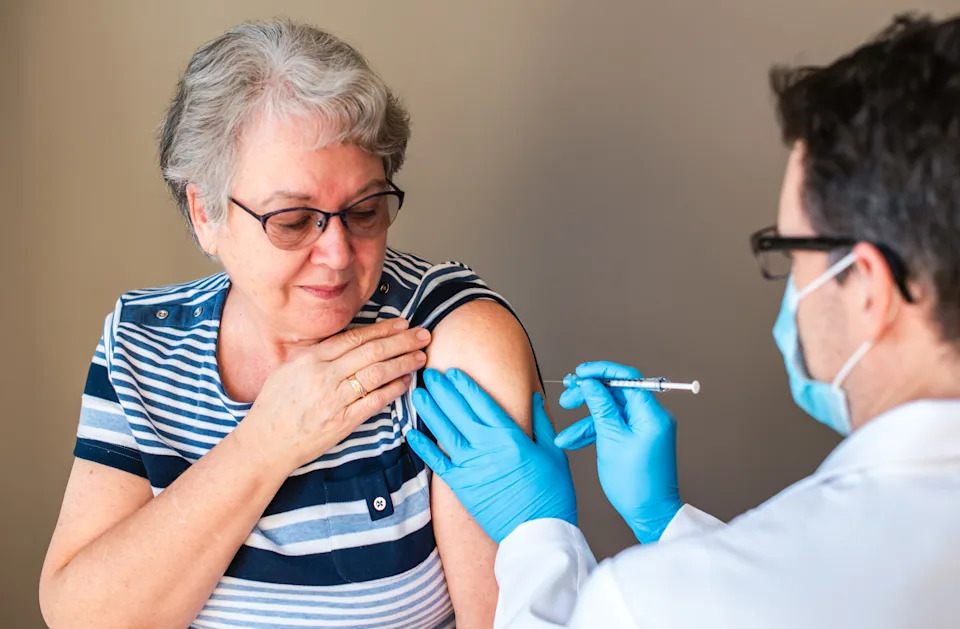
Researchers found that Ontario’s 2016 shingles vaccine initiative for people aged 65-70 showed differences in dementia diagnoses. (Image via Getty Images)
(Cavan Images via Getty Images)
“Our studies suggest that getting it before you develop any mild cognitive impairment has benefits, but that also getting it at later stages in dementia can also have benefits,” he said. “It really seems to have benefits for the dementia disease process across the whole spectrum,” said Pascal Geldsetzer, lead researcher from Stanford University, in an interview with CTV News. “We see large reduction in the probability of dying from dementia among those who already have dementia at the time of vaccination.”
The study calls for more research into the connection between the shingles vaccine and dementia.
If you’re interested to learn more about dementia, including who’s at risk and how you can impact your likelihood of developing it, read on.
What is dementia?
Dementia is an umbrella term for more than 50 disorders, like Alzheimer’s, that impact cognitive functions like memory, thinking and reasoning.
What causes dementia?
Dementia results from a variety of diseases and injuries that primarily or secondarily affect the brain. Brain injuries, certain infections and diseases, such as Huntington’s or Parkinson’s disease, can affect how brain cells perform and communicate with one another.
Types of dementia depend on which areas of the brain are affected and produce different symptoms.
Who is at risk of developing dementia?
Although research into the exact causes of dementia is ongoing, age is the biggest risk factor for developing some form of dementia. According to the Alzheimer’s Society of Canada, after the age of 60, the risk for dementia doubles every five years. Approximately 1 in 4 people aged 85 and older have been diagnosed with some form of dementia. Women are also more likely to develop dementia than men due to hormonal changes that occur during menopause, including a sharp decline in estrogen, which can contribute to neuro-inflammatory processes that can trigger cell death.
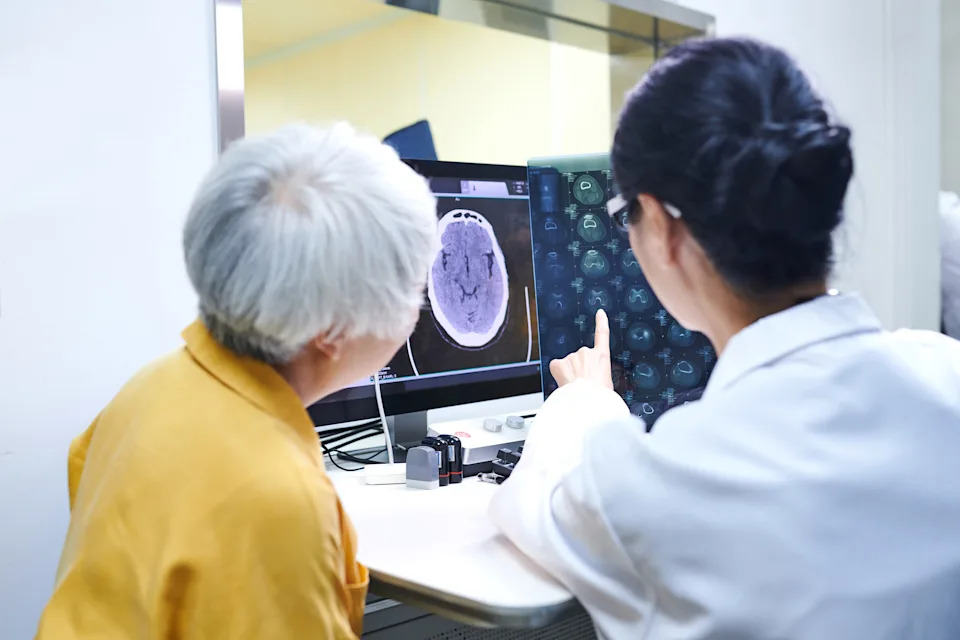
We’ve gathered helpful tips based on research that can help you reduce your risk of dementia. (Image via Getty Images)
(zorazhuang via Getty Images)How can you lower your dementia risk your risk for dementia?
The good news is that there are several modifiable risk factors which can help you protect your brain health. Keep reading to see what small steps (aside from getting your shingles vaccine) you can take to make a big impact on your overall health.
👟 Get moving
It’s never too late to get exercising. According to research, exercise increases cerebral blood flow to the brain, supports the production of new neurons (neurogenesis), and enlarges the hippocampus (the part of your brain responsible for memory), which is noticeably smaller in people with dementia. Exercise later in life (aged 66+) has been reported to reduce the risk of Alzheimer’s by 45 per cent, according to a 2025 study.
🩸 Have your bloodwork done
A thorough physical, including bloodwork, can help determine whether there are vitamin deficiencies that require your attention. Researchers have been examining the relationship between cognitive decline and vitamin deficiencies, specifically B1 (thiamine), B6 (pyridoxine), B9 (folate) B12 (cobalamine) and vitamin D.
Regular bloodwork can also identify other potential health issues and have your doctor develop a plan or supplements to help address nutrient gaps
🗣️ Stay social
Studies have shown that staying socially active, with friends and family, can delay the onset of dementia by approximately five years. Volunteering, living in communal settings, joining a book club, or even having impromptu small talk in public can all positively impact brain health.

Staying social can help reduce your risk of dementia. (Image via Getty Images)
(kali9 via Getty Images)🦻 Protect your hearing
Studies have shown that our senses are integral to brain health. Research suggests that even mild mid-life hearing loss can double your risk of dementia more than any other factor and contributes to social isolation, another dementia risk factor. Aside from protecting your hearing in loud environments, have your hearing issues addressed with hearing aids to ensure you stay connected.
👁️ Have your eyes checked
Like hearing, there have been studies that show a link between vision loss and dementia, including vascular dementia, which is caused by damage to blood vessels, and Alzheimer’s disease. Cataracts, glaucoma, age-related macular degeneration and diabetic retinopathy are all vision issues that should be addressed by a specialist — some research suggests a link between cataract extraction and a decreased risk of dementia.
Similar to hearing loss, vision loss can lead to increased social isolation, which can increase the risk for dementia by 50 per cent compared to people without vision loss.
🧩 Keep your brain active with puzzles
Word puzzles like crosswords have been shown to delay the onset of accelerated memory decline by more than two years. Another study found that people who completed word or number puzzles, such as Sudoku, at least once a month performed better on cognitive tests in areas of grammatical reasoning (word puzzles) and executive function tasks, such as organizing and planning (number puzzles).

Crossword puzzles have been linked to the delayed onset of dementia. (Image via Getty Images)
(Yunio Baro Gomez via Getty Images)💤 Address sleep issues
According to Health Canada, 50 per cent of Canadians have trouble falling or staying asleep. Additionally, 1 in 5 people aren’t experiencing restorative sleep, meaning they wake up feeling tired and unrefreshed, and 1 in 3 people report feeling so tired that they have trouble staying awake during the daytime.
While this is generally bad for your health, poor sleep quality has been linked to cognitive decline. One study found that people aged 50 to 70 who slept for less than six hours a night had a 30 per cent higher chance of developing dementia.
Addressing underlying health issues that contribute to sleep disturbances, like sleep apnea and stress, and developing healthy sleep habits by reducing screen time, drinking less alcohol and caffeine, practicing meditation and exercising during the day can all help improve the quality of your sleep.
Let us know what you think by emailing us or threading us @yahoocanada. Follow us on TikTok, WhatsApp and Instagram.