
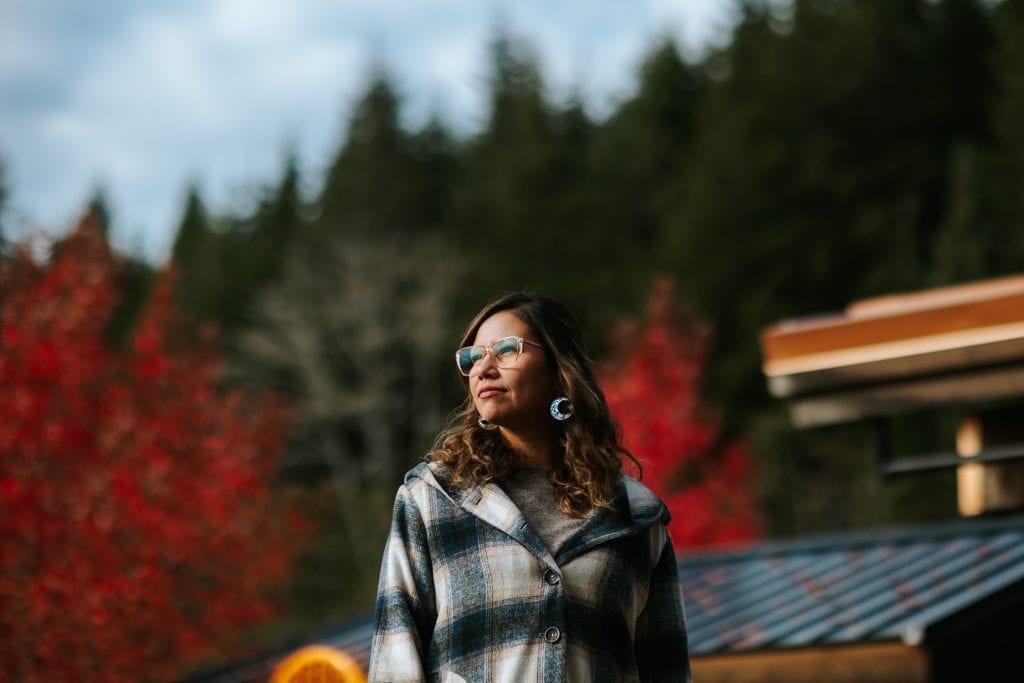
This story is part of Generating Futures, a series from The Narwhal exploring clean energy sovereignty among B.C. First Nations.
On the northwestern corner of Vancouver Island, wind and storms will often rip through Quatsino Sound. The wild west coast weather means Quatsino First Nation experiences frequent power outages.
There are few ways in and out of the community, roughly a six-hour drive northwest from Victoria. If they’re blocked by rough weather, “we’re closed off from society,” Quatsino member Kara Wilson says.
But that weather has also created opportunities. A wind farm opened in 2013, which the nation has partial ownership in, and Quatsino is working to build more renewable energy infrastructure. It is on the cusp of completing the third and final phase of its 150-kilowatt solar project in the spring.
But Quatsino isn’t stopping there — it is pushing to deploy a tidal energy system later this year, which would be one of the first pilot projects of that technology on the west coast, Wilson says.
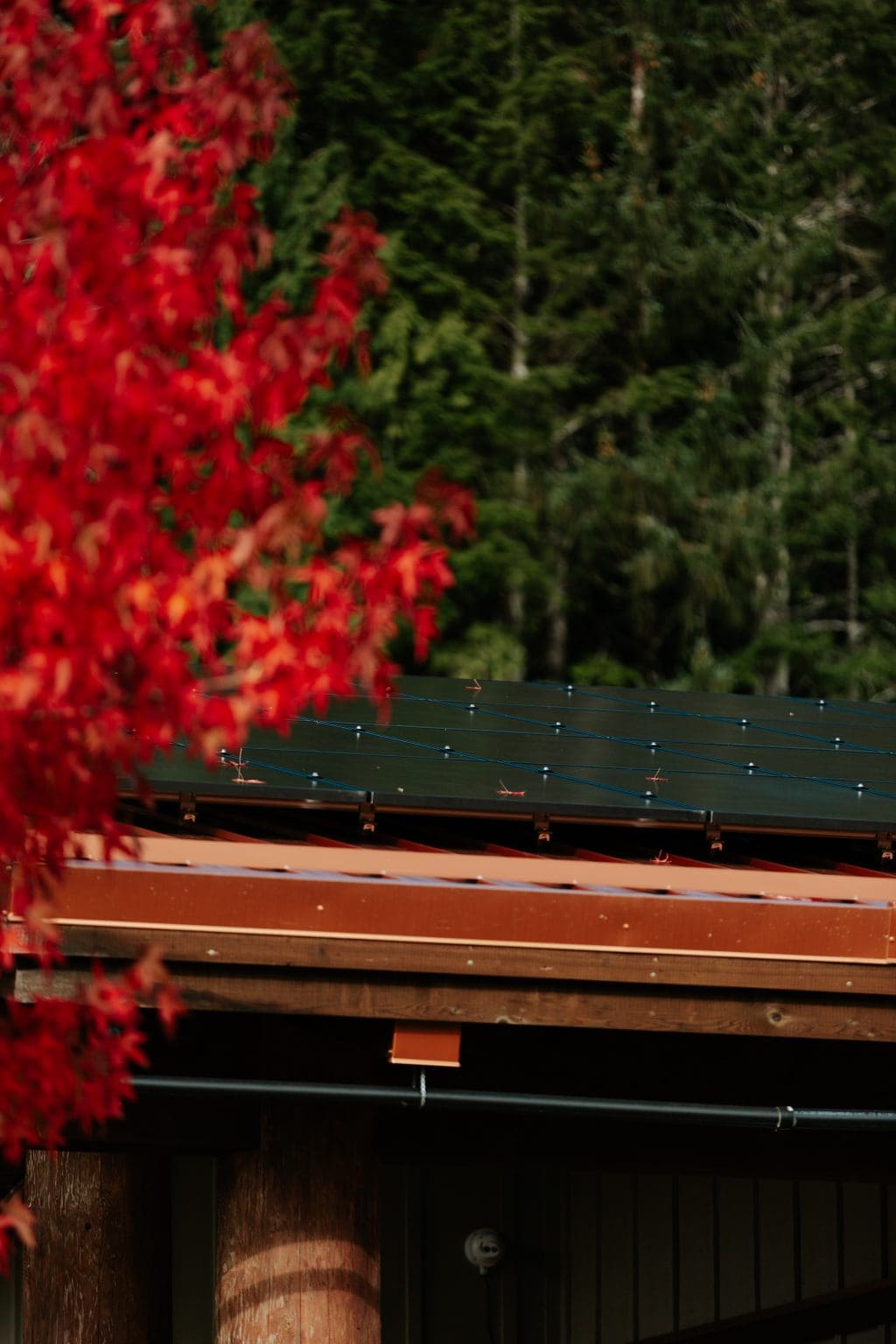 Quatsino First Nation installed solar panels at its daycare early in 2025.
Through its energy projects, the nation aims to provide reliable power at lower costs to its population of roughly 600 people, along with bringing jobs and independence. Quatsino is pursuing these renewable projects so members can “have that comfort at home that they’re always going to have energy no matter what,” Wilson says.
Wilson is the energy champion for Quatsino First Nation, a title that means she leads conversations about the nation’s energy projects with business partners and community members. It also means she’s seen all the funding hurdles, manufacturing interruptions and bureaucratic hiccups that can make it hard for small, remote communities to launch their own projects. But after pushing through those challenges, she says Quatsino hopes to share its successes to show other communities “it is possible.”
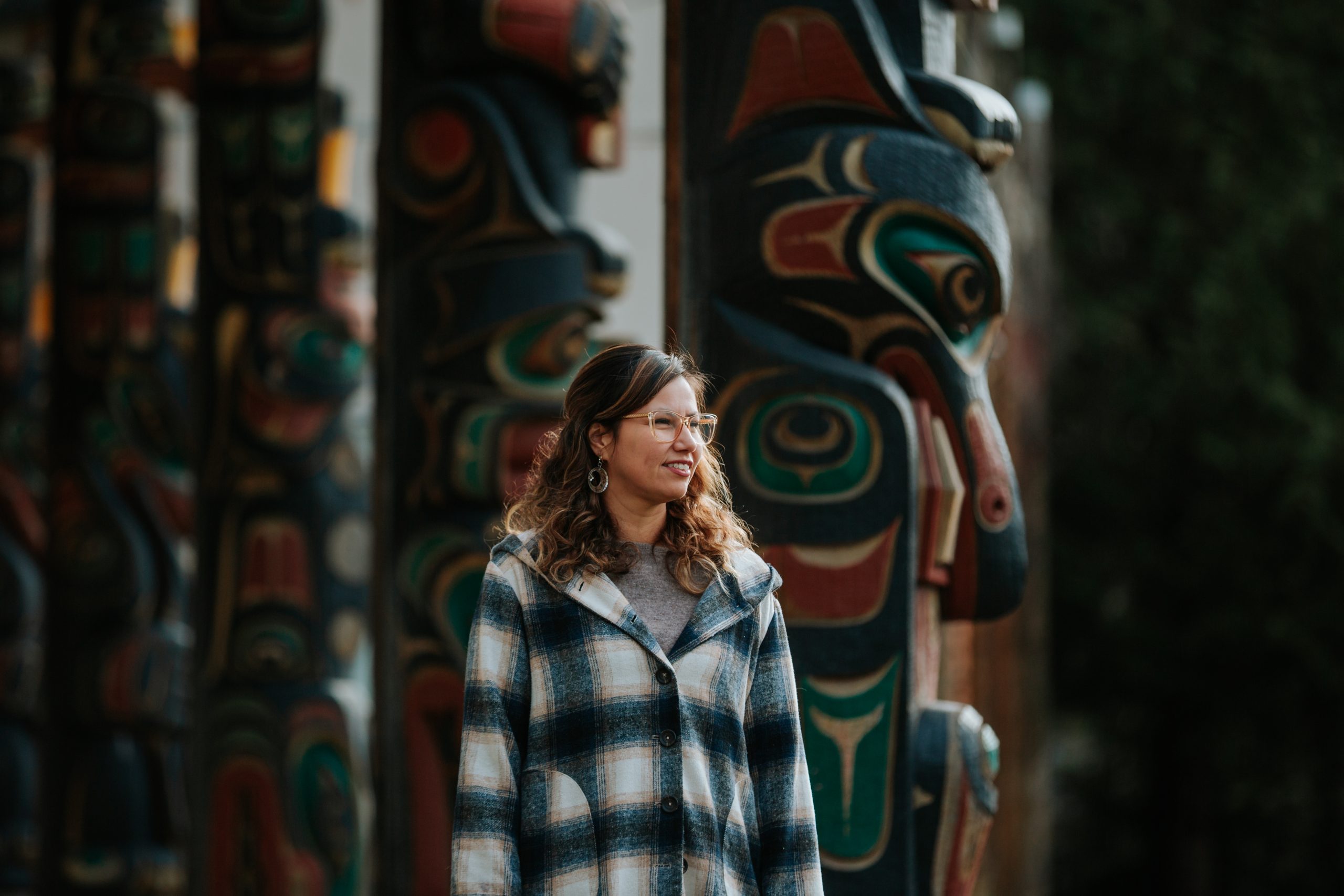 Quatsino has a partnership with a wind farm, is completing its own solar project and launching a tidal power pilot project. Kara Wilson, Quatsino’s energy champion, is excited by opportunities to expand nation-led renewable energy.
Challenges to launching small, local energy projects
Quatsino completed the first two phases of its solar project in the first half of 2025, working with Canadian company Shift Energy Group to install solar panels and battery storage at the nation’s daycare and administration building. The third phase, providing power to the nation’s school, was delayed due to U.S. tariffs and a broad public service strike in B.C. late last year.
The efforts go back to 2017, when Quatsino began working with Barkley Project Group, a sustainable energy consultancy on Vancouver Island, to develop a community energy plan. Community members identified lowering energy costs, improving efficiency and exploring renewables as priorities. In 2020, the nation began installing heat pumps in homes, and seeking funding for other projects, like its solar installations.
Wilson hopes these projects will also help create good jobs in construction and maintenance close to home for Quatsino members and people in the nearby community of Port Hardy, B.C.
“A lot of our people are having to relocate because of a lack of work here and the cost of living,” she explains.
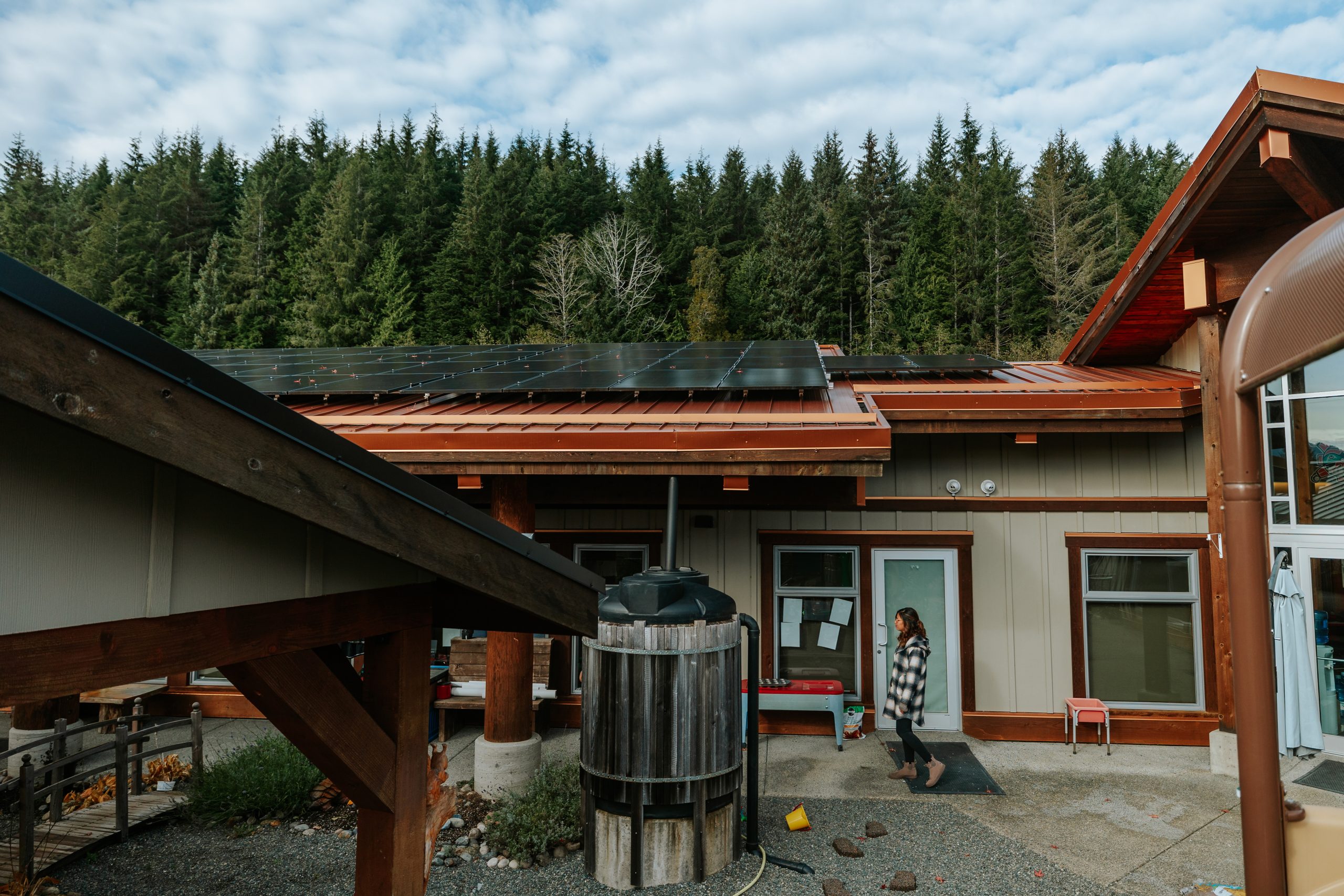 A First Nation may only have the capacity to launch something smaller, but it can be challenging to get smaller projects funded, Kara Wilson says.
But creating a local energy source, just big enough to meet a remote community’s needs, can be a tough sell for support and funding, she says. Most of BC Hydro’s calls for power — open application periods for renewable energy projects across the province —have been for larger projects, built to have extra energy to sell, versus small projects focused on bringing sustainable, resilient energy to remote communities. For example, the 2024 and 2025 calls for power required applications to have a minimum capacity of 40 megawatts — or 40,000 kilowatts — compared to the 150 kilowatts Quatsino’s solar panels will generate.
Many projects First Nations are trying to get off the ground are smaller than 40 megawatts. Wilson says the nation had been ready for a while to invest in smaller scale projects but it was hard to get support for those, and they had to wait until they were ready to take on something bigger.
These projects don’t provide the obvious economic impact of being able to sell excess energy, but they provide a relief to community members with lower energy bills.
“All across B.C., everybody everywhere is struggling with the ongoing rises with rent, with the basic essentials to do with having a roof over your family,” Wilson says.
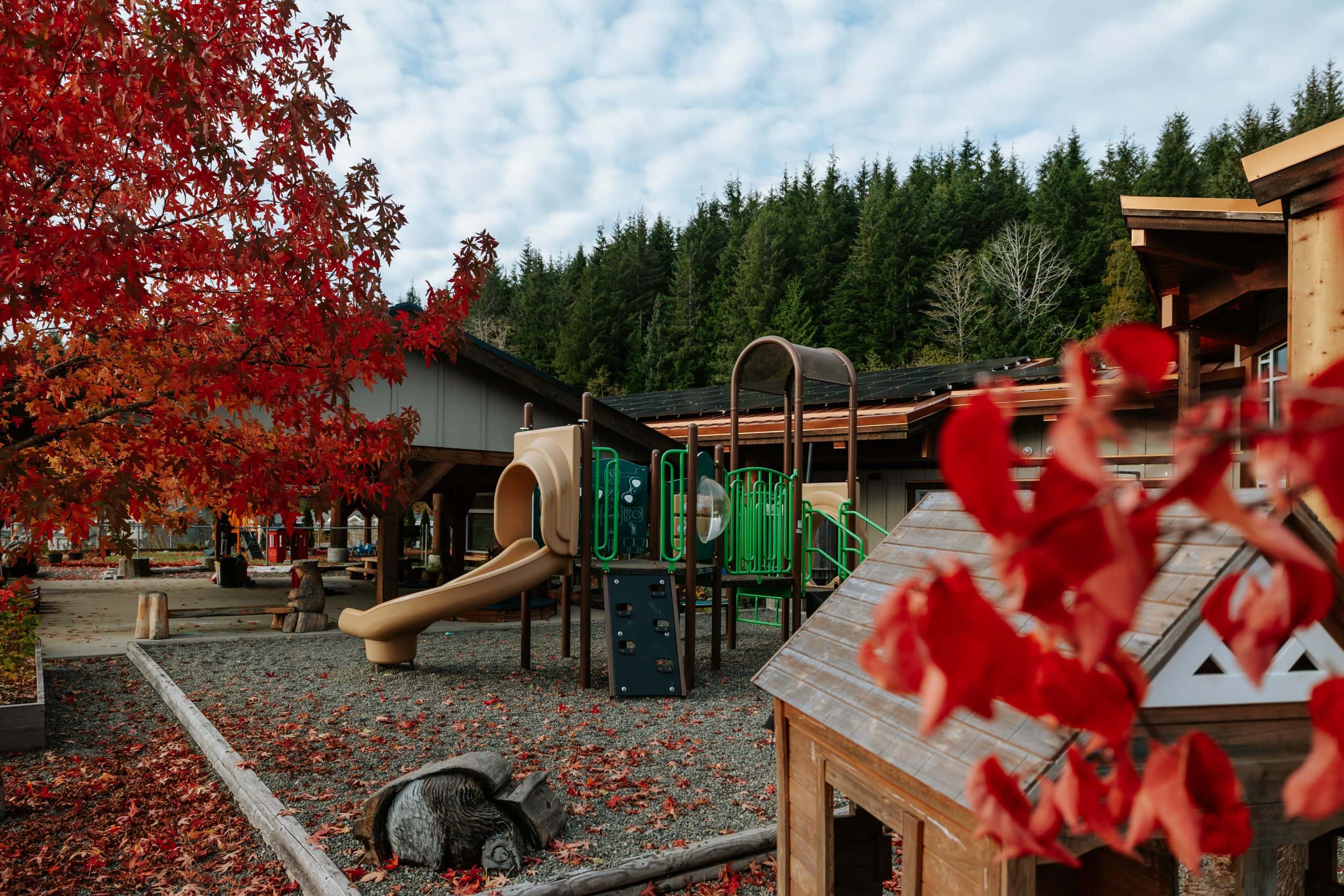 Quatsino’s solar project is projected to save the nation $18,000 annually in energy costs once completed.
First Nations have ‘a central role’ in B.C.’s clean energy future: BC Hydro
Many First Nations across B.C. have ambitions to pursue renewable energy, but are hindered by a lack of capacity and funding opportunities. In response, the province has created new funds, and BC Hydro required 25 per cent Indigenous equity in applications to its 2024 and 2025 calls for power.
In an emailed statement, BC Hydro said the 2024 call for power delivered majority First Nations ownership for almost every project it funded and up to $3 billion in equity ownership for First Nations, and the 2025 call “is also designed to ensure First Nations play a central role in the province’s clean energy future.”
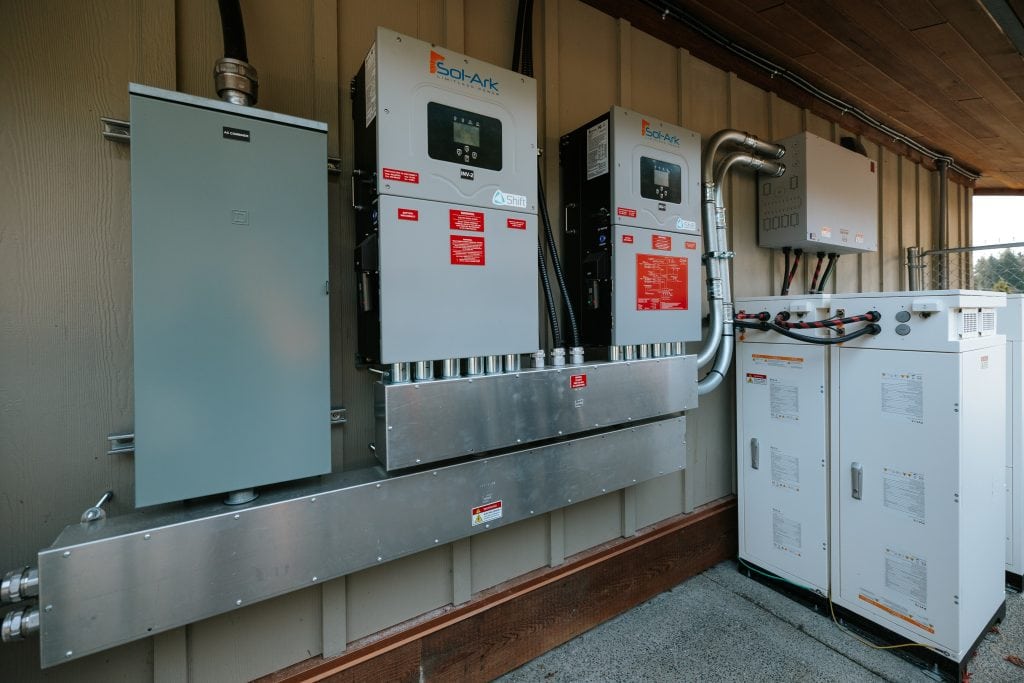 Solar power inverter equipment at Quatsino’s daycare converts the direct current (DC) to alternating current (AC), the circuit type used for power grids and household electricity.
BC Hydro said it’s also supporting smaller projects, partly by working with off-grid communities since 2019 to support them in designing and developing renewable energy to use less diesel, along with supporting other programs for microgrid and on-grid communities like the Community Energy Diesel Reduction program.
The utility is focusing on “partnering with communities rather than building projects ourselves” and purchasing energy from the communities, the statement said.
As for personal consumption, BC Hydro said it has among the lowest electricity rates in North America, and that residential rates are third lowest and half of what Albertans pay. It said it has eliminated higher electricity rates for 14 off-grid communities, which are primarily First Nations. In 2024, it contributed $80 million to support lower income households, social housing and Indigenous communities in programs and rebates through its Energy Efficiency Plan.
Nation is pursuing energy cost savings and independence
Quatsino estimates the solar panels will annually save the nation over $18,000 annually through reduced BC Hydro usage by the daycare, administration building and school.
“The way we got leadership on board was highlighting those estimated savings,” Wilson said, and the fact those savings could support “other programs that [they’re] wishing to either revitalize, restructure or start new.”
If these projects create jobs that can keep people in the community, Wilson hopes that will also give them more opportunity to connect with revitalizing cultural and traditional art practices within Quatsino — some of which may be supported and powered by the new energy sources.
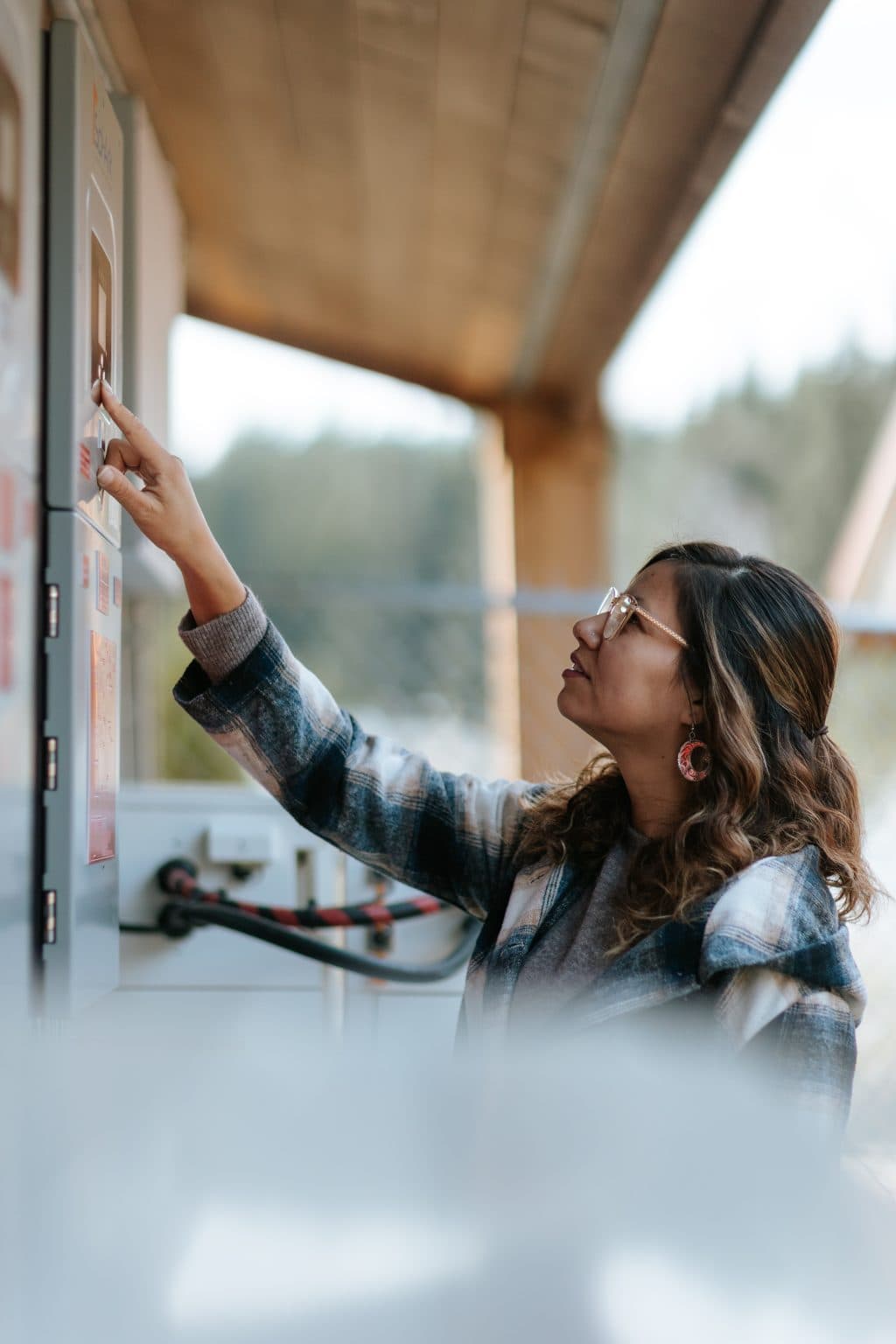 Quatsino First Nation Energy Champion Kara Wilson looks at solar equipment at the nation’s daycare.
The nation is hoping the solar power can supply its youth culture camp at the ancient village of Xwatis, also called Old Quatsino. It’s a significant cultural site where Quatsino people lived before they were relocated farther north to their current reserve.
The nation wants to diversify from hydroelectricity partly because people are concerned about its impacts, as it diverts water and can contribute to drought and hydrological issues, Wilson says.
To branch out into new forms of energy, Quatsino sourced funds from New Relationship Trust (which the B.C. government supports) and Natural Resources Canada. It also applied to B.C.’s First Nations Clean Energy Business Fund, which has allocated $1.49 million to 12 First Nations so far. Quatsino was also accepted with the Accelerating Community Energy Transformation initiative at University of Victoria.
Quatsino had also hoped to receive funds from the BC Hydro rebate program for solar panels and battery storage for Indigenous communities, but interest in the program was so great it had to pause intake of applications, including Quatsino’s.
Among B.C. First Nations, the momentum seems to be building. Last year, Ulkatcho First Nation broke ground on its solar project, while Nlaka’pamux launched its own in October. Another went online in December owned by Tll Yahda Energy, a partnership of Skidegate Band Council, Old Massett Village Council and the Council of the Haida Nation.
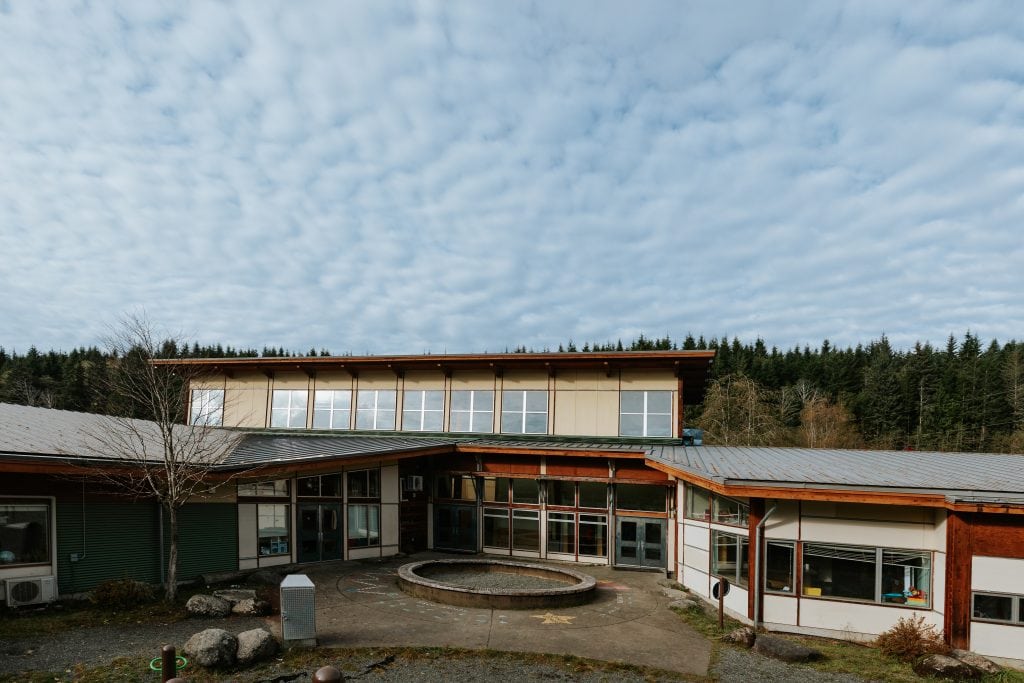 Quatsino has worked with several funding partners to advance renewable energy. Quatsino’s school, pictured above, will have solar panels installed this year.
Quatsino’s broad energy sovereignty vision includes more than the solar project and tidal energy device. The nation is also exploring the feasibility of electrifying four fish farms. It’s also possible Quatsino could eventually take over majority ownership of the Cape Scott wind farm from the current majority owner, Engie.
In 2025, the nation also received funding from Island Coastal Economic Trust to partner with Ehattesaht, Ka:’yu:’k’t’h’/Che:k:tles7et’h’, Nuchatlaht and Mowachaht/Muchalaht First Nations to pursue a transmission line to the North Island to improve connection with the BC Hydro grid, ensuring more reliable power for communities.
Wilson says she takes immense pride in her role as energy champion and what the nation has accomplished so far. She was once intimidated by the technical details of these projects, but now, she’s the one breaking them down for community members.
“I emotionally got invested because I have two boys at home that I want to set the example for, about how they can become a leader and how even when you run into hiccups — that it’s still possible, as long as you keep pushing and don’t give up.”
Generating Futures is made possible with support from the Real Estate Foundation of BC. As per The Narwhal’s editorial independence policy, no foundation or outside organization has editorial input into our stories.