
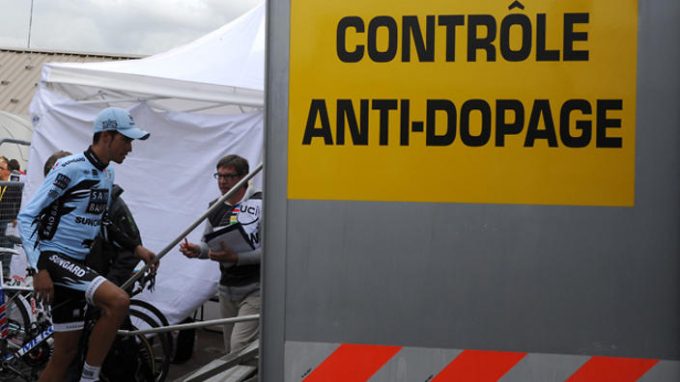
The UCI has banned Azerbaijani junior rider Artyom Proskuryakov for three years after methamphetamine was found in samples taken at the 2025 UCI road worlds.
The positive tests came from the men’s junior road race back on September 23. The UCI says the samples were collected through intelligence-led testing (which is a fancy way to say someone said something, to someone.) Both contained D-methamphetamine and its metabolites.
Proskuryakov accepted the sanction. His ban started November 18, 2025, and runs until November 17, 2028.
Methamphetamine is listed under section S6.A of the 2025 WADA Prohibited List. It’s a non-specified stimulant. That classification alone is enough to end a career, junior or otherwise.
Does it make you faster? Maybe, for a moment. That’s why riders used it decades ago, long before EPO, stimulants like amphetamines, were commonly used to cheat. It’s also why Tom Simpson never made it off Mont Ventoux in 1967. “Put me back on the bike,” he was said to say, before he died. After collapsing on the iconic climb, he rode on briefly, then collapsed again and died from heart failure linked to amphetamine use, dehydration, and extreme heat.
Meth is brutal on the heart. Heart rate spikes. Blood pressure follows. The heart works harder than it should, for longer than it can handle. That strain adds up quickly. Arrhythmias. Heart attacks. Sudden death.
Unlike caffeine, meth dumps stress hormones into the system all at once. It pushes the body into emergency mode. Your heart isn’t designed for that, whether you’re riding or standing still. Long-term use can leave permanent damage. One bad dose can be enough.
For the junior, the lesson is an old one. Stimulants don’t just break the rules. They break bodies.
In 2024, Proskuryakov finished second at his national TT champs, and third in the road race. In 2025, the year he was tested, he finished 41st at the UCI time trial world championships, and didn’t finish in the road race worlds.