


Listen to this article
Estimated 4 minutes
The audio version of this article is generated by AI-based technology. Mispronunciations can occur. We are working with our partners to continually review and improve the results.
Physicians are urgently calling for modernization to the province’s referrals and consultations process, a report released Thursday by Doctors Manitoba says.
“The goal is simple: give physicians back the wasted time in their day, and more importantly improve access for patients, and eliminate avoidable delays for patients,” Doctors Manitoba president Dr. Nichelle Desilets said during a Zoom call from Neepawa.
Manitoba is already facing a “serious doctor shortage,” and administrative burden is a leading cause of burnout, with the average physician spending over 10 hours per week on paperwork, the report says.
Collectively, Manitoba physicians lose in excess of 100,000 hours per year to inefficient or unnecessary processes, it says.
“In Manitoba, the top contributor to wasted desk time that we’ve heard from our members is the referral and consultation process. As doctors, we are often collaborating to co-ordinate care for our patients,” Desilets said.
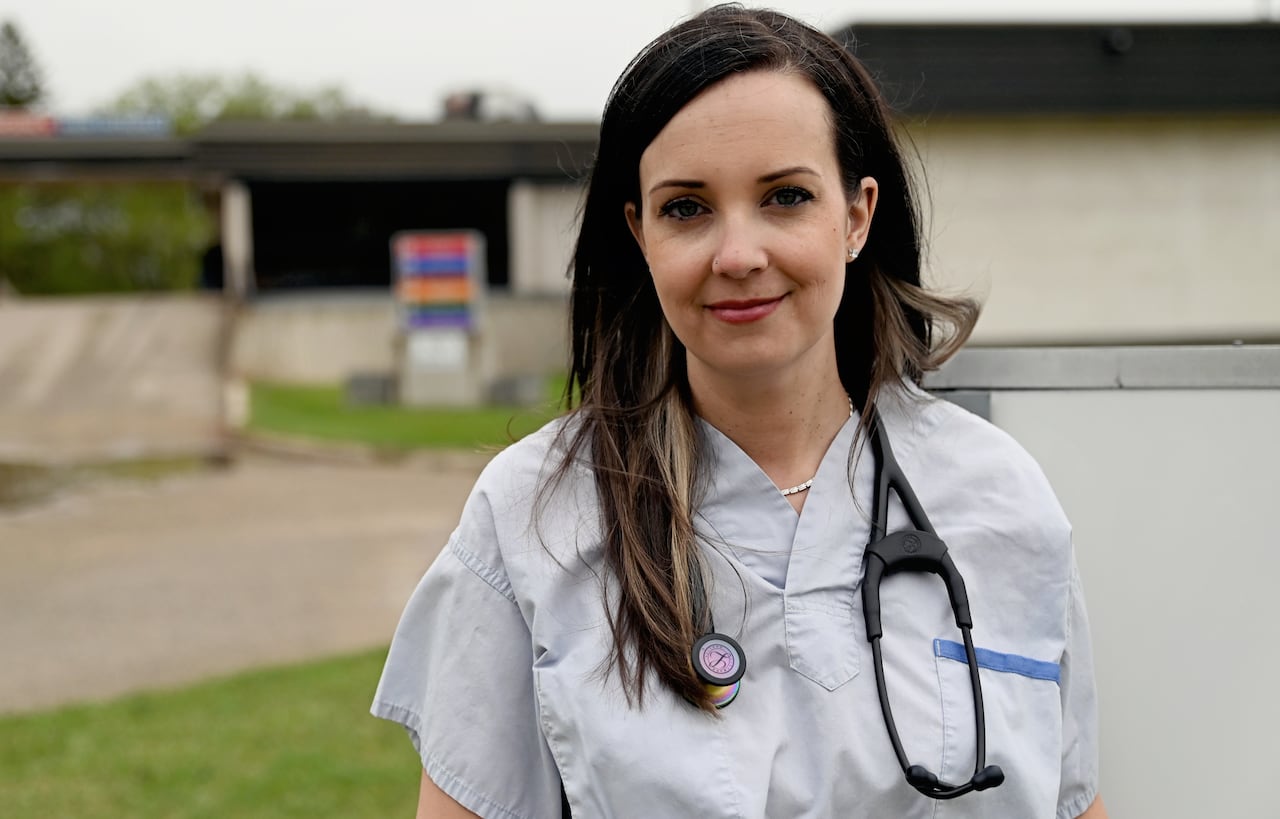 Dr. Nichelle Desilets, president of Doctors Manitoba, says initial requests by physicians for tests or referrals often end up on fax machines, and may not be reviewed and dealt with in a timely manner. (Submitted by Doctors Manitoba)
Over one million referrals and tests are requested annually, most of which are arranged via fax and mail. That leads to wasted time and duplication, she says.
Desilets also said patients in the province have little visibility into wait times or into how their care is being co-ordinated.
Sometimes “the wait before the wait” can last up to a month, with initial requests made by physicians usually ending up on fax machines, and not reviewed and appropriately coded in a timely manner, she said.
Her patients would be frustrated to know that while “it looks like I’m taking a day off per week that they can’t come and see me … it’s not really a day off, because I’m doing paperwork,” said Desilets.
“They would probably be frustrated to know that my availability is going down because I’m doing things that do not require someone with an MD after their name to do them.… I think everyone in the health-care system would agree that it’s more efficient to be able to delegate, streamline or even eliminate some of these things.”
Dr. Noam Milo, a Winnipeg radiologist, agrees.
“My kids wouldn’t even know what a fax machine is. We’re dealing with old technology. If we had a digitized system, we’d be able to know in real time where we need to redistribute those resources,” he said in a November 2025 Doctors Manitoba YouTube video.
The report notes several key changes Doctors Manitoba says should be adopted in the province:
A physician directory to find the right consulting physician.E-referral and adopting standards for referral forms/letters.Pooled or central intake, appropriately resourced.Diagnostic e-requisition with updates to the ordering physician.Digital tools to support urgent/emergent consultations.
Desilets says it will be a big investment to bring Manitoba onboard with more streamlined technological processes for medical referrals and consultations, but one that’s necessary.
“It took years of underinvestment for Manitoba to fall this far behind, and it doesn’t have to take us years to catch up,” Desilets said.
The report also details several key recommendations that came out of a major medical summit held last fall, as well as consultations with hundreds of doctors from outside the province over the past year.
They include creating an up-to-date physician directory, developing digital solutions for diagnostic testing and having a central intake partnership with physicians.
“Doctors and staff are doing the best with the tools the system currently offers us,” Desilets said.
“But this is part of where we see that we can use technology to close the communication loop to keep everyone updated and give patients the care they need as quickly as possible.”
CBC News reached out to the province for comment on the report, but did not receive a response prior to publication.