

Listen to this article
Estimated 3 minutes
The audio version of this article is generated by AI-based technology. Mispronunciations can occur. We are working with our partners to continually review and improve the results.
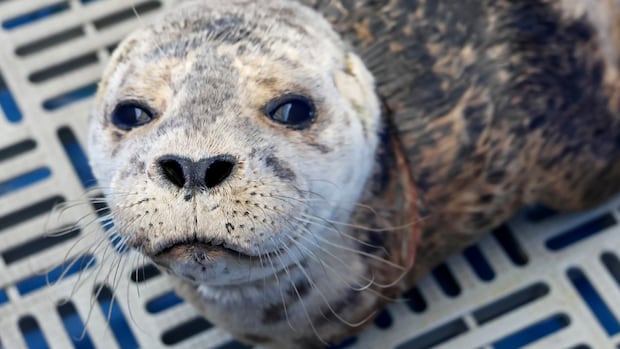
A young harbour seal is recovering after being rescued from a life-threatening net entanglement in West Vancouver.
Dr. Martin Haulena, the head veterinarian at the Vancouver Aquarium Marine Mammal Rescue Society, said the gillnet had likely been digging into the seal’s neck for weeks or even months.
“The wound was quite deep, going in at least one to two centimetres along the entire circumference of the neck. So [it was] deeply embedded and just cutting more and more every day.”
A gillnet is a type of fishing net that hangs down in the water like a curtain.
The pup is thought to have been born last summer and was named Annette by her rescuers after she was spotted by a member of the public and saved last Thursday.
In an interview Wednesday, Haulena said the net did not affect the animal’s trachea, major blood vessels or esophagus, but that she had not been able to feed and was very thin, weighing about half of what a healthy harbour seal should be at her age.
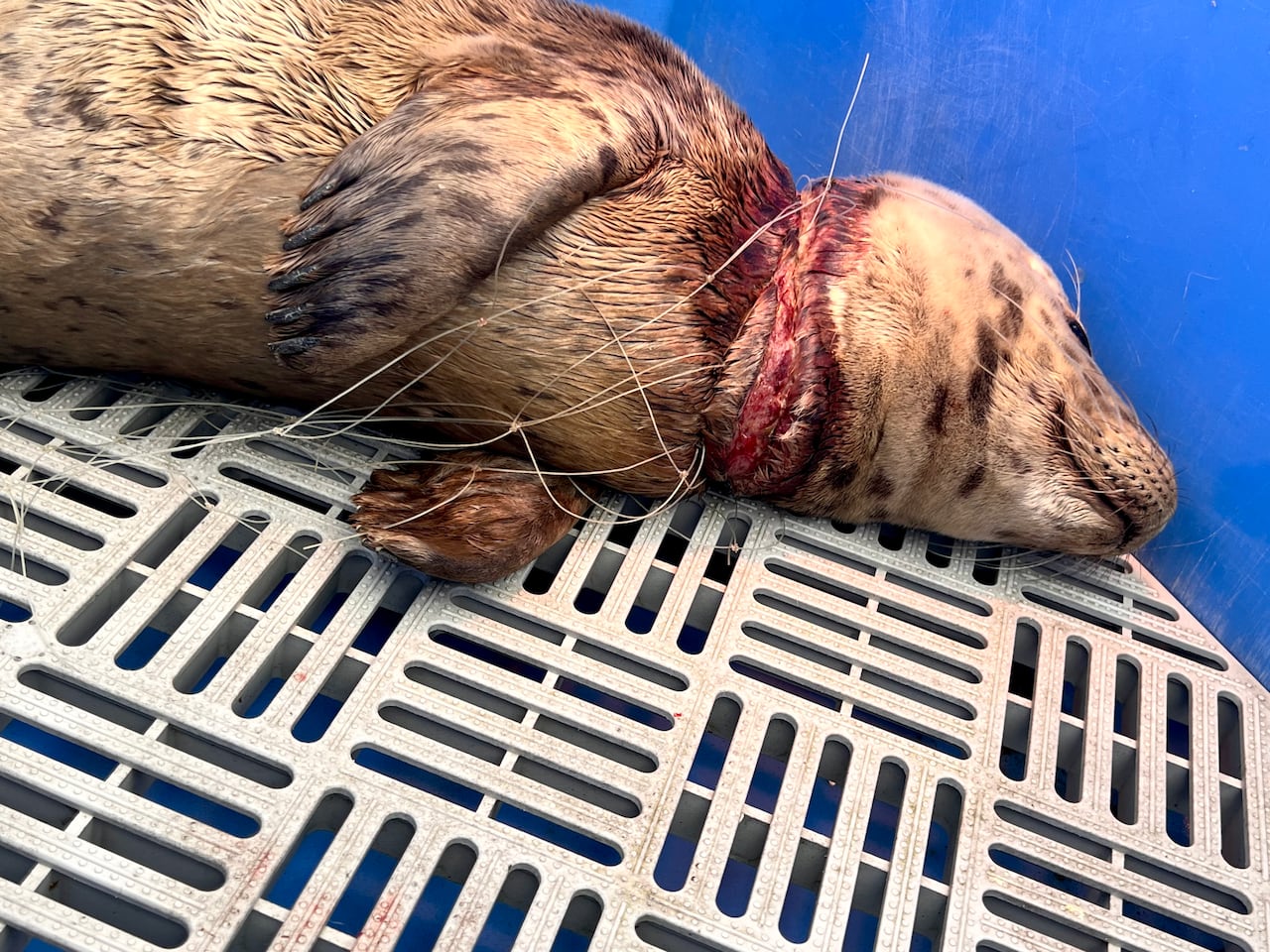 Officials with the Vancouver Aquarium Marine Mammal Rescue Society say Annette was found in critical condition with a very deep wound around her neck. (Vancouver Aquarium Marine Mammal Rescue Society)
Haulena said it’s important for the public to be aware of how garbage is disposed of and where it might end up, adding that no one knows how or where the seal got entangled.
“Bycatch and injury to wildlife and non-specific target species, that’s a fishing issue and the industry is aware of that and trying their best to mitigate that,” he said.
“So sometimes that just sort of happens. But other times, we have packing straps and toilet bowls, and we have all sorts of material that gets around on these animals. And once they’re entangled around the neck and it starts cutting, it will eventually cause mortality.”
Haulena said when it comes to sea lions, rescue teams have followed animals for a year before they could get to them and disentangle what they’ve been caught in.
Hundreds of marine animal emergencies a year
The rescue society said its team responds to more than 300 marine animal emergencies each year, including the rescue and rehabilitation of sick, injured or orphaned animals, and disentanglement from marine debris.
Haulena said Annette was treated with antibiotics, anti-inflammatories, disinfectants and painkillers and is improving.
He expects her to stay in care for another four to six weeks before she will be released back into the wild.
“She’s actually improving quite a bit, which they usually do once that injury or a source of the injury is removed,” he said.
“So she’s back to eating fish on her own and swimming quite actively. [She’s] still very thin, so seeking our heat lamps and that sort thing for the thermal regulation, but on the road to recovery for sure.”