

Turning your smartphone off and on might sound like something out of a tech support meme. But this week, a fresh wave of attention has brought a long-standing NSA recommendation back into the spotlight, one that many users still ignore.
Across both iPhone and Android ecosystems, security threats have grown quieter, smarter, and harder to detect. You might never see a popup or suspicious message, yet your device could be exposed. That’s exactly what makes this advice feel counterintuitive, and why so many brush it off too easily.
What if the best line of defense wasn’t a complex app or encrypted network, but a simple restart? This isn’t about fixing lag or crashing apps. It’s about killing spyware before it activates. Still sounds too basic? Let’s take a closer look.
How Rebooting Your Phone Can Stop Invisible Attacks
The NSA’s Mobile Device Best Practices guide, first released in this official document, outlines simple steps for reducing your risk from zero-click exploits and memory-based malware. These attacks don’t rely on human error. Instead, they exploit unseen system weaknesses, often slipping through without a trace or user interaction.
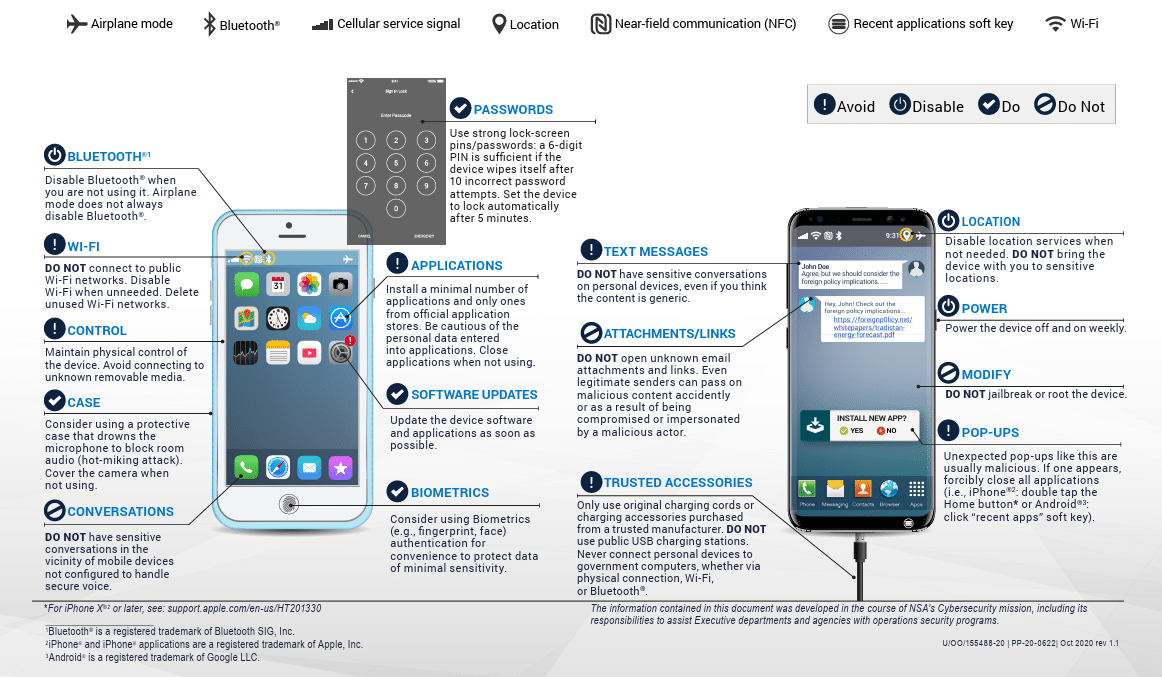 Mobile devices face increasingly complex security threats. Although modern smartphones offer convenience and advanced features, they can also expose users to risks. This best practices guide shows how to keep your device and personal information secure. Credit: NSA
A weekly reboot breaks the memory state where this kind of spyware resides. Many malicious payloads don’t survive power cycles, which makes a reboot a quick and effective tool to clear them from your device. In this context, a restart acts more like a sweep, one that may prevent surveillance tools from lingering undetected.
This is echoed in coverage by Forbes, which explains how zero-click malware relies on temporary memory and often avoids writing to disk, making it harder to trace but also more fragile. That’s exactly where a reboot hits hardest.
Why This Advice Is Gaining Attention Again
The reminder to reboot regularly is gaining fresh traction thanks to renewed attention from cybersecurity analysts and updated policy recommendations from agencies like the Cybersecurity and Infrastructure Security Agency (CISA). The NSA’s approach, detailed in its original PDF advisory, highlights how seemingly harmless smartphone behaviors may open the door to serious breaches.
In the same Forbes piece, security researcher Jake Moore emphasized that while updates remain essential, regular restarts still offer security benefits, especially against threats that rely on remaining hidden in active memory. Moore also notes that such threats have evolved, becoming more difficult to detect even by seasoned professionals.
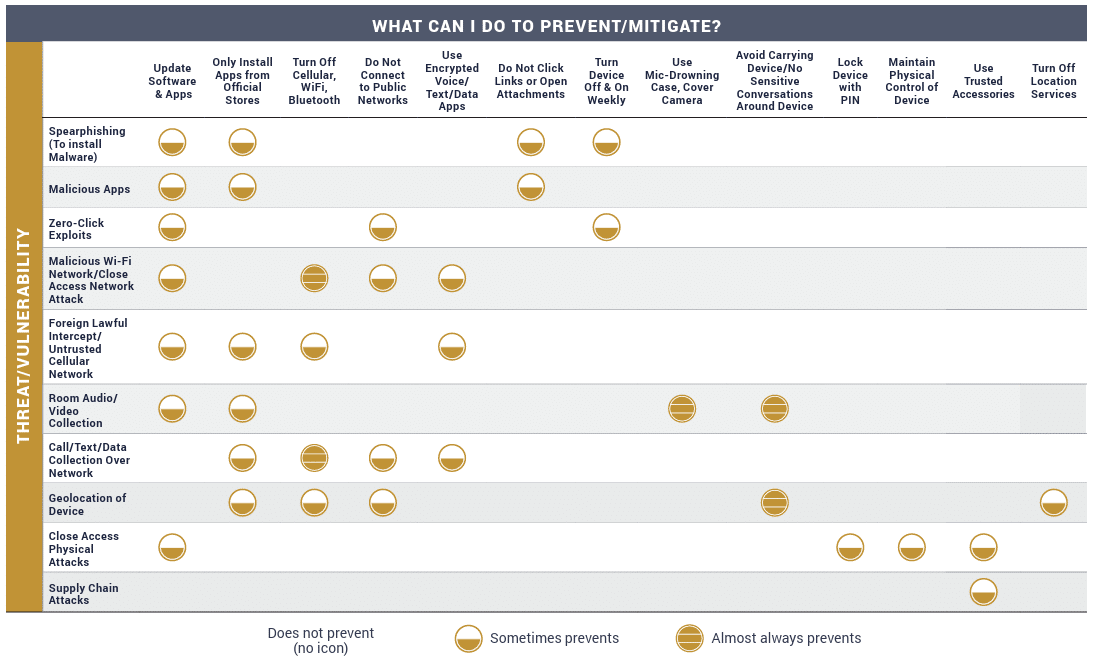 Credit: NSA
This renewed interest reflects growing concern over how easily smartphone malware can exploit dormant vulnerabilities. It also shows how underestimated soft defenses, like rebooting, deserve a place in any personal or enterprise-level security routine.
Beyond the Reboot: Full Checklist From the NSA
The reboot isn’t a silver bullet, and the NSA’s full recommendations extend well beyond it. Among the most impactful tips found in the best practices guide are:
Avoid tapping links in messages, even from trusted contacts
Never click unknown pop-ups or suspicious prompts
Use secure VPNs before connecting to public Wi-Fi
Disable Bluetooth unless actively in use
Keep your operating system and apps fully updated
Don’t jailbreak or root your phone under any circumstances
Set strong passcodes or use biometric authentication
Avoid discussing sensitive topics via unsecured apps or networks
These layered protections act like a digital hygiene checklist, minimizing exposure points and reducing the odds of a successful intrusion.
A Habit Worth Building
There’s no universal rule for when to restart, but the NSA recommends doing it at least once per week. You could align it with a routine task, Sunday night, for instance, or build it into your workweek. Those in high-risk industries may want to do it even more often, especially during travel or international operations.
With so much stored in a device, banking access, biometric data, location tracking, sensitive messages, a regular restart becomes less about convenience and more about active risk reduction. The good news? It costs nothing, takes seconds, and introduces no downsides.