
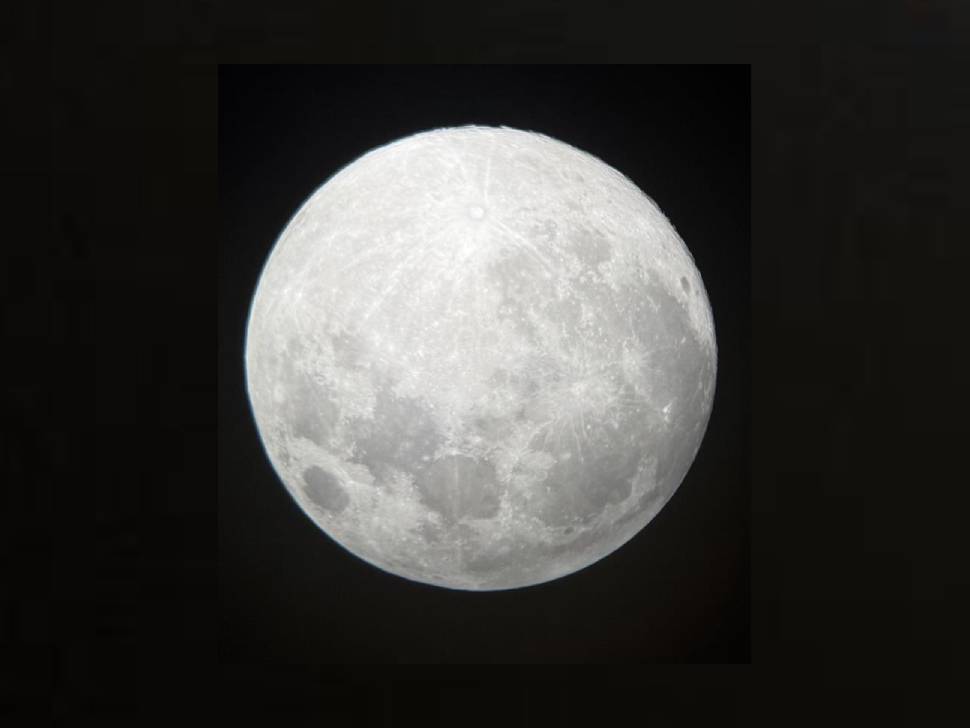
Skywatchers will have a chance to catch February’s full moon — known as the Snow Moon — on Sunday, Feb. 1.
“You should be able to see it all night if you have nothing blocking your view,” says Grady Warwick, a local Grade 10 student and astronomy enthusiast.
The moon will be visible with the naked eye, making it easy for casual observers to enjoy.
Warwick notes that using binoculars or a small telescope can enhance the experience.
“You’ll get a much more detailed look.”
He says the name, Snow Moon, comes from the typically high accumulation of snow this time of year.
While the Snow Moon is sometimes compared to a supermoon, Warwick says the difference is subtle.
A supermoon appears slightly larger and brighter as it’s closer to the Earth, whereas a Snow Moon is a “little less bright,” though still “quite a spectacle.”
This will be the second full moon of 2026.
Despite its name, the Snow Moon doesn’t bring any changes to the moon itself — but it remains a seasonal highlight during one of the snowiest times of the year.