
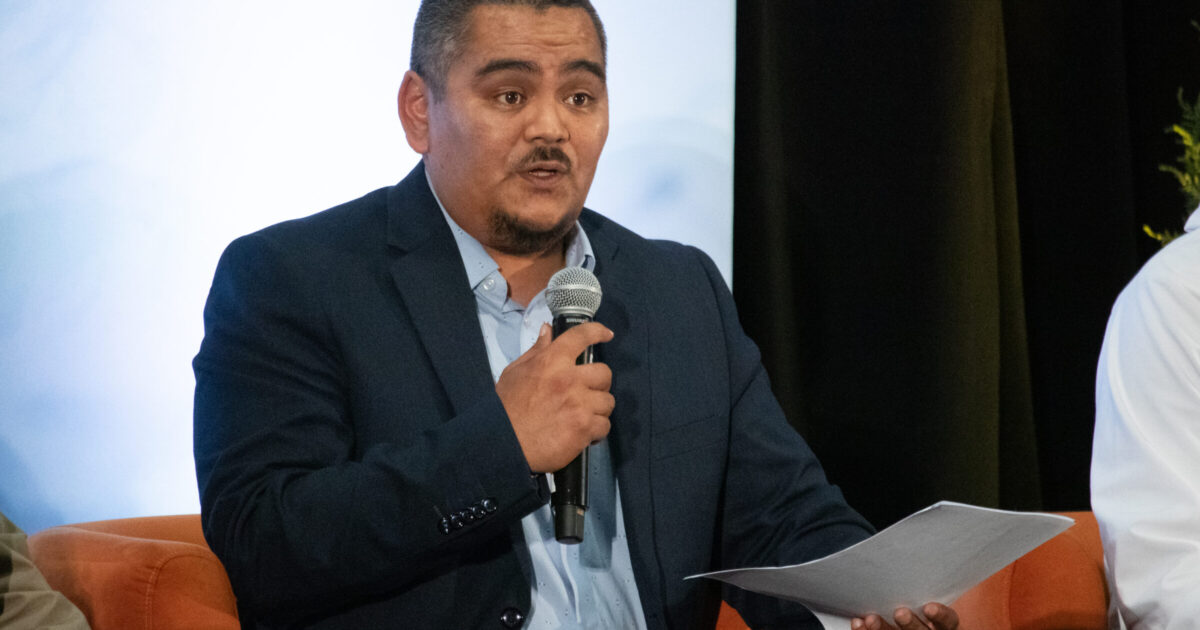
Jeremy Tunraluk’s NTI resignation tests higher standard for public figures, presumption of innocence
Everyone knows the legal system is based on the “innocent until proven guilty” principle, yet people often have a tendency to believe “where there’s smoke, there’s fire.”
Jeremy Tunraluk’s resignation as Nunavut Tunngavik Inc.’s president shows how difficult it is for public figures to carry on when they get into legal trouble.
Police charged Tunraluk with assault on Dec. 3, but six weeks later the Crown stayed the charge, bringing the case against him to a halt on Jan. 15.
He was on an unpaid leave following the charge. But on Jan. 21, NTI’s board of directors passed a resolution recommending Tunraluk be removed from the elected position he won a year earlier.
NTI’s spokesperson told a reporter the board felt Tunraluk “failed to meet the high standards of conduct expected of Inuit leaders.”
For his part, Tunraluk said, “They don’t seem to understand ‘innocent unless proven guilty’” and cautioned about trying to “get rid of an innocent person who was elected.”
The episode plunged NTI, the organization responsible for ensuring terms of the Nunavut Agreement are kept, into an unexpected 11-month presidential election campaign.

It’s understandable to expect a high standard of conduct from public figures, including politicians, police, executives and other community leaders.
But it’s hard to say what the right way is to balance that higher standard with the presumption of innocence. When leaders are charged, should they be expected to resign right away? Or should they be permitted to stay on until they have their day in court?
In Nunavut, other careers have been derailed by criminal charges that were later dropped or where the accused was acquitted at trial.
In 2021, Merlin Recinos stepped down as mayor of Igloolik when he was charged with sexual assault. He insisted he would defend himself in court and he was found not guilty when the case went to trial two and a half years later.
In Iqaluit, Joanasie Akumalik resigned his city council seat in 2022 after he was charged with aggravated assault. He pleaded not guilty, and a year later, the charge was dropped.
The judge told him, “The Crown has provided no evidence of that, so you are found not guilty.”

But the damage was done. Held to a higher standard, he gave up his seat and Iqaluit residents were denied the experience he brought to council.
But in 2024, Hudson Bay MLA Daniel Qavvik kept his job after he was charged with assault. He did, however, resign his cabinet post. Court records show that a Daniel Qavvik pleaded guilty six months later, was put on probation, and returned to the legislature in May 2025.
So NTI’s president is forced to resign after a criminal charge, even though the charge was stayed. But an MLA kept his job following a similar charge, even though he pleaded guilty. (He was re-elected in last year’s territorial election.)
There’s no handbook that governs how to deal with these situations. Every one is handled differently. It’s unfortunate, because that results in an inconsistency in what the public can expect from its leaders.