
Modern smartphones are expensive devices, and if you’re not careful, the costs can spiral even further. There are some common smartphone habits that could be costing you a significant amount of money.
Keeping subscriptions you don’t use
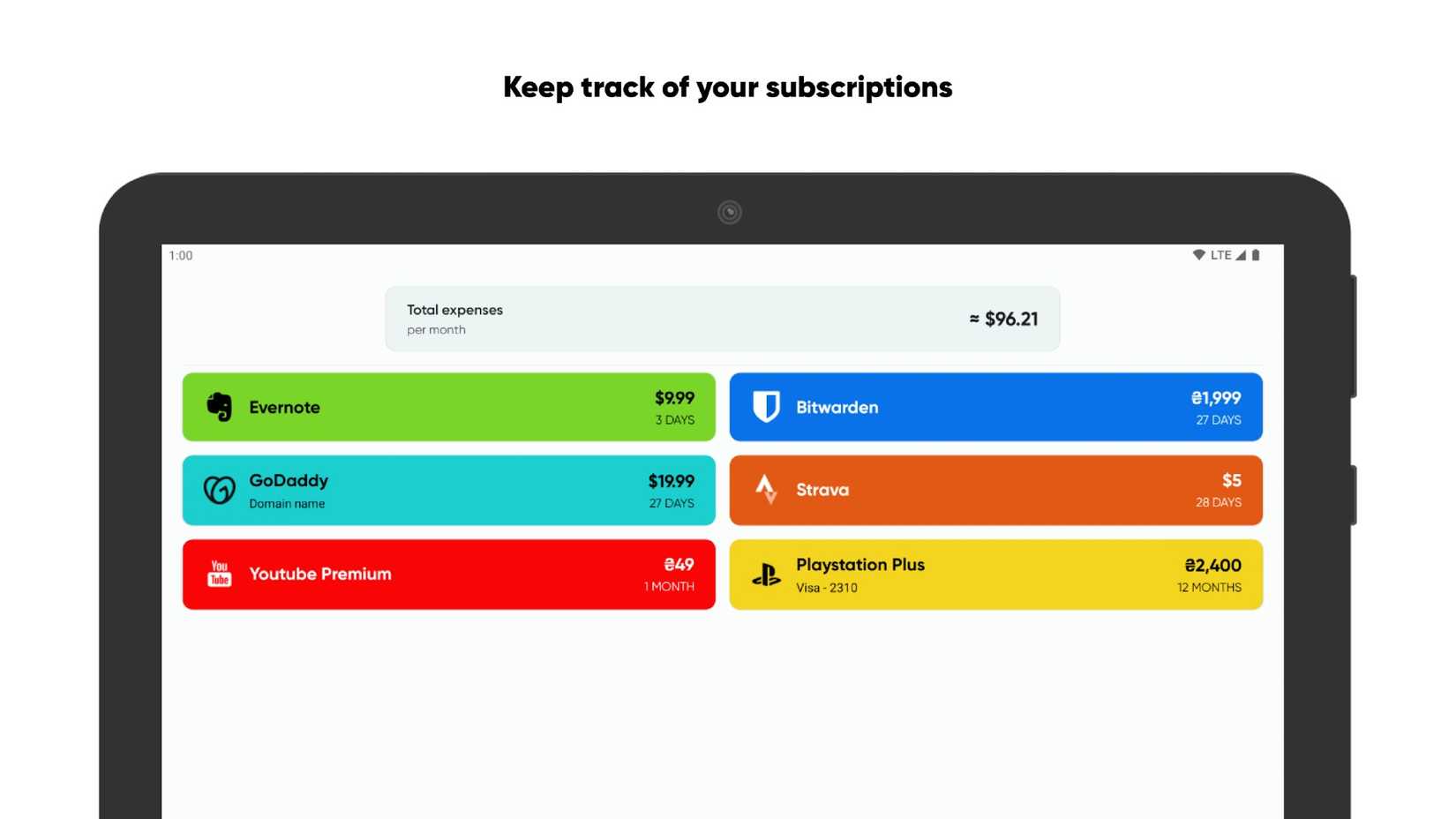
Subscribing to apps is incredibly easy. So easy, in fact, that you can often forget that you’ve got a subscription and continue paying for an app that you don’t even use. This is particularly true for apps that you pay for yearly; you may have forgotten about the app for months, only for it to suddenly renew, hitting you with a large bill.
Credit: Pavlo Rekun
It’s worth taking a regular audit of your app subscriptions or using a subscription tracker and canceling any that you’re no longer getting value from. You can also set reminders for renewal dates, or even consider self-hosting alternatives to popular apps to save paying the subscription fees.
Many apps also offer free trials that automatically convert to a paid subscription after the trial ends. In many cases, you can cancel these trials immediately, and you’ll often still be able to use the app until the trial period ends, without worrying about getting charged at the end of the trial.
Paying for unnecessary cloud storage
Even with hundreds of gigabytes of internal storage, you can quickly fill up your smartphone with photos, videos, music, apps, and more. The simple option at this point is just to pay for cloud storage so that you can offload some of the data, and your phone may even suggest this to you. You then end up paying a monthly subscription just to keep those 8000 selfies that you took and have never looked at since.
Credit: Lucas Gouveia/How-To Geek | Chantal de Bruijne/Shutterstock
A cheaper alternative is to get rid of the things that are eating up all your storage space. Videos are a common culprit, along with duplicate photos, and media from apps such as WhatsApp. Clearing out the clutter can save you from having to pay for more cloud space.
You should also be wary of doubling up on cloud services. Paying for iCloud storage and a Dropbox subscription probably isn’t the cheapest way to maximize your storage options. You might also want to consider self-hosting your own cloud storage.
Upgrading perfectly good phones
The newest model of your favorite phone has just been released, and it’s a micron thinner than your current one, so you must have it. When you stop to think about it, however, are you really getting an upgrade that’s worth paying as much as four figures for?
If you do upgrade, there are likely to be further costs involved. You may need to shell out for a new case, screen protector, insurance, and more.
Credit: Lucas Gouveia/How-To Geek
The likelihood is that if your current phone is only a year or two old, it’s probably more than adequate for your needs. The biggest issue is likely to be a battery that’s not as healthy as it once was, but replacing the battery can be significantly cheaper than buying a new handset.
Unless there’s some amazing feature that you really need, upgrading your phone every year is unlikely to be cost-effective. My iPhone 15 Pro is more than two years old, and I see no need to replace it any time soon.
Related
7 Tips to Keep Your Smartphone in Top Shape for Years
Increase the lifespan of your smartphone with these tips.
Using mobile data unnecessarily
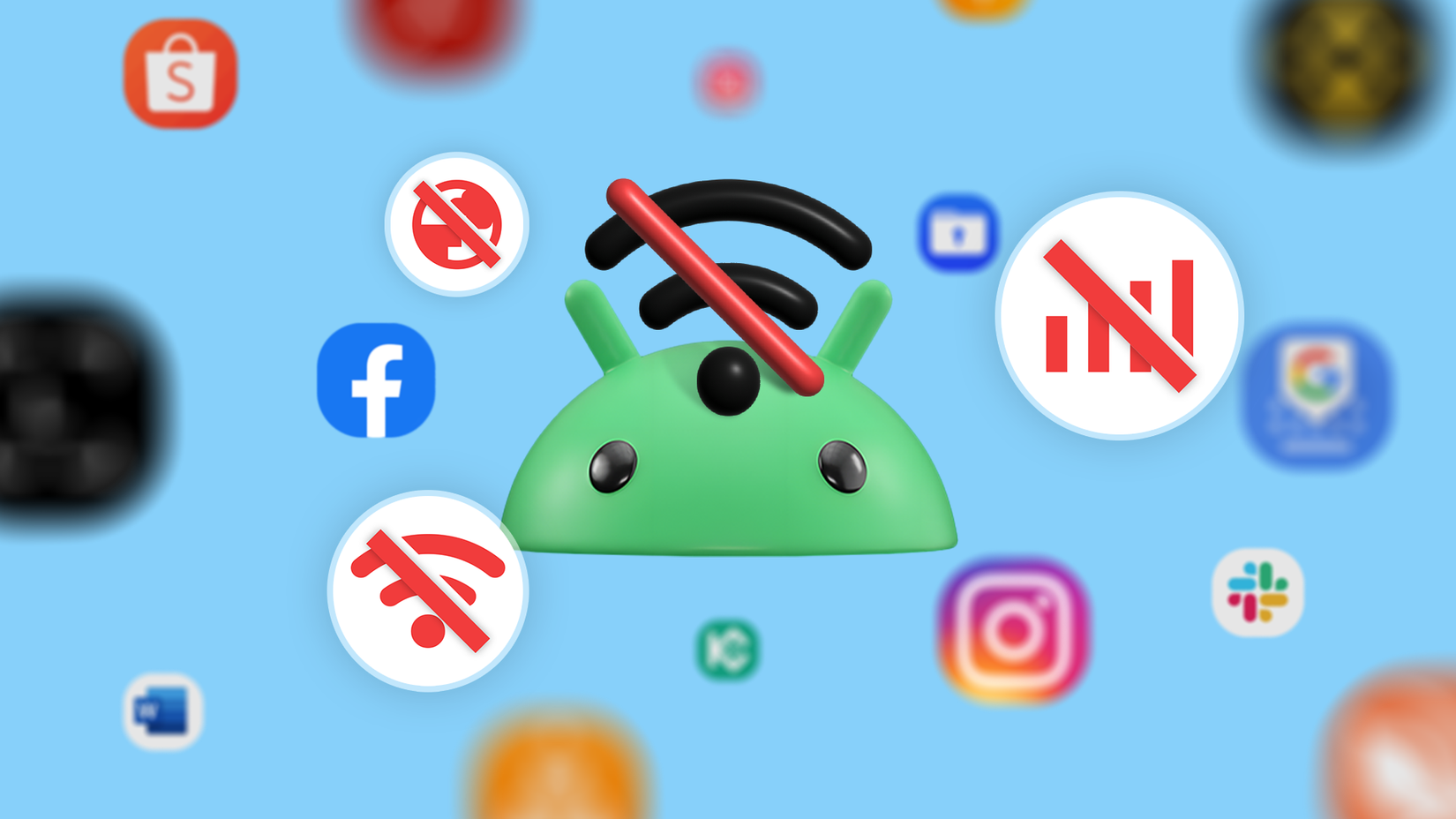
There are additional costs associated with owning a phone. One of the most obvious is your data plan. There will be plenty of times when you’re unable to connect to a Wi-Fi network, at which point you’ll start using mobile data.
Credit: Lucas Gouveia/How-To Geek
If your plan has a data limit, you can end up using up your allowance, and being forced to pay for more. To reduce the risk of this happening, change settings such as turning on low data modes when necessary, disabling high-definition media streaming when you’re away from home, and ensuring that app updates only happen when you’re connected to Wi-Fi.
Even if you have an unlimited data plan, these changes are still worth making. You may have speed caps or fair-use limits on your plan, so being frugal with your mobile data may still make sense.
Overpaying for phone plans
On the flip side, there’s no point paying for an unlimited data plan if you only ever use a limited amount of mobile data each month. Phone plans with data limits can often be much cheaper than unlimited plans, and there’s no point paying for data that you’re never going to use.
Credit: Lucas Gouveia / How-To Geek | Dragana Gordic / Shutterstock
Many carriers allow you to see how much data you’ve used each month in their apps. You can use this information to figure out what data plan you should go for, by opting for a plan that’s higher than your typical monthly usage. You might want to add in a buffer to ensure that in months you when use more mobile data than usual, you’re not at risk of running out and having to pay for more.
Related
8 Top Tips to Save Money on Your Phone Bill
Every bit of money you can save helps your budget.
Using “buy now” financing instead of paying outright
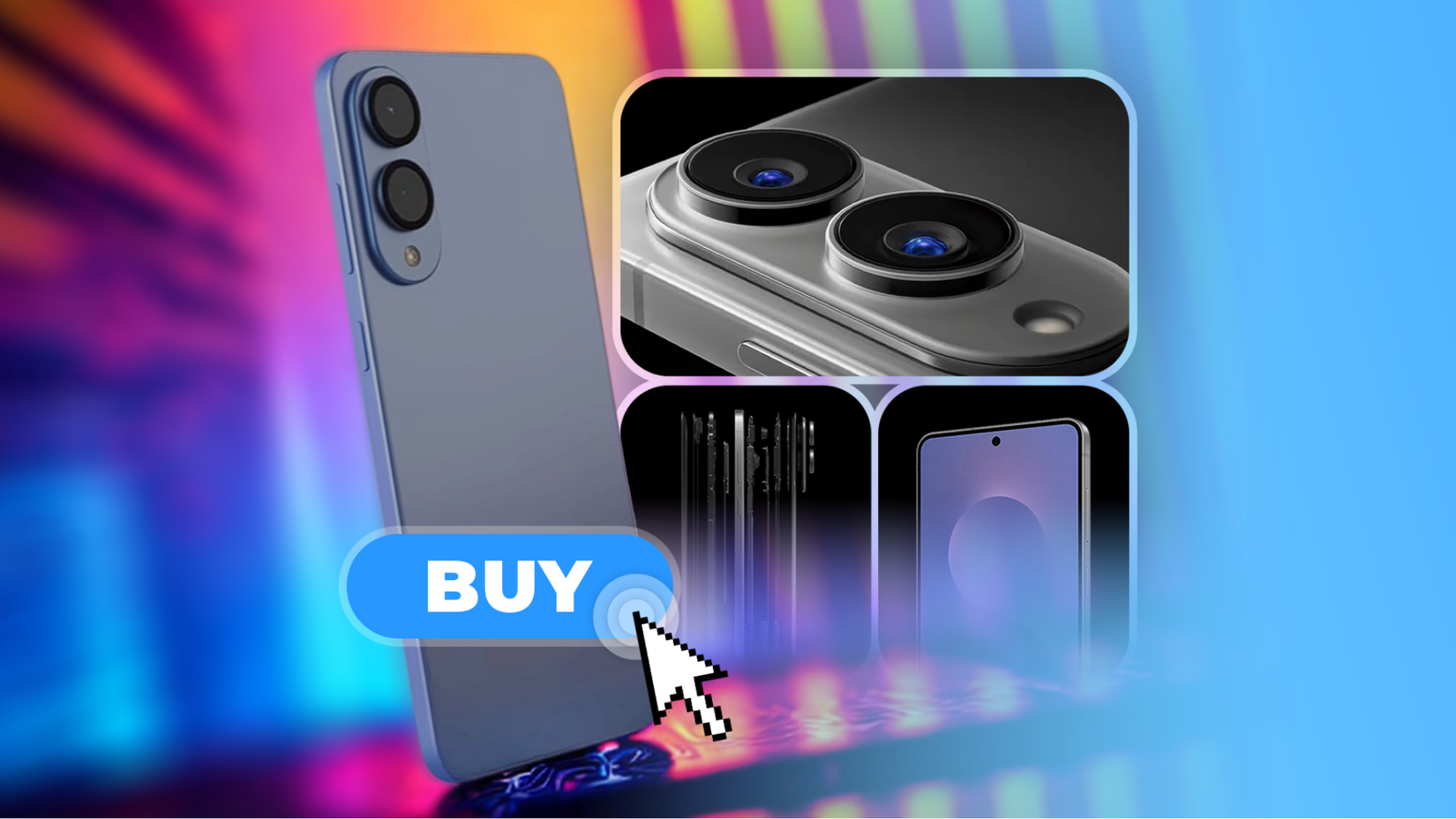
Smartphones can be incredibly expensive. That’s why you’ll see a lot of offers that will let you have a new phone for a small upfront payment, followed by smaller monthly payments. This can seem like an easy way to get your hands on a new phone.
However, these deals can sometimes include hidden costs such as interest payments and missed-payment penalties. You also end up being locked into a payment plan, meaning that if you don’t like your phone, you still have to keep paying for it for potentially years to come.
Credit: Lucas Gouveia/How-To Geek | Samsung | MINIByte.Tech/Shutterstock
Buying a phone outright can be a cheaper option. If you do need to use finance, make sure that you choose a payment plan that doesn’t include interest, or you’ll end up paying more than the phone is worth. If you can’t afford to buy the latest phone outright, other options such as buying used, or buying a refurbished model can save you a lot of money.
Flagship smartphones can cost more than $1,000, and with RAM prices going crazy, those prices are very likely to keep getting higher. While the price of a smartphone is beyond your control, you do have the power to reduce the associated costs a little. With the money you save, you may even be able to afford your next smartphone upgrade a little sooner.