
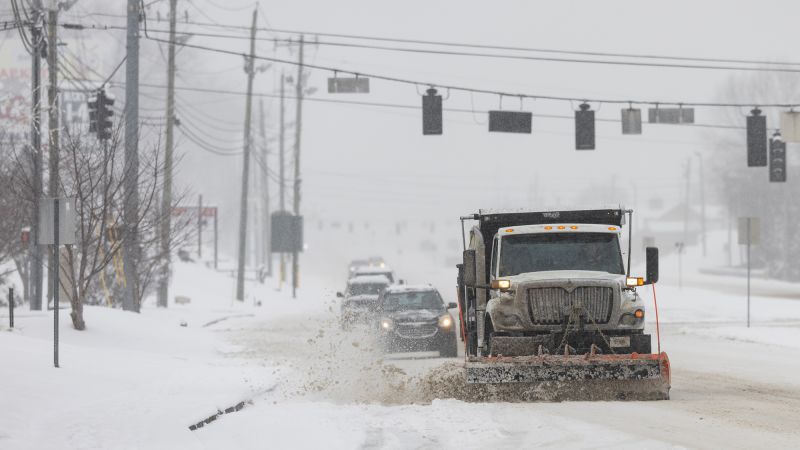

It was snowing throughout much of the Southeast this weekend. In Florida, it was raining iguanas.
Florida’s record cold temperatures can cause reptiles and amphibians, including iguanas, to “temporarily lose muscle control and appear ‘frozen’ — sometimes even falling out of trees,” according to the Florida Fish and Wildlife Conservation Commission.
But, Floridians, if you were worried about the paralyzed iguana in your backyard, relax: An executive order by the FWC provides a “unique opportunity” for people in south and southwest Florida to remove frozen green iguanas from the wild without a permit and bring them to one of FWC’s offices, the organization announced in a press release Friday.
The FWC will collect iguanas to “humanely kill” the invasive species or transfer them to live animal sales.
“Invasive species management is a high priority for the FWC because these animals negatively impact native fish and wildlife, cause damage that is costly to repair, and can pose a threat to human health and safety,” the organization said.
Do not bring “frozen” iguanas into your home to warm up, the FWC warns, because they can recover quickly and “act defensively.”
Instead, put the iguana in a breathable cloth sack or bag that can securely shut, and bring the iguana to FWC as soon as possible. The organization also advises people collecting iguanas to wear protective gloves, pants and long-sleeved shirts to prevent scratches.