
NASCAR and USA Luge are beginning a unique collaboration in which the motorsports operator will provide technical assistance in exchange for marketing and brand opportunities.
American luge athletes at the 2026 Milan Cortina Olympics will wear NASCAR branding while the vehicular engineers have already begun supporting the sliding Olympians with technological support, particularly through aerodynamic engineering and computational fluid dynamics (CFD).
“NASCAR obviously is the face of racing in the United States, and we’re part of the Olympic movement,” USA Luge CEO Scott Riewald said. “We both have strong passion for USA, but also are aligned on things like speed, technology and elite level performance. Just a lot of ways that we can help each other and promote the brand.”
The connection was brokered by an introduction from NASCAR’s CFD partner, TotalSim, which had been in contact with Mike Levine, USOPC senior director of performance pathways and innovation. NASCAR traveled to USA Luge headquarters in Lake Placid last September, and Chief Brand Officer Tim Clark helped create the deal that will also include NASCAR content on NBC Sports YouTube shows, athlete appearances and more.
And NASCAR’s engineering team under VP of Vehicle Performance Eric Jacuzzi can apply their expertise to a related, but distinct problem. Stock cars may drive 200 mph compared to a luge athlete sliding at 90 mph, but there are also learnings to be shared about materials and the use of advanced computing techniques.
“It energizes people,” Jacuzzi said. “Obviously, they’re excited about being associated with the [Olympic] team, but then it’s interesting from us where you tend to get stuck in a rut of thinking. It’s really good for my team as far as, how do we solve this new problem and make progress?”
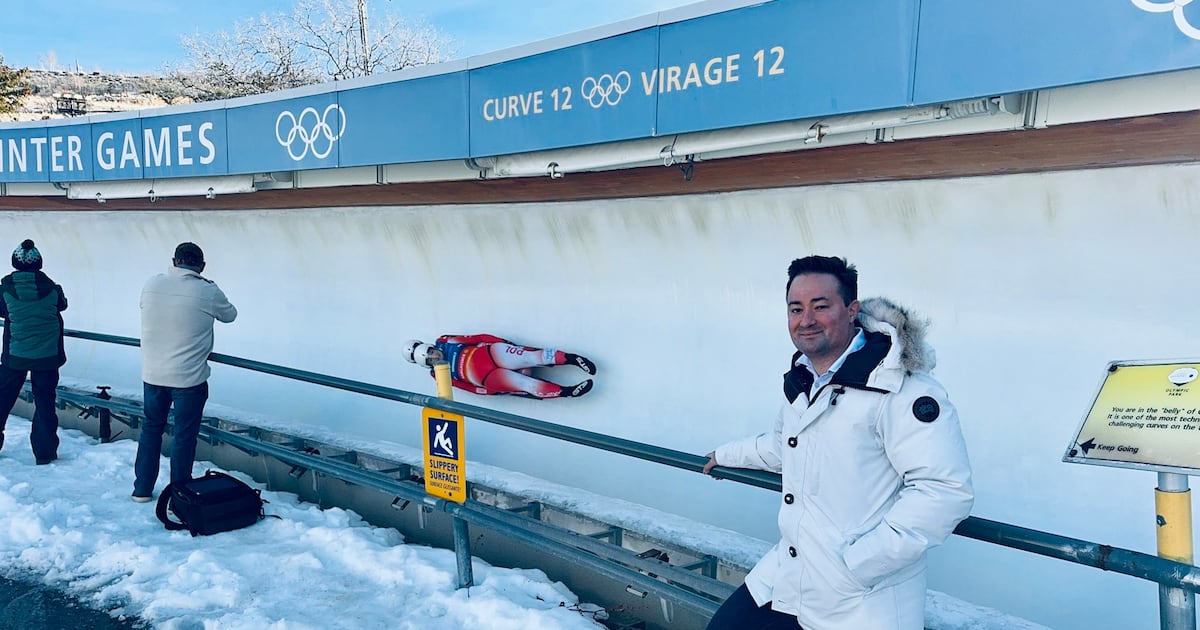
NASCAR and its 3D scanning partner, Digital Reality, traveled to Park City for a World Cup luge competition in December. Jacuzzi said luge athletes and their sleds were scanned so they could be rendered in a CFD model. Then, they would 3D print life-size models to put in a wind tunnel for testing.
Riewald said USA Luge hasn’t had the in-house capabilities to do such testing and made a special point of praising the technical team at NASCAR as being helpful and collaborative.
“The expertise that exists within NASCAR, combined with our sport-specific knowledge really opens up some doors to dig into some questions,” said Riewald, who previously held a role similar to Levine’s as senior director of high performance projects at the USOPC.
In its work with USA Luge, Jacuzzi said the technical work holds a long-term objective, making incremental gains over time with a particular focus on building toward the 2034 Winter Olympics that will return in Utah. This is NASCAR’s first foray into performance modeling of another sport, but in 2023 it partnered with defense engineering firm Leidos on a project to design a Lunar Terrain Vehicle.
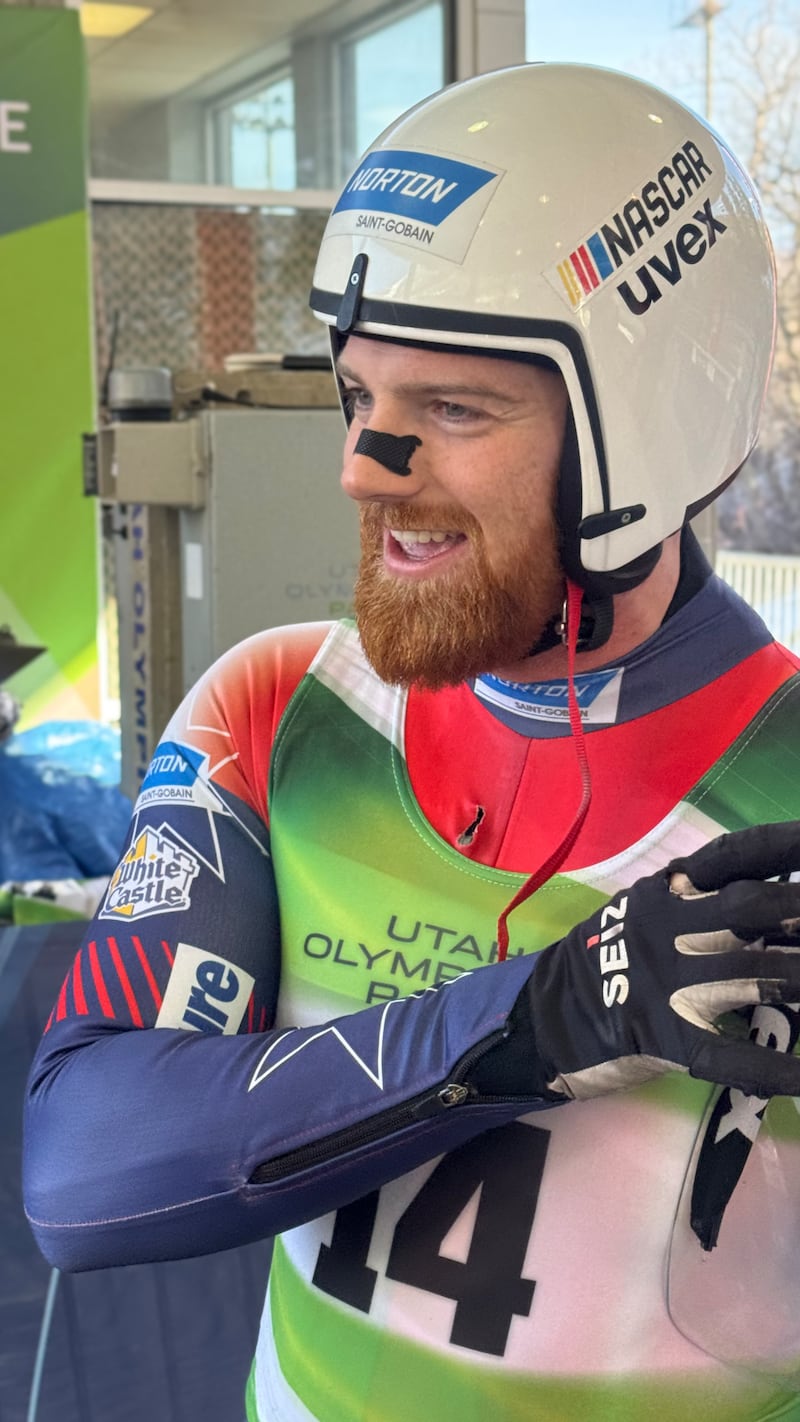 Olympian Jonny Gustafson wears the NASCAR logo on his luge helmet. Courtesy of NASCAR/Eric Jacuzzi