
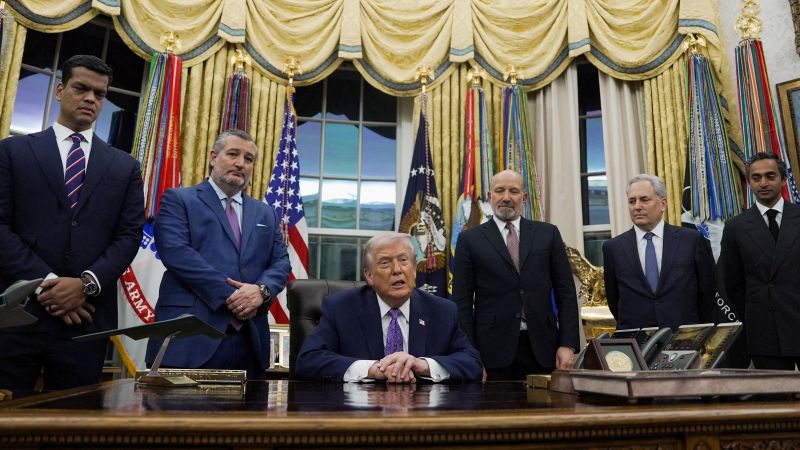
A monthslong power struggle over the future of artificial intelligence spilled into Vice President JD Vance’s office in November, when two of President Donald Trump’s allies met face-to-face for a frank conversation.
David Sacks, the White House AI czar, had spent 2025 trying to tuck language into must-pass federal funding bills that would have wiped away state AI regulations and left Congress with limited new oversight of the powerful technology. But Mike Davis, a longtime Trump legal adviser skeptical of the president’s new tech allies, twice helped rally conservative activists and lawmakers to stop it. Trump, meanwhile, had grown publicly frustrated at the lack of progress on one of his top priorities.
In Vance’s office, Davis, known for his combative style, accused Sacks of trying to run over Congress and impose artificial intelligence on the country without sufficient safeguards, according to two people with knowledge of the meeting. Sacks countered that he was simply carrying out Trump’s desire to unleash an AI boom, and Davis was getting in the way.
Vance ultimately encouraged Sacks to work with Davis. A few weeks later, Trump signed an executive order, shaped in part by both men, that aims to block states from enforcing their own artificial intelligence regulations and directs his administration to team up with Congress to create a “single national framework” for AI. The order is widely expected to face legal challenges.
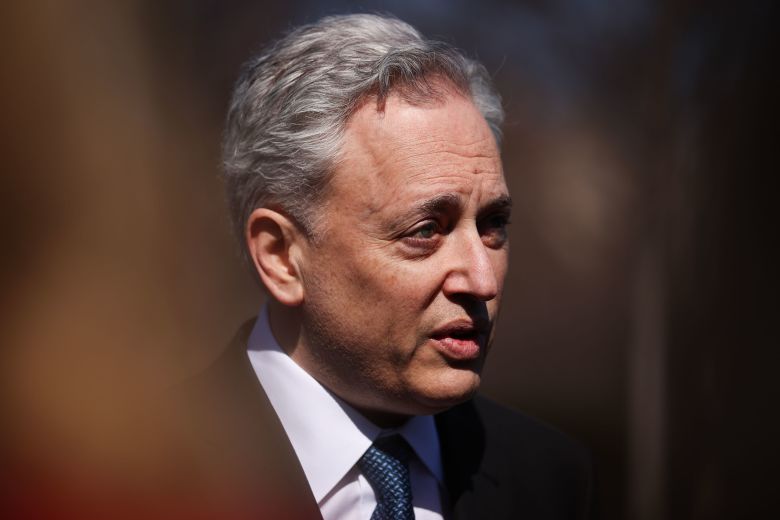
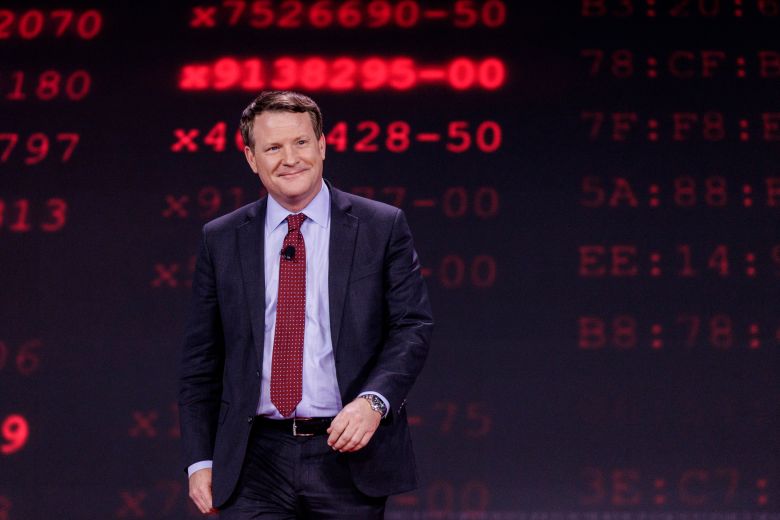
The episode laid bare a growing fault line within Trump’s coalition over how aggressively to unleash a technology that is rapidly reshaping society and the economy. On one side are increasingly influential tech leaders and their allies. On the other are working-class voters fearful of job disruption; cultural conservatives worried about child safety; and MAGA loyalists who view the industry with deep suspicion.
While the uneasy alliance delivered Trump a short-term victory, the battle over AI is just beginning — and Congress may be the next front. In anticipation, tech companies have hired hundreds of lobbyists and donated millions of dollars to congressional campaigns, and they are stockpiling cash in AI-friendly super PACs ahead of the midterms. Opponents are also preparing to mobilize.
“We’re going to fight like hell,” Steve Bannon, a former Trump adviser and a leading tech critic, said on his podcast after the president signed the executive order. “So don’t think that anybody is placated.”
‘Sand gods’ vs. ‘civil liberty’
Trump has already moved quickly to boost a technology that, by some measures, helped prop up the US economy through much of his first year back in office. With Sacks working as a special White House adviser on artificial intelligence and cryptocurrencies, Trump laid out a framework last summer to fast-track AI projects. To gain an edge in the AI race against China, his administration also took a 10% stake in the chipmaker Intel Corporation and imposed 25% tariffs on foreign chips.

But Trump has made clear he wants to go further, promising to deliver for tech companies the regulatory freedom they crave. Many of those companies are among the largest financial backers to his political operation and his new White House ballroom.
“We have the big investment coming, but if they had to get 50 different approvals from 50 different states, you can forget it, because it’s not possible to do,” Trump said when he signed the executive order.
Opposition to these efforts has emerged from influential voices within Trump’s own movement. Bannon has positioned his influential “War Room” podcast at the vanguard of a growing wave of anti-tech populism. Davis is a regular guest.
So is Joe Allen, a leading AI skeptic and “War Room” contributor who has traveled the country trying to urge conservative audiences to push back against tech CEOs and their plans to force their technology on humanity.
“They are ultimately aiming toward building sand gods,” Allen said. “And I fear there are enough credulous people in the world that whatever comes out of these research projects will be worshipped as a god.”
The risks of the administration’s embrace of AI are beginning to crystalize heading into an election year. Half of Americans say they are more concerned than excited about AI’s increasing intersection with their lives, according to a Pew Research Center poll from September, while just 10% feel more excited than concerned.
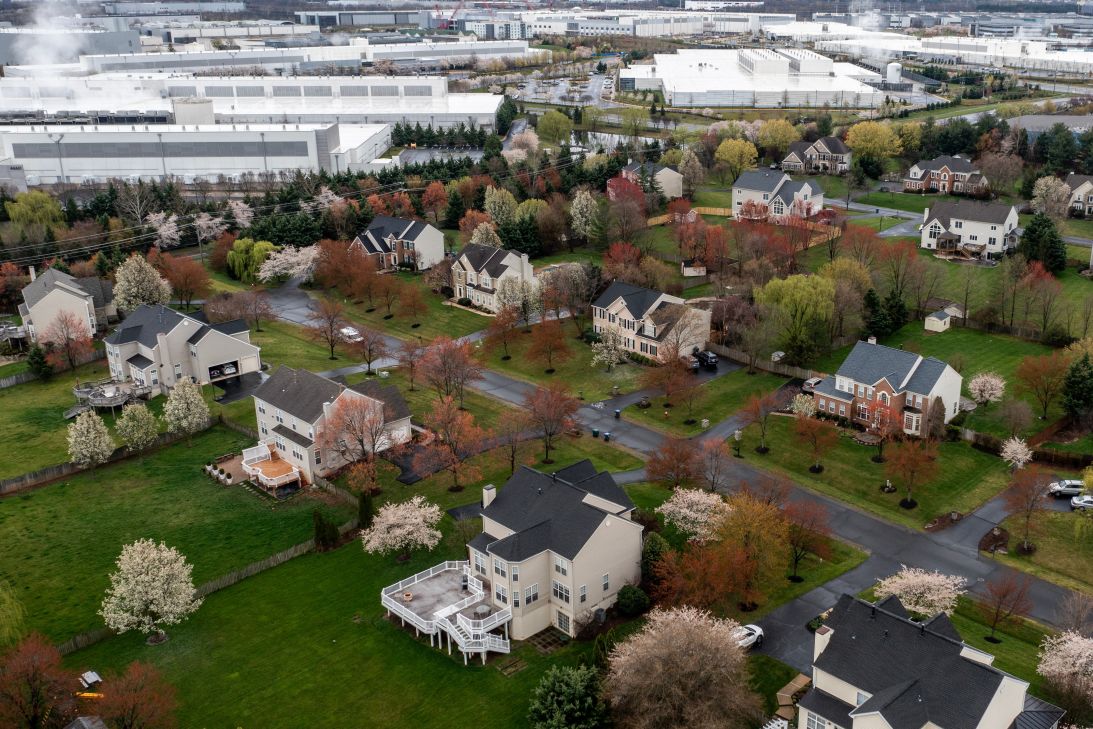
In communities of all political stripes, local leaders are responding to public pressure to block or slow AI projects, especially data centers. Increasingly, candidates for office are blaming rising utility bills on energy-hungry AI companies.
Sacks has argued the “very visceral” conservative disdain for AI stems from hostility toward Big Tech dating to the pandemic and from lasting fears about social media. He says that’s misguided.
“I don’t think that people on the right who are concerned about civil liberty should want the government to play this super-intrusive role in AI,” he said on his podcast.
But one Republican who advises tech clients on political strategy told CNN that AI companies should be concerned by growing backlash because “there’s a potential in the long run for Trump to see political headwinds and walk away from AI.”
“It should be a genuine concern of the industry,” said the person, who asked not to be named in order to speak freely. “I think that’s why there’s so much discussion from proponents about the national security risks of losing the AI race to China. They’re trying to box Trump into a corner.”
Some Republicans are already breaking from Trump’s full embrace of AI.
When language banning state-level AI regulations first surfaced in a congressional budget reconciliation package that carried much of Trump’s legislative agenda, 17 Republican governors sent a letter calling on Congress to strip it from the bill. In Florida, Gov. Ron DeSantis has pushed ahead with proposals for his state to put its own safeguards around AI, defiantly declaring, “We’re not going to give up any rights.” Sen. Josh Hawley, meanwhile, has held hearings to admonish AI executives for failing to protect children.
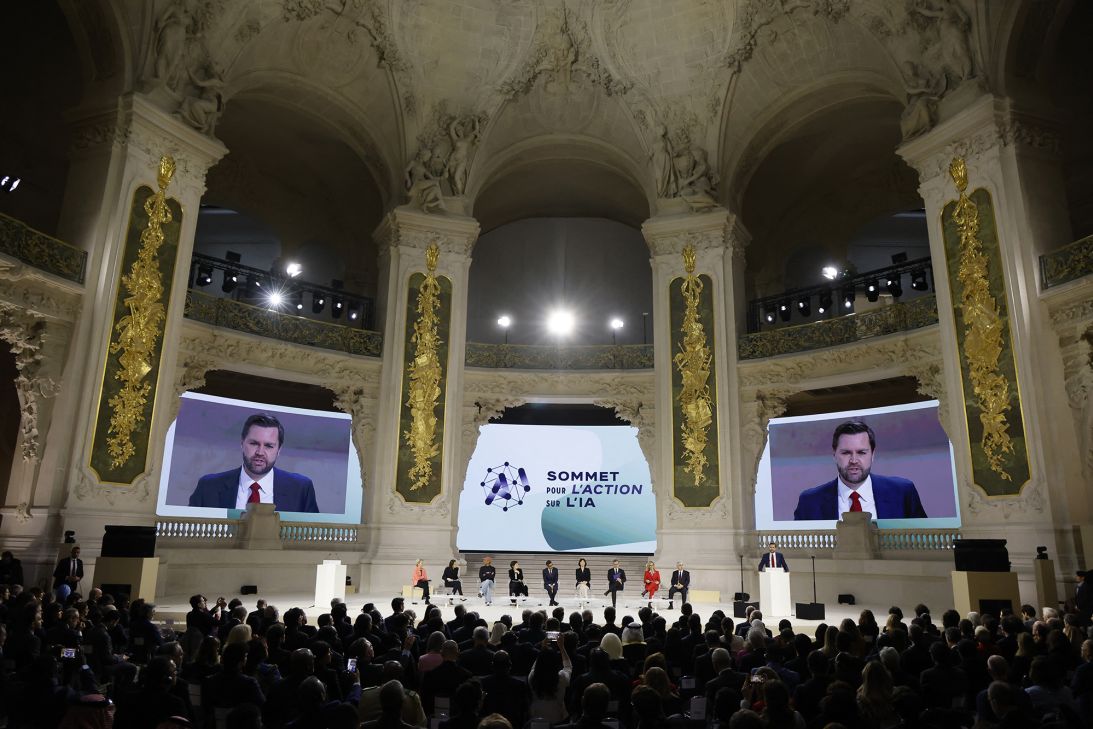
As more Republicans stitch anti-tech stances into their political brands, the backlash is creating challenges not only for Trump, but also for Vance, his most likely successor. The vice president has long tried to straddle a line between his deep ties to Silicon Valley and his populist roots — a tension on display in the Davis-Sacks meeting in his office.
“The path to power in America is through the anti-tech oligarch gate,” Bannon said to CNN when asked about this emerging divide. “You have to be hard, consistent and authentic.”
Even among Trump’s AI cheerleaders, there is a growing realization that public sentiment is quickly shifting against the technology. In December, Sacks and the co-hosts on his “All-In” podcast acknowledged that the industry had been slow to respond to mounting public fears and criticism during a conversation with conservative commentator Tucker Carlson, an outspoken AI critic.
Carlson pressed the hosts on concerns ranging from energy consumption to job disruption and “the potential this gets completely away from us and eats us.” But he also mocked the technology’s uneven public rollout.
“Who’s in charge of the marketing for this?” Carlson asked.
“I don’t know,” Sacks replied. “Me?”
The fast-changing sentiments have forced a shift in tactics from the White House.
The final executive order Trump signed was noticeably scaled back compared with a draft that leaked in November.
Unlike that version, the final copy said his administration “must act with the Congress” on a national AI standard. The order also won’t apply to state protections for minors or regulations of data centers, two critical carve-outs that Davis had long demanded.
“We’re very much at the table and driving this process,” Davis said on Bannon’s podcast after Trump signed the order.
Sacks did not respond to a request for comment. Davis also declined to address the meeting in Vance’s office, telling CNN: “I am not going to talk about my private discussions with White House officials.”
“But David Sacks is a good man who is working with me in good faith for the best AI policy for President Trump,” he added.
On Capitol Hill, there is for the first time real momentum for lawmakers to shape the future of AI and respond to growing voter backlash over the technology. For much of 2025, Congress was effectively sidelined while factions within the White House debated how much latitude to give Sacks and tech executives, said a Republican Senate staffer with knowledge of the negotiations. But the executive order “should be the kick in the pants lawmakers need to act,” the staffer said.
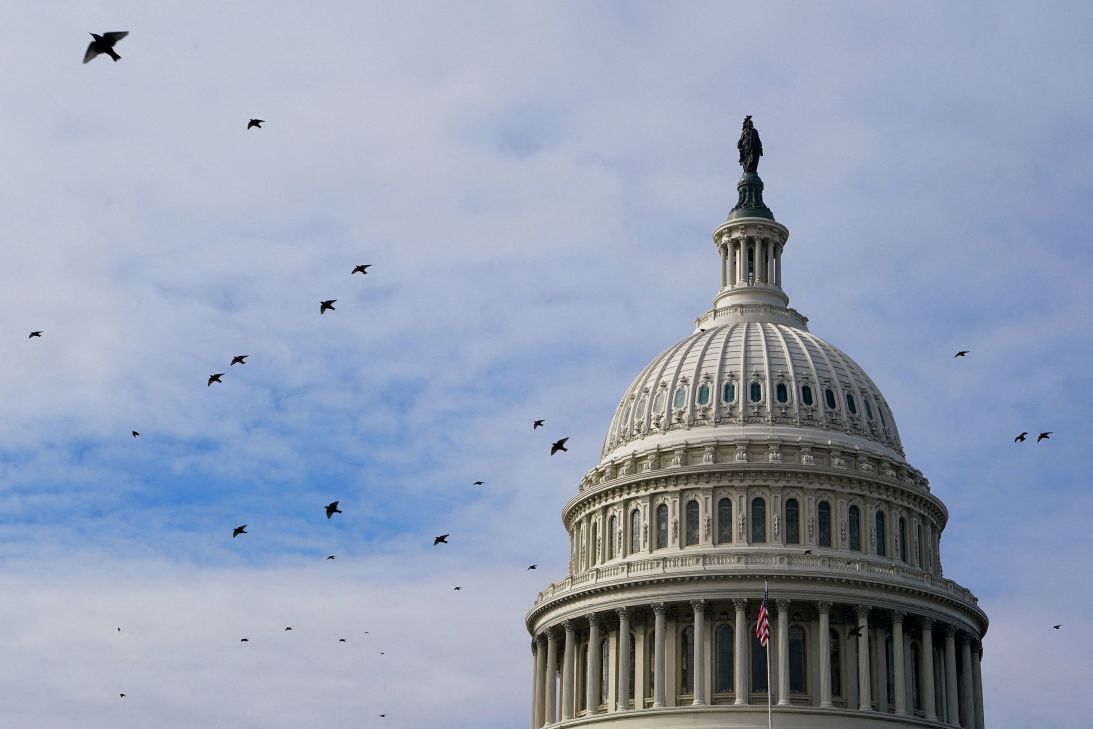
Sen. Marsha Blackburn, a Tennessee Republican who has worked closely with Davis, is expected to introduce new national AI rules in the coming weeks. Trump, though, has tapped Texas Sen. Ted Cruz, an ally of the tech industry, to take the lead on legislation.
Any legislation would likely need Democratic support to pass the Senate, and the minority party has yet to articulate its own strategy for regulating AI. Democratic senators previously banded together to block AI language from the reconciliation package, but a broader split remains between lawmakers optimistic about AI’s potential and those eager to crack down on the technology.
A Senate deal must also get through the House and Majority Leader Steve Scalise, who tried last year to tack on to the National Defense Authorization Act a blanket ban on state AI laws before Davis, Blackburn and others mobilized opposition.
After multiple defeats, AI advocates have quietly urged Sacks and Scalise to move off that approach.
Late last year, the pro-Trump super PAC Building America’s Future released survey data from the president’s favorite polling firm that suggested Americans want Congress to set AI policy, rather than a patchwork of states. But their data also showed voters overwhelmingly supported legislation protecting children from AI’s more problematic powers.
The polling was intended to signal a potential path forward for Scalise and other aligned Republicans in Congress — one that could be supported by Big Tech but also address some looming child safety concerns that those in the pro-family wing of the GOP have with AI, according to a person with knowledge of the strategy.
One Republican working with groups advocating against state regulations called the political landscape a “minefield” for the GOP.
“We represent working people, and if we’re not sensitive towards the impact on jobs, no question, there’s going to be political cost to that. If we’re not sensitive to protecting children, no question” there will be a political cost, the person said. “I think the president’s aware of that.”

As the 2026 fight heats up, major players in the AI industry have become more versed in the ways of winning influence in Washington.
Greg Brockman, the co-founder and president of OpenAI, a company at the forefront of the artificial intelligence boom, gave $25 million to the pro Trump super PAC MAGA Inc. last year. Another super PAC, called Leading the Future, is backed by industry interests and has amassed about $100 million to target anti-AI candidates.
But that will only go so far, advocates acknowledge, and a change in the AI narrative might be needed to combat a vocal opposition.
“Lots and lots of Americans are scared of AI and don’t understand it,” said former Arizona Sen. Kyrsten Sinema, who launched the AI Infrastructure Coalition this year to advocate for the industry. “AI companies haven’t done the most excellent job of helping people see AI in their daily lives. That story needs to be told.”
Elon Musk recently argued that within two decades, AI automation and robotics will eventually make work optional, humans will have everything they need and most people will live off a universal income. Jason Calacanis, an angel investor and Sacks’ “All-In” co-host, called for “a Manhattan Project” that the country can rally around. It would include “10 new cities with 10 million new homes and free health care for everybody and free education for trade schools,” he said.
“That’s what solves the problem,” he said. “That’s what nobody’s doing.”
But those fantastical scenarios have hardly appeased the loudest dissenters. Allen called Calacanis’ proposal a plan for “how to replace everyone and keep the population placated.”
Carlson, for his part, dismissed such utopian visions as “the thing that offended me most about the AI conversation.”