
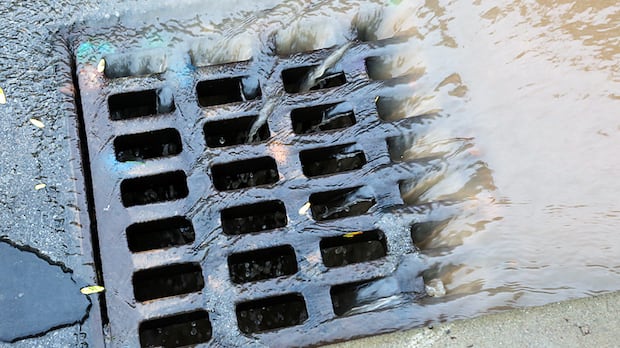
Homeowners might see yet another change to how their water bill is calculated.
This comes after an initial program council approved in 2024, which promised that a majority of homeowners would see bills drop, actually increased them.
Council approved a fix last year and have now locked in rates the city says ensure most homeowners will see this year’s water bill come in under the 2024 amounts for similar water usage.
But budget documents state that’s led to a year’s deferral of sewer enhancement work previously planned for 2026, and warn rate increases may be needed to stick to Windsor’s sewer master plan.
Mayor Drew Dilkens has issued a strong mayor directive asking staff come back to council with changes to the program that:
show clear and transparent information for all customers with an ability to control costs.ensure large storm water contributors pay their fair share of storm water fees.ensure residential customers continue to achieve savings when compared to the former program.ensure sufficient funds are generated to cover all storm water expenses and related infrastructure investments as contemplated in the City’s sewer master plan.
“I need them to look at this to make it simpler, to keep it transparent, to make sure that residents are saving money but find a way that makes it easier for businesses,” said Dilkens during this year’s budget meeting.
“There are just so many points of friction and frustration with the implementation of what was supposed to be a good idea.”
Why have water bills changed?
Property owners are now billed separately for waste water and storm water management after the changes approved by council in 2024.
It’s been described by the city as a “fair share” model that shifts costs from homeowners and on to commercial or industrial property owners.
That’s because storm water fees are now calculated based on the size of impenetrable areas on a property — areas covered by surfaces like asphalt, because water runs off into the sewer system.
The initial program experienced what Dilkens described as a “hiccup” after homeowners did not see the savings they were initially promised in the early part of 2025.
How did that affect the city’s budget?
City council approved changes to the program and set rates based on the previous promise that most homeowner’s water bills would be lower than 2024.
That’s led to a shortfall in the storm water and wastewater budget, which is also seeing a rise in costs because of increased staffing costs and inflationary pressures.
The city will withdraw the combined total of $5.5 million from a $19.5 million dollar reserve fund to maintain the budget and ensure critical work is completed.
But some sewer enhancement projects planned for 2026 will now be moved to 2027.
Staff write in budget documents that using reserves to transition to the new program is “should not be considered sustainable” if it wants to continue funding the city’s sewer master plan.
The $5 billion plan was created after record rainfalls led to thousands of basements getting flooded during storms in 2016 and 2017, with predictive models suggesting more severe storms will occur more frequently because of climate change.
“Reasonable annual increases will be required in the future in order to meet the capital and operating expenditures which will be necessary to maintain, upgrade and improve wastewater and storm water treatment facilities,” state the budget document.
City treasurer Janice Guthrie said options could include using grant funding from upper levels of government or revisiting the master plan.
“Right now, we have sufficient reserves to manage the budgets that we pushed forward with the rates that we previously approved,” she assured council during budget deliberations.
What are the frustrations with the current plan?
Dilkens said he wants to change the program to make sure businesses can keep costs down while residents continue to save money.
Joe Mikhail, who owns about two million square feet of commercial and industrial property in Windsor-Essex, has been a critic of the program and wants it returned to the old billing system.
“I stopped building because the costs are too high here,” he said.
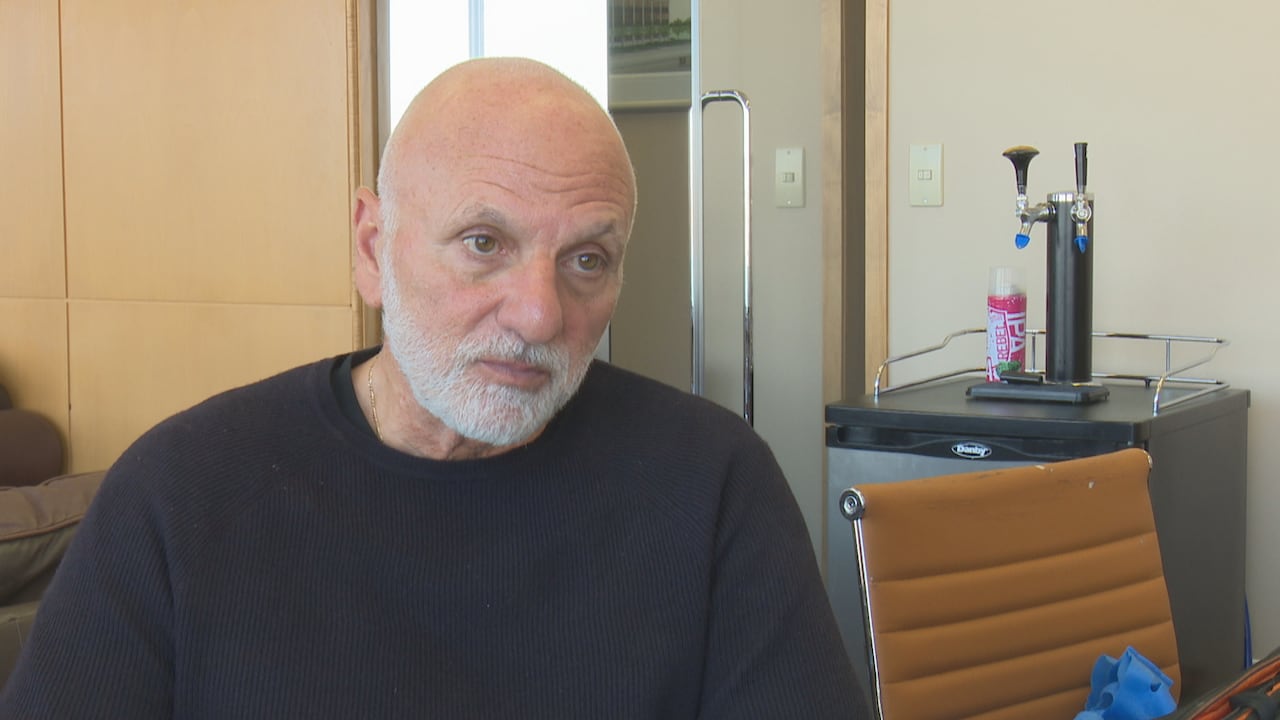 Joe Mikhail said that he’s tried to change his properties to fit the credit criteria but it hasn’t worked. (Dale Molnar/CBC)
He said eight properties in his Windsor portfolio now sit vacant after tenants left because of rising costs, which he said includes the new storm water fee.
When asked for an example of the changes to some of his properties Mikhail cited the plaza he owns at Walker Road and Provincial Road.
“The cost, which the tenants were probably absorbing, was about $100,000 a year spread over all these stores,” said Mikhail.
It rose to more than $250,000 under the new system because of the large asphalt parking lot that does not absorb water during rain storms, instead sending it into the city’s sewer system.
How does the credit system work?
Mikhail said parking minimums required by the city prevent him from scaling back the parking lot.
The city offers a credit system to property owners that reduce storm water runoff through approved methods, but Mikhail said it’s not effective.
Non-residential property owners can receive credits that cover portions of their bill.
That’s if they can prove that 75 per cent of runoff water flows directly to the Detroit River or Lake St. Clair or the property has its own stormwater management system.
Mikhail said he spent more than $10,000 on engineering reports required to apply for a credit after installing expensive stormwater tanks underneath a development on the east end.
“They said, well, it’s still not sufficient. So I throw my hands up in the air. I spent enough money, we walk away from it,” said Mikhail.
Dilkens said he’s heard some property owners have paid $100,000 to complete engineer reports while applying for credits.
City staff will bring back a report to council that they will need to consider for approval.
“The last thing we want to do is disincentivise businesses,” said Dilkens, who thanked staff for working with property owners through their problems.
It’s not clear when that report will return to council.