
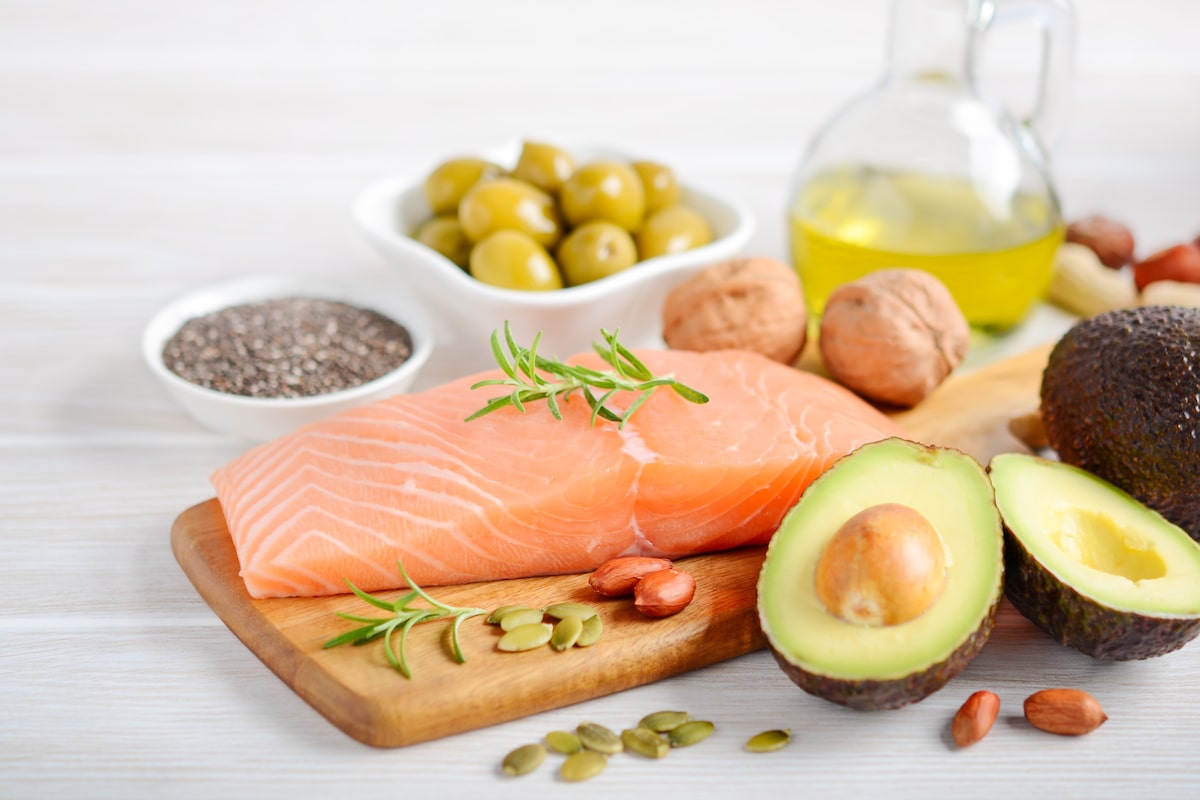
JulijaDmitrijeva/iStockPhoto / Getty Images
On Jan. 30, registered dietitian Leslie Beck answered reader questions on the keys to healthy aging, which habits can improve cognitive health and longevity, and how to manage a diet that can last decades.
Beck, one of Canada’s leading nutritionists, is the Clinical Director of Food and Nutrition at Medcan and author of The Globe’s Food for Thought column.
Readers asked about brain health, what the right amount of protein is, and more. Here are some highlights from the Q&A.
Brain health
What are your thoughts on tofu as a brain-healthy food?
I would definitely consider tofu, made from soybeans, a brain-healthy food for a few reasons. First, it’s a great source of polyphenols called isoflavones, which evidence suggests may support brain health and protect against cognitive decline, especially in older adults. Higher intakes of soy foods have been linked to improved memory, attention and processing speed.
Whole soy foods like tofu are also nutrient-dense supplying nutrients essential for normal brain function such as magnesium, zinc and iron.
Plus, soybeans are a good source of choline, a B-like vitamin that’s crucial for the proper functioning of the brain and nervous system. It’s used to build strong cell membranes and the fatty sheath that protects nerve fibres. And choline is needed to produce acetylcholine, a brain chemical that is important for memory and mood. Two large observational studies have also linked higher choline intakes to better performance of memory tasks in healthy adults.
Want to focus on healthy aging in 2026? Here are 10 nutrition tips to start the new year
Do stress and anxiety affect cognitive health? How can our diet help us reduce stress and anxiety?
Chronic stress and anxiety can significantly impair cognitive health, affecting memory, concentration, and learning. It also causes “brain fog,” making it difficult to concentrate, learn new information, and recall details.
While diet can’t cure anxiety – nor can it take the place of medication – research suggests that some food strategies may help reduce symptoms.
Eating a diet that’s low in added sugars and emphasizes vegetables, fruits, whole grains, lean proteins, nuts and beans and lentils guards against anxiety. In contrast, a “Western-style” diet consisting of refined grains, highly processed foods and sugary foods increases the risk.
Consider including oily fish in your weekly diet too. Studies have linked a higher intake of oily fish and docosahexaenoic acid – an omega-3 fatty acid found in fish – to a lower risk of anxiety disorders in children, adults, and pregnant women. Salmon, trout, sardines, herring, mackerel, and anchovies are good sources of omega-3 fatty acids.
Avoid food and beverages that can worsen feeling anxious or stressed. Limit or avoid caffeine and alcohol, which makes some people feel jittery. Drink water throughout the day; even mild dehydration can worsen mood.
Leslie Beck says studies have linked a higher intake of oily fish and docosahexaenoic acid – an omega-3 fatty acid found in fish – to a lower risk of anxiety disorders in children, adults, and pregnant women.Ivo Gretener/iStockPhoto / Getty Images
Can intermittent fasting help the brain?
Researchers are studying how intermittent fasting may affect brain health. The most popular version, called time-restricted eating, involves restricting eating to an eight-hour window and fasting for 16 hours. In some versions, the eating window is six or 10 hours.
Animal and lab studies suggest that intermittent fasting helps the brain use energy more efficiently. When you go several hours without eating, your body switches from using sugar to using a fat‑based fuel called ketones, which may help brain cells work better and become more resilient to stress.
In healthy adults, however, short‑term studies don’t show clear improvements in memory or thinking skills from intermittent fasting. This may just mean brain benefits may be subtle or may occur over the long‑term.
Some research hints that time‑restricted eating may be helpful when it aligns with our body’s natural day–night rhythm, or circadian rhythm. Eating earlier in the day may be more supportive of brain and metabolic health than late‑night eating.
The bottom line: intermittent fasting may support brain health by improving energy use, lowering inflammation, and supporting brain cell resilience. But memory benefits in healthy adults have not yet been proven.
Over all, diet quality, sleep, exercise, and stress management matter just as much, if not a lot more, than intermittent fasting.
Getting more protein
I will be 75 this year, working and staying active. I think I am lacking in protein as I often feel tired and sluggish. Any suggestions?
After age 60, age-related muscle loss speeds up. An increased intake of protein is needed because, as we age, our body becomes less efficient at turning dietary protein into muscle. Experts recommend that older adults consume 1.2 grams protein per kilogram body weight per day.
For a 170-pound person, that translates into 93g of protein per day. If you do resistance training, aim for 1.6g of protein per kg each day. That’s an additional 30g of protein for a 170-pound person.
It’s also important to spread your protein intake evenly during the day to optimize muscle mass and strength. Doing so is associated with higher muscle strength scores, compared with skewing protein intake to dinner. Eating too little protein at breakfast and lunch won’t adequately prime muscles to take up amino acids.
If you find you do eat enough protein at each meal and you still feel tired, I recommend you consult your health care provider. There may be another dietary or medical reason you are feeling sluggish.
Whole foods are your best bet for getting your daily protein, Beck says.fcafotodigital/Getty Images
I’ve heard wildly different recommendations on how much protein I should have per day. What is your recommendation and how much of this can come from protein powder?
Whole foods are your best bet for getting your daily protein. That’s because they check off far more nutrient boxes than protein powders. In addition to protein, whole foods provide vitamins, minerals, and, in the case whole plant proteins, dietary fibre and many protective phytochemicals.
That said, it’s not always possible – or convenient – to get all of your daily protein from whole foods. That’s where a high-quality protein powder can come in handy. Most animal-based protein powders, such as whey, supply 25g to 30g of protein per serving, usually a 28-gram scoop. Plant-based protein powders typically contain 20g of protein per serving.
If you need to rely on protein powder to help you need your daily needs, I recommend sticking to one serving a day.
Lifestyle adjustments
Can I realistically expect my cholesterol numbers to improve by adjusting my regular diet and exercise regime? My doctor is suggesting statins but I’m reluctant to start them if I can achieve success naturally.
Lifestyle modification, especially diet, is considered the first-line treatment in lowering LDL cholesterol. It is generally recommended that all patients try these recommendations first for three to six months, sometimes in conjunction with statins. Your doctor’s recommendation to either start statins or initiate lifestyle changes is based on a combination of your LDL cholesterol level, your 10-year cardiovascular risk score, and the presence of key cardiovascular risk factors like diabetes or history of heart disease.
The most effective dietary changes include reducing saturated fat intake (e.g., limiting fatty cuts of red meat, high-fat dairy products like butter, cream, cheese and ice cream as well as highly processed foods) and, at the same time, increasing your intake of soluble fibre (e.g., oats, psyllium, beans, lentils) and plant protein (e.g., beans, lentils, soy).
Have high cholesterol? Follow the Portfolio Diet, even partially, to lower your level
I find I eat a much healthier diet if I clean and prep my food in advance, in larger quantities that will last several days. Taking this approach is the only way to ensure I will incorporate lots of fresh vegetables into my diet. Does this advance prep reduce the nutritional value of the food items?
It is so much easier to stick to a healthy diet if you are organized. And for many people, me included, that means meal planning in advance and meal prepping in advance.
Prepping food in advance may slightly reduce its nutritional value, particularly water-soluble vitamins such as vitamin C and folate. These nutrients may leach out or degrade over time due to oxygen and light exposure. However, this loss is generally negligible, and the benefits of maintaining a healthy diet often outweigh very minor nutrient reductions.
Chopping, peeling and cooking can cause minor losses of certain minerals and vitamins. Storage, too, can affect nutritional value. The amount of nutrient reduction is heavily determined by how long the food is stored and at what temperature.
To retain the most nutrients, store prepped foods in airtight containers and consume them within three to four days. This time frame also helps ensure the quality of food is maintained (e.g., texture, flavour).
If you run out of prepped vegetables during the week, don’t forget to lean on frozen vegetables! Frozen vegetables (and fruit) often have higher levels of nutrients than out-of-season fresh ones. That’s because they’re harvested at peak ripeness, a time when produce is most nutrient-dense (and flavourful), and then quickly flash-frozen.
Questions and answers have been edited for length and clarity.