
NEED TO KNOW
The South Carolina measles outbreak has spread outside the Spartanburg County area, the Department of Health said in a Feb. 3 update
There are now 876 confirmed measles cases in the state.
The outbreak was first reported on Oct. 1, with eight cases confirmed in the state’s upstate region
The measles outbreak in South Carolina has spread outside of the Spartanburg County area, the state’s Department of Health said in a Feb. 3 update. Officials announced there are now 876 confirmed measles cases in the state — and 788 of those sickened are confirmed to be under 18.
Along with the 29 new cases, the health department said there are 354 people in quarantine until Feb. 24, and 22 people in isolation. The report says that 233 of those sickened are under age 5, and 555 are between the ages of 5 and 17.
“DPH has also confirmed a case of measles in a Sumter County resident. At this point in the investigation, it is not yet clear whether this new case is linked to the Upstate outbreak centered around Spartanburg County or if the case may have been exposed where measles is occurring in other locations,” the statement said.
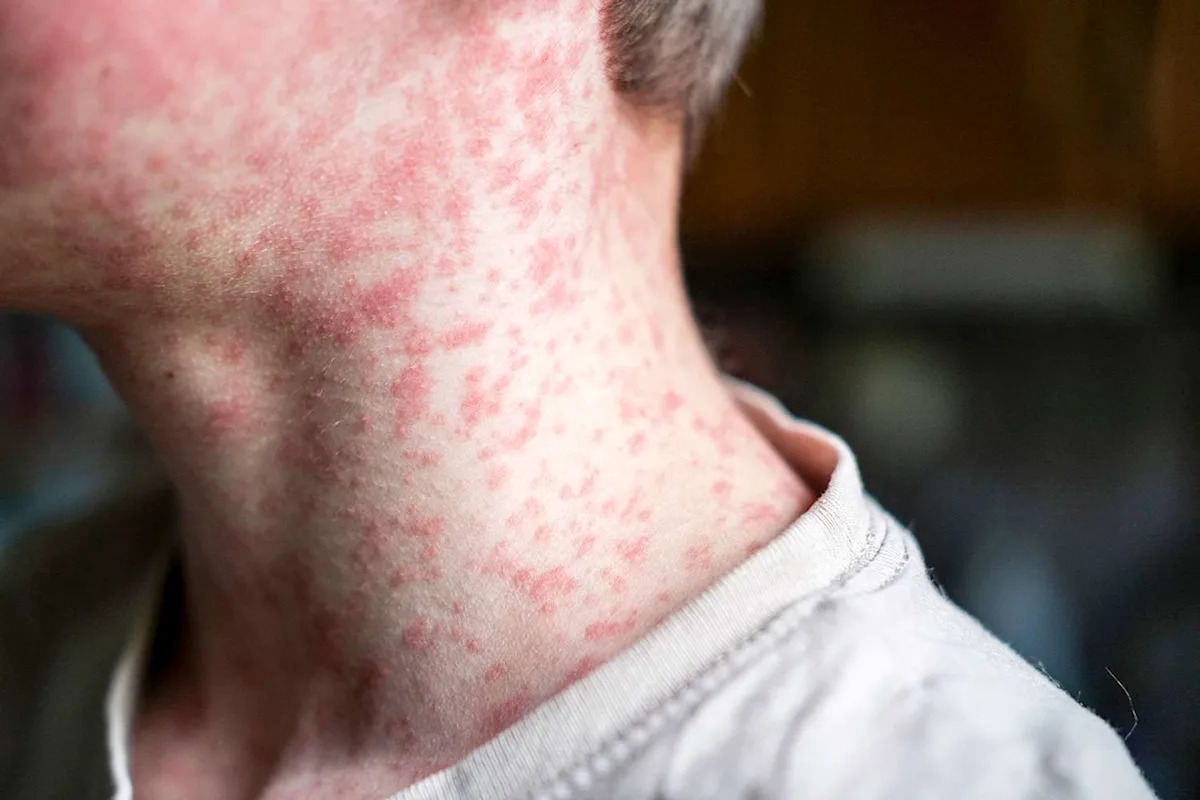
 Stock image of a child with measles.
Getty
Sumter County is located several counties south of Spartanburg County, where the outbreak of the wildly infectious virus began in October. Since then, cases have steadily climbed, and in the second week of January, they doubled. Last Friday, there were 847 cases.
Those exposed to infected people have been quarantined, health officials say, including many from elementary schools. The most recent report from the South Carolina Department of Health cites Mariachis Mexican Restaurant, the grocery store Food Lion, and a Walmart as sources of exposure.
In South Carolina, 91.2% of kindergarteners are vaccinated, the U.S. Centers for Disease Control data says; That’s well below the threshold to meet herd immunity, which the agency explains helps stop the spread of the disease: “When more than 95% of people in a community are vaccinated (coverage >95%), most people are protected through community immunity (herd immunity).”
The agency’s most recent data says that 94% of those infected with measles in 2026 were not vaccinated with the measles, mumps, and rubella (MMR) vaccine, which the CDC says “is very safe and effective.” It’s a two-shot series: The first dose is administered between 12 and 15 months of age and the second shot comes between 4 and 6 years.
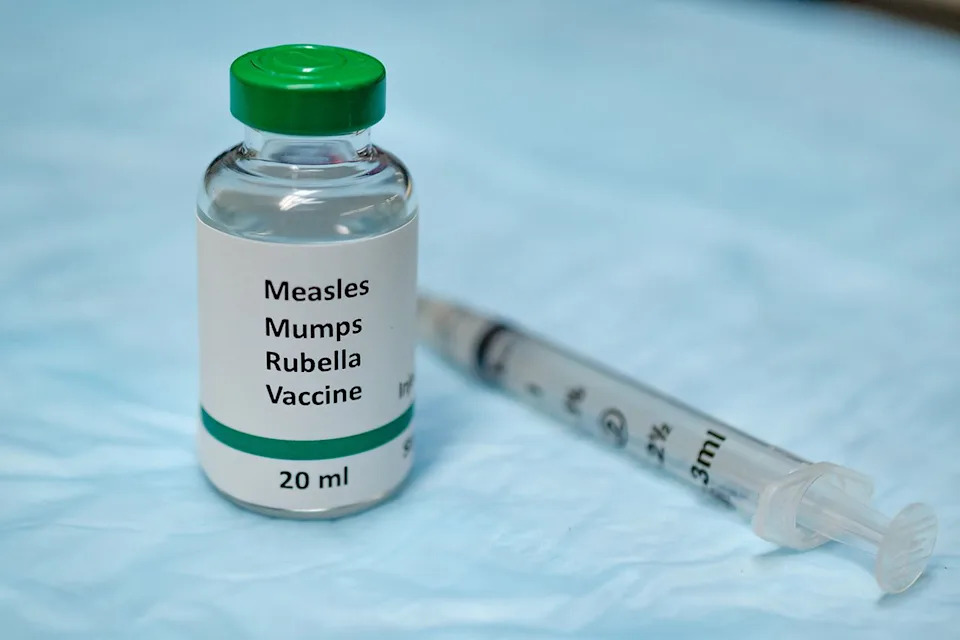 Stock image of the MMR vaccine.
Manjurul/Getty
Never miss a story — sign up for PEOPLE’s free daily newsletter to stay up-to-date on the best of what PEOPLE has to offer, from celebrity news to compelling human interest stories.
Some adults may not remember getting the shots — or if they were born before 1957, traditional guidelines considered them immune. Measles was so widespread before the vaccine’s introduction in 1963, medical professionals assume most people were exposed to it, resulting in some immunity.
The virus isn’t “just a little rash,” the CDC says. Along with the telltale rash, measles can cause a high fever, cough, pneumonia, swelling of the brain (encephalitis), and death. The agency says one in five people with measles will be hospitalized, and one in 20 children will develop pneumonia, which it says is “most common cause of death from measles in young children.”
Read the original article on People