
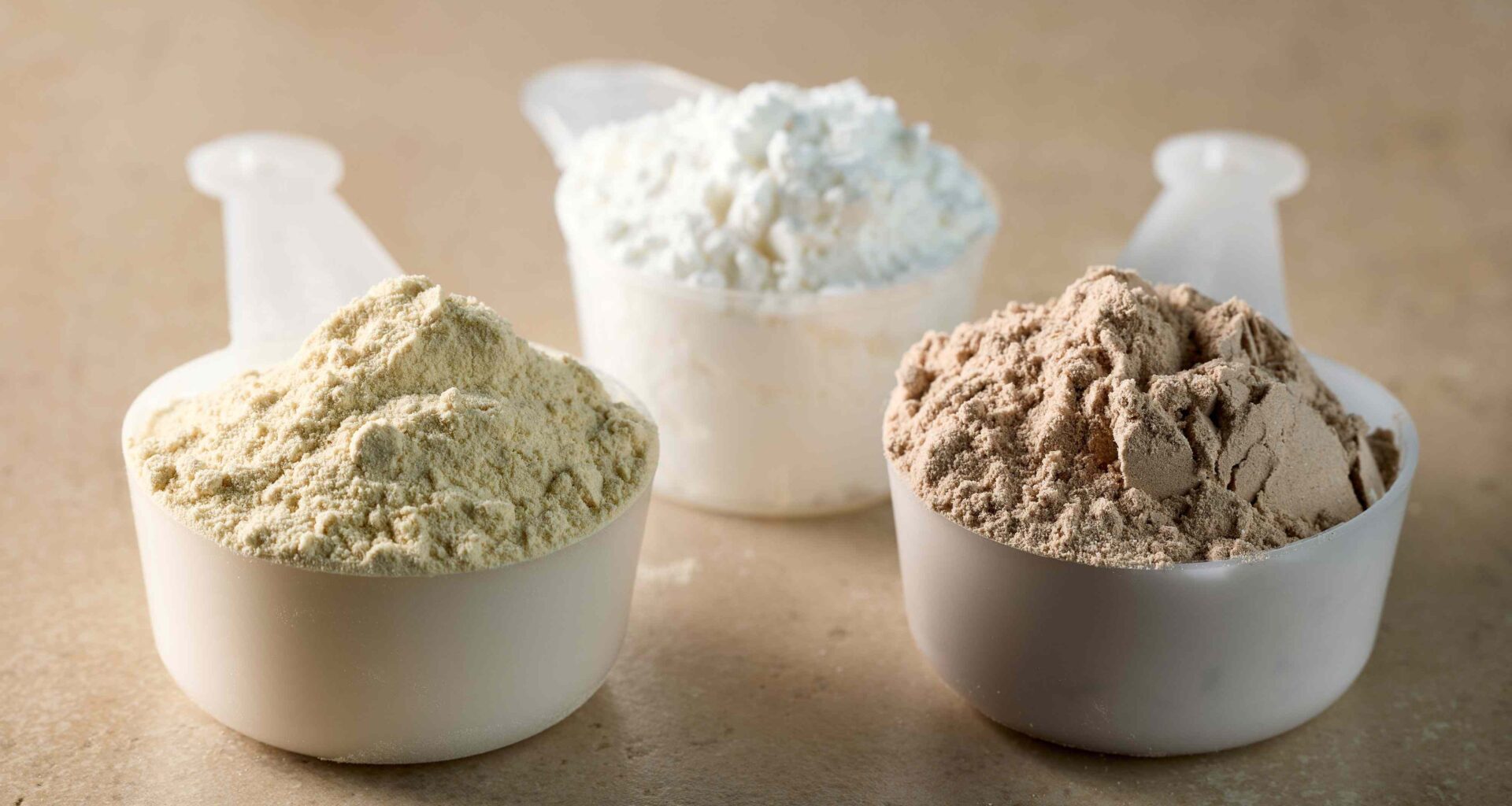
It is generally safe to consume protein powder every day in recommended amounts, provided you have no underlying health conditions. However, excessive protein intake can lead to adverse effects, and individuals with chronic kidney disease may need to avoid high protein intake.
There are insufficient long-term safety studies on protein powders to establish a safe limit. Check the product label for amounts recommended by the manufacturer.
For protein powders (such as whey protein), the recommended daily intake is 20 to 40 grams (g):
Intake of protein powder exceeding 40 g has been associated with adverse effects, including worsening acne and digestive issues.It is advisable to distribute protein doses every three to four hours throughout the day to minimize the risk of side effects.Most protein powders also contain other additives like sugars, fats, and preservatives, which can also impact your health.
People who are diagnosed with chronic kidney disease or at risk of kidney disease (i.e, people with diabetes) may have an increased risk of kidney damage from high protein intake.
In people who are otherwise “healthy,” older studies have raised concerns that high protein intake can lead to kidney damage but further studies have not found this side effect. Most of these studies are short-term, and there is currently insufficient evidence to demonstrate that long-term use of protein powder causes kidney failure.
Talk to a healthcare provider if you are at risk of kidney disease (which may not have symptoms in early stages) before you begin taking protein powder.
Protein powders are widely consumed by people at risk of protein deficiency, as well as to help build muscle mass, optimize fat loss, and prevent muscle loss.
For people at risk of protein deficiency: People at risk of not getting enough protein through their diet may also use protein powder or liquid supplements. The recommended total protein intake (from diet or protein supplements) to prevent deficiency is approximately 48 grams (g) per day for women and 56 g per day for men.
For building muscle mass: The recommended daily protein intake is 1.4 to 2.0 grams per kilogram of body weight (g/kg) to build muscle mass. Athletes who engage in resistance training may require up to 3.1 g/kg of protein per day to maximize retention of lean body mass, particularly when in a caloric deficit (eating fewer calories than they burn).
Some potential side effects of taking too much protein powder include:
Worsening acne: Some studies suggest that taking too much whey protein can lead to the development of acne or worsen acne severity.
Dehydration: High protein intake may also lead to dehydration (loss of body water) due to increased fluid requirements to flush waste products such as urea and other nitrogenous waste.
Increased aggression: While more studies are needed to confirm if protein intake can change behaviors, some studies have found a link between higher protein intake and increased aggression.
Increased digestive issues: Large amounts of protein powder may also cause digestive side effects, including bloating, abdominal pain, constipation, and diarrhea.