
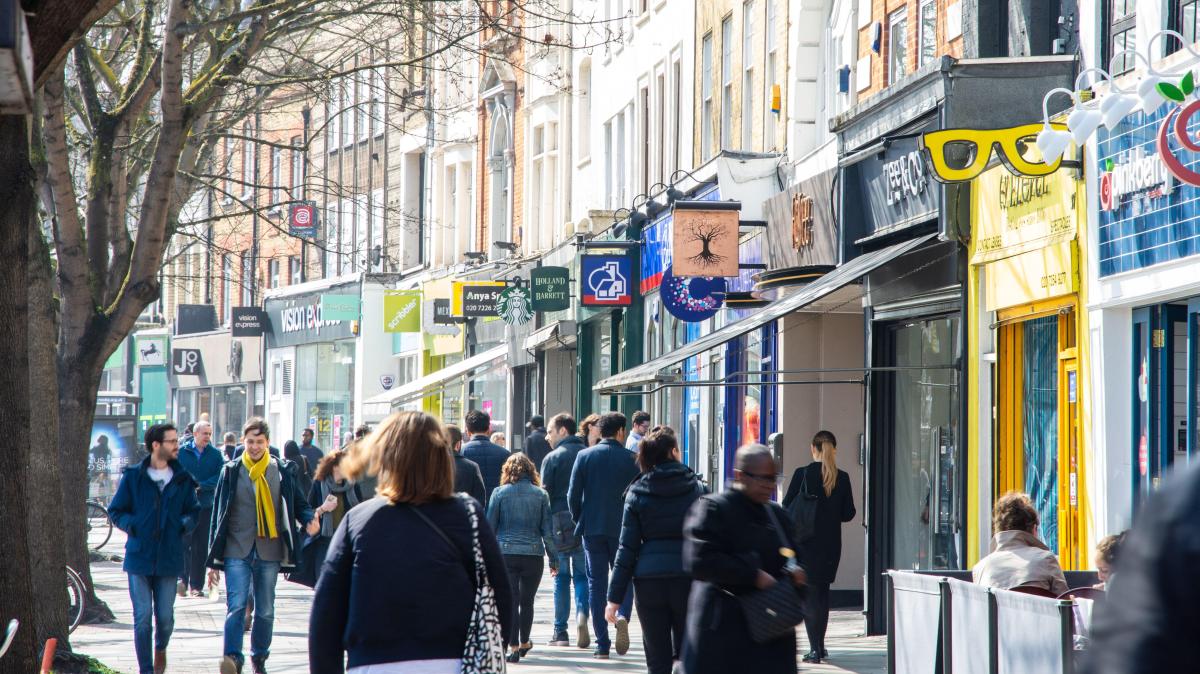
In the grey mist of early 2026 a grim milestone has been marked on the high street — ten years of negative consumer confidence.
The market research firm GfK’s consumer confidence barometer fell five points in January, reflecting a collective resignation that is quietly making the country poorer. GfK last had the UK in positive territory in January 2016.
Neil Bellamy from GfK suggested that the economy “resembles an untethered boat drifting slowly out to sea”. It’s a vivid image and one that reveals how we feel: not necessarily panicked, but pretty resigned. We’re not just bracing for a storm, we’ve assumed the rudder has already gone. We are effectively getting our life jackets on, and that carries real economic consequences.
The evidence is on the high street. The discount retailer B&M issued its third profit warning since last summer, with sales falling 0.6 per cent in the quarter leading up to December. Primark blamed weaker Christmas trading on a “difficult clothing market”. The Works, another discount store, cited “subdued consumer confidence” as sales dropped 4.2 per cent. These are all high street staples. When these retailers struggle, it suggests people are seriously curbing their spending.
This seems rational when you consider that wages have stagnated, taxes feel burdensome and retailers face rising costs. Once that negative sentiment sets in, it’s infectious.
When consumers hold the assumption that tomorrow will be worse than today, they delay purchases and investments and retreat into defensive behaviours. This lessens demand and discourages investment, which ensures tomorrow will be worse than today. The Confederation of British Industry, a trade body, warns that retail sales are expected to decline at a quicker pace in February.
And the damage extends beyond the high street. Consider the stock market. Over the past decade the FTSE 100 has delivered average annualised returns of about 6.3 per cent, including dividends, rising roughly 19 per cent in the past year alone.
Yet with consumer confidence mired in negativity, many investors have clung to cash and low-yield bonds in fear and anticipation of the next crash. This caution is understandable given post-Brexit market volatility, the Covid pandemic and energy crises. But that doesn’t mean it’s not expensive.
Households are struggling. Inflation is outpacing savings and wage growth. Inflation hit 3.4 per cent in December, while the Bank of England has cut the interest rate to 3.75 per cent, which has affected savers. Average savings rates are about 3.5 per cent, but many popular accounts are below 3 per cent, meaning savings lose value in real terms. The investment firm Fidelity estimates savers lost nearly £7 billion to this erosion last year.
• Britain is a nation of savers — here’s why that’s a problem
This gloom seeps into careers and entrepreneurship too. People stick at unsatisfying jobs rather than risk moving, a decision that can stunt earnings growth and equity accumulation. Entrepreneurship suffers, as low financial confidence stifles ambition, particularly among younger would-be founders. In high-confidence periods, start-up rates surge, but in this low-confidence business landscape they stagnate, starving the economy of innovation, equity creation and wealth acceleration.
There is a more subtle cost to this gloomy outlook — it narrows horizons. We become what we see, and we have become exceptionally good at focusing on what we can control — tightening budgets, swapping brands, cancelling subscriptions.
None of this is to deny the real pressures on households, and particularly on young people, but the problem is not hardship alone, it is the expectation of disappointment. We have become conditioned to believe decline is the natural state, and the best we can do is manage it.
There is one noteworthy exception in the stories of high street unhappiness. Pubs enjoyed strong Christmas trading, with sales at the brewer Young & Co’s London pubs up 11.2 per cent in the three weeks to January 5 compared with the same period the year before. It seems that while we cut back on material purchases, we aren’t prepared to sacrifice a bit of escapism and socialising over Christmas.
Breaking this cycle of caution will require more than interest-rate adjustments or fiscal policy. It demands a shift in how we think about risk, reward and the future. While January 2026 brought an unwanted anniversary, an entire decade since consumer confidence was last in positive territory, it is worth remembering that this need not define what comes next.
Megan King Diaz is a financial markets analyst with over a decade of experience as an investment adviser on Wall Street