
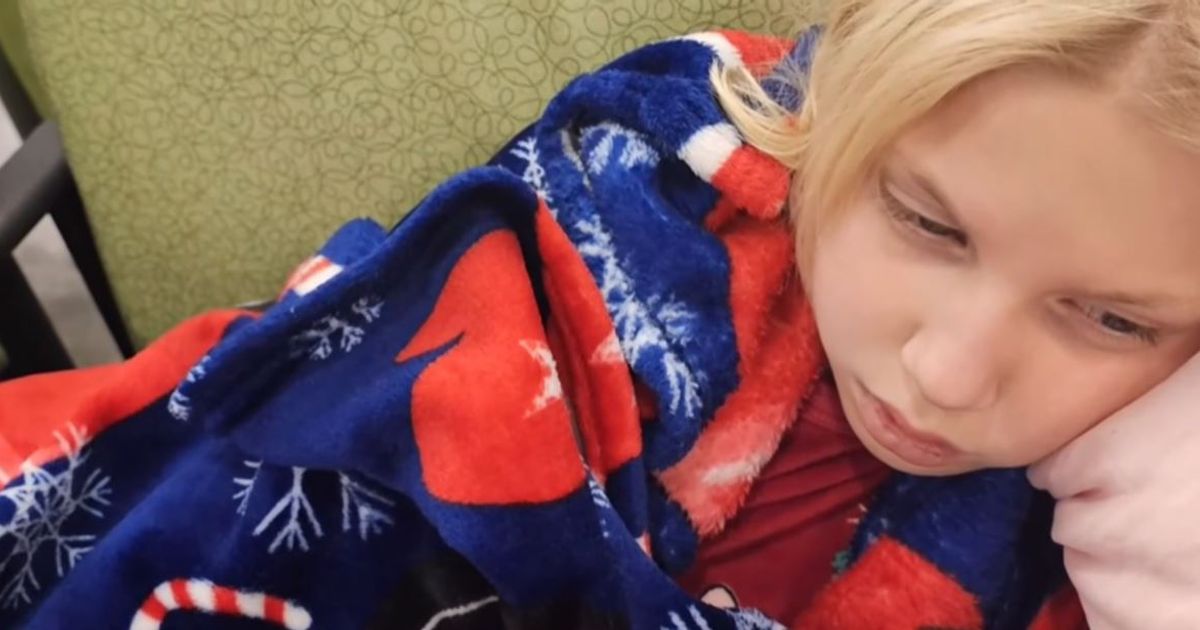
Jessa Milender’s family feared the worst after the youngster injected 60% of her mum’s medication in a bid to tackle stomach pain but soon developed terrifying symptoms
09:56, 03 Feb 2026Updated 09:58, 03 Feb 2026
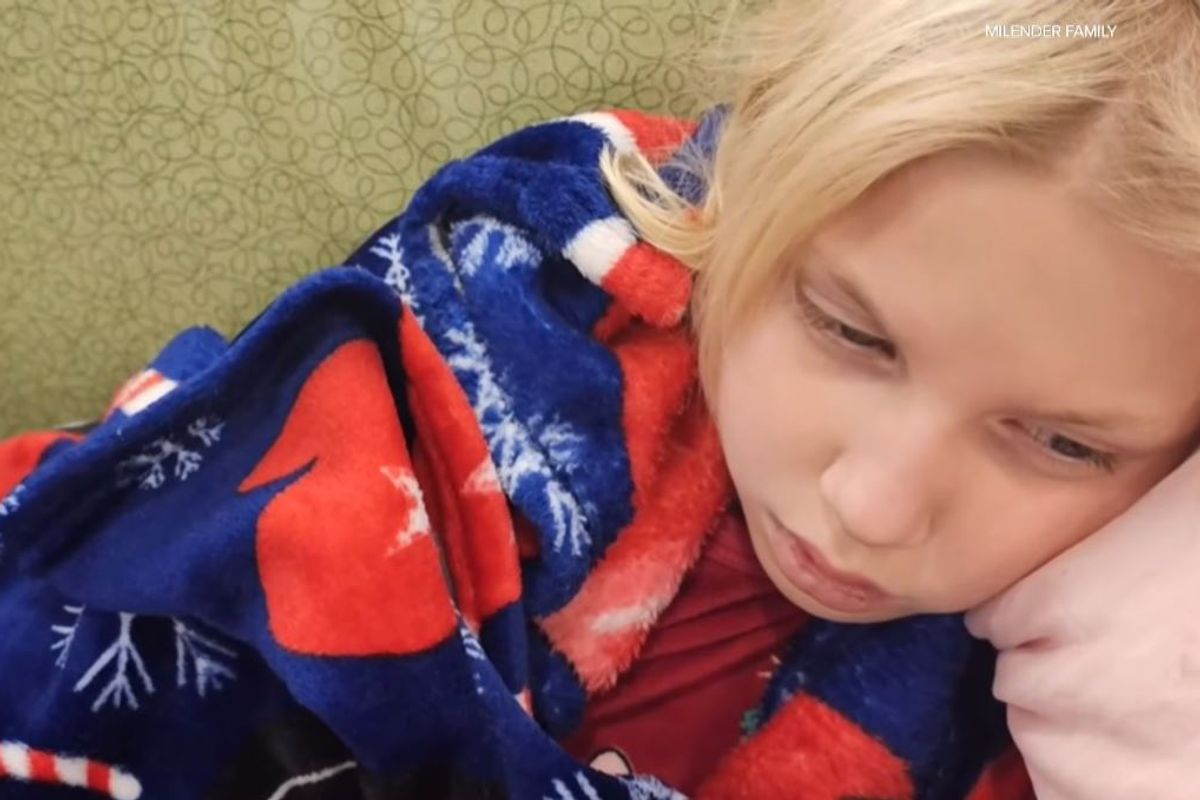
Jessa Milender was rushed to hospital after taking GLP-1(Image: WHAS11)
A seven-year-old girl was rushed to hospital after injecting herself with a weight loss jab. The youngster used a GLP-1 injector pen believing it would help her stomach pain.
The medication, often marketed as Mounjaro amongst others, has traditionally been used to treat Type One diabetes. But it can also be used to aid weight loss.
The NHS says the jabs can however have side effects, including sickness, indigestion, constipation, and constipation. Jessa Milender, from Indiana, USA, injected herself with 60% of her mum’s medication after feeling a pain in her tummy.
It left the youngster “lifeless” in hospital while hooked up to an IV. Her mum, Melissa admits the family “weren’t prepared for how bad it would get” once they realised what had happened.
Jessa, now eight, however has no recollection of the incident. Speaking to WHAS11, she said: “I thought it was stomach medicine because my mom takes it, and I thought it helped her with her stomach aches.”
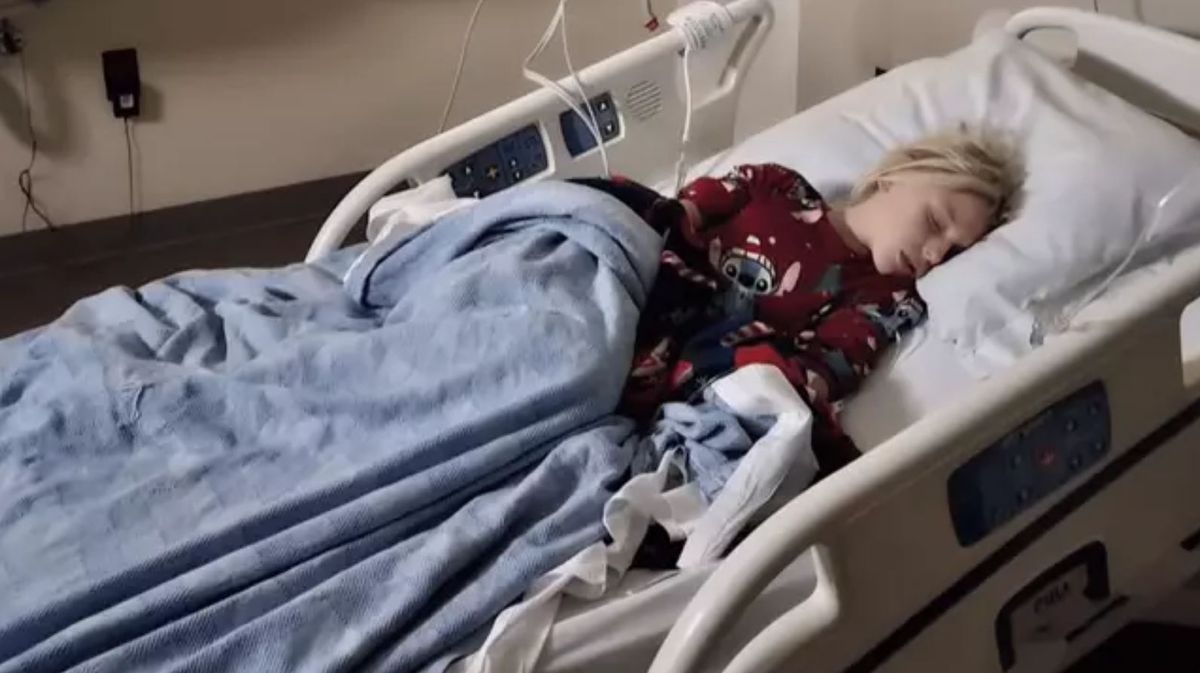
Jessa’s family feared the worst as she lay ‘lifeless’ in hospital(Image: WHAS11)
Melissa says she instantly called the poison centre and rushed Jessa to hospital after discovering she had used the pen. She was then hooked up to the IV, which helped ease the worst of her symptoms.
She was then discharged, but took a turn for the worse, her mum says. “I should have never let them discharge her,” adds Melissa.
Jessa started vomiting and even struggling to keep down a glass of water. She became so weak that her mother even had to carry her to the bathroom.
Melissa says Jessa lay “lifeless” as the family began to fear she might not make it through. Especially because the youngster couldn’t even eat for “six days straight”.
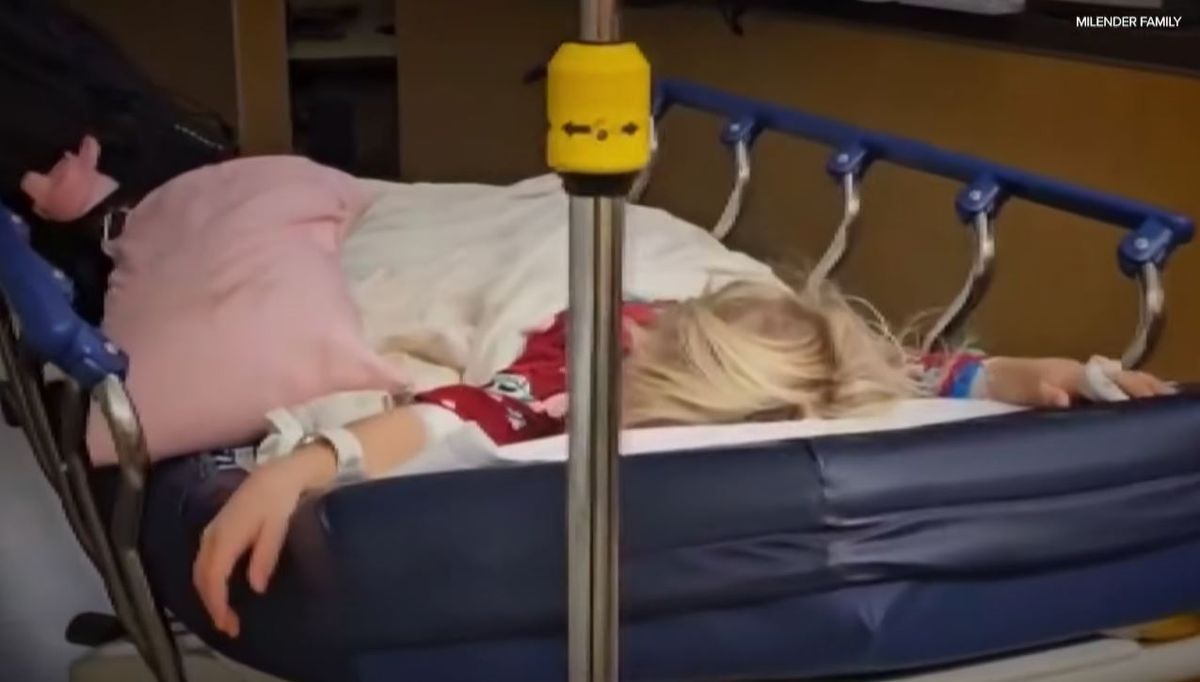
Melissa says Jessa didn’t eat for six days(Image: WHAS11)
After being taken back to hospital doctors feared Jessa might have developed renal failure, leading to concerns about her kidney, because she stopped urinating.
“On Saturday night, we as a family gathered around her, because she was just lying there lifeless,” Melissa added.
Jessa was eventually discharged after what her mother described as the “longest week of our lives”. When asked about her daughter’s condition now, Melissa said: “[She’s] good. She’s back to Jessa.”
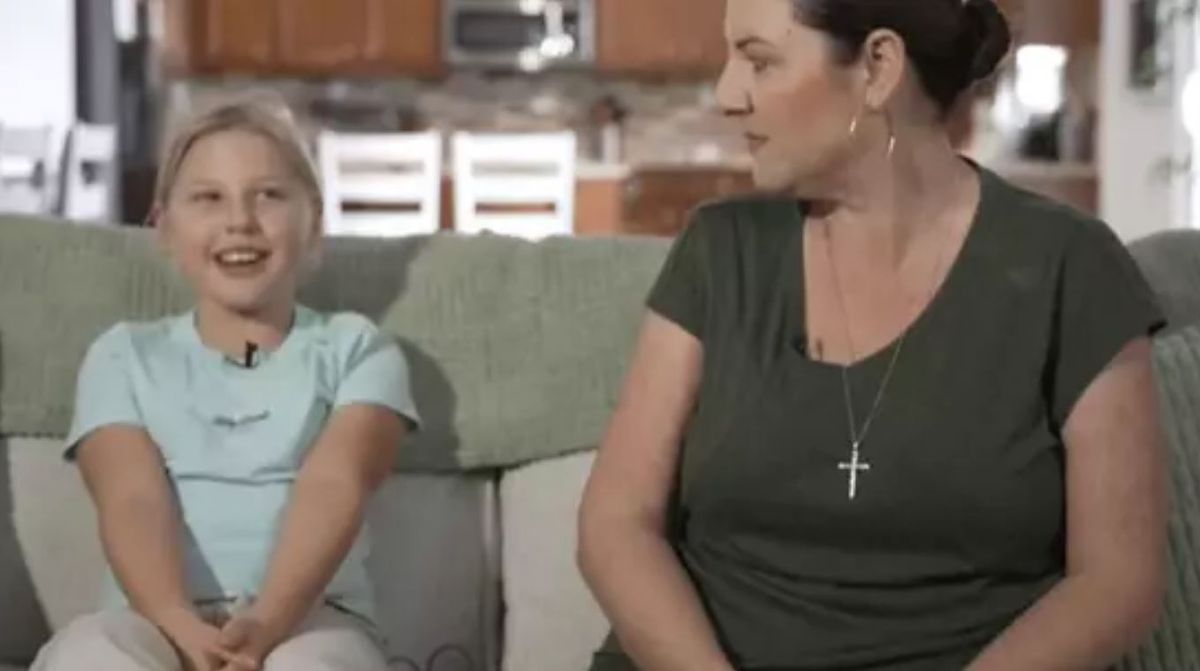
Jessa made a full recovery after the incident(Image: WHAS11)
Melissa was left relieved that Jessa only took part of a jab and not the full amount. She continued: “I try not to think about the what if.
“God protected us from the worst and I firmly believe that but I fear it could have been a lot worse. She’s my little girl so that was rough.”
Melissa, who paid $20 (around £14) for the medication on Amazon, now keeps it in a locked box away from her daughter. The NHS says you should only use weight management medicines if a doctor or pharmacist recommends them to you.
It says: “They will look at your individual health needs to decide if the medicine is safe and right for you, taking into account the benefits and any possible side effects.
“All medicines for supporting weight management should be used alongside a reduced-calorie diet and increased physical activity.
“Never take a medicine for weight management if it has not been prescribed for you. These types of medicines may not be safe for you and could cause serious side effects.”