

Listen to this article
Estimated 5 minutes
The audio version of this article is generated by AI-based technology. Mispronunciations can occur. We are working with our partners to continually review and improve the results.
An arm’s-length health care accountability agency is warning MLAs that it’s becoming harder for his organization to collect data, and that some of its numbers are being taken out of context.
Stéphane Robichaud, the New Brunswick Health Council CEO, told the legislature’s public accounts committee Wednesday that Premier Susan Holt was extrapolating conclusions from the council’s primary care surveys.
Last week, Holt said in her state of the province speech that 72.5 per cent of New Brunswickers aren’t attached to a primary care provider, a figure “that represents 238,000 New Brunswickers.”
“When you project a number of people based on that percentage — I wouldn’t do that,” Robichaud said.
“I would never use a number because it’s not that strong.”
He later told reporters that the percentage figure from the annual survey “has its limits” and has many caveats.
WATCH | ‘I wouldn’t do that’: What health data shows — and doesn’t show: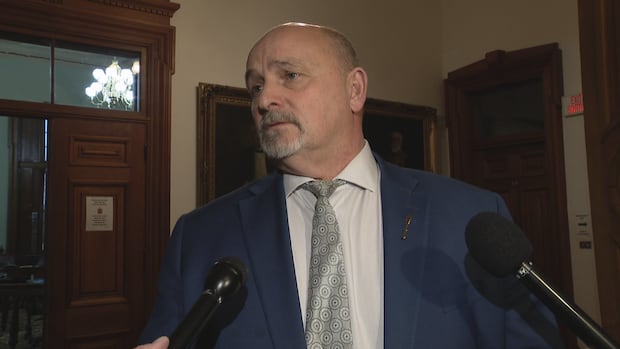
Don’t jump to conclusions on doctor data, health council warns
MLAs are told that a primary care survey has gaps, and data is becoming harder to get.
“Those types of extrapolations sometimes may be misleading. So of course it’s a concern.”
But he said he believes the government also wants to get more precise and timely data.
Robichaud told the committee the council’s annual survey asks 5,000 New Brunswickers about their access to primary care.
But the survey doesn’t reach everyone. Children under the age of 18 aren’t surveyed. Nor are residents of special care homes.
The survey may also be skewed by a growing number of people who won’t respond to telephone surveys.
“It’s harder and harder,” he said. “People don’t like to answer surveys.”
Council chair Dr. Ann Collins said phone polls “have gone the way of the dodo bird.”
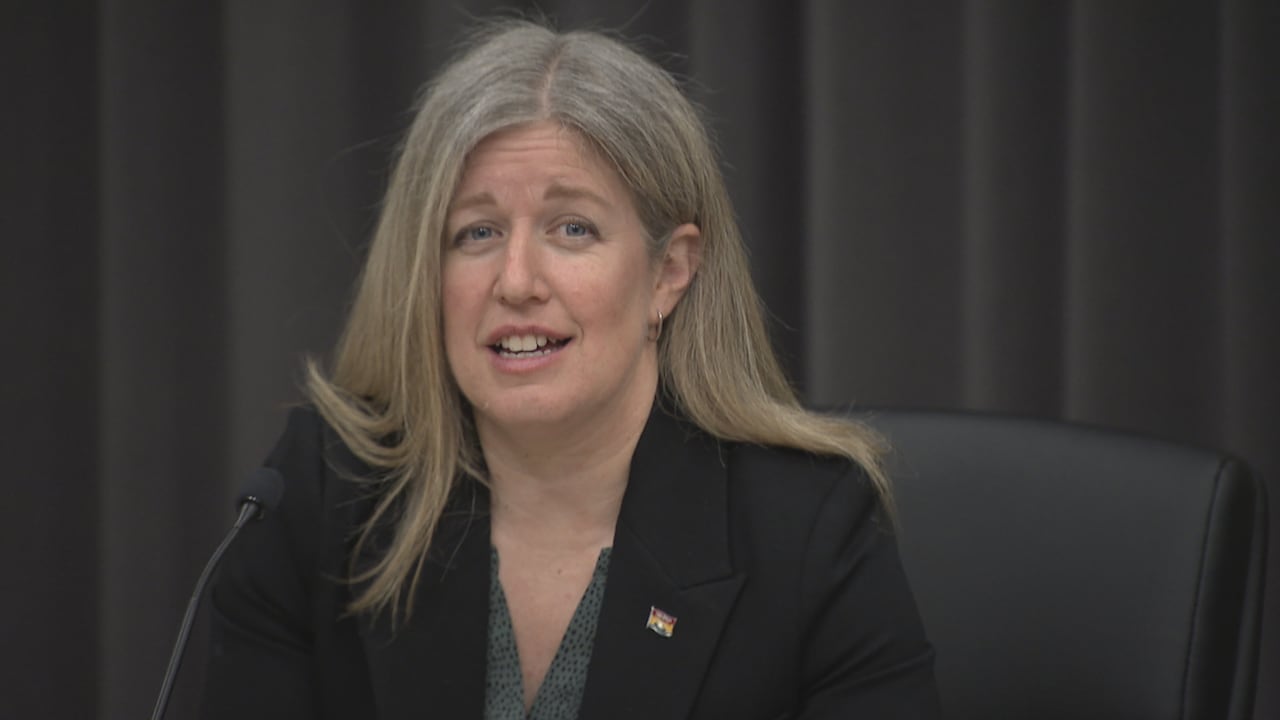 Premier Susan Holt says access to primary care is her government’s top priority. (Chad Ingraham/CBC)
Holt, a self-described “data nerd,” said in last year’s state of the province speech that she wanted to be judged by 15 performance metrics.
This year, she called access to primary care “the most important metric” and “our top priority.”
In 2024, the Liberal election platform said 180,000 New Brunswickers lacked access to primary care.
That number was also extrapolated from a percentage in a previous New Brunswick Health Council survey, the Liberal campaign said at the time.
Robichaud told MLAs Wednesday that there’s another growing challenge for the council, which was established in 2008 to provide independent, non-partisan measurements of how the health care system is performing.
“It’s very hard to access data,” he said. “We seem to be competing with other priorities.”
The CEO said more and more public institutions have an appetite for numbers and suggested the council can’t always get what it needs quickly.
“We’re not supposed to be depending on someone’s else approval of us accessing or not that data. In the first few years, that was less of an issue. Now it’s more of an issue.”
Robichaud told Green Leader David Coon that better data on long-term care might allow the council, and the government, to lower the strain that patients waiting for spaces are putting on hospitals.
“We probably have areas where there are resources we’re not maximizing because we’re not conscious those resources are there,” he said.
Progressive Conservative MLA Rob Weir said one concrete measurement of primary care is the number of people registered with N.B. Health Link — an alternative for New Brunswickers waiting to be attached to a doctor, nurse practitioner or collaborative care clinic.
The province recently estimated about 127,000 people are registered, but that number excludes anyone who lacks a doctor and who has not registered.
Wednesday’s committee session was not the first time MLAs have heard about different ways of measuring lack of access.
The same committee was told by the Health Department’s deputy minister last year that “the questions seem very straightforward, but they are not.”
Eric Beaulieu said at the time that “the truth lies somewhere between” the health council’s survey results and the N.B. Health Link registrations.
Robichaud said health-care leaders recognize “the impact on the credibility from a citizen’s perspective” of the different numbers.
He called for all the institutions in the system, from the government to the two regional health authorities to the council, to settle on a single, consistent way to measure access to primary care.
“There should be one number that reflects that reality,” he said.
“We need to move faster on identifying that.”
Liberal MLA Natacha Vautour said in an interview that she is confident “the matter is being taken under serious consideration” by the council and others.