
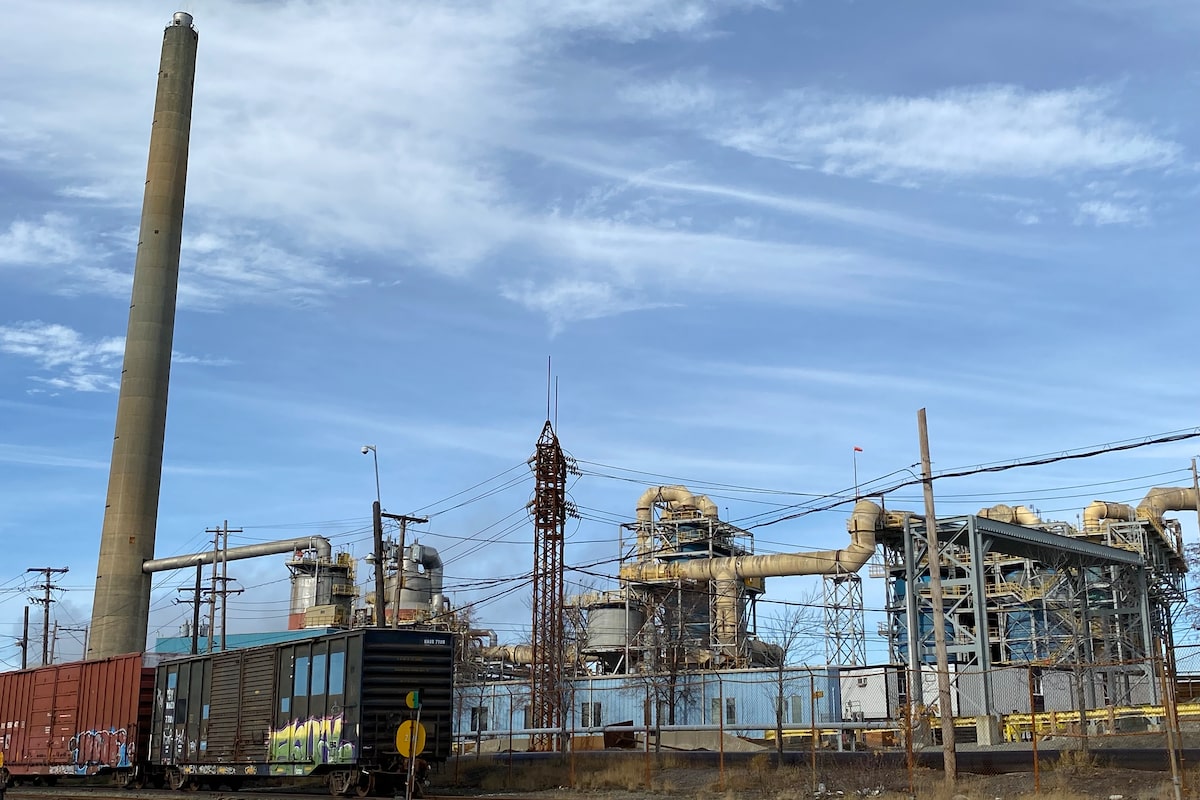
Glencore’s plans to modernize the Horne smelter in Rouyn-Noranda included $300-million to reduce pollution as well as other upgradesStephane Blais/The Canadian Press
Swiss mining giant Glencore PLC GLNCY is suspending investment plans worth $1-billion for its century-old copper smelter in northern Quebec after the failure of negotiations with the provincial government over toxic arsenic emissions.
Glencore said Tuesday that it won’t move forward with previous plans to modernize the Horne smelter in Rouyn-Noranda, which included $300-million to reduce pollution as well as other upgrades.
The decision raises the prospect that Canada’s only copper smelter will end operations, although the company says it remains hopeful that it can strike a deal to avoid that outcome. Senior political leaders in Ottawa are keeping close tabs on the situation.
“It is very disappointing to be potentially on the path to closure when we are convinced the Horne smelter’s operations are safe for the community,” Marc Bédard, Glencore’s chief operating officer of custom metallurgical assets, said in a statement.
“We have worked in good faith and explored every option available to us. Protecting jobs and maintaining operations remain the company’s top priorities, but the conditions needed to move forward simply are not in place right now.”
The company has been in talks with the Quebec government since last summer about securing the long-term viability of the Horne site, as well as a related refinery in Montreal’s east end. The two parties are at odds over the targets for reducing emissions at Horne and the timeline for achieving those reductions.
Glencore is looking for more clarity surrounding its environmental permitting. Authorizing a major investment to upgrade the copper smelter operations would be “irresponsible” without assurance that the regulatory conditions would allow the site to continue operating within a “predictable and realistic longer-term framework,” the company said in a statement.
Horne is now operating under a ministerial authorization that limits arsenic emissions in the ambient air of the smelter’s property line to 45 nanograms a cubic metre as an annual average, with a scheduled decrease to 15 ng/m³ in March of next year. Glencore is asking Quebec to modify that authorization to give the company until the end of 2029 to meet that new target. It also wants the province to provide assurances it will maintain that limit through the duration of the next applicable ministerial authorization and not reduce it further.
“It’s all about risk management,” Mr. Bédard said in an interview Wednesday. “If they’re not able to give us that level of certainty in the long run that we will stay at 15, then we need to find other ways to de-risk.”
In Namibia, a Canadian copper company leaves a legacy of toxic waste
Glencore is exploring various solutions with Quebec, including having the province share in the risk by investing in the Horne upgrade projects, Mr. Bédard said. He said the company has also been in talks with Ottawa about support.
The current permit for Horne’s operation requires Glencore to submit an action plan outlining measures and actions aimed at working toward emissions of 3 ng/m³, a limit in place in other parts of the province. Mr. Bédard said that’s “technically impossible” for that facility to achieve.
“I want this to be crystal clear: If people are asking us to get to the three, then we’d better shut down now,” he said.
Premier François Legault said Quebec has already offered Glencore predictability by offering to start the process of renewing its environmental permit a year earlier than planned. “This represents a significant step on the part of our government, which now expects the company to proceed with the necessary investments,” his office said in a statement.
Glencore said it has been making efforts to lower emissions and that between 2022 and 2024, the average arsenic concentration in ambient air measured at the Horne legal monitoring station decreased by 46.5 per cent. Company documents state that it was about 44 ng/m³ last year when measured at the plant’s property limits.
The Horne smelter operations and their effects on human health have been the subject of controversy for years.
A Quebec Superior Court judge recently authorized a class-action lawsuit on behalf of citizens who claim to have been affected by emissions from the smelter. The judge cited a 2022 report by Quebec’s public health institute that indicated that past and current exposure to arsenic and cadmium concentrations from the facility could put residents at a higher risk of cancer.
The global copper smelting industry is likely to face “tougher challenges than ever” this year because of widening supply-demand imbalances in the concentrates market, rising production risks at smelters, and unprecedented market uncertainty, according to Fastmarkets Global Ltd., a price data and forecasting firm for commodity markets.
Mr. Bédard said Glencore is nevertheless willing to push on with Horne and its related operations under the right conditions. He said he believes Rio Tinto would share the same view.
Glencore and London-based Rio Tinto RIO-N confirmed last month that they were in preliminary discussions on an all-share merger. Under British takeover rules, Rio has until Thursday to make a formal offer for Glencore, but the companies can request an extension.
With a file from The Canadian Press