

Listen to this article
Estimated 4 minutes
The audio version of this article is generated by AI-based technology. Mispronunciations can occur. We are working with our partners to continually review and improve the results.
Proponents of strychnine in Alberta and Saskatchewan will continue to push for its use, following the federal government’s rejection of a bid to unban the substance.
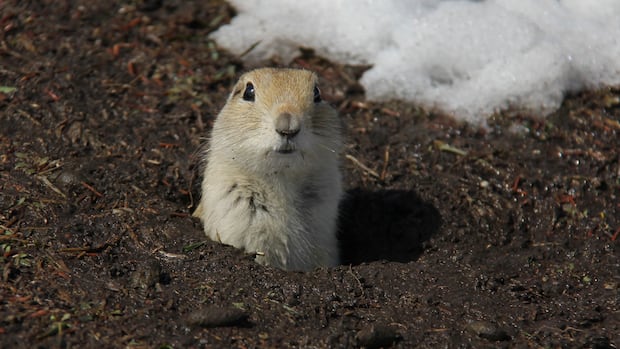
The request by the two provinces was aimed at having the controversial poison permitted for emergency use, to deal with what Alberta Agriculture Minister RJ Sigurdson called “significant challenges” faced by farmers when it comes to managing Richardson’s ground squirrels, colloquially known as gophers.
Strychnine, in two per cent liquid form, was the go-to gopher control solution on farms in the two provinces before the federal government began phasing out its use on Richardson’s ground squirrels in 2020. It then banned it outright in 2024 due to environmental risks posed by the poison.
In a statement, Sigurdson said “the loss of this effective control method is devastating for many across the agriculture sector.
“The annual risk to hay and native pastures exceeds $800 million, and the risk of this exploding [gopher] population is detrimental to farms and ranches across the country.”
Wade Nelson, a farmer near High River, Alta., is a strong proponent of strychnine use, saying he “had 170 acres of canola completely destroyed by gophers” three years ago.
“We’re hopefully coming out of a pretty terrible drought,” he said. “And that’s definitely given rise to a huge gopher population, the likes that I have never seen in my lifetime.”
LISTEN | Alberta farmer shares why he wants strychnine use permitted:
Calgary Eyeopener9:04Strychnine Ban
A bid to overturn a ban on a controversial poison used to control Richardson ground squirrels populations has been rejected. We hear from an Alberta farmer who would like to see Strychnine return.
Nelson thinks the recent spike in gopher numbers coincides with the ban on strychnine.
“It’s a really useful tool that farmers have used for a lot of years, and it’s very disappointing,” he said of the ban not being reversed.
Health Canada stands by decision
In a statement sent to CBC News, federal spokesperson Marie-Pier Burelle said Health Canada denied the strychnine use request by Alberta and Saskatchewan because, while concerns around crop losses and farm field damage were taken into consideration, “environmental and health safety requirements take priority.”
“This decision is consistent with the department’s 2020 cancellation of strychnine, which was implemented to protect non-target animals, including species at risk such as the swift fox and burrowing owl, from strychnine-related poisonings,” she said.
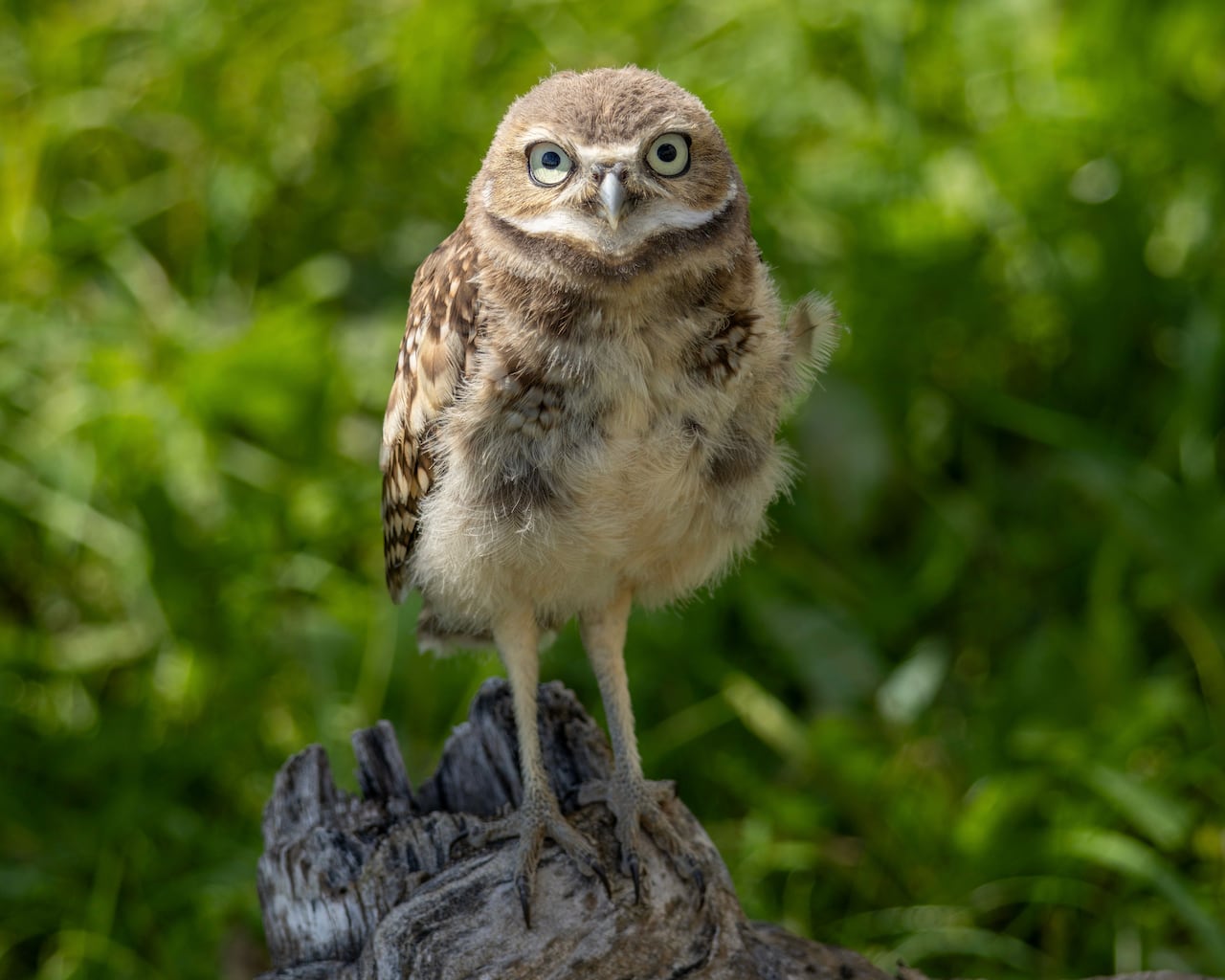 A Health Canada assessment prior to the initial strychnine ban found that the highly-potent neurotoxin posed a risk to ‘non-target organisms’ like burrowing owls, which have been classified as an endangered species in Canada for more than two decades. (Amir Said/CBC)
The provinces of Alberta and Saskatchewan presented risk mitigation strategies to Health Canada, but Burelle said those proposals “did not include new or effective measures to address the risks identified in 2020, and therefore the emergency use request could not be approved.”
Burelle pointed to other rodenticides on the market, like zinc phosphide, which has been touted by the Government of Saskatchewan as an effective alternative to strychnine.
But John Barlow, federal shadow minister for agriculture, says no other rodent control solution beats strychnine.
Barlow told CBC News the inability of farmers to use strychnine has resulted in many complaints from rural residents from his electoral district of Foothills, encompassing much of southern Alberta.
“We had a number of producers reaching out to us over the last year just talking about the exponential damage to cropland and grazing land, on the loss of crop yield,” he said.
“Without any competent alternative to strychnine, they were just unable to control the gopher population, and we were starting to see an impact.”
Nelson reiterated that, in his experience as a farmer, the substance was highly effective and tightly regulated.
“I couldn’t just go into Home Hardware and buy a bucket of strychnine,” Nelson said. “If I needed or wanted strychnine, I had to go there to the county and prove that I was a farmer, rancher and show them where I was going to use that product. And I could only take so much.”
WATCH | Alberta urges feds to reverse gopher poison ban, calls rodents a ‘destructive force’: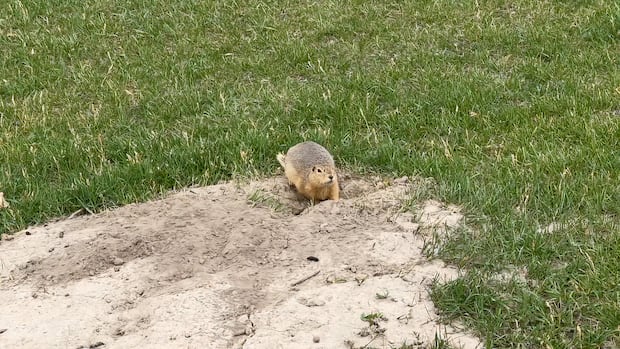
Province urges Ottawa to reverse gopher poison ban, calls rodents a ‘destructive force’
Health Canada started phasing out the use of strychnine in 2020 over concerns it harms other wildlife. Without the poison, the Alberta government said gophers are spreading “unchecked” across agricultural land and farmers can’t keep them under control.
Barlow, who joined Alberta and Saskatchewan last year in publicly calling for the federal government to reverse its ban on strychnine, said Ottawa’s refusal to unban the substance fails to take into account the economic and food security implications of gopher damage on crops.
Barlow said he and the two provinces will continue pushing for the emergency use of strychnine to counter the latest gopher population growth, not a permanent reversal of the ban.