

Your support helps us to tell the story
From reproductive rights to climate change to Big Tech, The Independent is on the ground when the story is developing. Whether it’s investigating the financials of Elon Musk’s pro-Trump PAC or producing our latest documentary, ‘The A Word’, which shines a light on the American women fighting for reproductive rights, we know how important it is to parse out the facts from the messaging.
At such a critical moment in US history, we need reporters on the ground. Your donation allows us to keep sending journalists to speak to both sides of the story.
The Independent is trusted by Americans across the entire political spectrum. And unlike many other quality news outlets, we choose not to lock Americans out of our reporting and analysis with paywalls. We believe quality journalism should be available to everyone, paid for by those who can afford it.
Your support makes all the difference.Read more
Deciding when to retire represents a significant life transition, demanding careful planning and consideration.
While financial preparedness is often paramount, the subtle emotional and physical cues indicating readiness for this new chapter are equally crucial.
Susie Masterson, a BACP-registered psychotherapist and relationship coach at Ultraliving, has identified six key indicators that suggest an individual is prepared to embrace retirement.
1. You are experiencing burnout
“Burnout is when you get that lingering dread about work on a Sunday afternoon and don’t feel recharged after a weekend,” says Masterson. “Another sign of burnout with work is when you are finding tasks that you used to find easy – whether that’s phone calls with people or administrative tasks – increasingly harder to do and are counting the hours down during the working day.

open image in gallery
(Alamy/PA)
“Burnout also often makes you feel quite fatigued, both physically and emotionally.”
2. A significant life event has shifted your perspective
“When there’s a big change in our life, we’re always going to review things,” says the psychotherapist. “When something happens that shifts the status quo – such as children leaving home, a relationship break-up, a life-limiting diagnosis – and we’re also at the stage of contemplating how long we’ve got left of life, these two things tend to bring things into focus about how we want to spend our time and how we want to experience things.”
3. You have spoken about retirement expectations with your partner and wider family
Masterson also highlights the importance of being open with your partner about what you want from retirement so that you can create a plan that suits you both.

open image in gallery
(Alamy/PA)
“Sometimes it can be really difficult as a couple if you have different attitudes towards retirement, for example one person wants to relax and do very little and the other person wants to travel and volunteer,” says Masterson.
“You don’t need to do everything together in retirement, but it’s important to talk these things through and to negotiate as a couple. I recommend saying ‘this is what I’m thinking, this is what I want, this is important to me, how does that make you feel?’”
It can also be helpful to have similar conversations with your wider family to set out expectations.

Get a free fractional share worth up to £100.
Capital at risk.
Terms and conditions apply.
ADVERTISEMENT
Get a free fractional share worth up to £100.
Capital at risk.
Terms and conditions apply.
ADVERTISEMENT
“A lot of people think that retirement will be a time where they get to spend more time with their family, but haven’t spoken to their family members about this,” says the psychotherapist. “That can be quite confronting because family members aren’t always necessarily expecting us to suddenly turn up and use them as stimulation and socialisation that we would have previously had at work.”
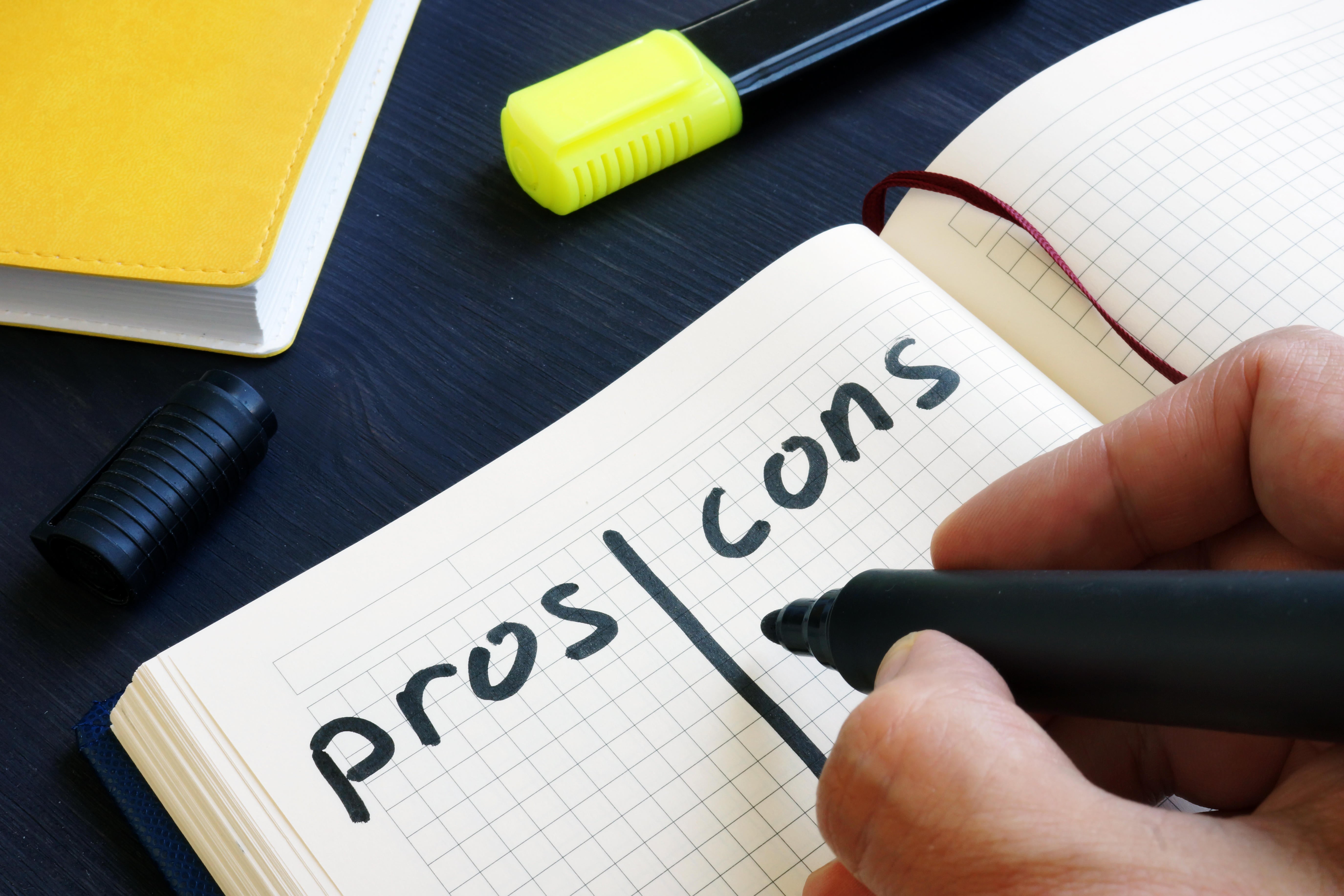
4. You have gone through all the pros and cons
“I think people often regret retiring early because they haven’t thought about what they’re giving up or what they’re going to do,” says Masterson. “Many people go from full-on work to then doing absolutely nothing and don’t have a plan.
open image in gallery
(Alamy/PA)
“We often forget about the connection, sense of belonging and socialisation that we get from the world of work, and if we haven’t got any hobbies, aren’t particularly social with friends in our personal life, then we might feel isolated in retirement as a result, which can be a real problem.
“So, I think it’s important to identify either what you already enjoy doing outside of work or something that you’ve always wanted to try. There’s so much information online about local clubs and groups that can offer a sense of connection and community.”
5. You accept that retirement is a period of experimentation
“Even though people often have this dream of spending more time together and of life being more exciting in retirement, this often doesn’t quite turn out the way they expect it to, which can be quite confronting,” says Masterson. “I think it’s important to recognise that it is going to be a period of experimentation and that it’s OK to fail. It’s important to keep talking about it with your partner and family because it’s a massive adjustment.”
6. You feel emotionally ready
“There’s a concept in therapy called ’emotional readiness’ and I think people do actually know when they are emotionally ready for something like retirement,” says Masterson. “When we feel emotionally ready, I think we can visualise ourselves slowing down and doing less, or can visualise ourselves travelling and volunteering and doing all the different things that we have planned for our future.
“It’s about being ready to start a new chapter.”