

Listen to this article
Estimated 4 minutes
The audio version of this article is generated by AI-based technology. Mispronunciations can occur. We are working with our partners to continually review and improve the results.
First Nations in B.C. have issued advisories on travel to the U.S., citing fears of greater scrutiny by U.S. Immigration and Customs Enforcements (ICE) on First Nations people.
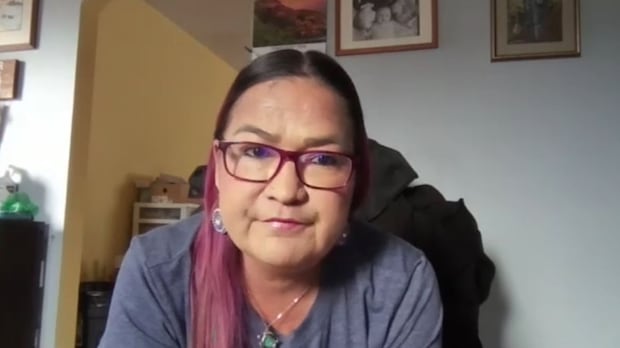
“My fear is that they will be detained and have to face the horrific detention facilities until they can get cleared,” said Diana Moffat, communications officer for Upper Nicola Band.
“As everybody’s seen in the news, those detention facilities are not even good enough for a jail, let alone somewhere to house somebody until they figure out who they are.”
The Assembly of First Nations issued a statement in January advising First Nations people crossing the Canada-U.S. border to be cautious, citing reports of increased scrutiny by ICE.
The Okanagan Nation Alliance, Upper Nicola Band, and Huu-ay-aht First Nations issued the travel advisories last Thursday and Friday.
In its advisory, Okanagan Nation Alliance urges members to use “extreme caution if travelling to the United States,” as the “U.S. administration’s unpredictable arrest and detention practices may impact how quickly and effectively you may receive assistance.”
The Okanagan Nation Alliance represents the Syilx Okanagan Nation, comprising Okanagan Indian Band, Upper Nicola Band, Westbank First Nation, Penticton Indian Band, Osoyoos Indian Band and Lower and Upper Similkameen Indian Bands (and the Colville Confederated Tribes in the U.S. on areas of common concern.)
Moffat said many First Nations people around the Okanagan and Interior had been planning to go to Washington state for an Interior Salish conference.
“I just want people to know that it’s better to stay home safe as opposed to trying to make that travel and taking the risk,” said Moffat.
In a statement, Citxw Nlaka’pamux Assembly said it also chose to not go to the Celebrating Salish Conference this year, due to feedback from its community members.
WATCH | Travel advisories issued by First Nations in B.C.: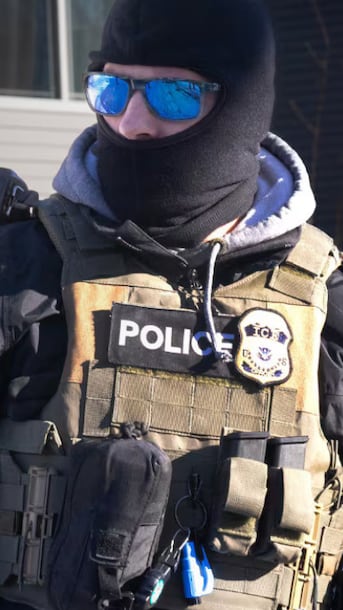
B.C. First Nations issue travel advisories to U.S.
Syilx Okanagan Nation, Upper Nicola Band and Huu-ay-aht First Nations in B.C. have all issued travel advisories to citizens planning on crossing the Canada-U.S. border, citing fears of greater scrutiny by U.S. Immigration and Customs Enforcement on First Nations people.
“This decision was not made lightly. We value opportunities to gather, learn, and strengthen relationships with our neighbors and friends,” said a spokesperson for Citxw Nlaka’pamux Assembly.
“We extend our best wishes to the Kalispel Tribe for a successful conference.”
John Alan Jack, elected chief of Huu-ay-aht First Nations on Vancouver Island, said his nation issued a travel advisory because its citizens use the Jay Treaty to go to the States.
Under the Jay Treaty, Indigenous people can freely enter the United States for travel, studies, employment, retirement and immigration.
“We expect it’s not always known or respected by Immigration and Customs Enforcement agents who may not be fully aware of the full suite of rights and that’s something we want our citizens to be aware of,” said Jack.
Use passports
Huu-ay-aht First Nations is discouraging non-essential travel and encourages people who are travelling to use their Canadian passports.
“If you’re travelling on the Jay Treaty, that means you need to have not only your enhanced status card, but likely proof of your heritage which would be a long form birth certificate, as well as potentially a blood quantum letter issued by Huu-ay-aht itself,” said Jack.
Moffat said travellers should have all their proper travel documents, not expired.
Moffat said ICE actions have caused her fears for not only travellers belonging to her First Nation, but people in general.
“The fear and the fright that they must be feeling right now, especially when families are being torn apart, job sites are closing,” said Moffat.
“It’s just a terrible atrocity for everybody north and south of the border.”