

In mid-January, an unexpected and rare bird sighting in Singapore caught the attention of wildlife enthusiasts, sparking excitement and wonder across the city. As reported by The Straits Times, the Eurasian hoopoe, a bird that hadn’t been seen in Singapore for over 40 years, made a surprising appearance in the Tanjong Katong neighborhood. The bird’s vibrant plumage and unique features had photographers and birdwatchers flocking to the area, eager to catch a glimpse of this elusive creature. This rare encounter provides valuable insights not only into the bird’s migratory patterns but also into the shifting behaviors of wildlife in response to environmental changes.
The Uncommon Sighting of the Eurasian Hoopoe
When wildlife photographer Andy Chew stumbled upon the Eurasian hoopoe, he immediately recognized the distinctive features of the bird: its long, curved bill, striking orange head, and zebra-striped wings. As Chew noted, “It was a sight to behold as the hoopoe is such a beautiful bird,” highlighting the visual appeal of the species. According to Chew, the encounter was “definitely an uncommon encounter,” underscoring the rarity of seeing this bird in Singapore after so many years. The Eurasian hoopoe is primarily found across Europe, Africa, and Asia, and its occasional appearance in Singapore is an extraordinary event for local birdwatchers and nature enthusiasts.
Despite the rarity of this sighting, it serves as a testament to the potential for discovering extraordinary wildlife even in urban settings. For Chew, the moment of recognition was more than just a chance photograph, it was an opportunity to document a species that had long been absent from the region. The Eurasian hoopoe was not just a visual treat but also an important marker for the health of migratory patterns in the region. In a city-state where nature is often overshadowed by development, sightings like these help reconnect locals with their environment and remind them of the diversity that still exists within their ecosystems.
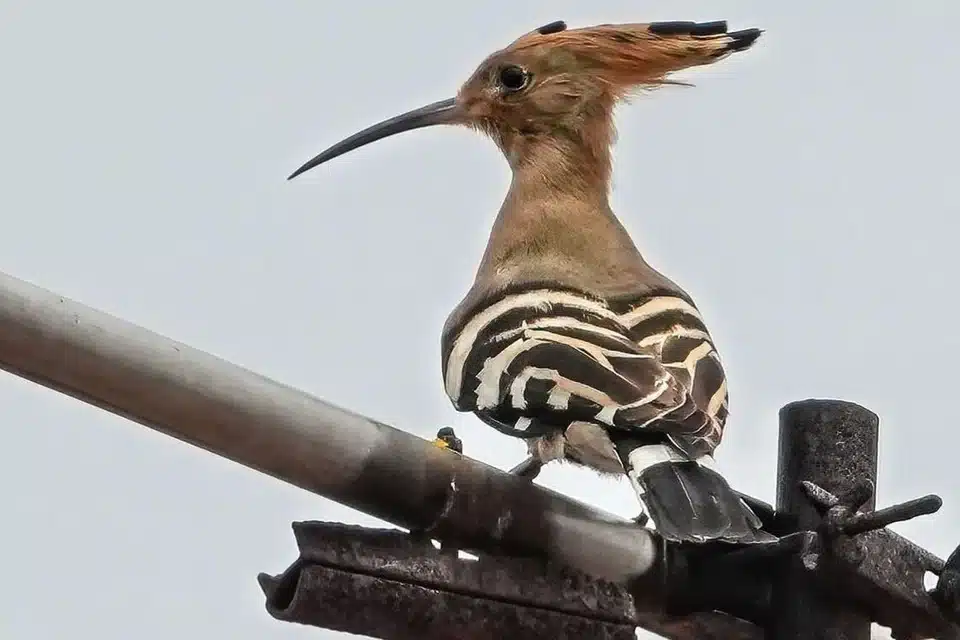 Wildlife photographer Andy Chew spotted a Eurasian hoopoe in Wilkinson Road on the morning of Jan 19.
Image: COURTESY OF ANDY CHEW
A Timely Appearance and Its Significance
The timing of the hoopoe’s appearance is noteworthy, aligning with the migratory season when many species of birds escape the colder northern climates. This particular bird’s arrival was not entirely unexpected, as Dr. Yong Ding Li, an expert at BirdLife Asia, pointed out: “Migratory birds don’t see the boundaries of countries,” referring to how these birds are not confined by national borders in their journeys. Dr. Ding Li further explained, “It was only a matter of time that a hoopoe would show up in Singapore,” reinforcing the idea that migratory patterns are fluid and can shift in unpredictable ways due to changes in the environment.
Birdwatchers were thrilled to witness this phenomenon, with many capturing photographs and videos to document the bird’s movements. The hoopoe, often known for its butterfly-like flight, captured the hearts of local residents as it perched on trees, providing ample opportunities for photography. The bird remained in the area for several days, offering a rare chance to observe its behavior in an urban setting. As reported by The Straits Times, locals were not the only ones drawn to the sighting, birdwatchers from nearby regions also flocked to Singapore to witness the bird in person, a clear indication of the hoopoe’s importance to the global birdwatching community.
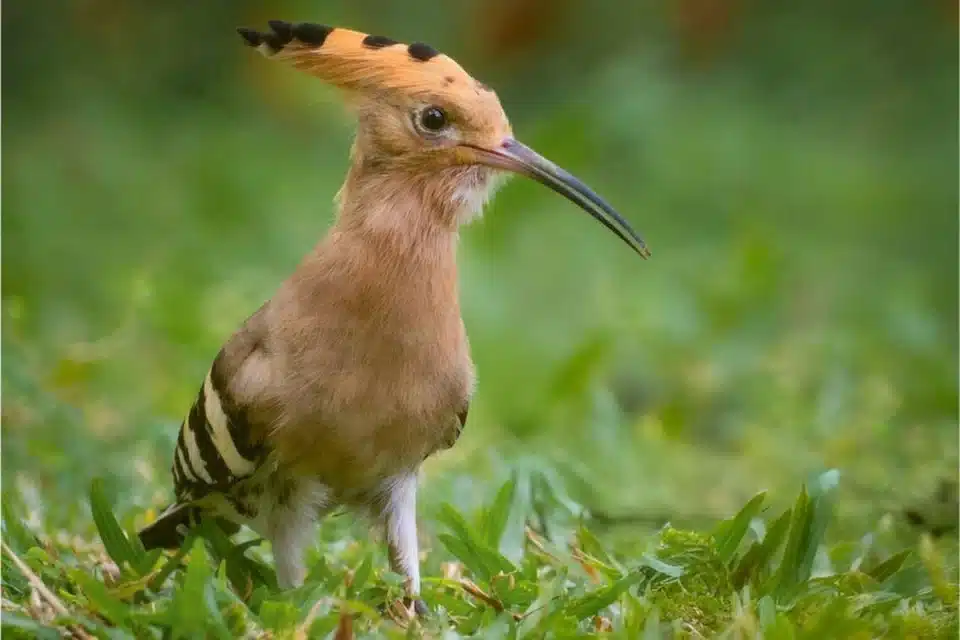 Mr Fabius Tan Pin-Qin spotted a Eurasian hoopoe in Tanjong Katong on Jan 18, having heard the news about the bird’s visit here the day before.
Image: COURTESY OF FABIUS TAN PIN-QIN
Scientific Value and Conservation Efforts
Beyond the excitement of spotting a rare bird, such encounters hold significant scientific value. According to experts, sightings like this one provide essential data for tracking migratory species, assessing the health of populations, and understanding the broader environmental conditions that affect wildlife. This type of information is invaluable for conservationists and researchers who work tirelessly to monitor species trends and develop strategies for habitat preservation.
In the case of the Eurasian hoopoe, the sighting offers valuable evidence that can help conservationists better understand the bird’s migratory patterns. Researchers can use this data to monitor changes in climate and weather patterns, which in turn can affect the distribution of species across the globe. The presence of the Eurasian hoopoe in Singapore may be linked to changes in migratory routes caused by shifts in weather, seasonal patterns, or other environmental factors. These types of sightings are becoming increasingly important as conservation programs seek to protect species that are vulnerable to habitat loss and climate change.