
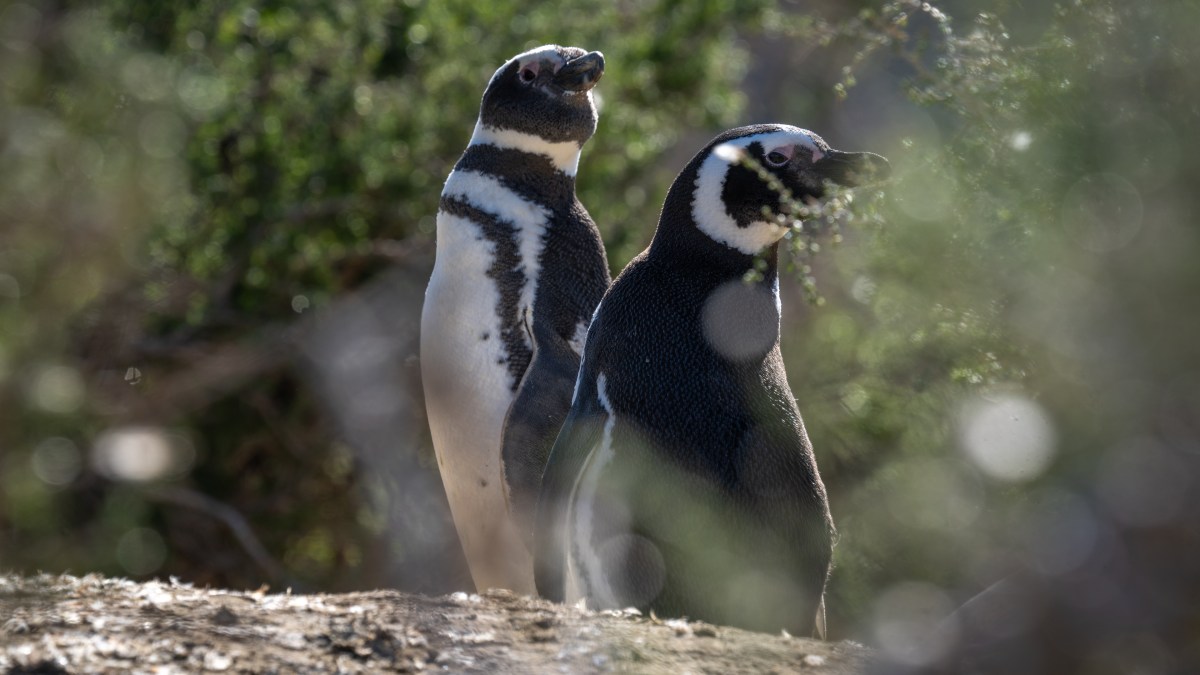
When you consider which predators penguins should be most afraid of, killer whales, sharks and seals may spring to mind. And perhaps polar bears, if you have confused the Antarctic with the Arctic. But few would think of pumas.
The big cats are increasingly killing penguins in an escalation of a surprising territorial dispute in the Patagonia region of Argentina, researchers from the University of Oxford have found.
Over the past century, Magellanic penguins have increasingly migrated to the Argentinian mainland from Atlantic islands, largely due to the “absence of terrestrial predators”, scientists said.
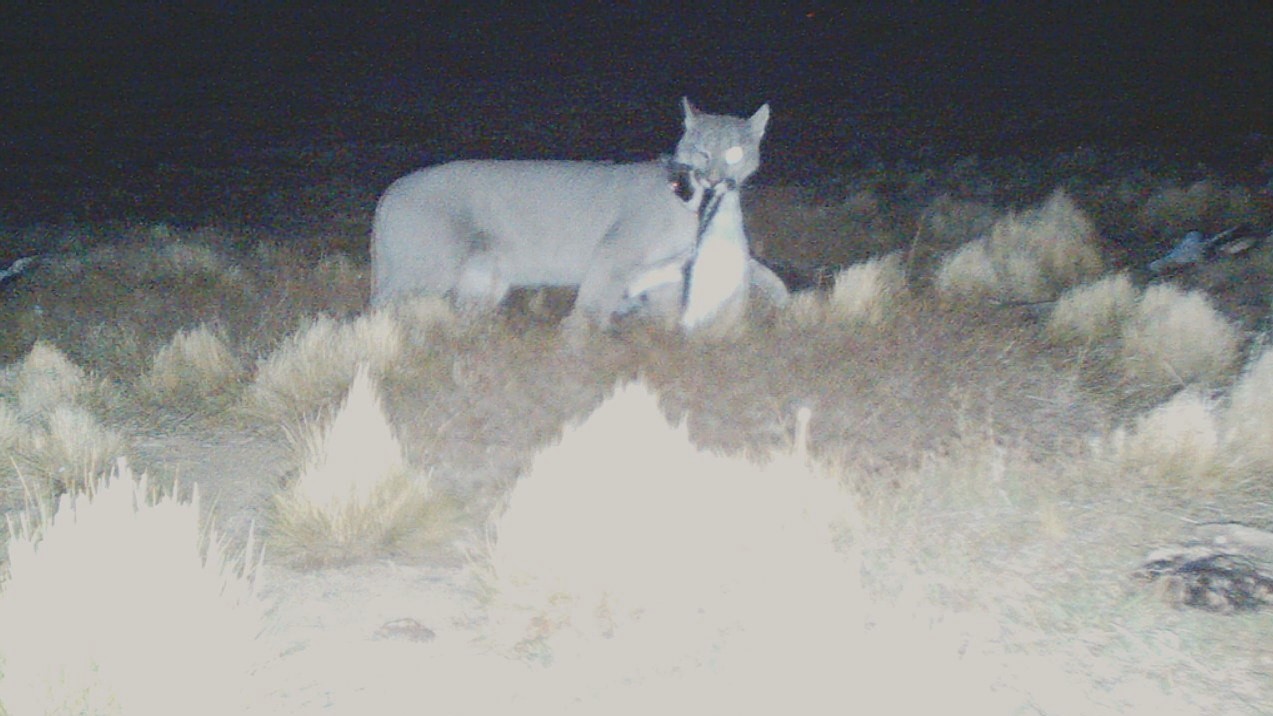
A camera trap image shows a puma with a penguin in its jaws
ESTEBAN FRERE/THE UNIVERSITY OF OXFORD
Their safety from predators has been relatively short-lived, however.
Cattle-ranching was largely abandoned in southern Argentina in the 1990s. Since then, “pumas have been recolonising their historical ranges in this area,” researchers said. “For the first time, this brought them in contact with Magellanic penguins … Being largely defenceless, the penguins became an easy target for the large carnivore.”
Over a period of four years, pumas in the Monte Leon national park on the Patagonian coast killed more than 7,000 adult penguins, accounting for almost 8 per cent of the adult population.
In a large number of cases, the pumas are not killing the penguins for food, leaving their carcasses mostly uneaten. Melisa Lera, lead author of the study, published in the Journal for Nature Conservation, said: “The number of carcasses showing signs of predation we found in the colony is overwhelming, and the fact that they were left uneaten means pumas were killing more penguins than they required for food.
“This is consistent with what ecologists describe as ‘surplus killing’. It is comparable to what is seen in domestic cats when prey are abundant and/or vulnerable. Ease of capture can lead to cats hunting more birds, even when they do not end up actually eating them.
“We needed to understand if the penguin colony’s persistence could be threatened due to this behaviour.”
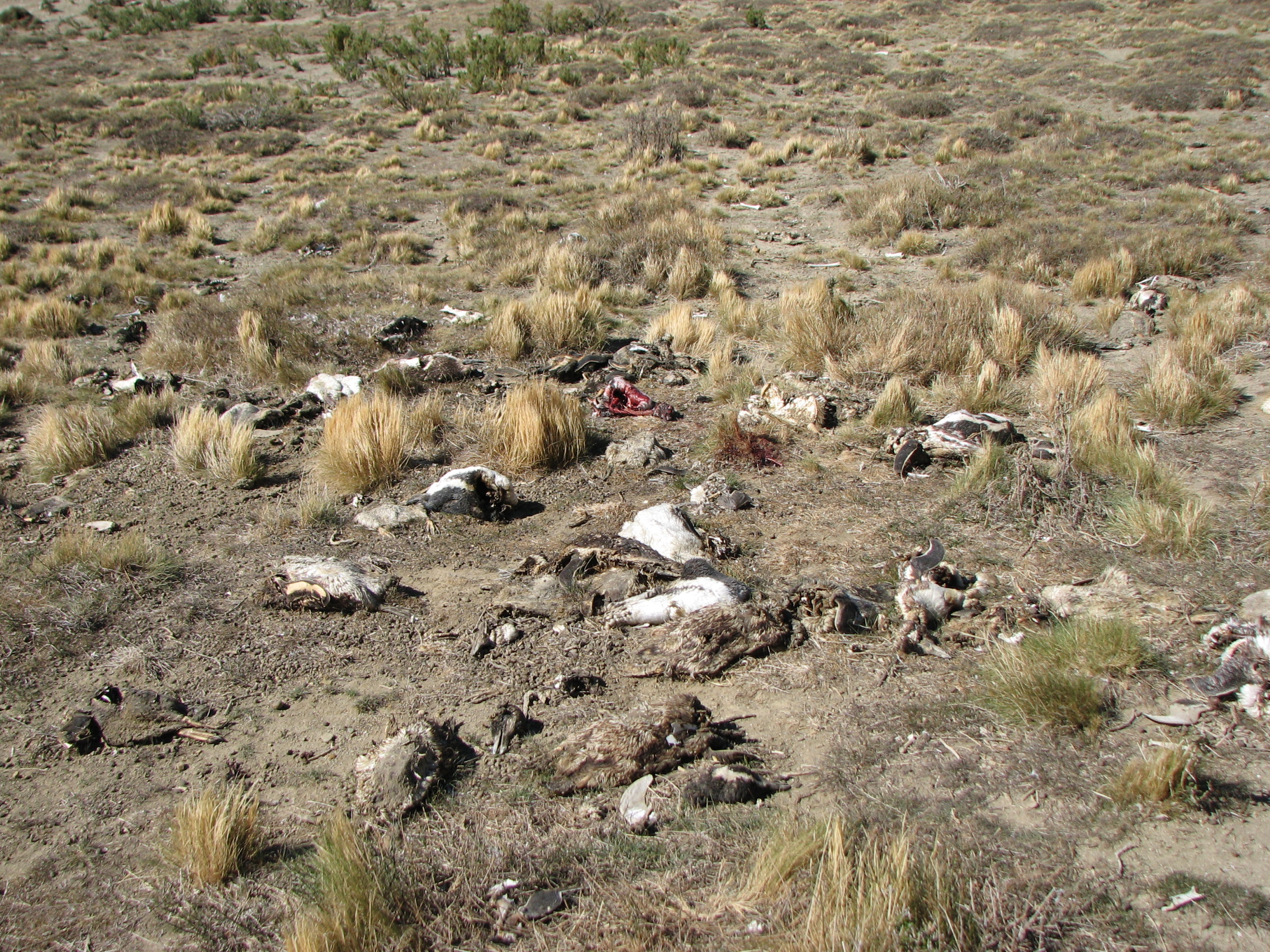
Penguin carcasses have been left by attacking pumas as they increase their territory
ESTEBAN FRERE/THE UNIVERSITY OF OXFORD
The penguin colony in the park was under threat, but more from low levels of breeding success and the reduced survival rates of young penguins than from the puma threat, the researchers said.
The data behind the study was collected from 2007 to 2010, but has only now been analysed to examine the impact of puma predation. Looking at the current situation, researchers said that the largest colonies in the region were likely to be “resilient to puma predation” but that smaller colonies may find themselves at greater risk.
The study found that “pumas caused measurable penguin mortality and can slow population growth”, adding: “The number of penguins killed was remarkably high for the number of predators present.”
Scientists often find themselves surprised to observe new behaviours when changes in human activity lead two species of animal to be brought together in the same territory for the first time, or for the first time in centuries.
A killer tortoise was observed for the first time in 2021, with footage recorded in the Seychelles of a tortoise hunting and then devouring a tern chick. The species had previously been considered a strict herbivore.
It raised the question over whether the hunting was a newly developed behaviour in the tortoises, or whether they were reviving a lost art. Conservation efforts in the islands had led tortoise and seabird populations to increase to levels not seen in centuries.