
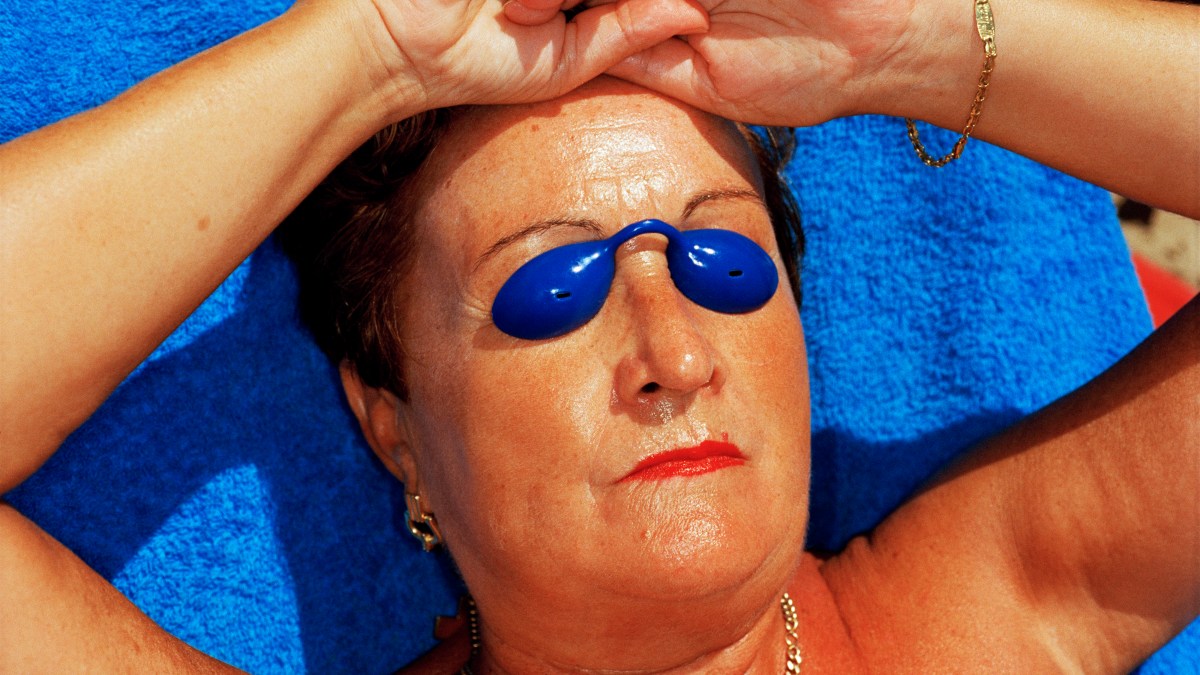
In Britain, the photographer Martin Parr was initially deemed cruel for his satirical work because it seemed to make fun of ungainly working-class people to entertain the London art audience.
In France, however, Parr was seen “like a rock or a movie star”, according to a new exhibition paying tribute to the late photographer, who died in December aged 73.
Global Warning at the Jeu de Paume in the Tuileries Gardens, the premier Paris showplace of the photographic and digital image, was organised by its director, Quentin Bajac, and Parr over 18 months. Parr’s unexpected death, from blood cancer, has turned it into a homage to an artist who is revered in France as much as Henri-Cartier Bresson and the other post-war pioneers of street photography.
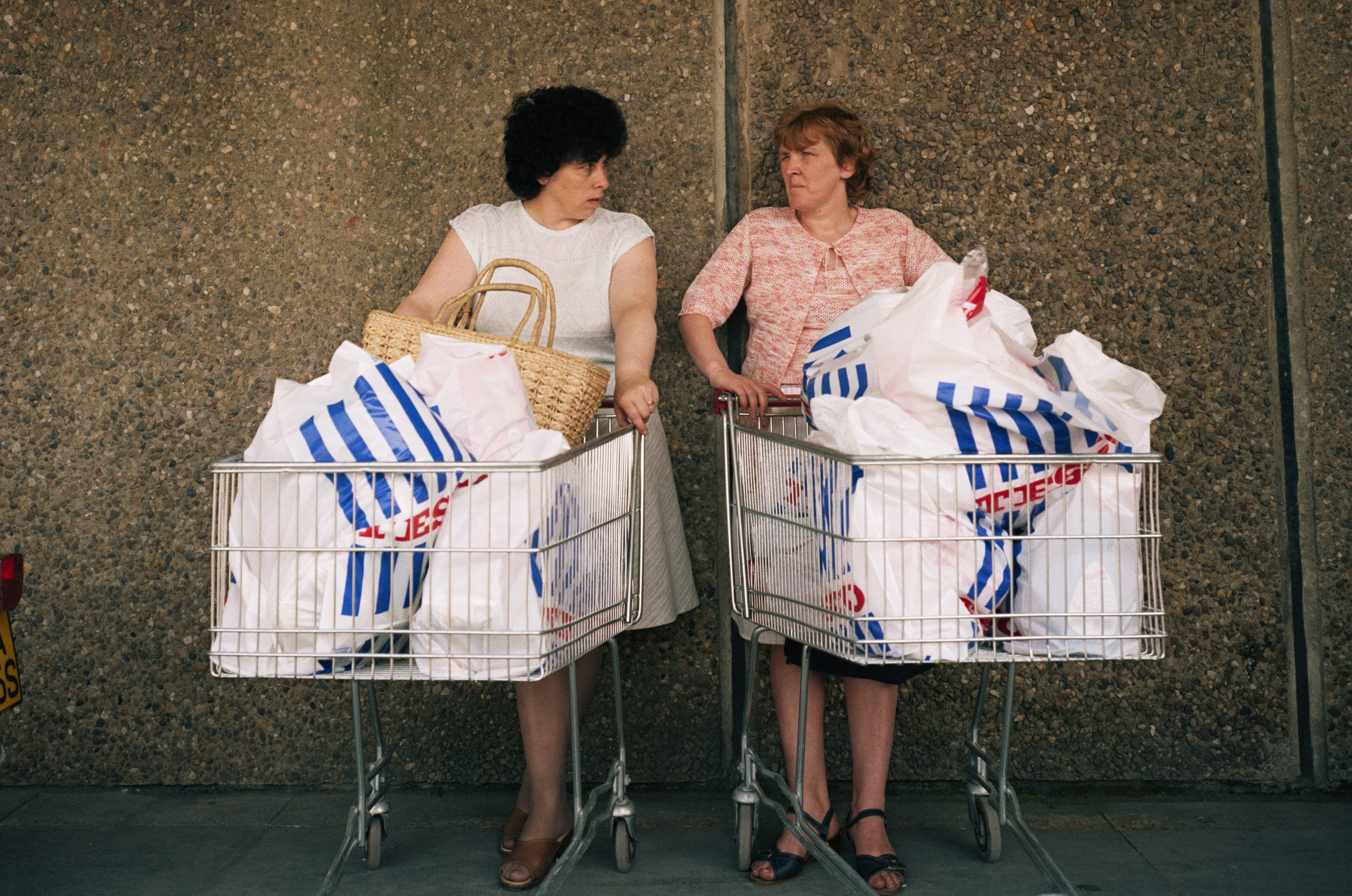
Parr captured Britons at the shops and on holiday
MARTIN PARR
MARTIN PARR/MAGNUM PHOTOS
“One could say … that he invented a genre, with those garish, satirical images of contemporary society,” Les Echos newspaper said in one of many glowing reviews for the exhibition that runs until May 24. L’Obs magazine called the Surrey-born Parr “the most popular photographer of the 21st century”. His corrosive regard shaped the way people take pictures, it said: “We all have a little bit of Martin Parr in our mind’s eye.”
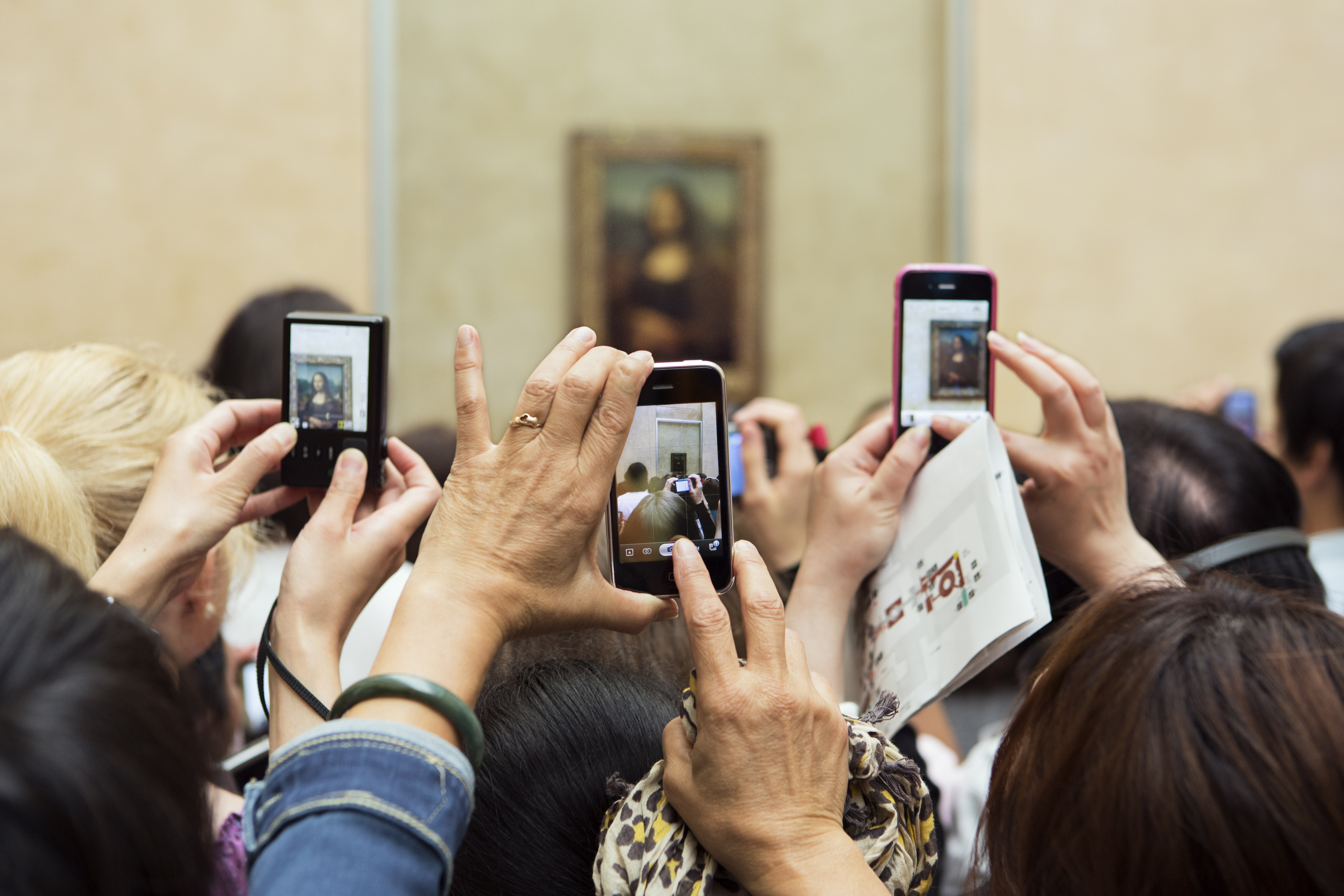
An alternative view of the Mona Lisa in the Louvre
MARTIN PARR/MAGNUM PHOTOS
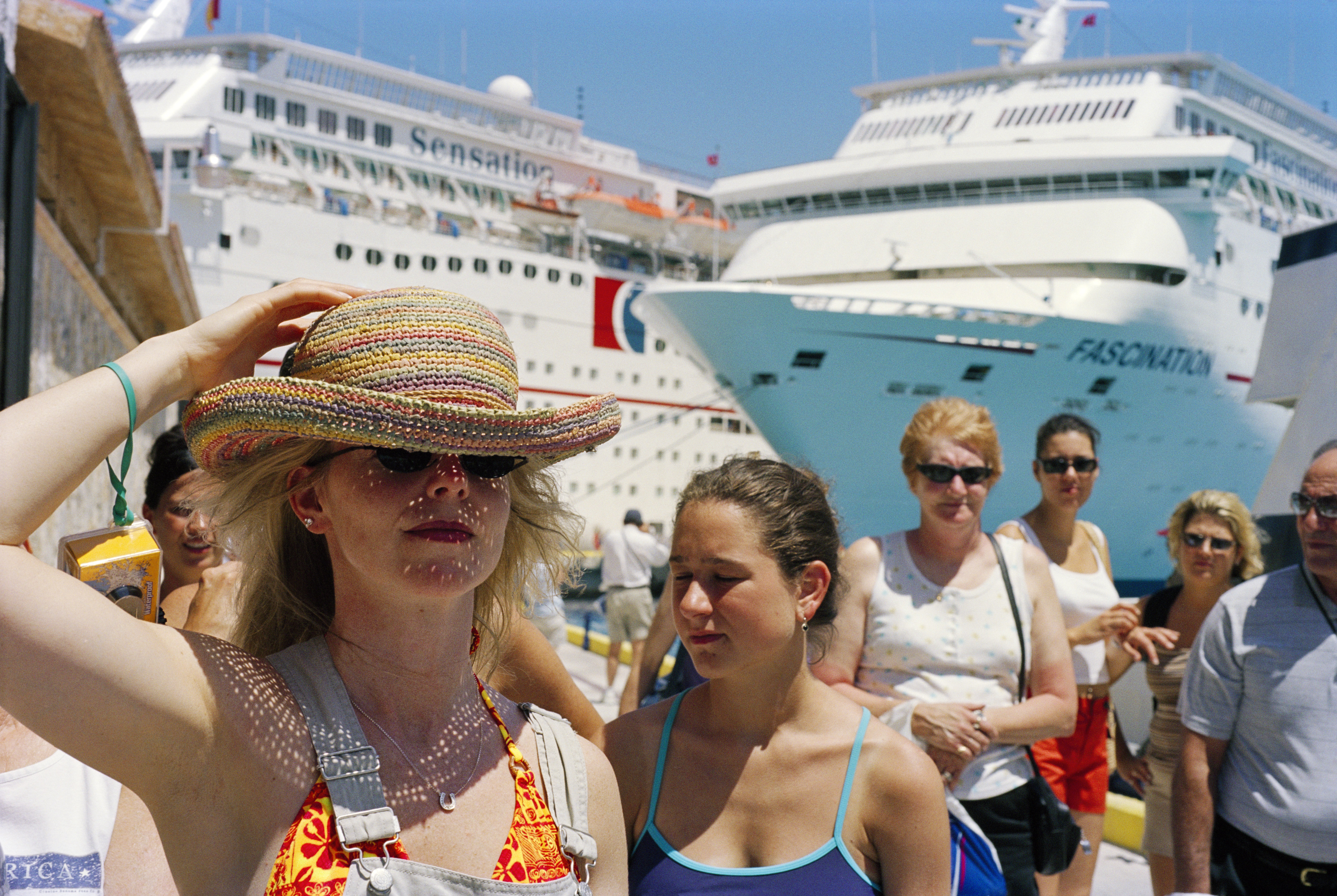
Cozumel, Mexico, 2002
MARTIN PARR/MAGNUM PHOTOS

Miyazaki, Japan, 1996
MARTIN PARR/MAGNUM PHOTOS
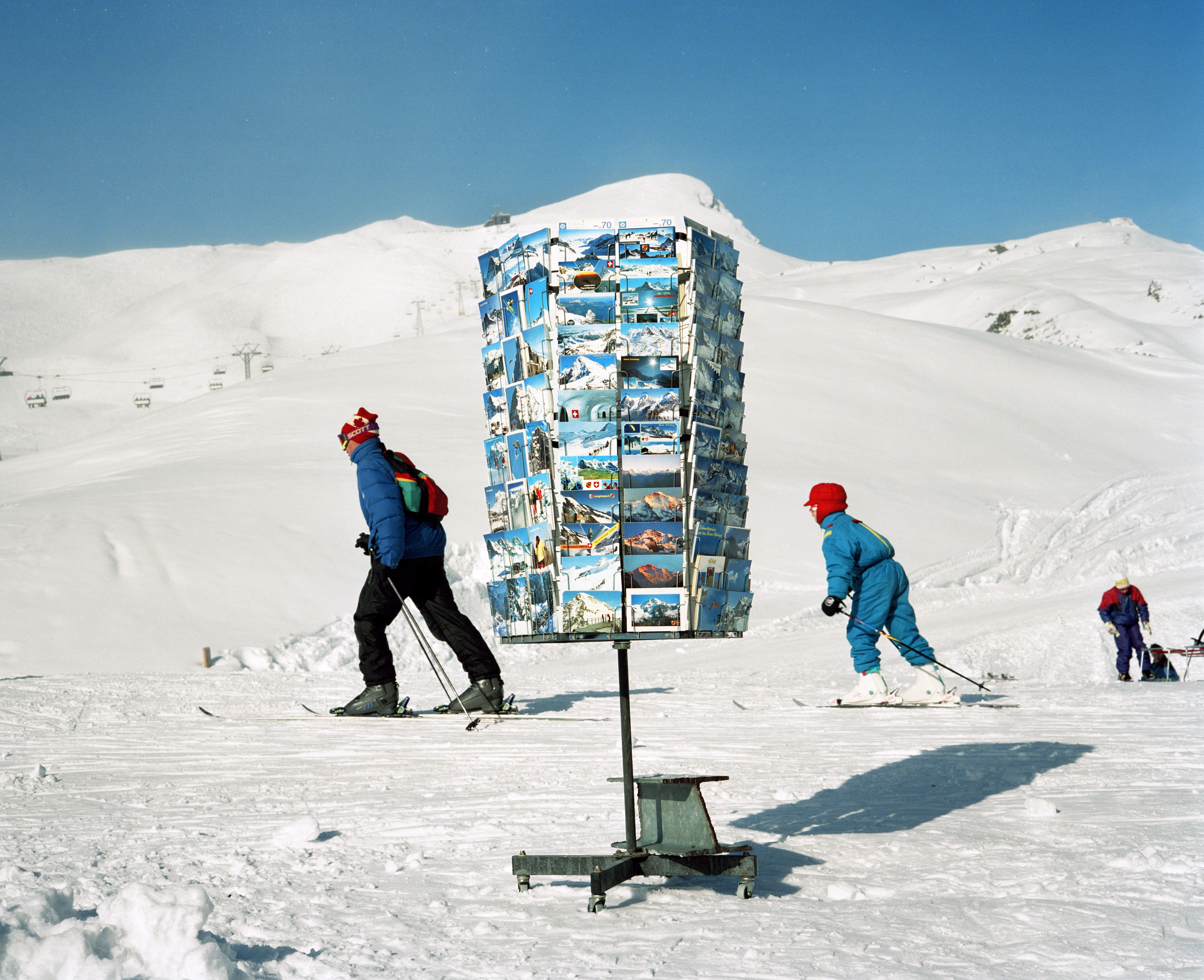
Switzerland, 1994
MARTIN PARR/MAGNUM PHOTOS
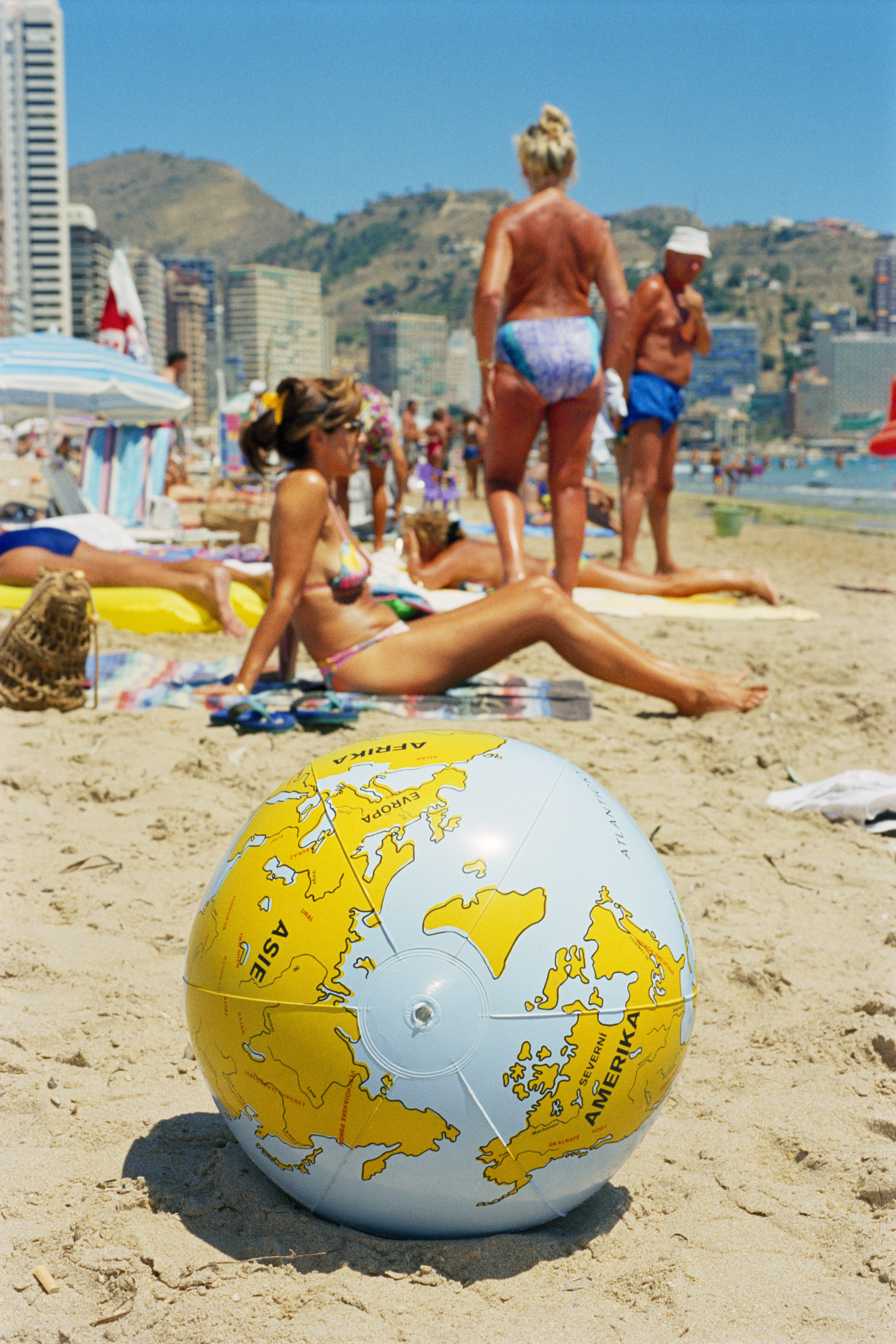
Bajac has given a political twist to the show, casting Parr’s satirical eye for the banal, from seaside sunbathers to Tesco shoppers, into a warning about overconsumption and the other “human behaviours driving contemporary climate change”.
Posters at 17 Paris Métro stations advertise the retrospective with walls of garish, hyper-coloured images of tourists in selfie-stick trances, discarded junk food and other portraits of tacky consumer life.
“Parr’s corrosive irony places him within a long tradition of British satire: his sharp wit and deadpan humour deliver a critical, and at times merciless, view of the world we inhabit,” says Bajac’s introduction.
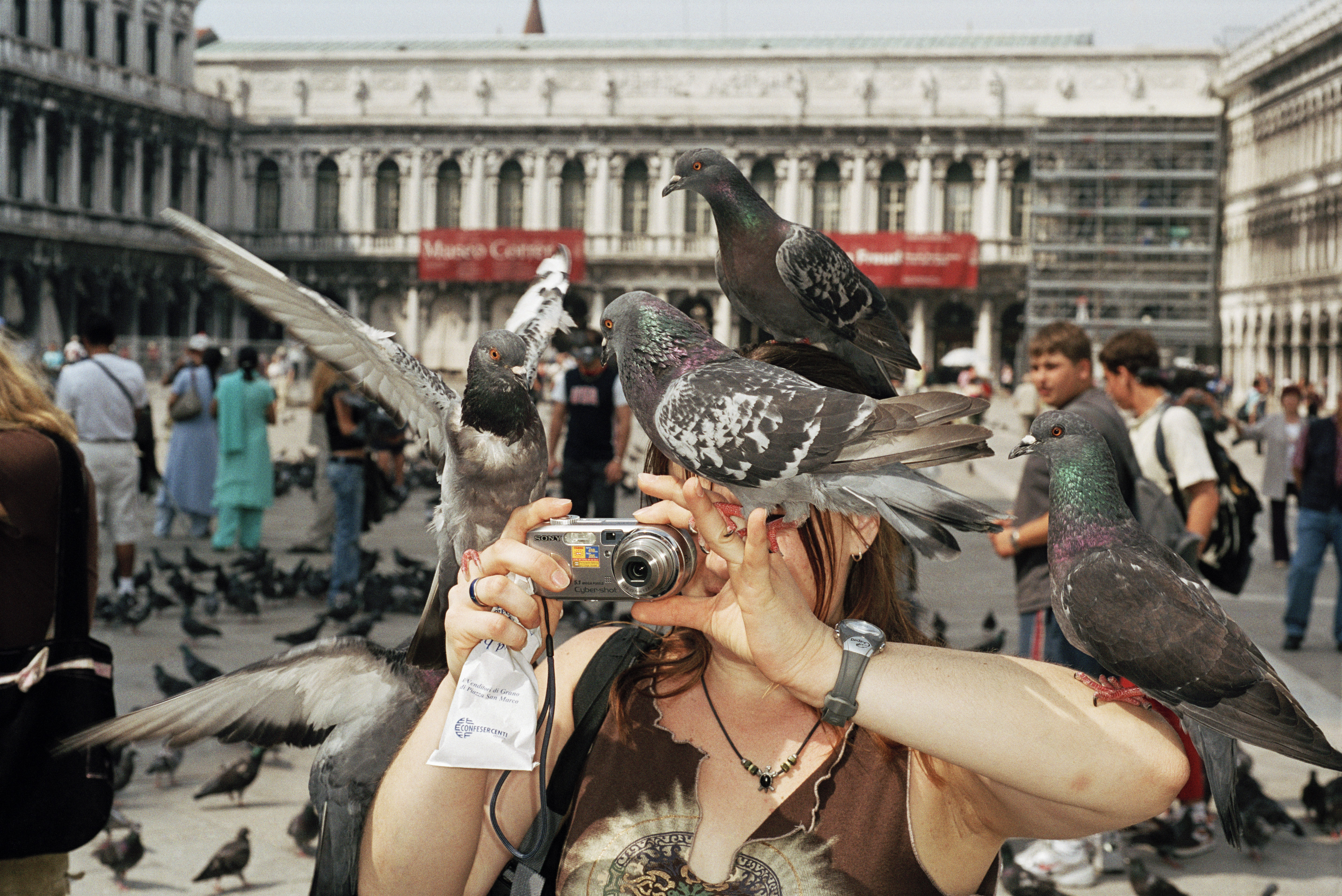
Venice, 2005
MARTIN PARR/MAGNUM PHOTOS
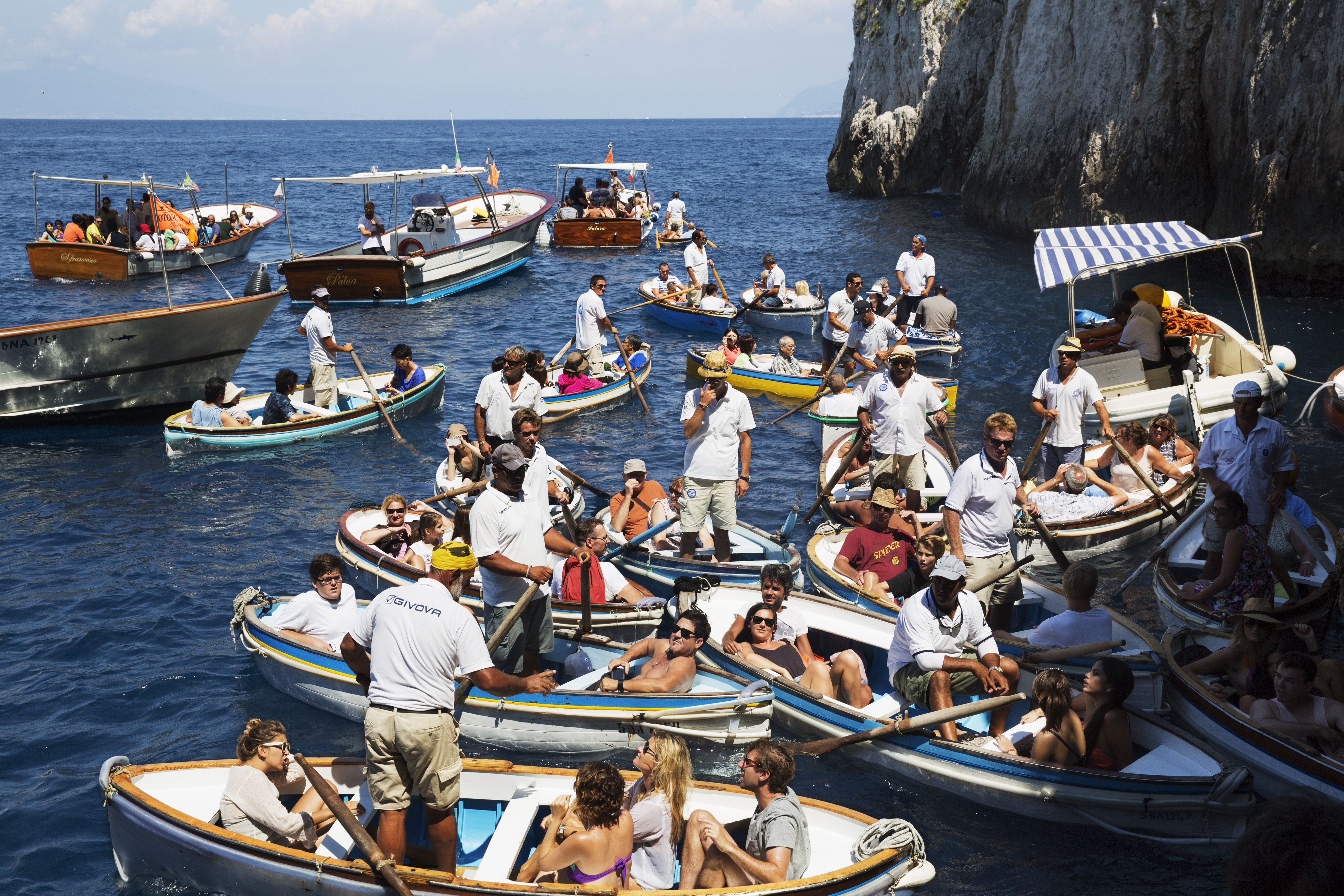
Sorrento, 2014
MARTIN PARR/MAGNUM PHOTOS
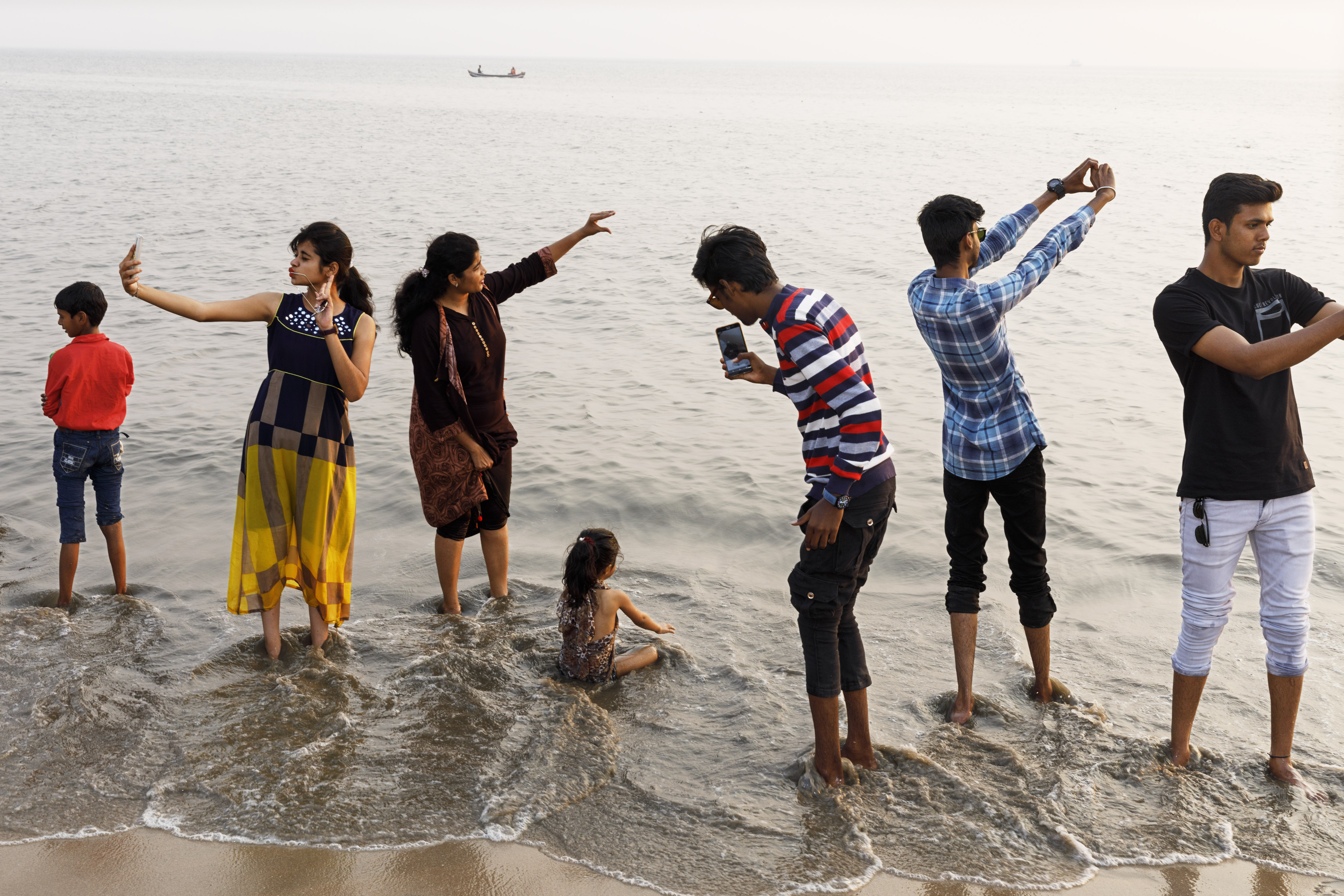
Chowpatty beach, Mumbai, 2018
MARTIN PARR/MAGNUM PHOTOS
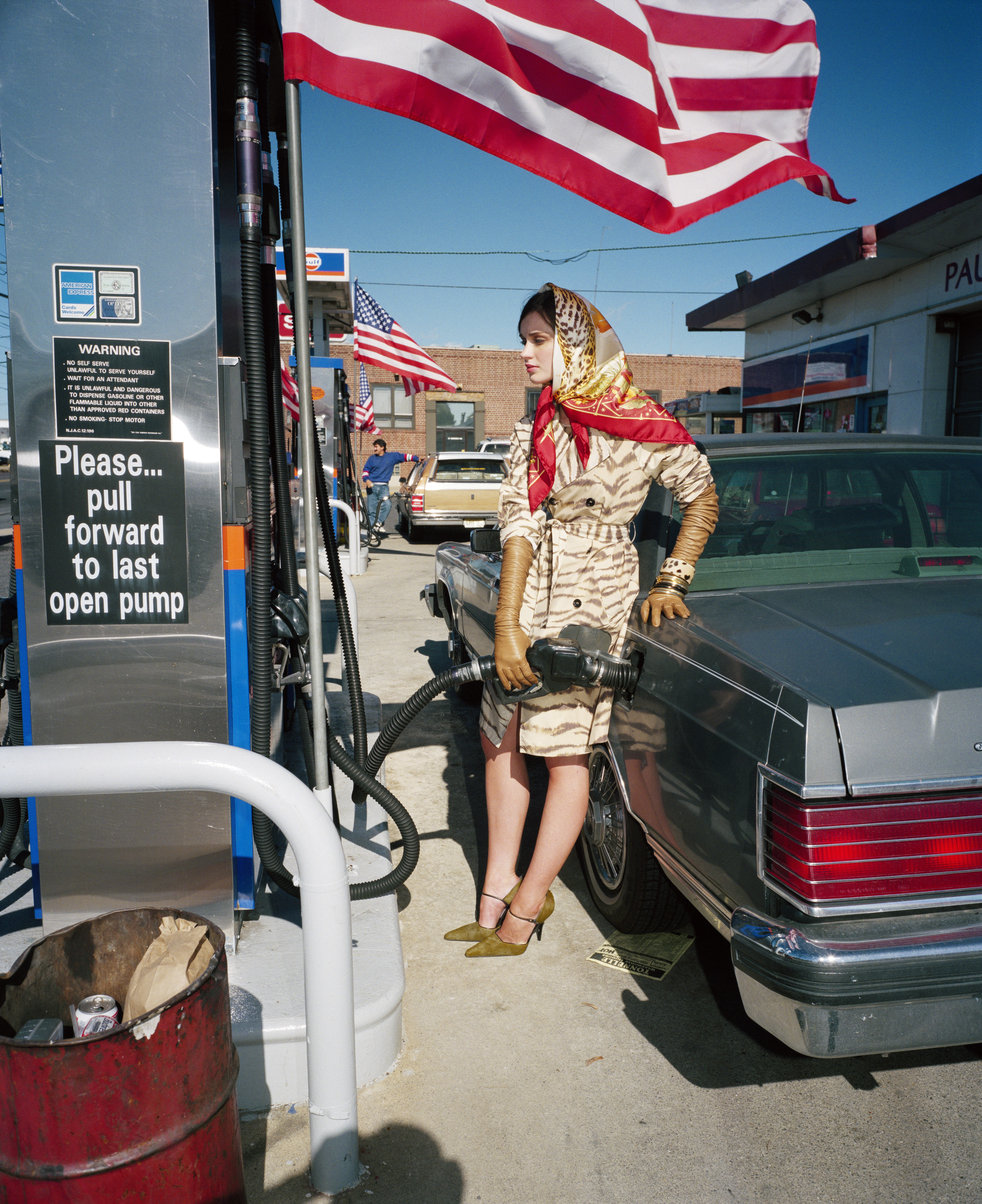
New York, 1999
MARTIN PARR/MAGNUM PHOTOS
Parr was initially reluctant to accept the intellectual gloss for his work. “He was very keen not to come across as a whistleblower, or an activist photographer but … he was pleased that we might adopt a more concerned, slightly more anxious reading of these images,” Bajac added.
“He was concerned about how his work would be interpreted after his death,” Bajac said at the opening. “He wanted people to appreciate not only the humour, but also the documentary dimension of his work. He was someone who documented the civilization of leisure, despite giving it a light and humorous dimension.”
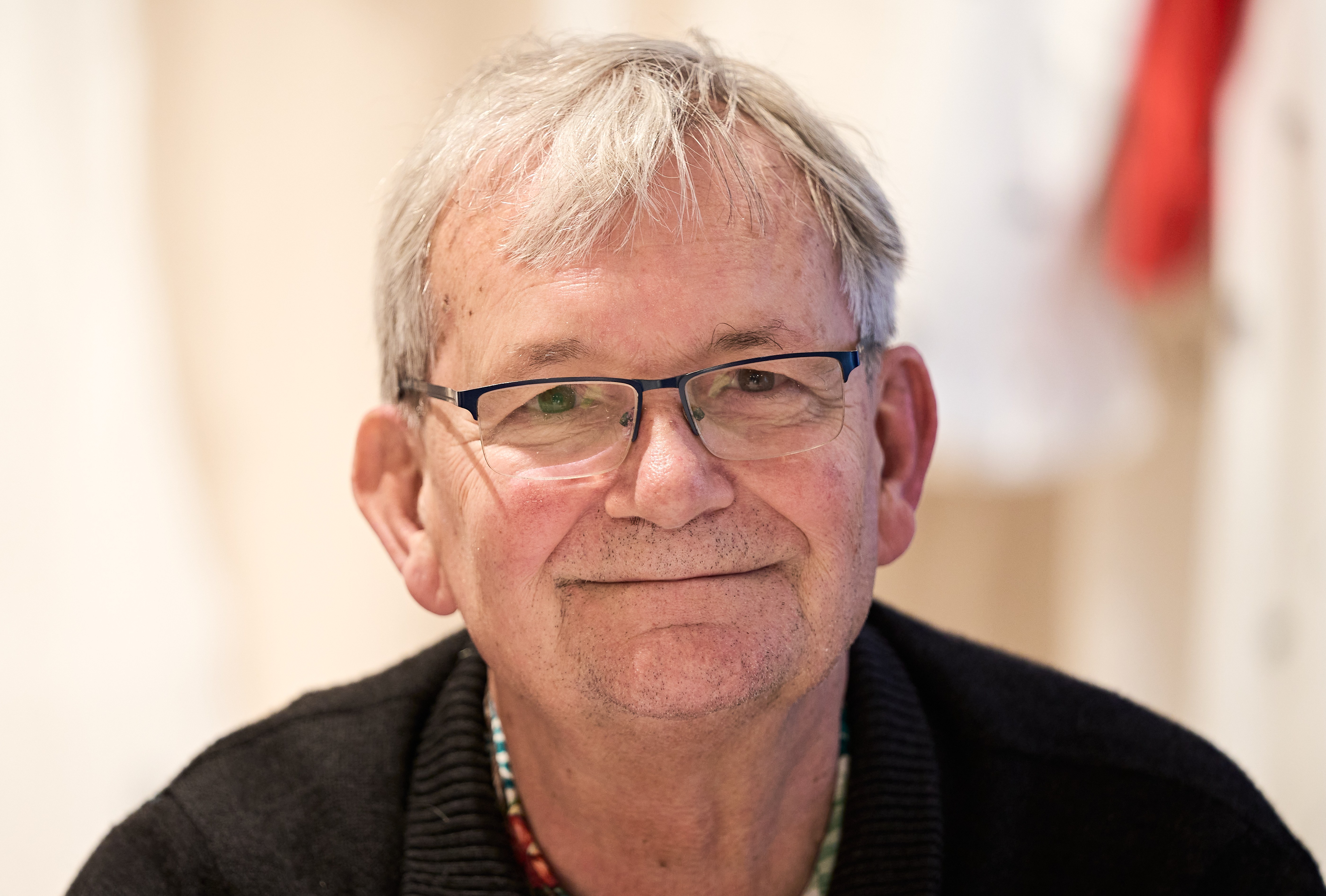
Parr himself in Paris, 2023
FRANCOIS DURAND/GETTY IMAGES
The 180 images on display span Parr’s interests in leisure, consumption, tourism, animals and technology.
They include his famous early work, assembled in his 1986 book The Last Resort, featuring reddened sunbathers and shabby looking holidaymakers in the rundown atmosphere of New Brighton beach on the Wirral.