
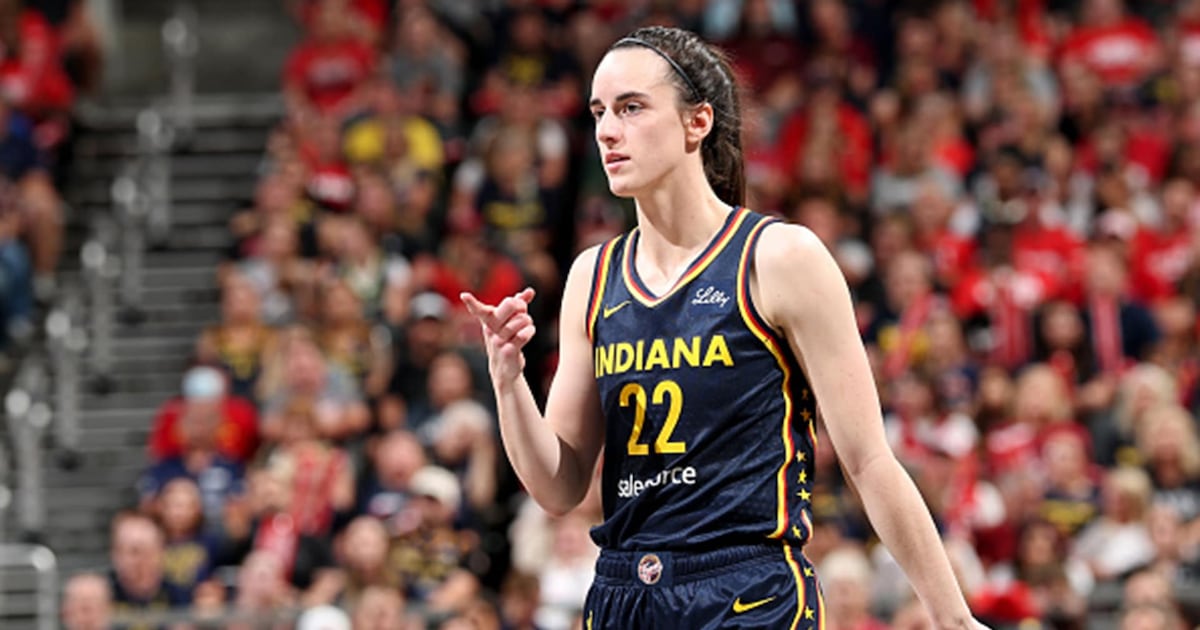
NEW YORK — The WNBA and the players’ union met for about three hours Monday in the first in-person bargaining session involving players since October, a gathering one source close to the situation described as “helpful” as both sides work toward a new collective bargaining agreement.
The gathering was based more on sharing the sentiments, philosophies and perspectives driving each side’s positions and having honest dialogue around those viewpoints, sources said, as opposed to exchanging new proposals.
Sources told ESPN it was valuable for both sides to meet in person, ask questions and receive direct answers, as they look to break the monthlong stalemate in talks, with the 2026 season scheduled to begin in less than 100 days and the need for a deal increasingly urgent.
There was some disappointment on the players’ side, another source with knowledge of the situation said, because the league did not offer a response to the union’s proposal that was submitted in late December. The expectation coming out of Monday’s meeting, the source said, was that the league now understood that it was its turn to respond.
Alongside Women’s National Basketball Players Association staff, a contingent of players attended in person: WNBPA president Nneka Ogwumike, treasurer Brianna Turner, vice president Alysha Clark and player representative Stefanie Dolson. First vice president Kelsey Plum and vice president Napheesa Collier were scheduled to attend in person but had travel issues coming from Miami on Sunday night.
As the players’ delegation left the meeting, Ogwumike declined to comment to reporters.
A source said that about 40 players, including members of the executive committee who couldn’t attend in person, tuned into the meeting over videoconference.
Ownership was represented by multiple members of the league’s labor relations committee: Connecticut Sun president Jennifer Rizzotti, Seattle Storm owner Ginny Gilder and Phoenix Mercury owner Mat Ishbia (via videoconference). New York Liberty owner Clara Wu Tsai and Storm minority owner Sue Bird, a former player and executive committee vice president, also were in attendance.
Players and the league have been far apart as they work to determine what a new revenue sharing system should look like, but players have articulated they also care about establishing professional standards for facilities and staffs, enhancing benefits for retired players and maintaining team housing.
Sources close to the process told ESPN heading into Monday that they believed the meeting could be “pivotal” in determining whether a new collective bargaining agreement was reached soon or players decided to strike.
The WNBPA body voted in December to give the seven-player executive committee the ability to call for a strike “when necessary.”
The league has proposed a system in which players would receive, on average, 70% of net revenue (defined as revenue with expenses deducted) over the lifetime of the agreement. Salaries would be projected to rise above $1.3 million (up from $249,244 in 2025) and grow to nearly $2 million over the life of the deal; average salaries would rise to above $530,000 (up from $120,000 in 2025) and grow to more than $770,000 over the life of the deal; and minimum salaries would increase to in excess of over a quarter of a million in the first year alone (up from $66,079 in 2025).
The league’s proposal features a $5 million salary cap in 2026 that in subsequent years would increase in line with revenue growth, with players receiving separate revenue sharing payouts following each season.
The WNBPA, meanwhile, has proposed that players receive about 30% of gross revenue (revenue before deducting expenses) with a $10.5 million salary cap. Multiple sources told ESPN that the league projected that plan would result in $700 million in losses over the course of the agreement and that it would jeopardize the league’s financial health. But the union says it believes its revenue sharing model still puts the league in a “profitable position,” a separate source close to the negotiations said, and calls the league’s projected loss figure “absolutely false.”