

I’m sure most, if not all, of us have heard the words “toning muscle” thrown around gyms, workout classes and online. “I don’t want to get bulky, I just want to tone up,” is what I hear many female clients say, though it’s not exclusive to women.
But guess what? The toning myth is the result of very, very clever marketing that has spanned decades. The truth is, you can’t “tone” muscles. It sounds good, though, doesn’t it? In reality, you can only grow, shrink, or reveal it.
What we mean is that toning is really just referring to muscle definition, which is the result of building lean muscle combined with lowering body fat percentage. So, rather than “firming” or “toning” muscles, you can grow them through resistance training and show them with fat loss; this creates a leaner look, which is the “sculpted” appearance celebs (and their trainers) love to tout.
If you’re ready to bust some fitness myths, here’s everything you need to know about toning, and why it definitely isn’t a thing. Plus, what you need to focus on instead.
What is body recomposition?

(Image credit: Getty/Mike Harrington)
Toning as an aesthetic concept is probably one of the biggest fitness myths out there. Instead, you’ll need to focus on building muscle through resistance training while losing body fat to reveal muscle growth — this is called body recomposition.
To achieve a firm, sinewed look people call “toned,” you don’t need more repetitions; you need a shift in strategy. Here is the science-backed truth about reshaping your body — and the two specific variables that matter most.
You may like
Principle 1: Building muscle

(Image credit: Getty Images)
Even if we were to tone muscle, you can’t tone muscle you haven’t built, so let’s talk about muscle growth first — a process called hypertrophy.
Workout styles like CrossFit, associated with higher intensity and maximal lifting, can help people pack on size, which is (partly) why many believe that if they lift weights, they’ll become bulky.
That isn’t necessarily true, but it’s why low-impact training with light weights, like Pilates, gets associated with buzzwords like “Pilates body,” “sculpting,” “firming,” and, you guessed it: “Toning.”
In fact, the Pilates combination of light weights and high reps actually focuses on building endurance, stability, flexibility and functional strength. It’s not the gold standard of building muscle.
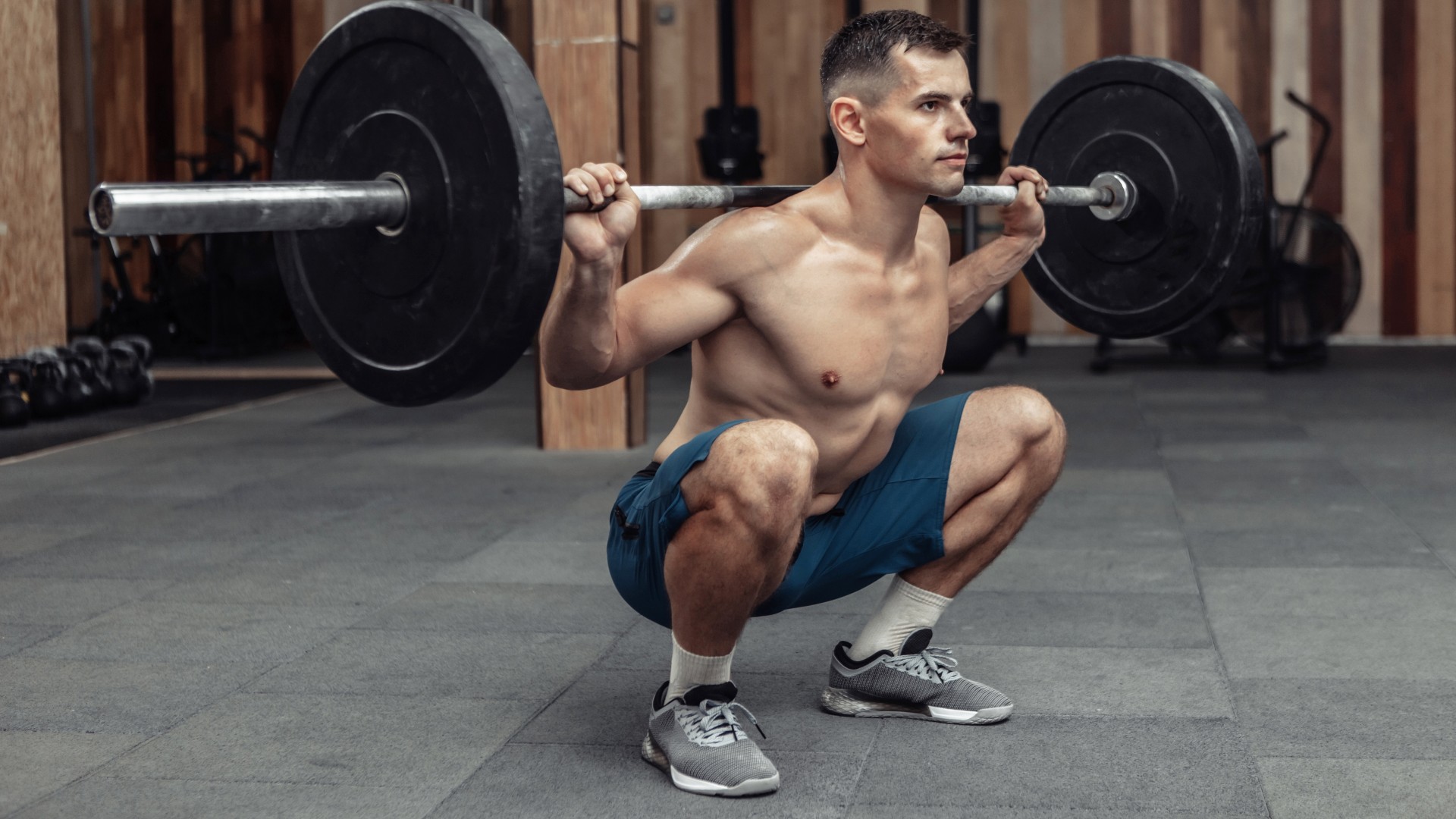
To grow muscle, focus on resistance training and submaximal loading, meaning you’ll lift at a percentage of your maximum ability for a number of repetitions and sets (usually somewhere between 3-4 sets and 6-12 reps), and roughly 4-8 exercises. Think bench press, squats, lunges, deadlifts and so on.
You may like
Over time, you’ll gradually increase your lifting volume, creating stimulus for muscles to grow, known as progressive overload. You can check out this free four-week full-body workout program for muscle growth to get an idea of how your program would look. As always, no training plan should look the same for everyone.
While strength training focuses on making muscles stronger, resistance training for hypertrophy means growing muscle volume (size) — two different processes, two different outcomes. I recommend learning more about the difference between strength training vs hypertrophy vs endurance to help you understand what is actually happening (and not happening) to your muscles when you train, and how to tailor your workouts to them.
Principle 2: Fat loss
(Image credit: Getty/Ridofranz)
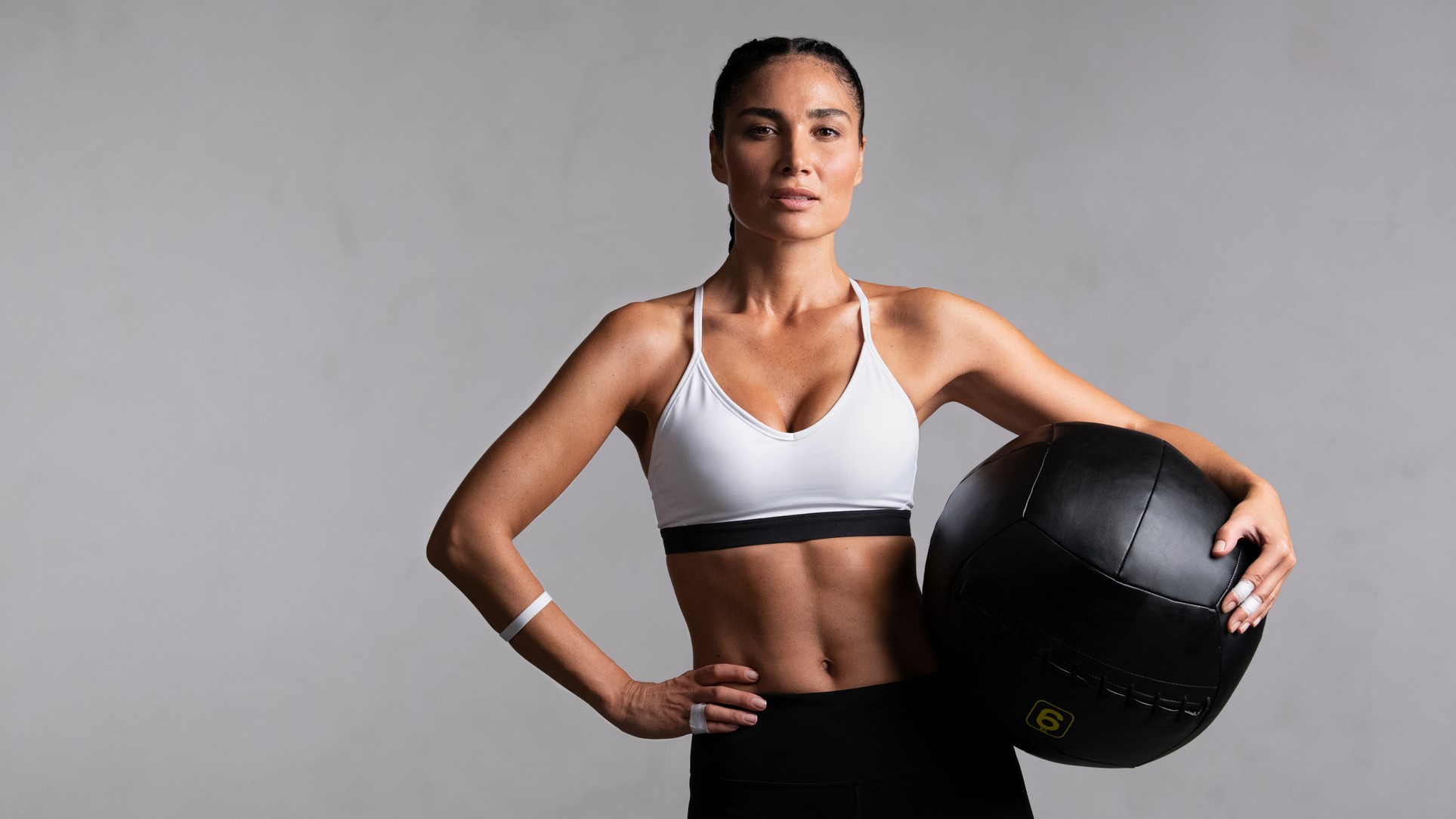
Think about muscle definition as two key pillars: Hypertrophy builds shape (growing muscle size) while body composition reveals that shape (fat loss or maintaining previous fat loss).
If you’ve built muscle but can’t see it, you may want to consider the second pillar. This primarily occurs through a sustainable calorie deficit — consuming fewer calories than you expend in a day. Think about a set of scales with energy expenditure on one side and food on the other. When one is greater, the scales shift in favor.
It takes months, rather than weeks, of consistency (like with weight training) to ultimately achieve a higher muscle-to-fat ratio. But while I don’t recommend counting calories long-term, it can be a useful tool for understanding more about the macronutrients (proteins, fats and carbs) you consume and your wider dietary needs.
If you hold on to fat in certain areas, please ignore any trainer who tells you it’s possible to strip fat from one place through diet or exercise: “This exercise will give you a snatched waist and rippling abs,” for example. Fat spot-reduction is another fitness myth we like to bust here at Tom’s Guide, so focus on fat loss holistically and train your whole body. You simply cannot target areas of fat…sadly.
Bottom line: How to get a ‘toned’ appearance
(Image credit: Shutterstock)
We’ve looked at building muscle and losing fat through training and diet; this is how you create a “toned” appearance.
And this is one for the women: There’s a “heavy lifting fallacy” I want you to ignore, which is that lifting heavy will bulk you up overnight. It’s not true, but it will create a solid foundation for the sought-after “firming up” process we’ve just discussed, and help you stay active, strong, mobile and injury-resistant. It’s the key to longevity.
The best way to build muscle is to resistance train with progressively more volume, adapting load, reps and sets over time to adequately challenge muscles and stimulate growth.
Regardless of anything else, recovery is your best friend — this is when muscle repair and growth can happen, so try to include rest days that involve genuine rest or active recovery like walks or swims.
For fat loss, protein is another best friend because it helps you stay full and provides the building blocks for muscle growth, so be sure to pack protein into your meals throughout the day if you want to build muscle or lose fat (or both).
If you’re new to the journey, don’t start too technical; focus on adding a little protein to each meal, increasing your overall intake daily. When you feel ready to get more specific with your goals, you can calculate how much protein you need to build muscle based on your individual needs.
And there’s more good news: The more lean muscle mass you have, the more calories you burn at rest, improving overall metabolism. Double win.
Bottom line
For some, focusing on one goal at a time — fat loss or muscle growth — can feel less overwhelming and more achievable. But there is no silver bullet; both occur at different rates, but they both work, and they both exist.
Attending endless Pilates classes isn’t going to sculpt the look of a toned Goddess, nor is a snatched waist waiting at the end of any abs workout.
Be patient, stick to your plan and remember that change takes time. If you feel stuck with where to start, a personal trainer can help you assess your goals and make a plan that feels doable. In the meantime, check out some of our trainer-approved helpful guides below.

Follow Tom’s Guide on Google News and add us as a preferred source to get our up-to-date news, analysis, and reviews in your feeds.
More from Tom’s Guide