
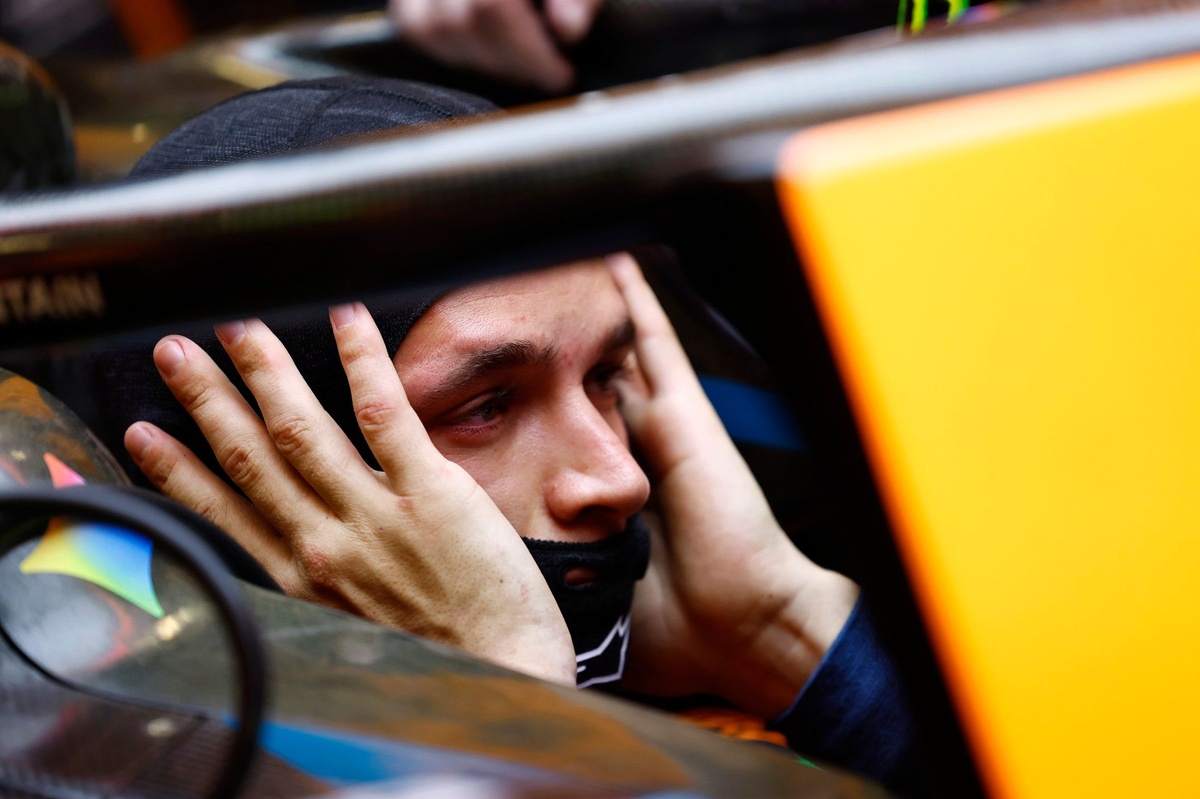
Formula 1 drivers got the first taste of their 2026 machines at the Barcelona shakedown last week, and the experience left McLaren’s Lando Norris concerned that elements of the new rules may create “more chaotic racing”.
F1 is rolling out a raft of new regulations in an attempt to bring about closer, more sustainable racing. This year’s cars will be shorter, narrower and lighter, while the power units will use a near-50:50 split in electric and combustion engine power.
Advertisement
Read Also:
Team by team: How Barcelona’s F1 shakedown went for the 2026 field
In addition, active aerodynamics on the front and rear wings are being implemented to aid straightline speeds, while a new Overtake Mode triggers the engine’s maximum power output to offer a top-speed advantage that would have previously come via DRS – which will be scrapped this year.
While the Barcelona shakedown last week didn’t offer a proper opportunity for the drivers to go racing, it did serve up a tease at how these new features will impact on-track action. When asked about his experience testing the new tech out, Norris warned that it could add an element of chaos to an F1 weekend.
Advertisement
“You can have almost more chaotic racing, depending on when people use the boost button,” Norris explained. “Because there’s a lot of straights and places, say even in Barcelona, where you don’t really deploy the battery that much – say between Turn 5 to Turn 7. But if you use boost, you gain a good amount of horsepower and you can overtake someone into Turn 7, which you’d never normally see before.
“The only thing is then you’re screwed down to Turn 10. But you’ll be able to force people more in different positions and create racing potentially in better ways than you have been able to in the past. And I think that’s probably a better thing, a good thing.”
Lando Norris, McLaren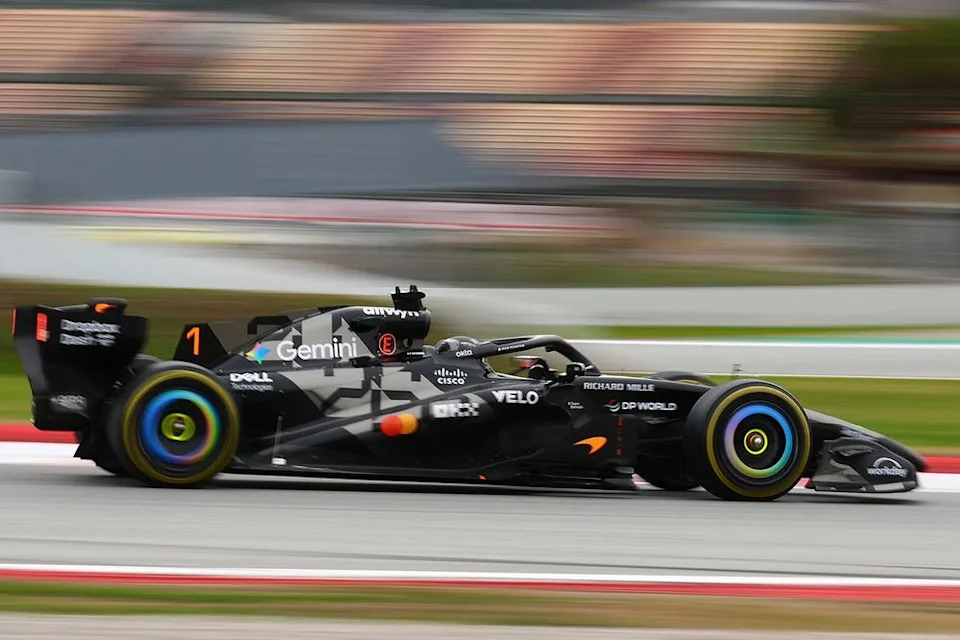
Lando Norris, McLaren
Engaging Overtake Mode or Boost Mode triggers a change in power unit performance – either setting it to its maximum output or engaging a pre-determined configuration that is set by the team. Boost Mode can be used to both defend and attack on track, providing that drivers have access to sufficient electrical energy in their batteries.
Advertisement
And that’s where the consequence of using the boost button could come back to bite some drivers, which may mean that making a move stick under F1’s new regulations is more challenging.
This, Norris believes, could lead to drivers “yo-yoing” as they repeatedly pass one another on track.
“You’re going to see potentially someone overtake, and maybe not even because they’re much quicker, but just be able to overtake,” he said. “But then [they] have a consequence of a lap or two trying to recover the battery in the correct way.
Advertisement
“As soon as you get overtaken and you’re behind that car, that’s crucial because you’ll be able to get five, 10km/h more on a straight, which is almost like what DRS was in some ways.
“So yeah, you’ll see more yo-yoing, more moves with extra speed, but then that person might have to defend more than what you’ve seen in the past, and that will create more chaos, which is great for you guys.”
Read Also:
Lando Norris: 2026-spec F1 car “feels more like an F2 car”
Advertisement
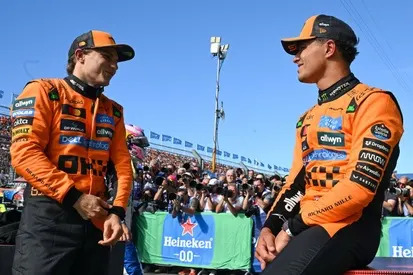
Oscar Piastri wants to leave “headaches” of controversial McLaren papaya rules in 2025
The real-world impact of this new tech remains to be seen, but Norris believes teams will try and experiment more with it over the upcoming Bahrain tests, which run from 11-13 and 18-20 February.
After that, the real test will come at the first round of the season in Australia, which kicks off on 6 March.
To read more Motorsport.com articles visit our website.