
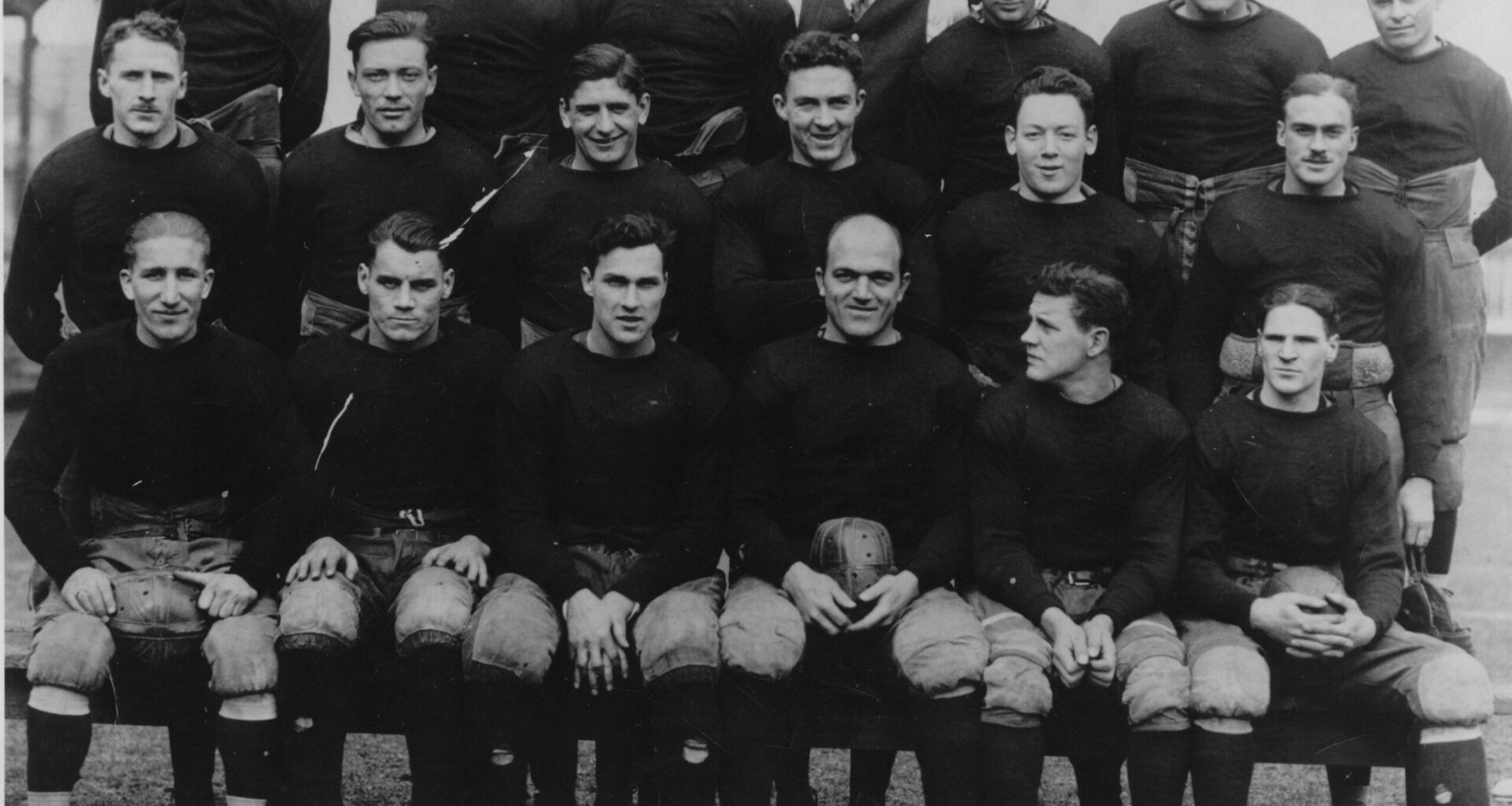
A gridiron trailblazer’s blazing speed was on display the first time he touched the ball for the Roughriders.
Robert Ellis (Stonewall) Jackson gained 45 yards on his introductory carry when the Roughriders faced the Moose Jaw Tigers in Saskatchewan Rugby Football Union action on Oct. 25, 1930.
In a dazzling debut, Jackson also scored on a fumble return to help the Roughriders win 15-5 at Moose Jaw’s Exhibition Grounds. The victory enabled the visiting side to finish its regular season with a 4-0 record.
The first Black player in Roughriders history — who resided in Regina while working as a railway porter — also appeared in three of the team’s four Western Canada playoff games.
Many of the 2,000 spectators at Regina’s Exhibition Grounds chanted “We Want Jackson!” during the Roughriders’ 23-0 victory over St. John’s College from Winnipeg in a first-round post-season game.
“Every move he made was cheered,” the Regina Leader-Post reported, “and when he brought Eddie James down on an end run, howls of joy emanated from the grandstand.”
Jackson soon became the first Black player in Grey Cup history. He was in the Roughriders’ lineup when the Ontario-based Balmy Beach Beachers won 11-6 at Toronto’s Varsity Stadium on Dec. 6, 1930.
According to research conducted by historian Dale Richter, Jackson moved to Canada from Mississippi in the mid-1920s. He and his wife, Edna, were married in Winnipeg in 1935. They settled in B.C. 20 years later.
Jackson was 71 when he passed away in Vancouver on Nov. 20, 1971.
There are few forerunners to Jackson in Canadian rugby/football history.
In a 2006 article published by the Historical Society of Alberta, Ken Penley wrote that Russell Gideon was “probably the first Black player on a senior team anywhere in Canada.” Gideon played for the Calgary Tigers from 1928 to 1933.
After Jackson spent one season with the Roughriders, he played rugby for the Saskatoon Quakers (1931) and St. John’s College (1932).
Calgary provided the opposition and the venue in 1947 when Gabe Patterson made a most auspicious debut with the Roughriders and became the team’s second Black player.
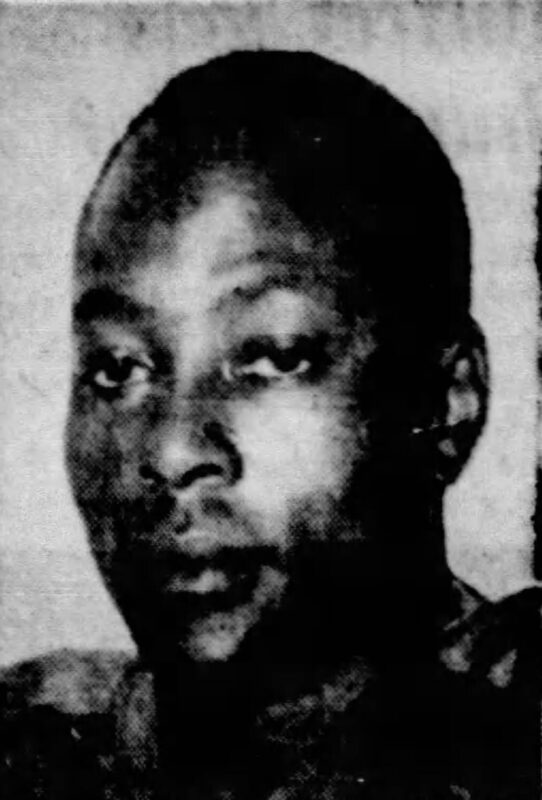
He was part of a 90-yard kickoff-return touchdown when Saskatchewan faced the Calgary Stampeders at Mewata Stadium on Sept. 13, 1947.
Patterson sped the first 70 yards before lateralling to Roy Wright, who completed the long-distance jaunt for a TD.
A Leader-Post headline screamed “PATTERSON GOES TO TOWN” after the Stampeders’ 16-11 victory.
“Riders lose,” a smaller headline specified, “but new star sensational.”
That was a familiar theme in 1947 and 1948 as Patterson earned Western Interprovincial Football Union All-Star accolades both years.
Patterson registered a team-high 36 points in eight regular-season games for the 1947 Roughriders.
He excelled as a running back, receiver, kick returner and defensive back while also finding time to handle the placekicking.
In addition to kick-starting the aforementioned 90-yard touchdown, Patterson erupted for runs of 62, 57 and 42 yards, a 70-yard reception, a 57-yard fumble return and a 76-yard kickoff return in 1947. He also had a two-interception game.
Patterson finished in a tie for the team lead in interceptions in 1947 and 1948.
He scored 31 points in the latter season, during which he expanded his already varied repertoire by seeing some duty at quarterback in relief of starter Johnny Cook.
Born on Sept. 19, 1919 in Greenwood, S.C., Patterson played college football at Kentucky State and the University of Pittsburgh. He tried out for the Montreal Alouettes before making the Roughriders’ roster and quickly becoming a star.
Also a standout on the baseball diamond, Patterson played in the Negro Leagues with the New York Black Yankees and Philadelphia Stars.
He died at 72 in Pittsburgh on Oct. 26, 1991.
Patterson was enshrined in the Roughriders’ Plaza of Honour in 2021.
(FIRST IN A SERIES.)