
Pharmacists on Prince Edward Island can now test and treat Islanders for strep throat — something for which patients previously had to be referred to a doctor or nurse practitioner.
That change is part of an expansion of the province’s Pharmacy Plus program, which expands the scope of what kind of care pharmacists can provide.
“Previously, pharmacists were able to do a sore-throat assessment, but they were not able to test and prescribe for strep throat,” said Trevor Paynter, director of pharmacare with P.E.I.’s Department of Health and Wellness.
“Now, they’ll be able to handle that scenario in the pharmacy for the patients directly.”
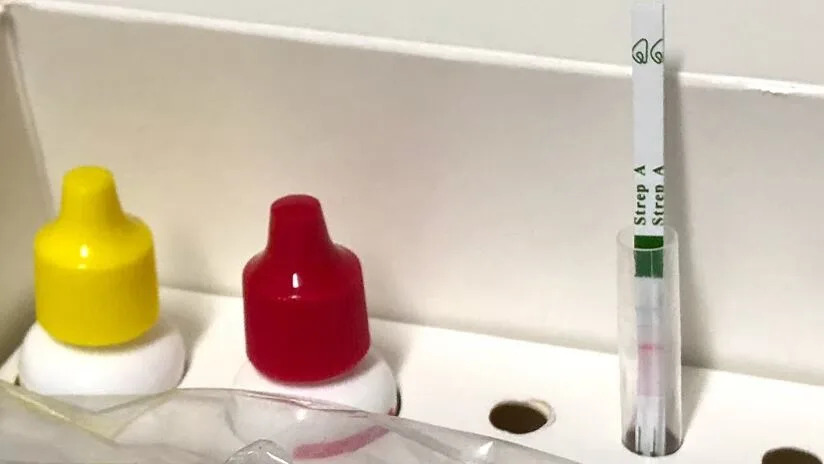
A rapid strep test is used to diagnose bacterial pharyngitis caused by group A streptococci, or strep throat. (Kate Bueckert/CBC)
Paynter also noted that the expansion will ease some pressure on other providers in the health-care system.
Since the Pharmacy Plus program was launched about three years ago, almost 250,000 assessments have been done at community pharmacies, he said.
That extra access point is also good news for patients, said Erin MacKenzie, the executive director of the P.E.I. Pharmacy Association.
“Strep throat is very painful. It’s not something people would like to let go for several days,” she said.
“Certainly early treatment can help prevent spread to other household contacts and other folks in the community, so getting that treatment soon is quite important.”
‘You want to help them on the spot’
For pharmacists, being able to provide that care to a patient in the moment is rewarding, MacKenzie said.

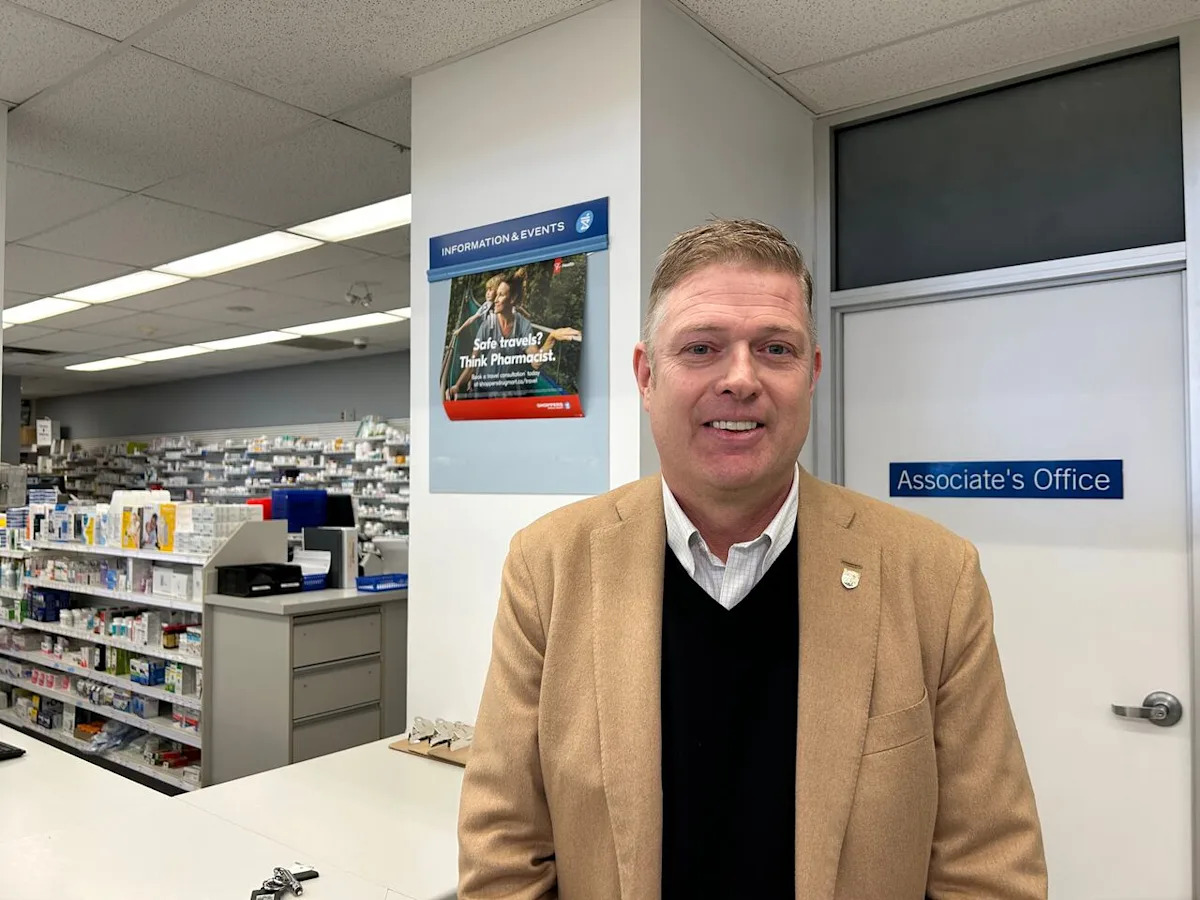
‘When you have someone in front of you… and you have the tools and the knowledge on the best drug that will treat that issue, of course you want to help them on the spot if you possibly can,’ says Erin MacKenzie, executive director of the P.E.I. Pharmacy Association. (Gwyneth Egan/CBC)
“When you have someone in front of you … and you have the tools and the knowledge on the best drug that will treat that issue, of course you want to help them on the spot if you possibly can.”
Despite a provincewide shortage of pharmacists and pharmacy technicians, MacKenzie said the existing workforce has the capacity to manage the diagnostic tests.
“Up until now, we have been doing the assessment for sore throats anyway,” she said, adding that having to explain to patients why they needed to be referred elsewhere for a strep throat diagnosis also took up pharmacists’ time.
“To decide whether or not we need to treat would just be an additional add on to what we were doing.”