

Listen to this article
Estimated 5 minutes
The audio version of this article is generated by AI-based technology. Mispronunciations can occur. We are working with our partners to continually review and improve the results.
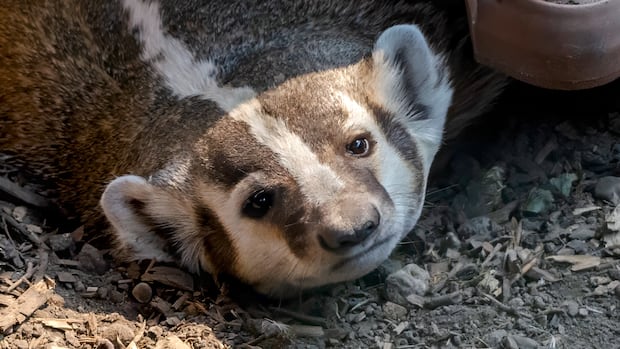
Badgers are common on the Prairies, but a recent federal assessment suggests they’re vulnerable to the same threats facing the endangered populations in Ontario and British Columbia.
The American badger is the only badger species found on this continent. These large mustelids — members of the weasel family — are divided into three populations by the Committee on the Status of Endangered Wildlife in Canada (COSEWIC), which assesses the at-risk status of native species and provides recommendations to the federal government.
The advisory panel designated the “Kootenay, Prairies and Rainy River” population — which encompasses badgers across the Prairie provinces, as well as parts of southeastern British Columbia and northwestern Ontario — as “special concern” in December.
The other two populations, located in southwestern Ontario and the B.C. Interior, are designated as endangered, with COSEWIC estimating there are fewer than 250 adult badgers in both of those regions.
Chris Johnson, a University of Northern British Columbia professor who sits on the COSEWIC terrestrial mammals subcommittee, says it’s hard to estimate badger numbers due to their reclusive nature.
“Most people have never seen one in the wild, but nonetheless they continue to face a number of risks to and threats to their persistence in the country,” he said.
The assessment points to habitat loss, vehicle collisions and the killing of badgers by landowners as among the threats facing the species across Canada.
“We do know that there are real threats for badgers and that they need to be managed,” Johnson said. “Otherwise, there’s a risk of them trending into one of those other categories.”
COSEWIC’s “special concern” designation means care is needed to prevent a species from becoming threatened or endangered at the federal level.
Vehicle collisions common cause of badger death
The government of Alberta operates a Wildlife Watch Program that tracks roadkill carcasses found in the province each year. According to the most up-to-date numbers, 112 badger roadkill carcasses were found in 2024.
Seeing badgers along the road — alive and dead — is nothing new for Calgary wildlife biologist and author Chris Fisher.
“We do see them hit on roads a fair bit, and of course any loss of adults is a big blow to a population that is considered special concern,” he said.
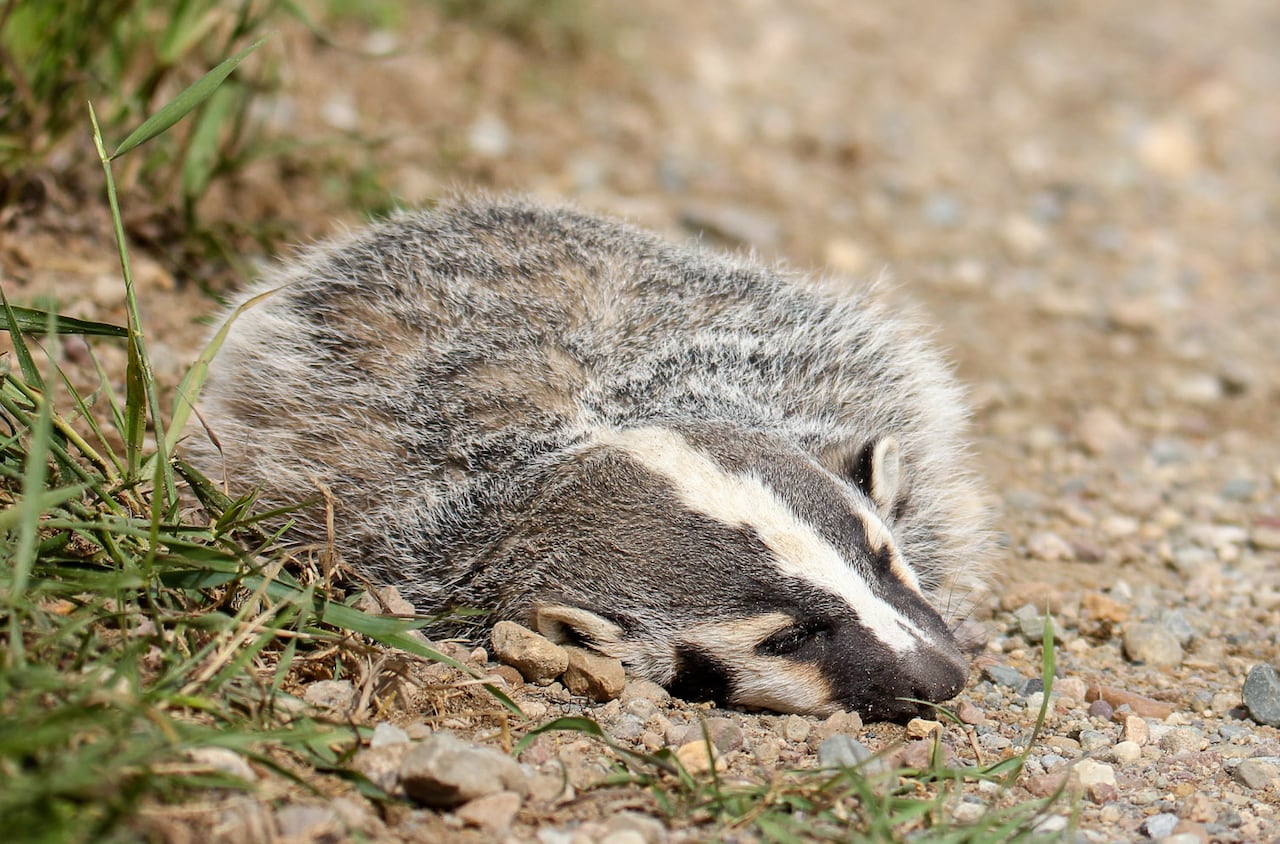 A dead badger photographed along a road near Aden, Alta., north of the Canada-U.S. border. (Chris Fisher)
Fisher said badgers are attracted to roadsides because it’s easier for them to dig burrows in sloped ditches.
Ditches also attract Richardson’s ground squirrels — colloquially known as gophers — which are a key prey for badgers.
“That combination of being attracted to the buffet and having a high-speed road right beside it is not a particularly good one,” Fisher said.
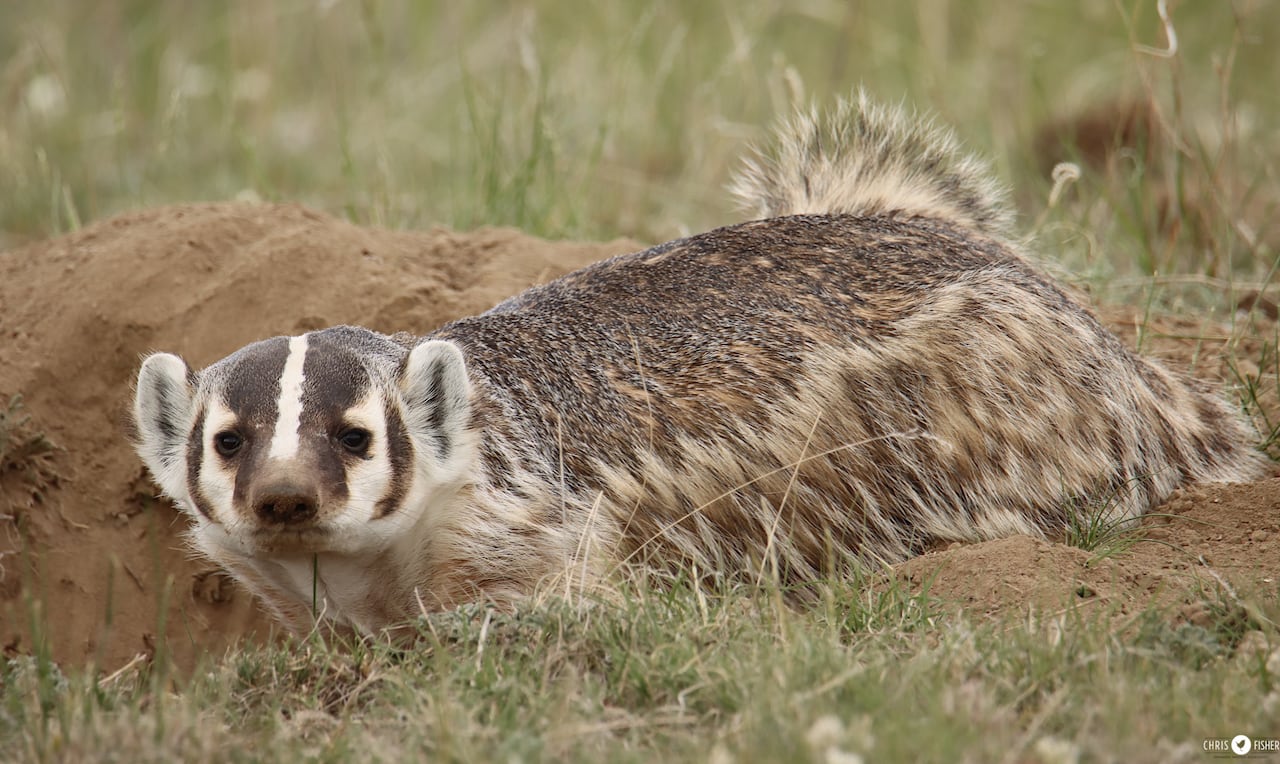 Badgers have evolved to spend much of their time underground, with their powerful claws, muscular front legs and stout bodies among those adaptations for a subterranean lifestyle. (Chris Fisher)
Badgers are more active when it’s dark, meaning it can be hard for drivers to see them on the road. They’re also driven by their incredibly strong sense of smell, rather than sight.
“When you’re trying to sniff your way through life, you don’t smell a lot of semi-trucks coming at you at 100 km/h,” Fisher said.
Habitat loss of ‘ecosystem engineers’
Compared to the vast open habitat available on the Prairies, the endangered southwestern Ontario and B.C. Interior badger populations don’t have as much land available, which contributes to their status as endangered, Fisher said.
“Obviously, we have a lot of sprawling suburban areas that are extending into areas that were formerly a habitat for American badgers,” he said.
Habitat loss in Canada’s grasslands — considered one of the most endangered ecosystems in the world — has threatened many species.
That includes the American badger, which Fisher described as “one of the most important, central and iconic species that remains of the North American grassland ecosystem.”
“No other modern species of wildlife has a greater imprint on the prairies of Alberta,” Fisher said. “It has become the face of wild Canadian grasslands.”
The badger plays a key role in that ecosystem, says University of Alberta biological sciences professor Colleen Cassady St. Clair.
St. Clair called them “ecosystem engineers,” pointing to a 2021 University of Wyoming study that found 31 different species using the expansive burrows dug by badgers.
But not everyone appreciates the environmental impact of badgers.
“Historically, they’re persecuted by people everywhere,” St. Clair said. “People shoot them when they see them in rural areas.”
She said much of that persecution is due to the potential for badger burrows to cause horses and other livestock to break their legs, as well as other damage they cause to farm property.
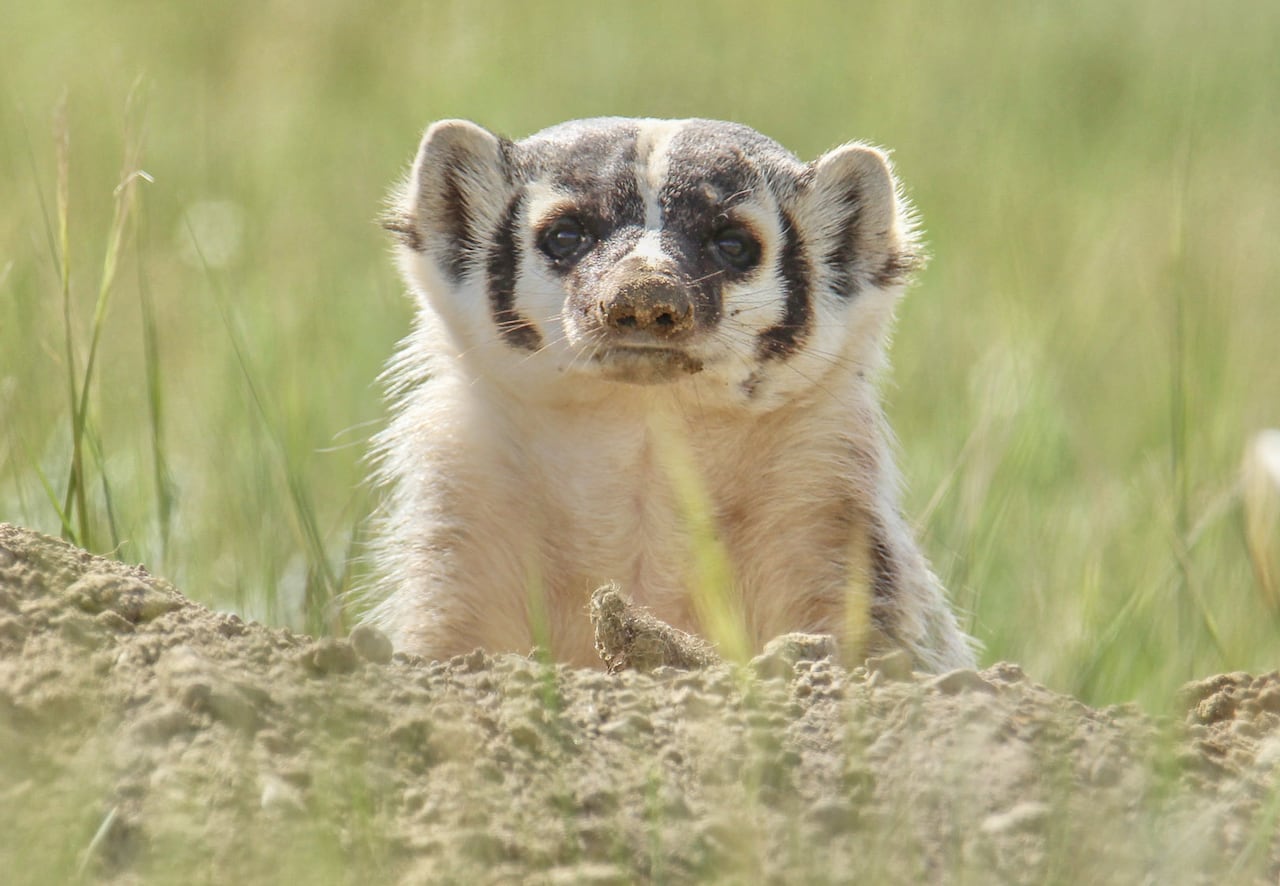 A 2021 study from the University of Wyoming found 31 different species using the expansive burrows constructed by American badgers in the grasslands. (Chris Fisher)
Badgers have been classified as a sensitive species by the Alberta government since 2000. That means they’re not currently considered at risk of extinction in the province, but may require special attention or protection to prevent them from becoming threatened or endangered.
Badgers are also considered furbearers in Alberta, meaning they can be hunted and trapped.
Landowners can also kill badgers on their property.
Through his work as a wildlife consultant, Fisher identifies opportunities for builders and landowners to protect sensitive species, including keeping active construction a certain distance from active badger dens.