
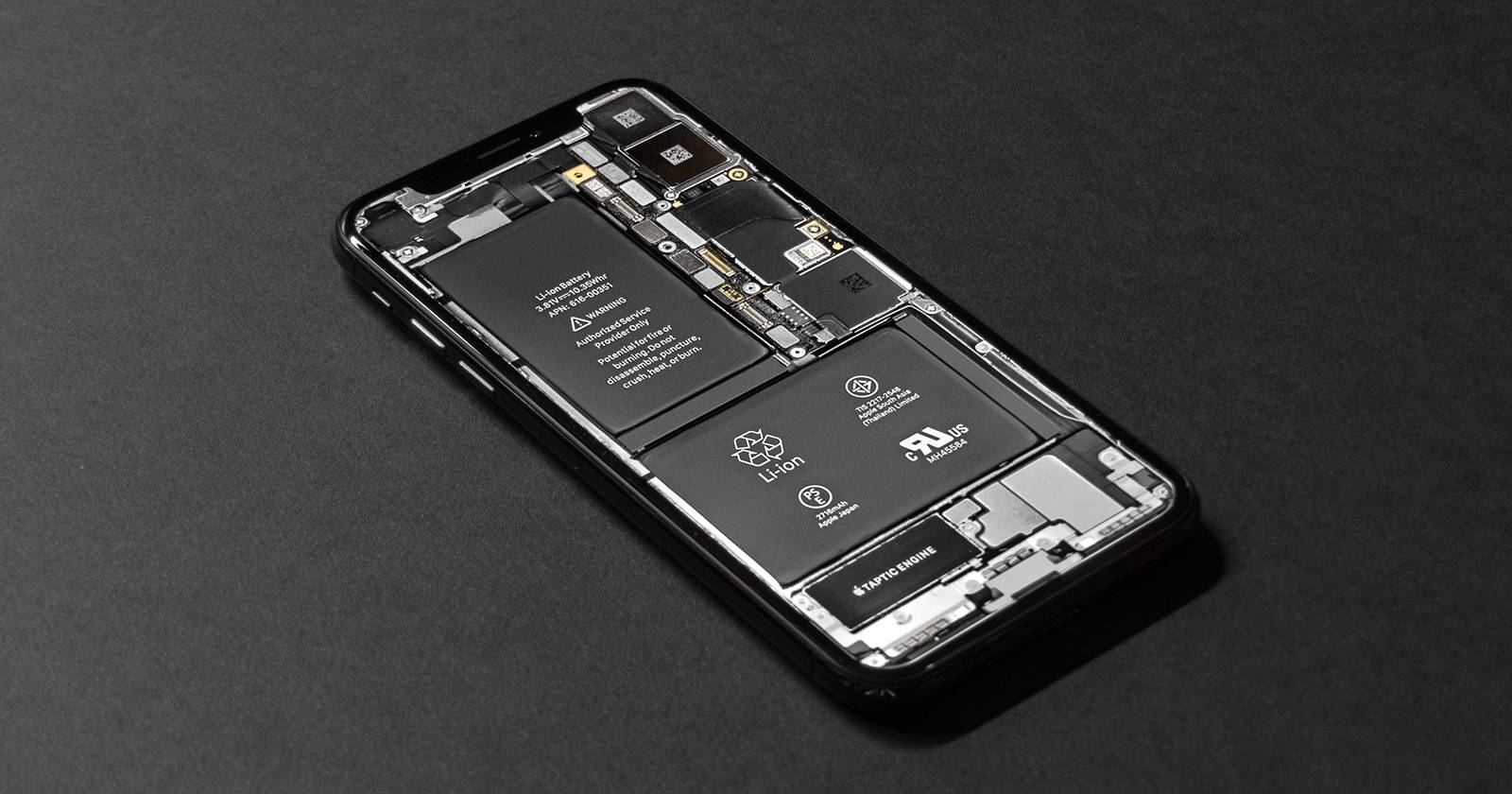
There was a time when phones could easily last a week or even longer on a single charge. Swapping out batteries was part of the ritual, and oddly enough, it felt really satisfying. Fast-forward to today, and that kind of endurance feels almost mythical. Most modern smartphones struggle to comfortably last a full day, and iPhones, especially the standard models, are often at the center of this frustration. To make matters worse, the battery drain doesn’t stop when you stop using your phone.
So yes, battery anxiety is now a common experience. You start the day at 100%, only to watch it drop to 20% within six or seven hours of normal use. A bit of social media, some navigation on Google Maps, a few photos clicked here and there, and suddenly you’re searching for a charger sooner than expected.
The shift toward bigger batteries in the Android ecosystem feels refreshing. It is a full-circle moment, much like fashion moving from bell-bottom jeans to skinny fits and now back to bell-bottoms all over again. Many budget Samsung phones now come with massive 7,000mAh batteries, and brands like Honor are pushing the envelope even further, with 10,000mAh options. These are practical devices built for users who want peace of mind. For those who rely heavily on their phones, bigger batteries simply make sense.
Related
Why I Prioritize Fast Charging Over Battery Capacity
They’re both handy to have, but these days, one is way more important.
Runtime improves as battery size increases
The quiet joy of a phone that just keeps going
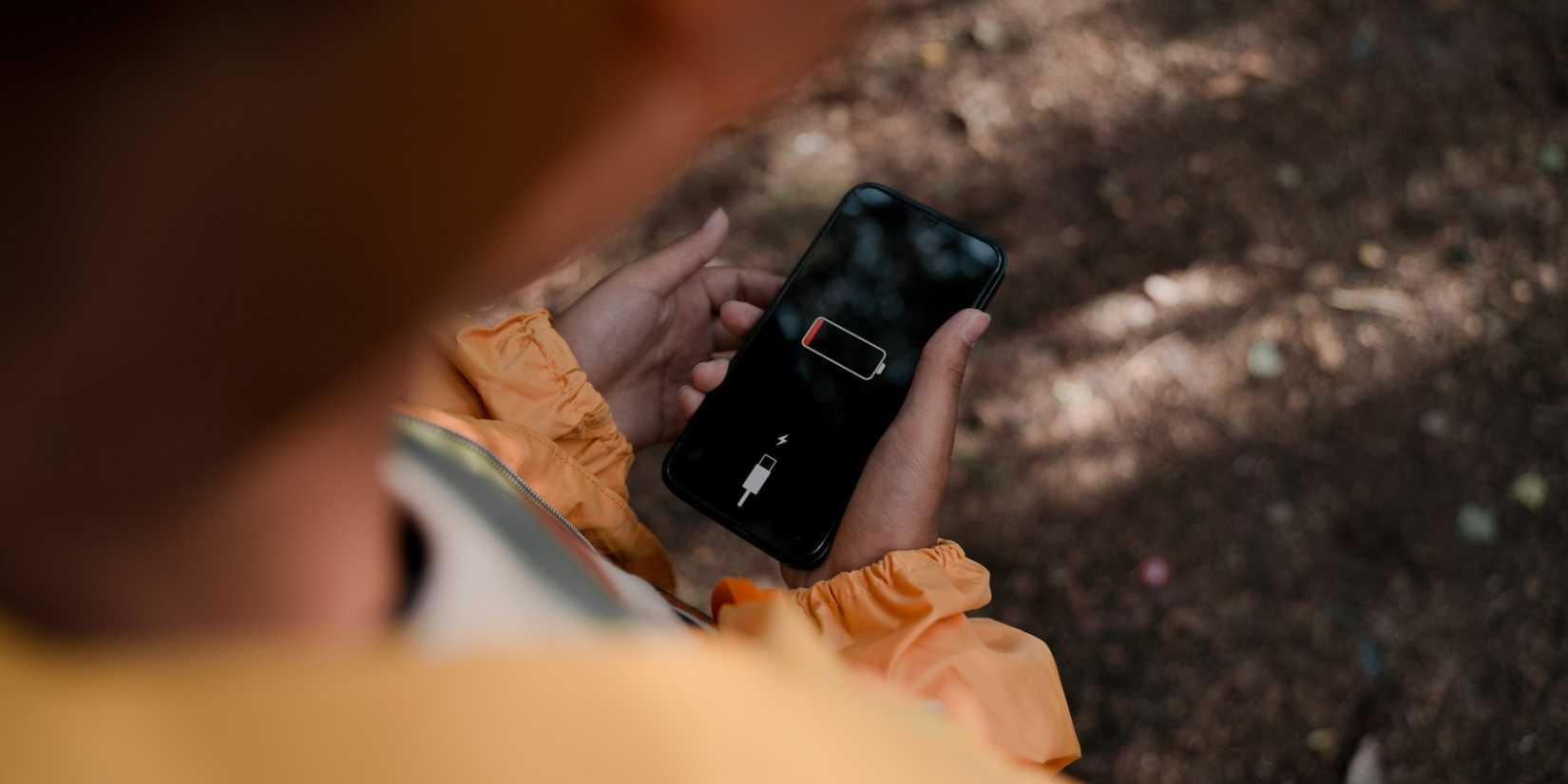
https://www.pexels.com/photo/teenage-boy-holding-smart-phone-with-low-battery-in-forest-10366335/
Almost every smartphone brand today is chasing bigger battery numbers, and at times, it feels like a silent competition over who can squeeze in the highest mAh rating. At first glance, this may sound like a marketing trick, but in reality, it makes a lot of sense.
A larger battery capacity simply means your phone can stay powered for longer. Think of it like a car with a bigger fuel tank. A vehicle that holds more fuel can travel farther before needing a refill, even if it’s driven the same way as another car with a smaller tank. Smartphones work on a similar principle. More mAh means the phone has more energy to draw from, which directly translates to longer screen time and fewer charging breaks.
So, when you see a phone with a higher mAh rating, it generally indicates better endurance than a phone with a smaller battery, especially when both are used under similar conditions. This has become particularly important for power users who are into gaming, video streaming, and multitasking. A larger battery gives the phone more headroom to handle those demanding tasks without constantly needing to recharge.
Phones with bigger batteries also make a lot of sense for less tech-savvy users, like my parents. They mostly use their phones for calls and messages, and often forget to charge them regularly. In this case, phones with a larger battery can last several days on a single charge. Ironically, they might get more real-world use out of a big battery than someone who pushes their phone harder every day.
On the other end of the spectrum, frequent travelers benefit just as much. When you’re on the move, especially in unfamiliar places, your phone becomes your lifeline for maps, bookings, payments, and communication. The last thing you want is your phone to die in the middle of an unfamiliar road while Google Maps is your only guide. A larger battery definitely offers that extra sense of security.
In short, bigger batteries aren’t just impressive on paper; they make smartphones more dependable in real life.
There are trade-offs worth acknowledging
The price of going big on battery
Rich Woods / MakeUseOfCredit: Rich Woods / MakeUseOf
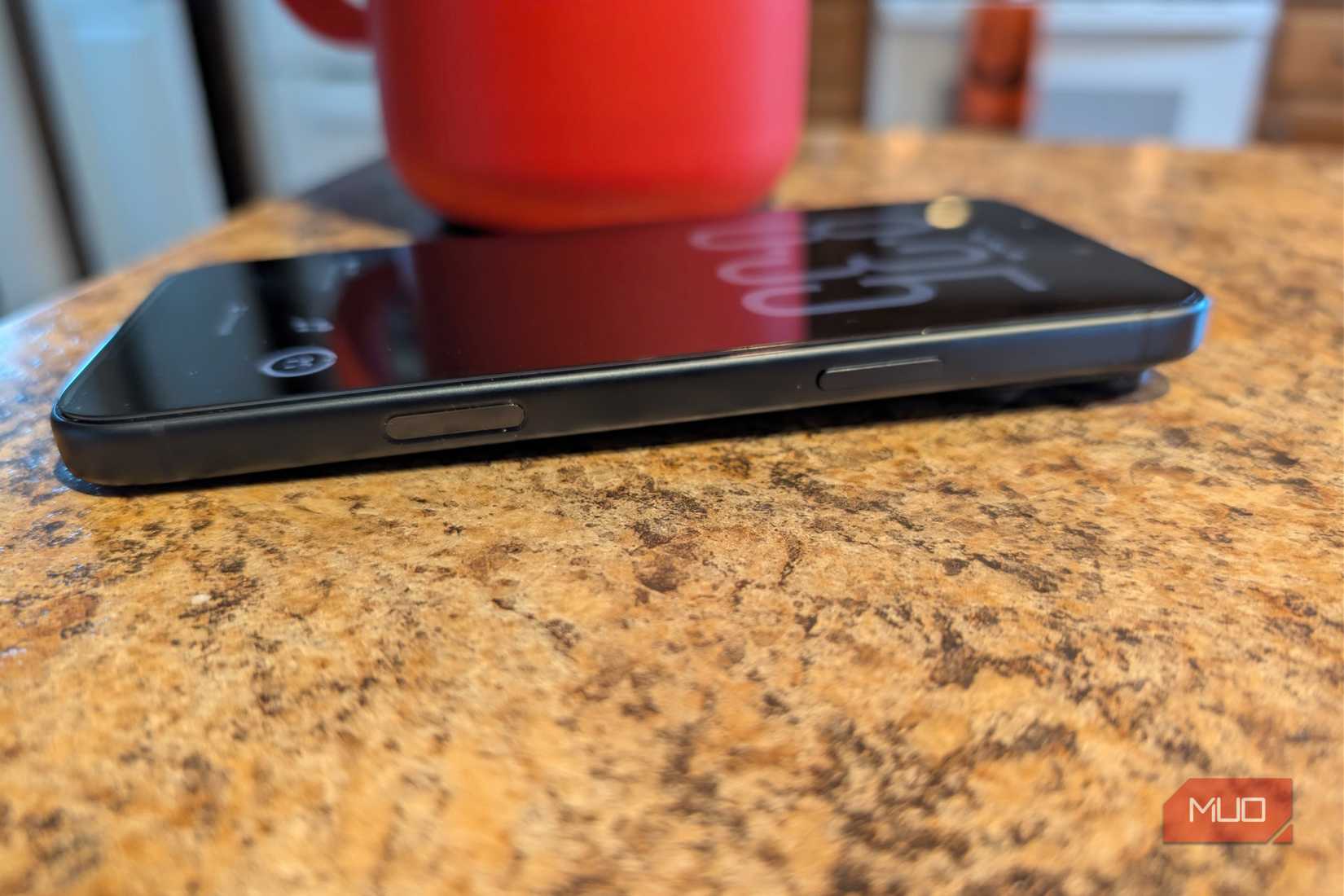
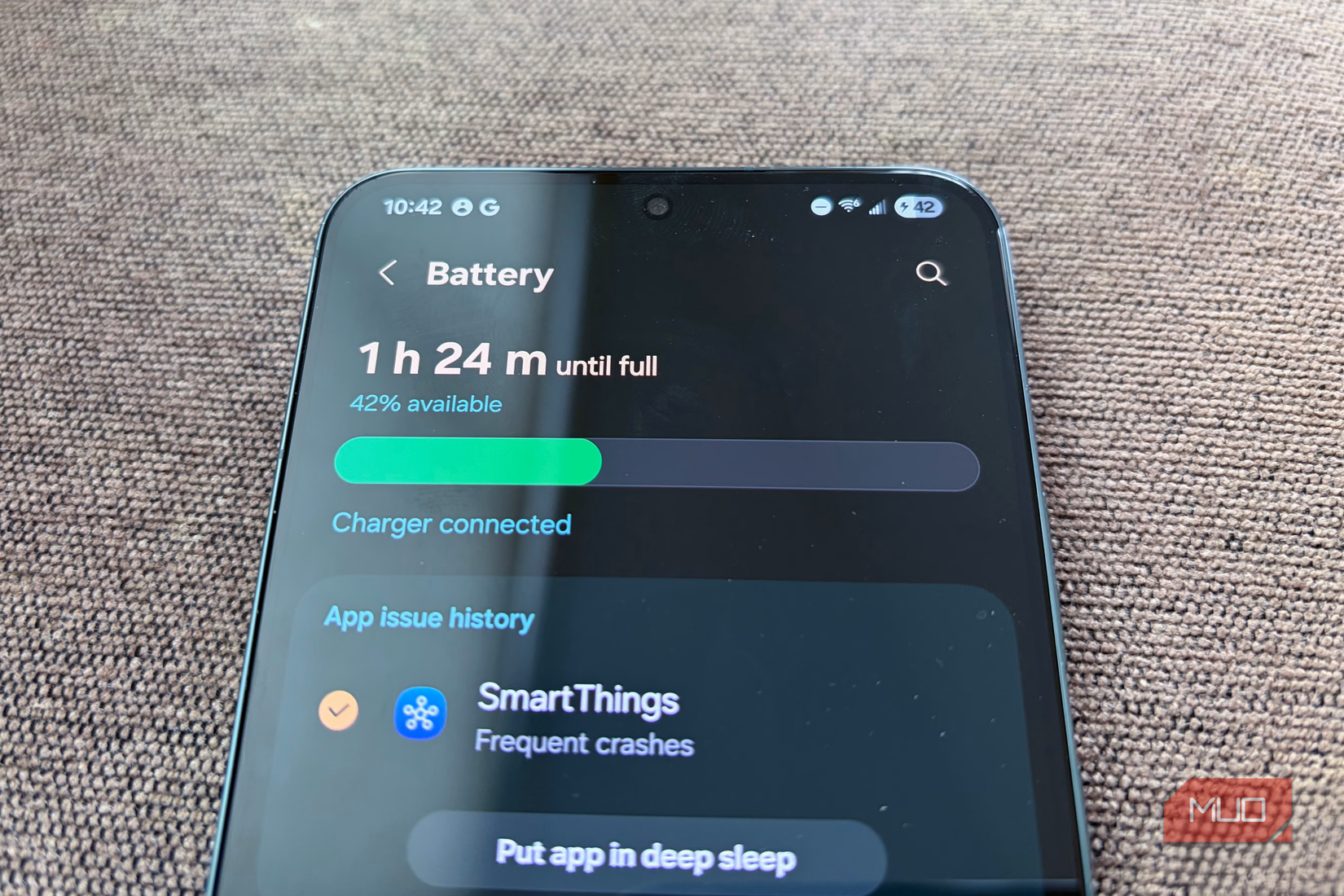
Larger battery capacities undeniably improve battery life, but they also come with a physical cost. To fit a bigger battery, manufacturers often have to increase the phone’s size or weight, or sometimes both. As a result, phones with massive batteries tend to feel bulkier in the hand and heavier in the pocket. That’s the trade-off users are asked to make: longer endurance versus everyday comfort.
That is why compact phones continue to have a loyal following. Many users prefer devices that are easy to hold, good for one-handed use, and slip comfortably into the pocket. However, compact phones naturally limit the size of a battery. But they are still adequate for users who value size, weight, and ergonomics over multi-day battery life.
Meanwhile, established brands like Apple and Samsung have been cautious about adopting new battery technologies such as silicon-carbon cells. Their hesitation largely stems from concerns about long-term safety, durability, and reliability. These companies tend to prioritize consistency over rapid experimentation, even if it means sticking with smaller batteries. Apple, for instance, only crossed the 5,000mAh threshold with the iPhone 17 Pro Max, highlighting just how conservative its battery strategy has been. For both Apple and Samsung, a proven and dependable battery solution matters more than aggressively pushing capacity.
Brandon Miniman / MakeUseOfCredit:
Brandon Miniman / MakeUseOf
That said, phones with larger batteries, often exceeding 7,000mAh, have not shown widespread issues so far. Many of these devices have been on the market long enough to establish a track record, and serious safety concerns have not really surfaced. This suggests that newer battery technologies may be more stable than initially feared, even if the biggest brands are still taking a cautious, wait-and-watch approach.
Related
Why You Need to Buy A Power Bank for Your Phone
Your phone deserves a lifeline too.
What really matters at the end of the day
Modern smartphones offer plenty of ways to stretch battery life. Turning off certain background-heavy Android features can noticeably improve performance and reduce power drain. Similarly, tweaking this setting on an iPhone can lead to meaningful gains in day-to-day battery life. These optimizations help, and in some cases, they make a bigger difference than most people expect.
However, there’s a clear limit to what software tweaks can achieve. While they reduce unnecessary drain, they don’t create extra power out of thin air. Only phones with larger battery capacities can deliver the kind of endurance that lasts through long days, heavy usage, or multiple days away from a charger. So, in the end, the choice is less about right or wrong and more about what you prioritize. It simply depends on whether you value lasting longer or carrying less in your day-to-day performance.