
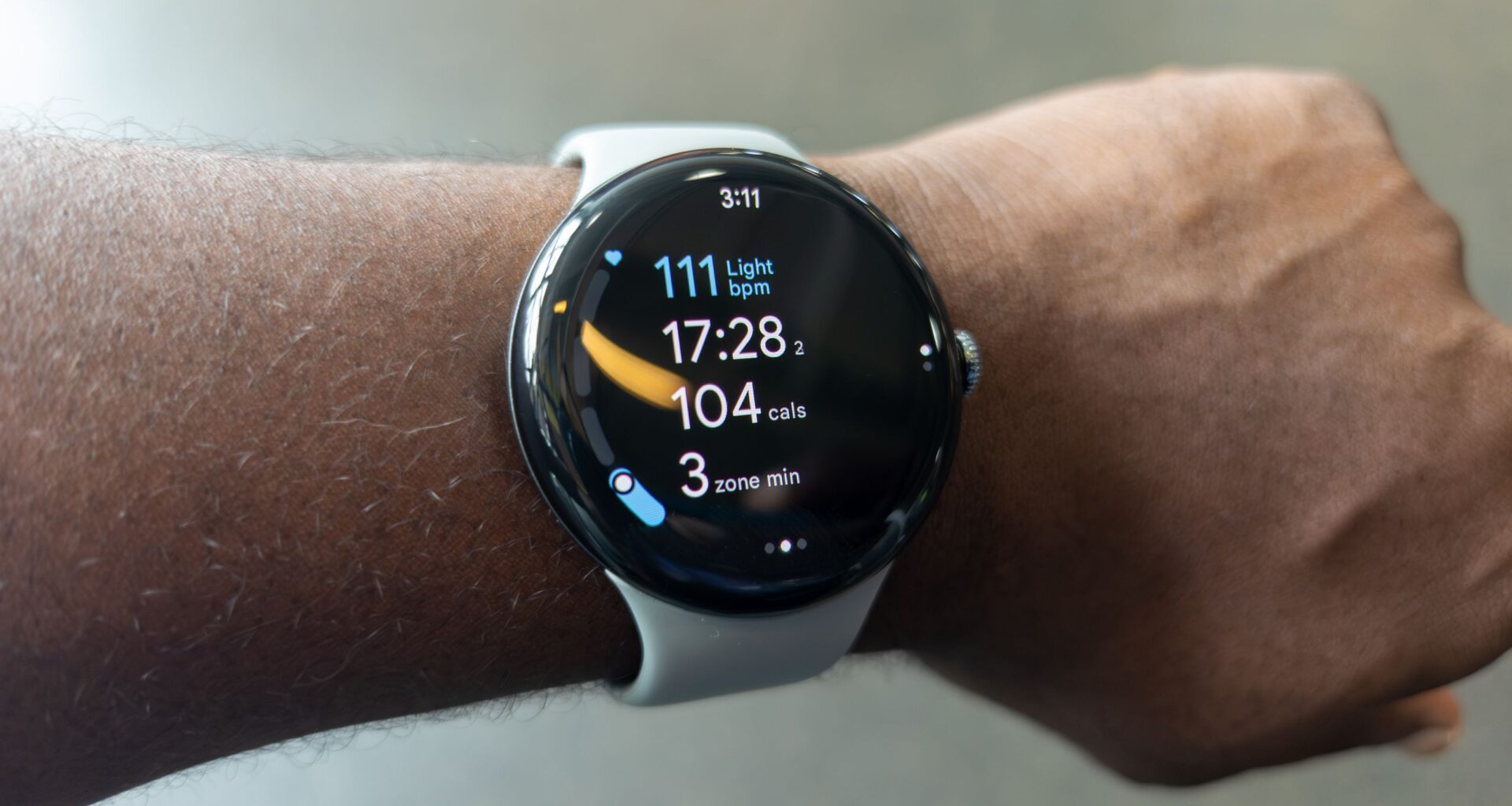
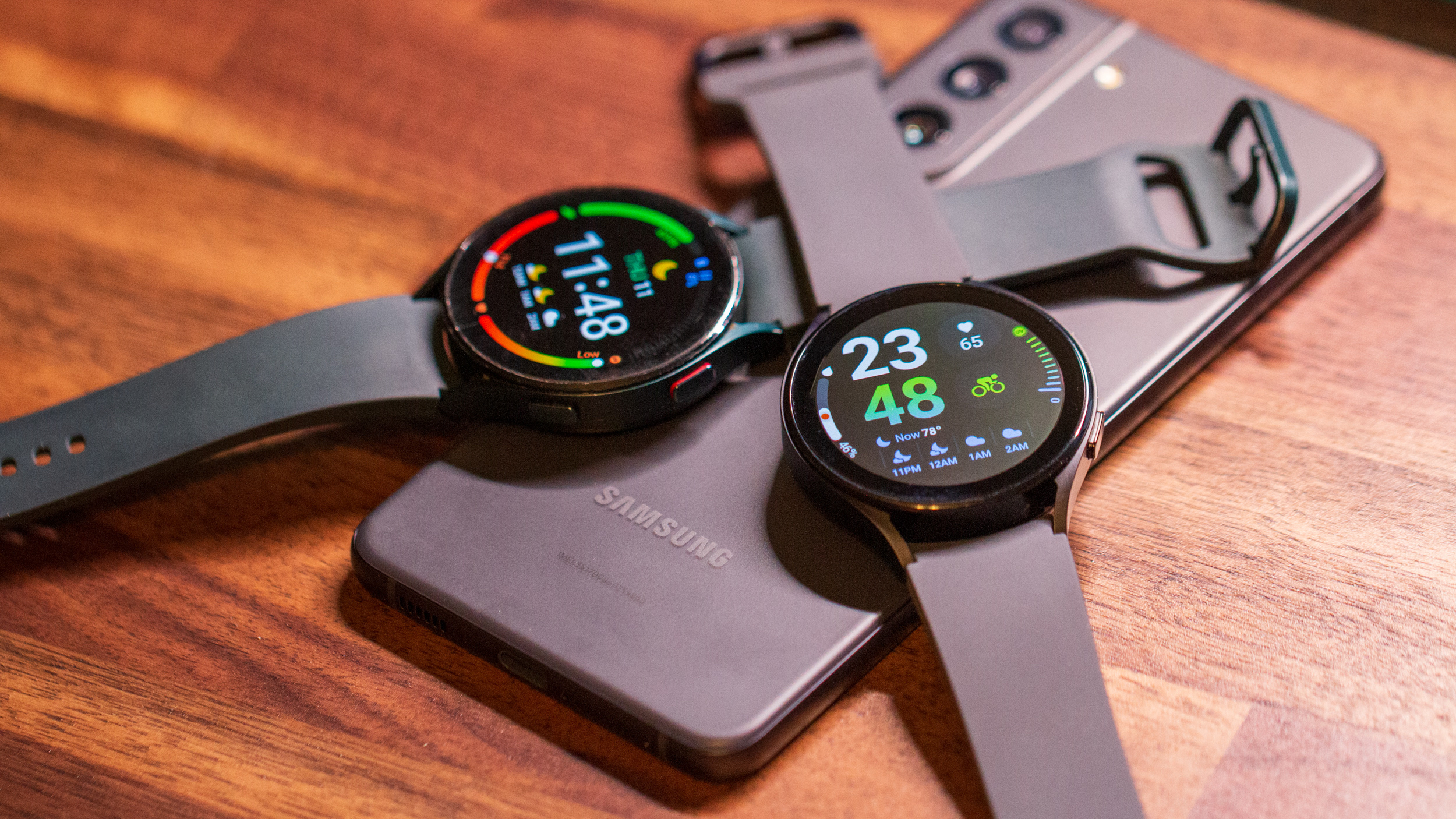
A few years ago, I bought a Galaxy Watch 5 and got it essentially for free from T-Mobile, with the kicker being that I had to get it on a two-year contract. That means I was stuck with an LTE-enabled smartwatch, solely because I didn’t wanna lay down $279 on the spot for a Bluetooth/Wi-Fi model. Now, however many years later it’s been since then, and with the contract up, I have finally canceled that line, essentially reverting my smartwatch to a Bluetooth/Wi-Fi model.
It’s only been a few days since I made the change, but it doesn’t feel any different, except that now, I’m saving money while still being able to take advantage of most of my smartwatch’s features. Frankly, it made me realize that I don’t need a smartwatch with data, and I feel like most people probably don’t, either.
Today’s best Wear OS deals
T-Mobile tried and failed to get me to keep the line
(Image credit: Andrew Myrick / Android Central)
When I called to cancel the line, the T-Mobile representative understandably tried her darndest to convince me to keep it. She told me that I would use my watch without needing my smartphone nearby, still able to make calls and texts, stream music while on a run, or navigate with Google Maps.
You may like
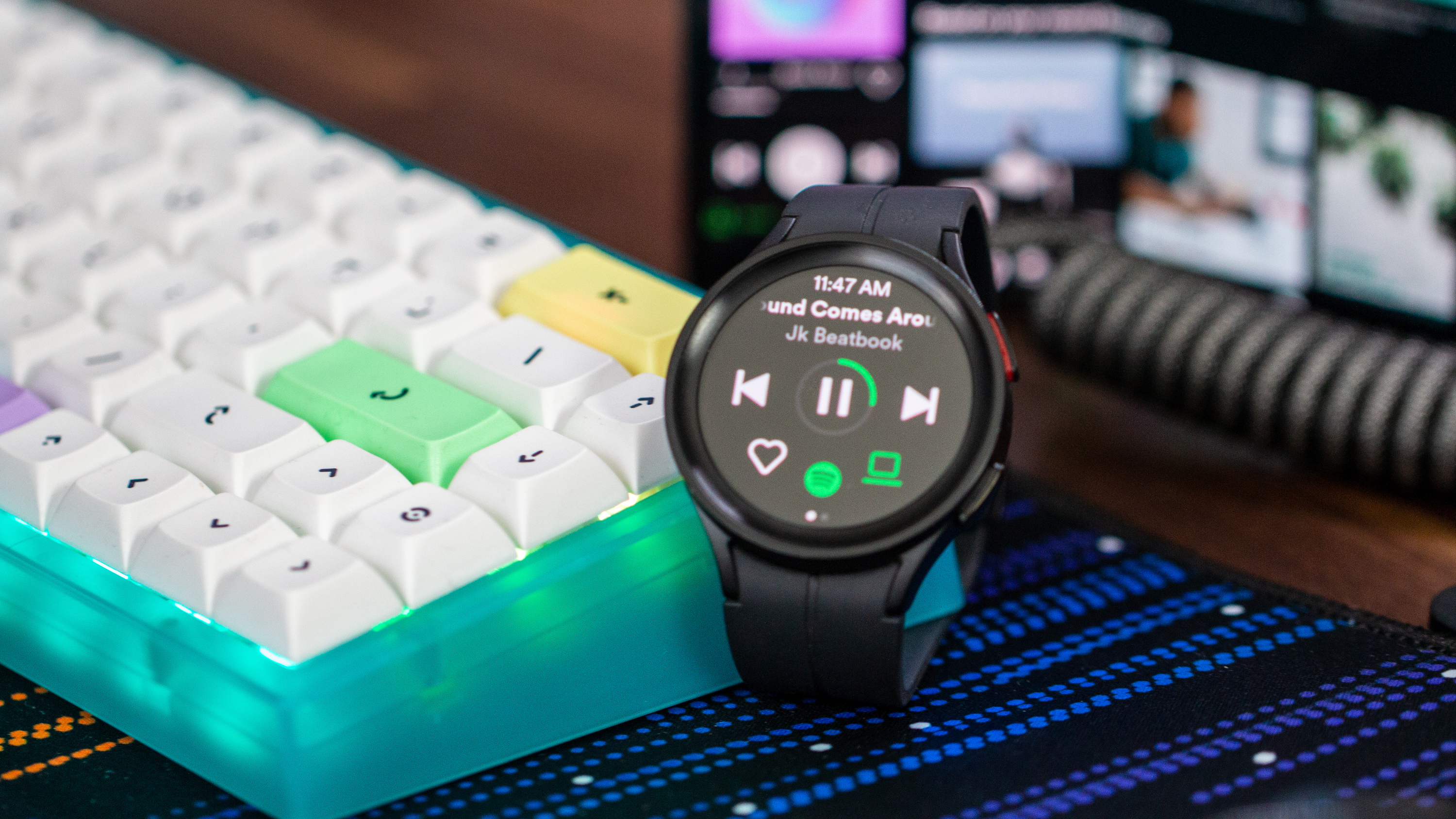
That sounds all good and dandy, but the thing is, I always have my phone with me. So pretty much all of these features are still usable without LTE, making it a non-issue. I can make calls or send texts from the watch, play offline music I’ve already downloaded from YouTube Music and Spotify (or transferred from my phone), and even use offline maps in Google Maps, if, for some reason, I don’t have my phone. And I only need to do these things on my watch if I don’t wanna pull my phone out of my pocket, which is where it almost always is.
(Image credit: Andrew Myrick / Android Central)
Granted, I did actually try to take advantage of the LTE connectivity when I first got the Galaxy Watch, going on runs in my neighborhood while leaving my phone at home. But, to be honest, I hate running outside, and I still felt uncomfortable not having my phone with me for even 30 minutes (which probably says a lot about me). And to be honest, going on runs without my phone was really the only use case I’ve been able to come up with for keeping the smartwatch data line.
I also mostly use my smartwatches to track my workouts. In addition to the Pixel Watch 3 LTE, I also use Garmin watches like the Venu 4, which don’t come with LTE connectivity and are more than sufficient to do what I need them to.
I told the T-Mobile representative as much, and she still tried to convince me to keep the line, but ultimately, I could not think of a single reason to keep spending money on it.
LTE has its uses on a smartwatches, if you’re willing to pay for it
(Image credit: Derrek Lee / Android Central)
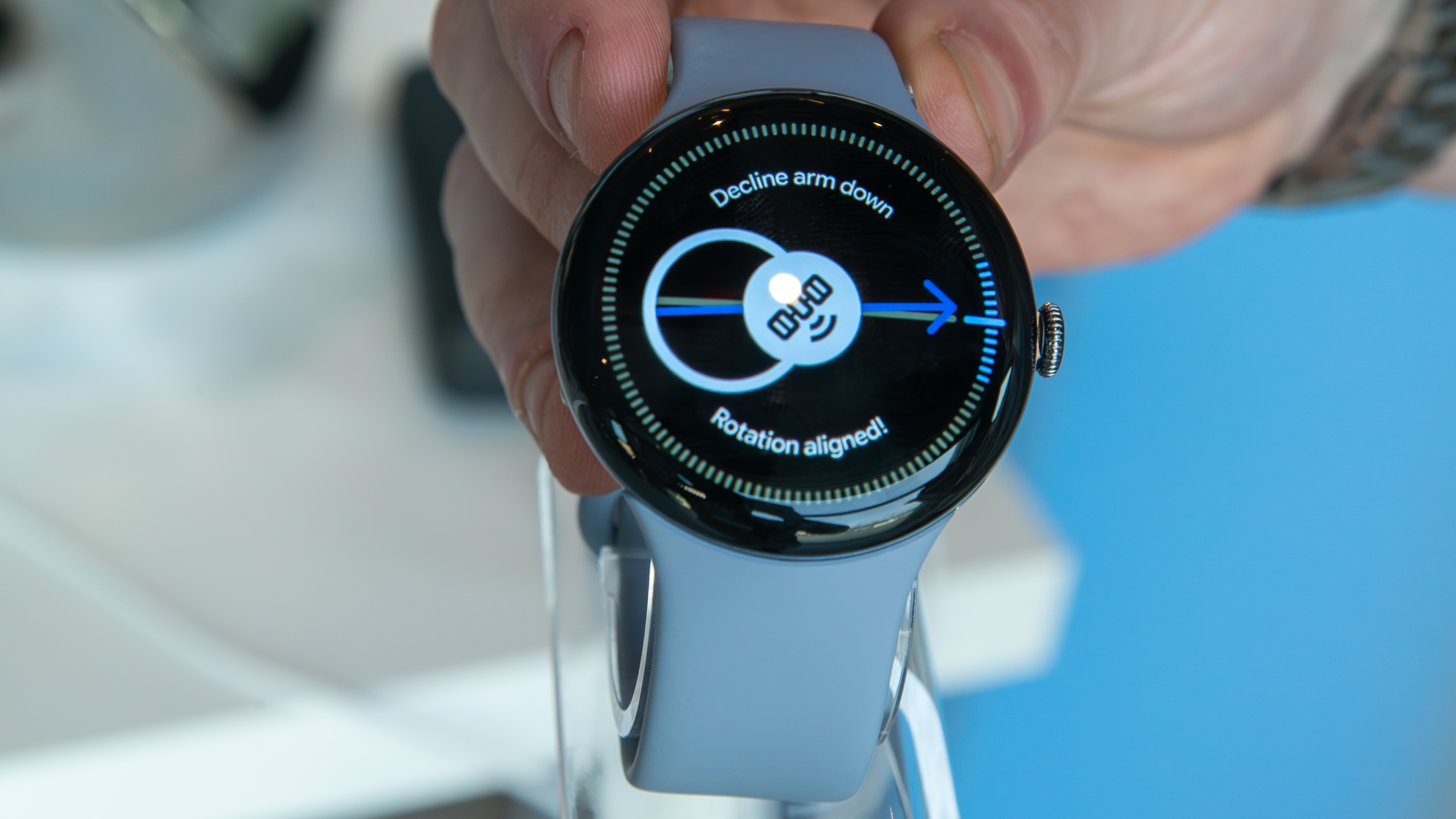
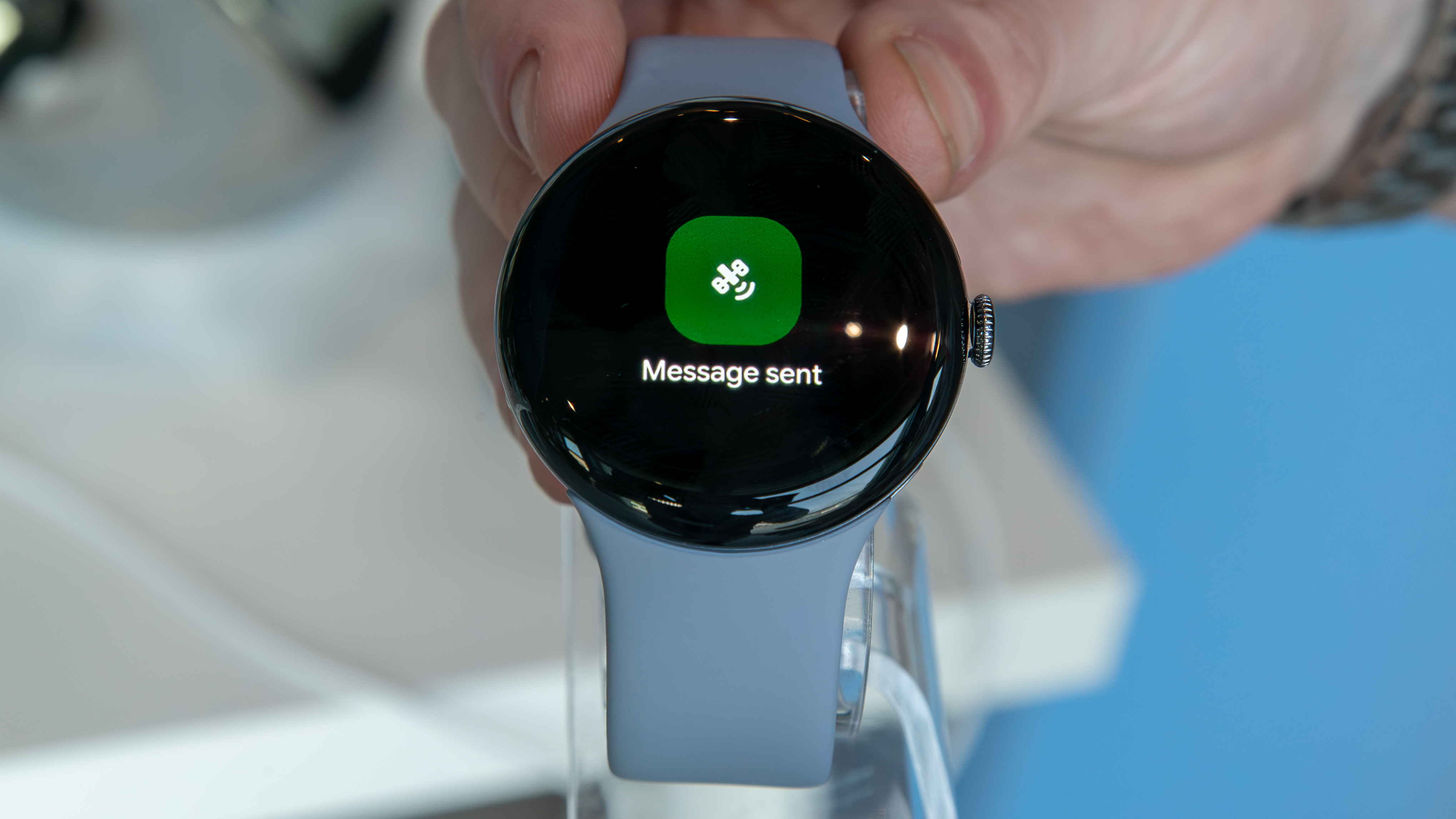
I’m not saying LTE on a smartwatch isn’t useful; I’m just saying it’s not useful enough for what I need it for. For example, the Pixel Watch 4 has satellite SOS, which is only available on the LTE model. This lets you send emergency messages when you’re in an area where you don’t have access to a mobile network.
Emergency satellite messaging may be available on Pixel phones, but it’s not ubiquitous across Android phones or even carriers. This would make an LTE Pixel Watch a potentially lifesaving device if you find yourself in a sticky spot.
(Image credit: Derrek Lee / Android Central)
However, a smartwatch line on major U.S. carriers usually costs around $10 a month, meaning I was paying around $120 a year for multiple years for a feature that I don’t use. It’s not as much as a typical smartphone line, which makes the cost manageable for many people, but I just can’t justify the price anymore.
Even so, my Pixel Watch 3 works just as well as it did before I removed the LTE connection, and I don’t miss it at all.
That said, not everyone feels the same way. Do you find LTE on a smartwatch useful, or do you prefer to just use Bluetooth/Wi-Fi? Let us know in the comments below!