
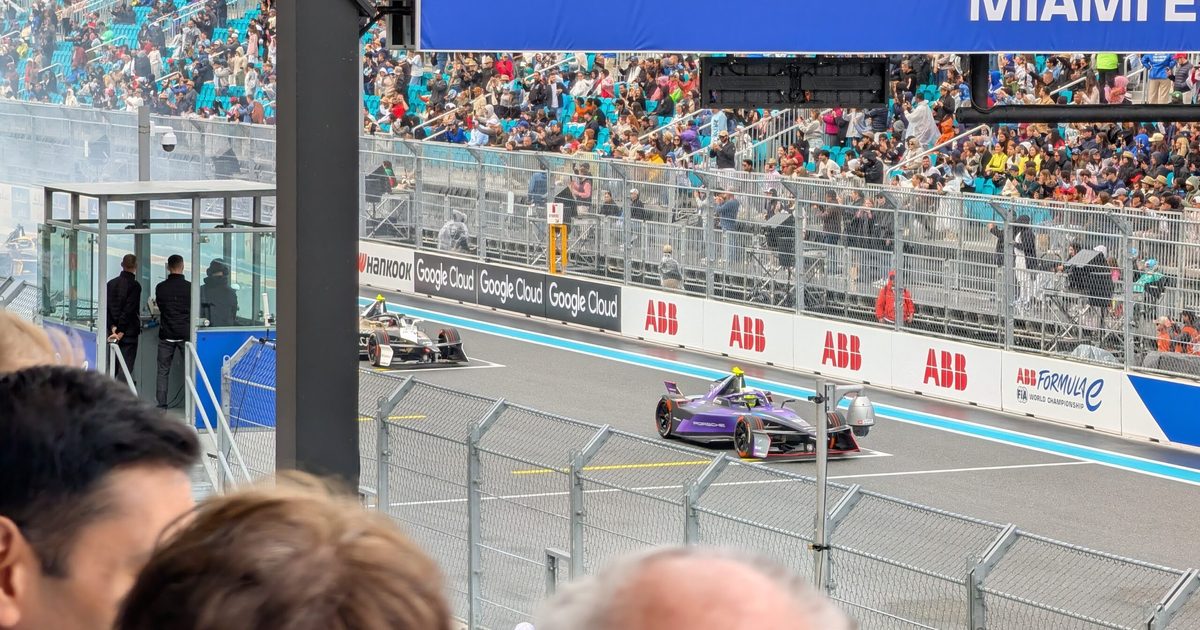
I recently attended the Miami E-Prix, Formula E’s flagship event in the Sunshine State. While judging something on its merit is all well and good, and Formula E is very much its own unique sport, it’s impossible to avoid comparing it to Formula 1.
So here’s how the main features of a Formula E race stack up against its more established, gas-powered, sibling. As you may expect, they’re pretty different. Both experiences have one thing in common though.
Neither has disappointing hospitality
Dave McQuilling / The Manual
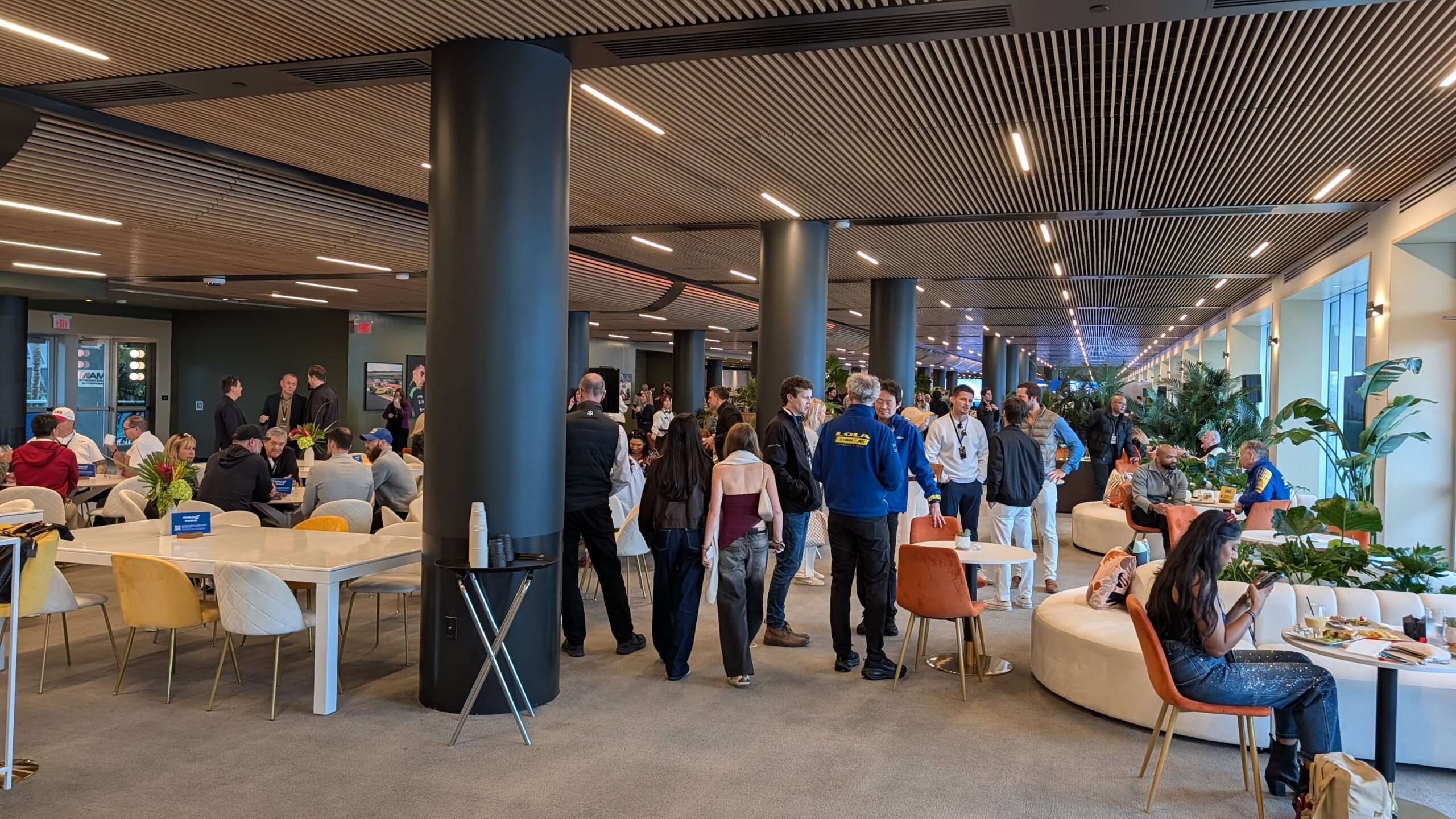
While my life does have its downsides, I can’t really complain about my dalliances at various race tracks. I tend to get given the whole VIP package for whatever reason which makes comparing the hospitality offerings of Formula 1, Formula E, and many other racing series possible.
Having spent time in Formula 1s Paddock Club, and Formula E’s Emotion Club, I can happily say the experience is pretty similar. Both have high quality food on offer, along with a good quality open bar. Service is excellent at both, and the balcony offers a great view of the start/finish line. Both include activities like racing simulators, pit lane walks, and exclusive talks with drivers. Both are a fantastic day out if you have the cash to spare, or if your business is doing well and you want to impress your staff and/or clients.
I will also say, Formula 1 and Formula E do a far better job of hospitality than pretty much any other racing series. That’s not knocking other racing series at all, a lot of them are very nice, but simply not on the level of F1 and FE when it comes to the whole “VIP Experience” side of things.
Formula E is still a bit “green”
Dave McQuilling / The Manual
An F1 weekend involves a lot more than just a Grand Prix. You have a full day of practice, then several lengthy qualifying sessions in the days leading up to the main event. Then you have a few unrelated races. The Porsche Carrera Cup sometimes runs on an F1 weekend, as does the Ferrari Challenge. Sometimes an F2 of F3 race takes, place, and of course there are the “Classics” races where you see iconic F1 cars of yesteryear take on whatever track you’re at.
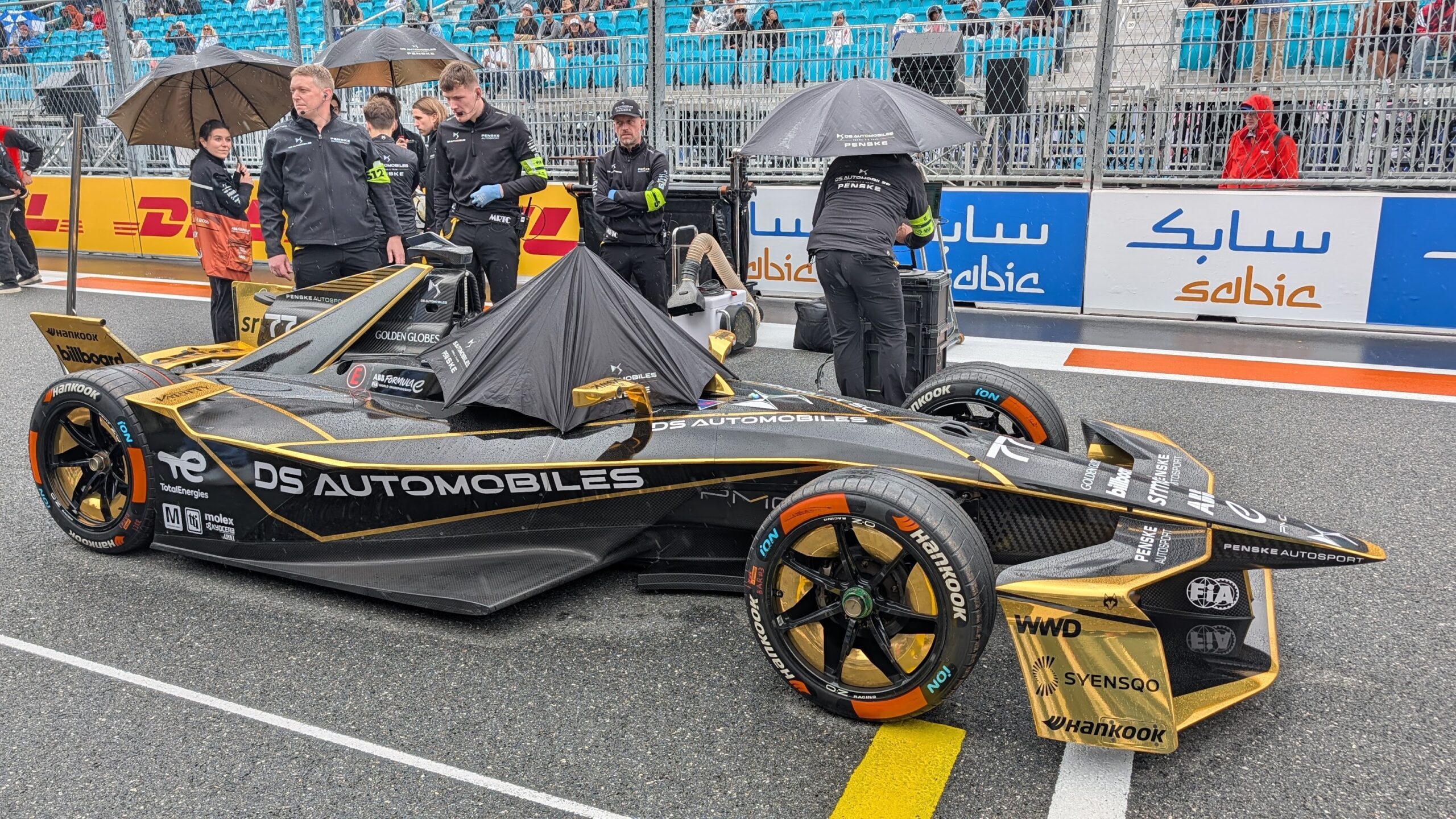
Formula E does not have that. It has an admittedly exciting qualifying section with group races followed by head to head “duels” to determine the starting grid. Then there’s the race itself. It’s obvious that Formula E is still a very young sport, and to an extent it’s waiting for everyone else to catch up. You can’t host a “green” event with electric vehicles at its center then fill 90% of the racing weekend with ICE vehicles or hybrids. So while a full schedule similar to the one surrounding an F1 race would make the event a lot better, you can’t criticize those races for not being there as they simply don’t exist.
And you can’t just say “put an electric sports car race on” because those really don’t exist either. The fact Formula E cars can do what they do is a borderline technological miracle. If you stick a stock EV out there, it’ll overheat after a few laps or empty its battery a few laps after that. So, perhaps annoyingly for those involved, a Formula E race’s biggest weakness is something other people ultimately have to develop.
You don’t have anywhere near as much access with Formula 1
Dave McQuilling / The Manual
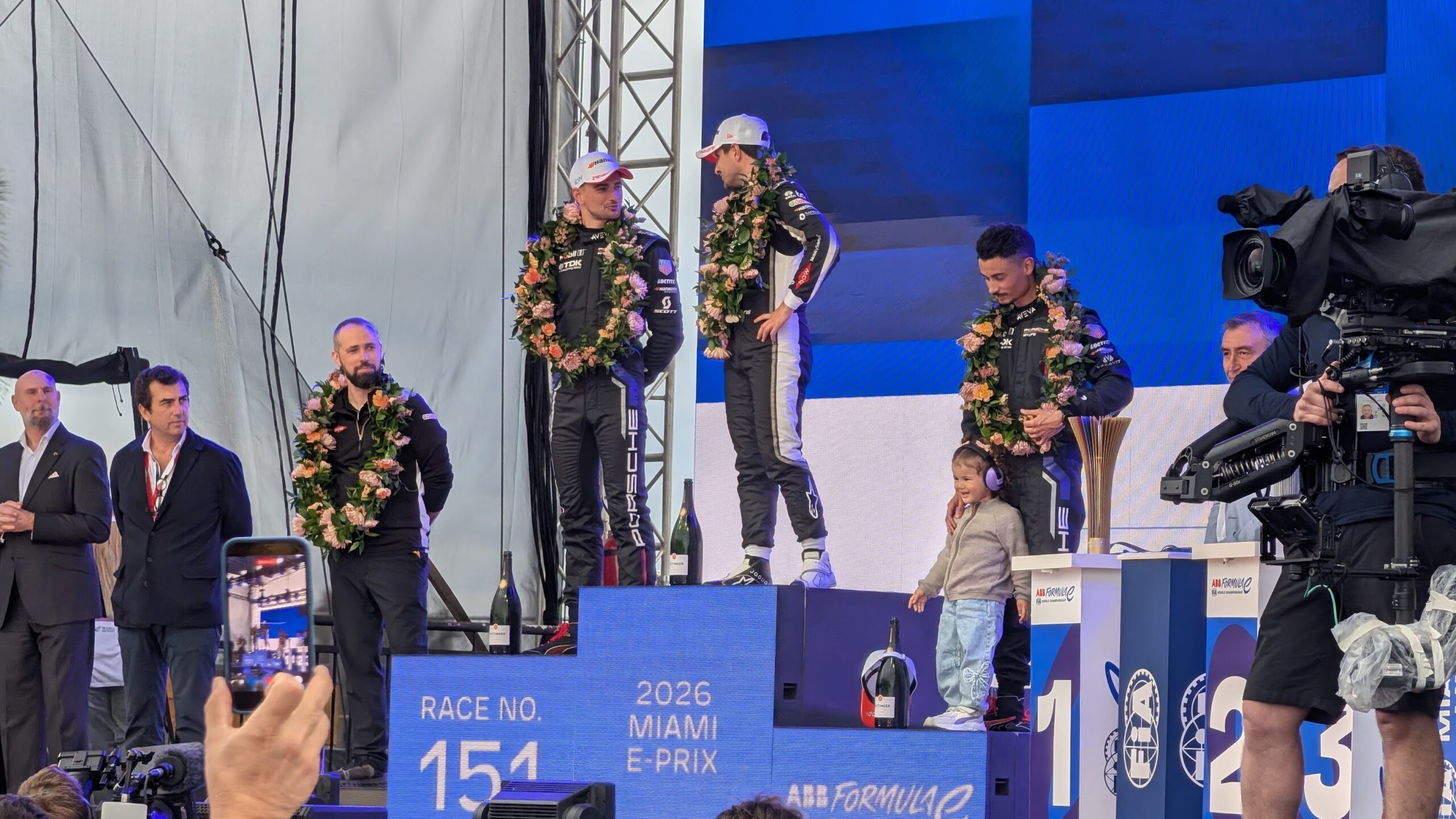
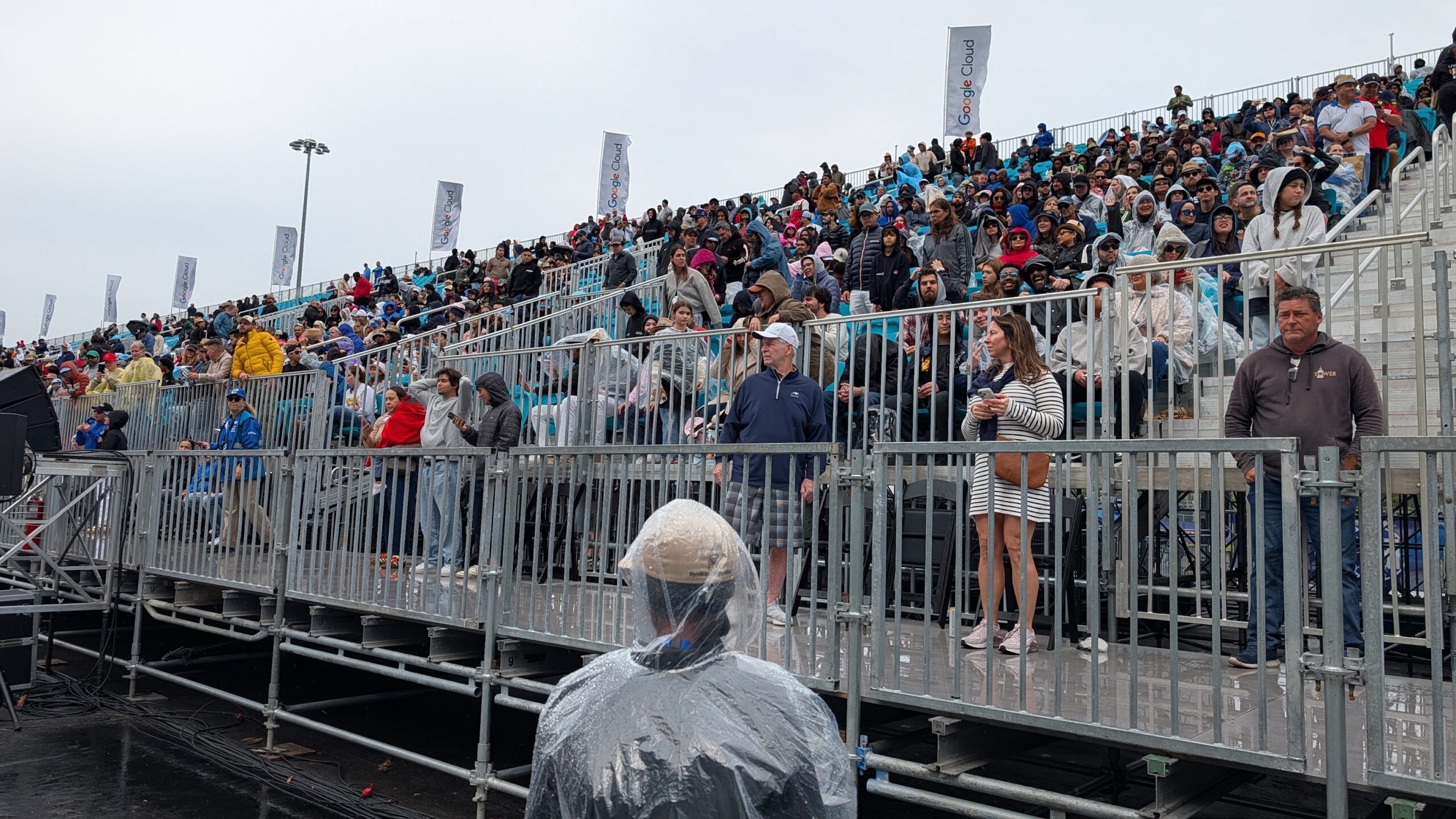
Then there’s the fanbase. Despite the uncharacteristically chilly weather, the Miami E-Prix actually had a decent turnout. But it’s obviously not the three-day carnival an F1 race is, and that’s probably because the fanbase takes time to build. But the race not being F1 levels of packed is actually a bit of a benefit. You don’t need to line up for three weeks to enjoy an activity in the fan village or buy a burrito for a start. And when all is said and done, the podium takes place on a stage behind the grandstand that anyone can walk up to.
Contrast this with F1, where I had a media pass, suite and paddock club access via the race’s main sponsor, and the 15 minute headstart I had getting down to the pitlane. I still got absolutely nowhere near the podium.
The tech behind racing is always moving forward
Dave McQuilling / The Manual
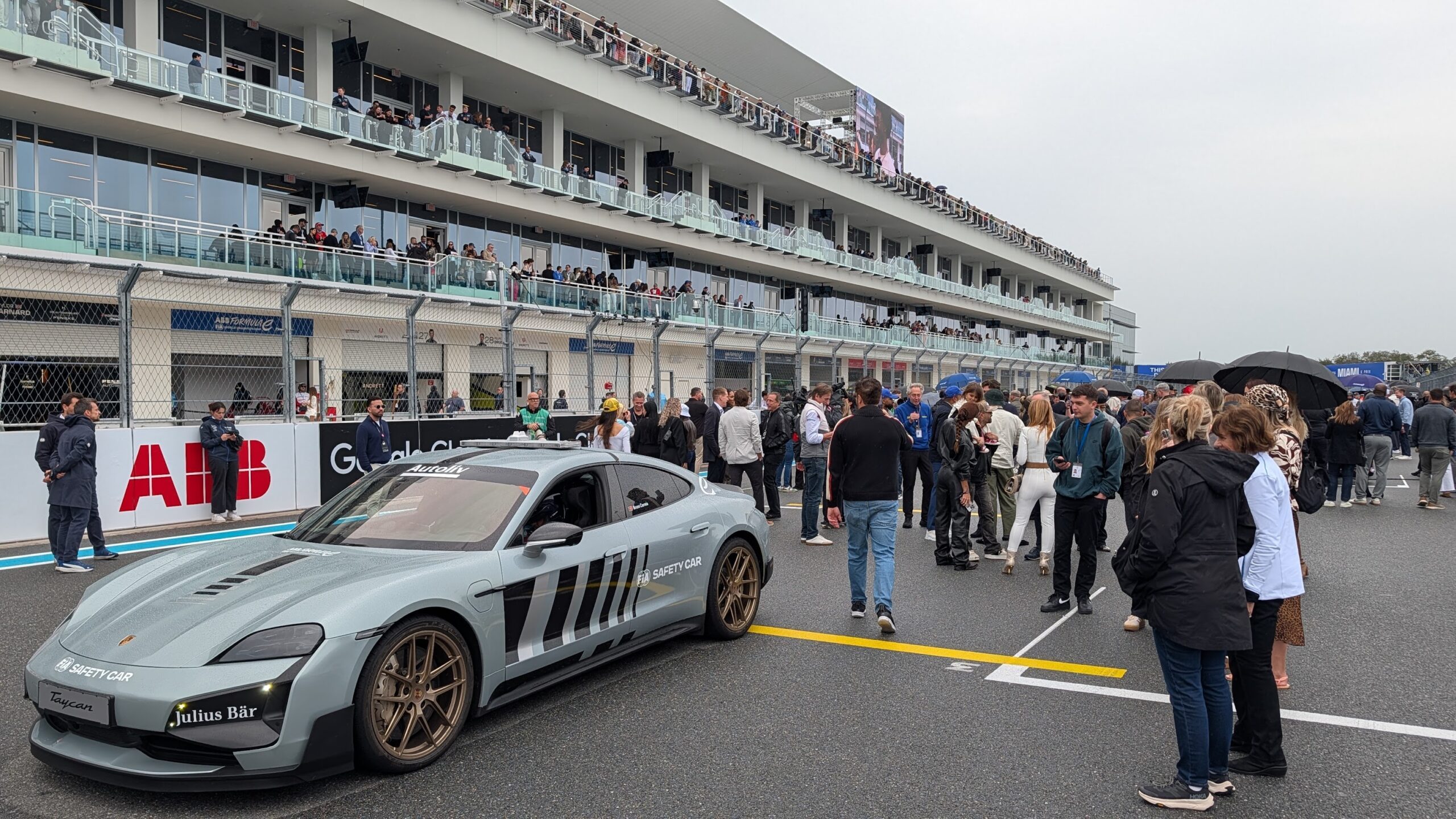
Similarly with the Formula E cars themselves, the technology has advanced a long way, but has so much further to go. When the sport first started, drivers would have to switch cars halfway through to make it through the full race. Now we’ve got 30-second recharging stops that can give a driver up to 10% of their battery back and cars that can handle an entire 40-odd lap race (though battery management is a key part of both race strategy and a driver’s individual duties).
The 2026/2027 season will see a new generation of Formula E car make its debut. The “Gen 4” vehicles will have better regenerative braking, more power, and all-wheel drive active throughout the race. This is going to make races more exciting, and change how drivers approach things significantly.
If you look at EV technology on the whole, there’s a lot to come in the next few years. Solid state is obviously a game changer, along with better cooling and charging technologies. Motors are always getting more efficient, as is regenerative braking. While no one from Formula E specifically mentioned a date for any of this, or plans beyond Gen 4, the sport is at the cutting edge and as EVs get better Formula E will get better too.
F1 is obviously always developing, but it’s a bit different there. Formula 1’s development is oddly parallel to Formula E in a way, as F1 cars are all hybrids with the battery side of things playing a bigger and bigger part. As an established sport, F1 is fighting nostalgia a lot of the time too. So while the tech improves, you will have a large chunk of the fanbase claiming it’s making everything worse.
Here’s why you should go to a Formula E race
Dave McQuilling / The Manual
Formula One is the absolute pinnacle of motorsport. Attending a race with paddock club access is still arguably the best thing I’ve ever done. It makes chopper rides, private jets, five star hotels, after hour poker games in Vietnamese speakeasies, and ripping around in hypercars at 180+ MPH all seem a bit average. To say Formula E was better than, or on par with it, would be a pretty blatant lie. But you could really say the same about any other event on the planet.
Formula E is a young and rapidly developing sport, based on a young and rapidly developing technology, with some very passionate people behind it. It’s as close to a hidden gem as you’ll find these days. If the tickets are reasonably priced, and getting to a race is doable, bring your family and have a nice day out. Enjoy the fan zone, spend too much on concessions, take in whatever concert is on, mess around on the racing simulators, have your children take a photo with a racing driver, then spend around 45 minutes watching some very exciting racing without also suffering irreparable healing damage. Ideally you’ll do all of this on a weekend when iguanas weren’t literally freezing solid, but even if it’s a bit chilly the E-Prix is worth a look.