
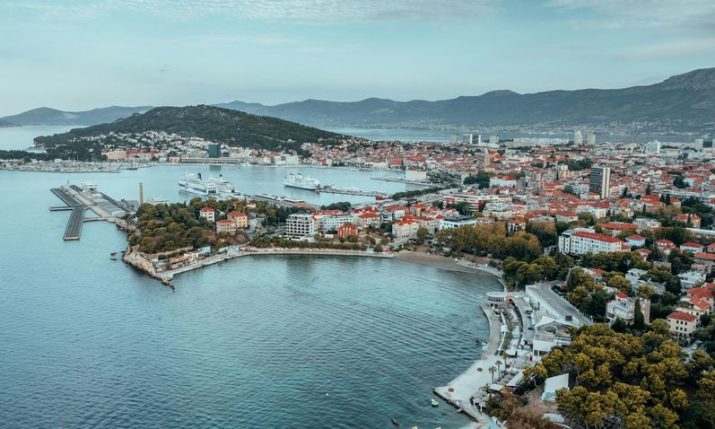
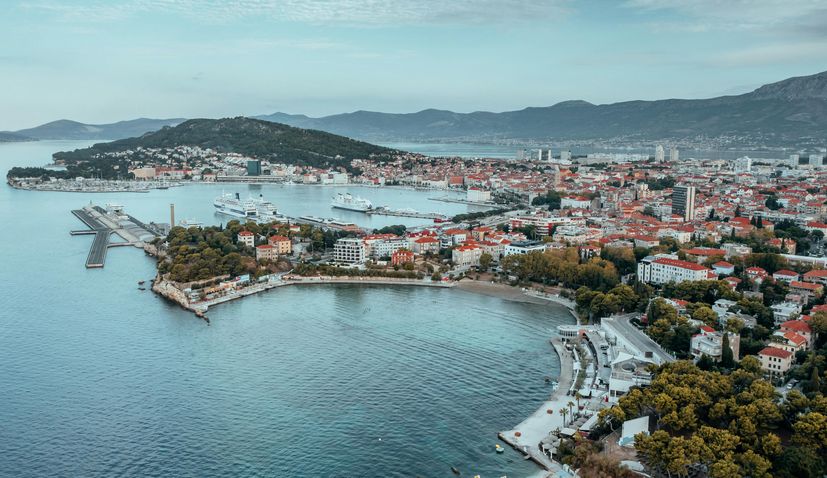
Split
Croatia’s property market experienced a significant slowdown last year, with new data from the Croatian Tax Administration revealing a sharp decline in real estate transactions across most regions of the country.
According to official records, a total of 117,359 property sales were registered in 2025, representing 17,829 fewer transactions than in 2024. This equates to an overall decline of approximately 13.2 per cent, confirming a noticeable cooling of the market, Jutarnji list writes.
The downturn was broad-based, affecting residential properties, houses, apartments and land, including both agricultural and construction plots. Double-digit percentage declines were recorded across most categories.
Zagreb Still Leads, but Sales Decline
The City of Zagreb continued to record the highest absolute number of property transactions in the country. However, even the capital was not immune to the slowdown.
In 2025, Zagreb registered 16,565 property sales, down from 18,524 in 2024, marking a decline of around 10.6 per cent. A similar trend was observed in Zagreb County, where transactions fell by 12.6 per cent, from 9,825 to 8,586.
Sharp Declines Along the Adriatic Coast
The downturn was particularly pronounced along much of the Adriatic coast, traditionally one of Croatia’s most active property markets.
• Split-Dalmatia County saw transactions fall from 10,961 to 8,387, a drop of approximately 23.5 per cent.
• Istria County recorded a decline of 16.5 per cent, with sales falling from 11,741 to 9,804.
• Primorje-Gorski Kotar County experienced one of the steepest declines nationwide, with transactions dropping by nearly 32 per cent, from 14,574 to 9,937.
An exception on the coast was Zadar County, which bucked the national trend and recorded growth of around 10 per cent, with 8,558 property transactions registered.
Mixed Trends in Continental Croatia
In continental regions, changes were generally more moderate. Osijek-Baranja County stood out with a 10.5 per cent increase in transactions, rising from 7,748 in 2024 to 8,558 in 2025.
Other Slavonian counties, including Vukovar-Srijem, Požega-Slavonia and Brod-Posavina, recorded smaller declines that were mostly mild. Smaller counties such as Međimurje and Lika-Senj also saw decreases, typically ranging between 8 and 15 per cent.
Residential and Land Sales Decline Across the Board
The slowdown was evident across all major property categories.
• Apartments and flats recorded a 13 per cent drop, with sales falling from 27,191 to 23,561.
• House sales declined even more sharply, down 20 per cent, from 4,054 to 3,226 transactions.
Land sales also contracted significantly. Transactions involving agricultural land fell by 12.6 per cent, while construction land dropped by more than 14 per cent, from 25,257 to 21,622 sales.
Other property types were similarly affected. Sales of garages declined by 18.3 per cent, parking spaces by 34 per cent, and commercial premises by 21.3 per cent. Even the sale of burial plots fell sharply, dropping by 29 per cent year-on-year.
Foreign Buyers Still Active
Despite the overall decline, foreign interest in Croatian real estate remained strong. The largest number of foreign buyers came from Slovenia, with 2,569 purchases, followed by Germany with 1,963 buyers.
They were followed by Austria with 870 buyers, while the number of buyers from the Czech Republic was roughly half that figure. Purchases by citizens of Bosnia and Herzegovina totalled 462 transactions.
The latest figures suggest Croatia’s property market is entering a period of adjustment after several years of strong activity, particularly in coastal and urban areas. While demand from foreign buyers continues to support certain segments, rising prices, higher interest rates and broader economic conditions appear to be tempering overall transaction volumes.