

Updated Feb. 7, 2026, 6:01 p.m. ET
You can always find great art in the mainstream, even in the largely uninspired glut of post-grunge radio rock that flooded airways and arenas in the late 1990s and early 2000s. Brad Arnold and 3 Doors Down made great art.
Arnold’s death on Saturday after a battle with cancer should pull in tidal waves of nostalgia for folks who remember belting “Kryptonite” and “When I’m Gone” as loudly as they can while riding along in the car more than two decades ago, back when blue-collar rock music overlapped with the boy bands and pop ingénues of their day.
Bands like Nickelback and Creed headlined this curious moment in rock music. Those groups weren’t hard-thrash political like System of a Down, Rage Against the Machine or Green Day, but they weren’t full-tilt heavy/nu metal like Disturbed, Slipknot, Linkin Park and Korn. They fit comfortably in a commercial reach, ideal bands to listen to on hit radio as you cracked open a beer on the weekend at a barbecue and soaked in the vibes. They were of their time.
Nickelback’s tilt into meme territory (even though I’ll still defend the earlier stuff with a passion) and Creed’s slide into “Higher” karaoke nights left that era of rock music askew some of the more timeless rock outfits like Foo Fighters, the White Stripes and The Strokes who rose to prominence during that moment. Those bands had more critical praise; they were set up for a real shelf life. The alt-wave beckoned as the 2000s went on, as black parades and dance-dancing soon engulfed mainstream pop-rock. However, it’s hard to forget the moment when arena rock bands like 3 Doors Down captured the zeitgeist.
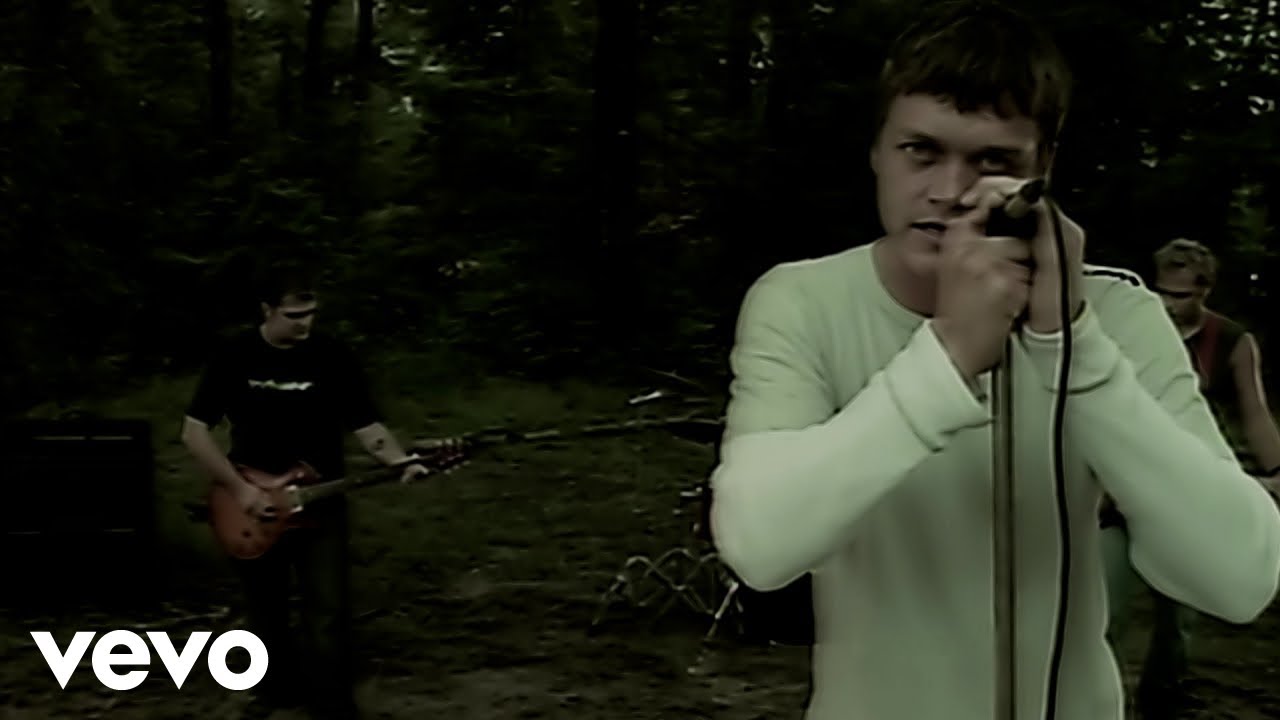
Sure, some bands in that era have rusted with age. Brad Arnold and 3 Doors Down never did. If anything, that group deserves as much critical reclamation as any to come from that class of music. Sure, the group’s was accessible and straightforward, easy to scream-sing at a concert and apolitical enough to gain fans in red and blue America. The band’s music didn’t scream anti-conformity or push boundaries in the genre. They just wanted to rock for you.
Why can’t that be enough when the music is great? Why can’t we, every now and then, embrace the mainstream when it’s standing out enough in production and heart to give us something real that we can all enjoy? Arnold and 3 Doors Down felt like posers, they never tried to be something that they weren’t. Their Southern roots meant that they’d cover Lynard Skynard and play crawfish boils; they often supported military charities because, in part, their music fit that bubble of mainstream-enough rock to entertain all of the troops. During any given radio listen in the early 2000s, anybody could enjoy “Kryptonite” and “When I’m Gone.”
Those songs didn’t flash the obnoxious faker-glam of the hair metal movement or smash the rock moment into pieces like the best of grunge. You can despite commerciality all you want, but 3 Doors Down never got the praise they deserved by preserving the basic tenants of darn good rock music while still amassing a big fan base and topping radio charts. They never sold out because they came as they were. They’re probably the great mainstream Southern rock band of the late 1990s/early 2000s. They weren’t disrupters, but they did put on a heck of a show.
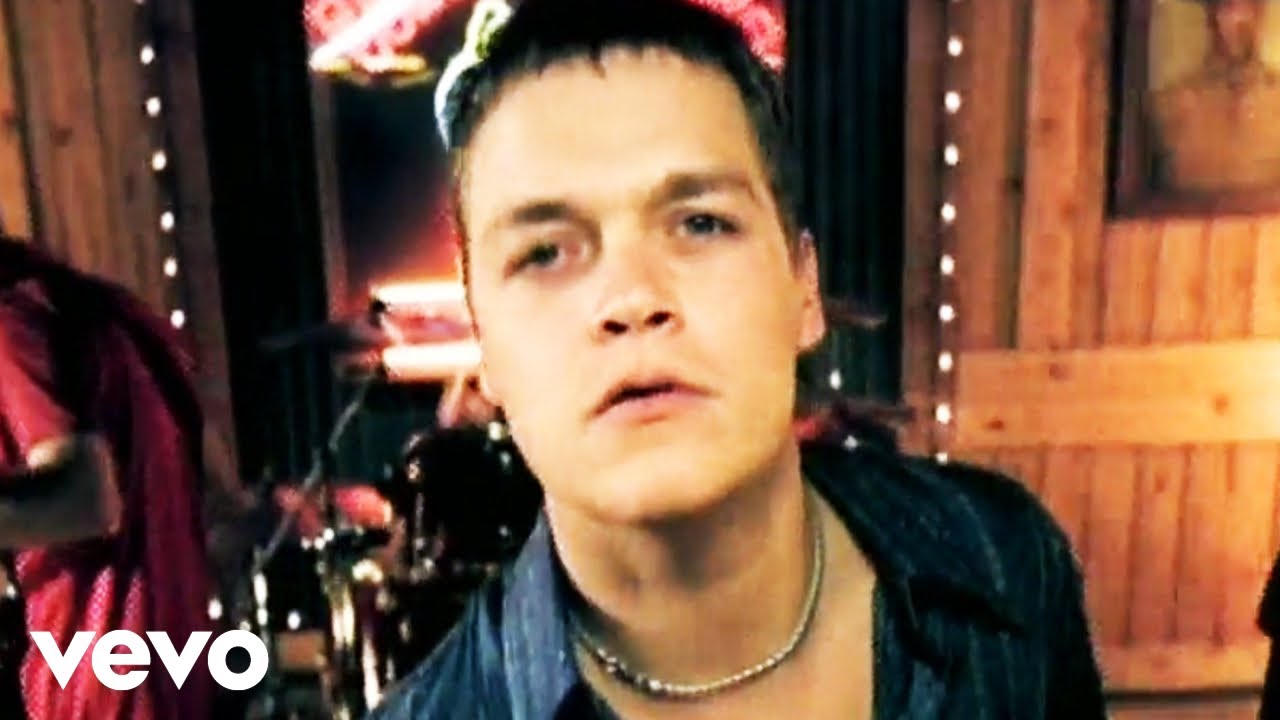
While, sure, the bad was incredibly popular during its heyday, the music was much moodier and reflective the more you dug into it. Arnold’s brooding bravado sang so often about loss, loneliness and that lasting sense of defiance we all seek when troubles come our way. The band’s romantic songs were never salacious, more searching in sorrow when things aren’t going so well or open-hearted when you were separated from the one you loved the most. The band never tried to strut the garish “Rock Style Lyfe” that so many of their peers reveled in; 3 Doors Down kept its heads down and let the music do the talking. It’s why they were so great and deserve so much more than they got in terms of critical analysis. Looking back, their best music aged so, so, so much better than so much around it.
Arnold’s vocals always stood out above the fray, as impassioned and longing as any rock frontman at the time. Every time that guy stepped up to a microphone, he knew how to shake the Earth and destroy your heart. When it came time to bring the house down, he could do that. When it came time for something gentler and loving, he could do that, too. He was so easy to sing along with, his vocal register just smooth enough to where most voices could meet in just enough harmony to not sound like absolute trash while following along loudly on the freeway. He was great.
The biggest songs speak for themselves; “Kryptonite” and “When I’m Gone” are perfect rock songs, seemingly perfected for big crowds of people to all sing in unison until they go hoarse. Are there more perfect songs for the sea of concert lighters than “Here Without You” and “Be Like That?” However, the song I’m thinking about the most with Arnold’s passing is “Landing in London,” his soul-aching duet with rock legend Bob Seger. That song, about a far-flung traveler desperately wishing to reunite with his beloved, highlighted Arnold’s unique vulnerability. The only way to crack yourself open in the 2000s rock space was to free yourself of ego; that one remains his finest to me.
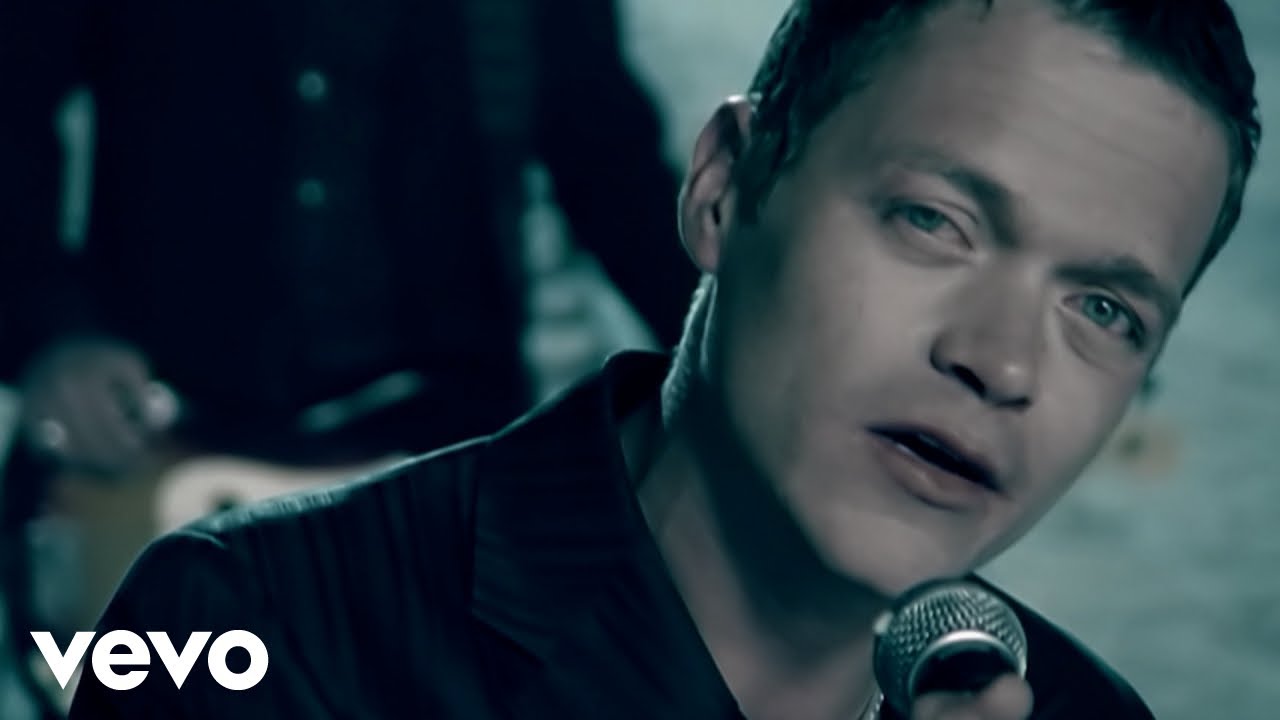
It’s always rewarding when your nostalgia lives up to the warmth you feel for it. For years and years, 3 Doors Down was my favorite band. Hearing “When I’m Gone” as a highly impressionable 10-year-old hit me like a freight train; I bought Away from the Sun and spun it on my portable CD player to the point of near-memorization. On my first plane trip (Las Vegas of all places), I listened to that album more times in a confined amount of time than humanly possible. The emotions of it were grand enough for a 10-year-old to understand, even if they were resonant (and applicable) for people much older than me. I was hooked. Each new 3 Doors Down CD to follow felt like an event, even as my taste in music changed and evolved as I got older. No, the band didn’t scratch that inventive itch that you develop as you get older and want more boundary-pushing art, but it still felt like home whenever I listened.
I briefly met Arnold when I was in college; he was playing a military benefit show on campus with Charlie Daniels. I’d seen 3 Doors Down live for the first time a couple of years prior with my cousin Josh, a full-circle moment after years of wearing their CDs down to a fine powder before I finally got an iPod. No, I wasn’t listening to 3 Doors Down nearly as much at that point in my life than I did when I was younger, but giving Arnold a quick fist-bumb as he left the stage still felt surreal. Sometimes, being a dork with a media press pass does really have its perks.
News of Arnold’s death stung; it’s one of those rare times when a celebrity death really does hit you because of the relationship you have with their art. For so long, 3 Doors Down was my definition of great music. Even as a media critic-curmudgeon with hoity-toity taste, I still think Arnold and 3 Doors Down rule. I don’t even think it’s the gravitational pull of nostalgia; I just think, sometimes, blessedly, the things you grew up with really were as great as you remembered them to be. I can still sing along and feel those sweeping emotions all these years later. That’s art.
I’m incredibly sad that I’ll never get to hear Arnold sing live again, even if that’s just a small drop of sorrow in the grand well of losing such a great artist. However, the memories still hold. I’m thankful I got to enjoy 3 Doors Down in its prime and can still tap back into that feeling after all this time. I’ll always love Arnold and his music, but I’ll for darn sure hold on to what he gave the world while he was here. Some art is just too precious to forget.