

Listen to this article
Estimated 3 minutes
The audio version of this article is generated by AI-based technology. Mispronunciations can occur. We are working with our partners to continually review and improve the results.
Quirks and Quarks54:00Belugas swap mates for survival, and more…
On this week’s episode of Quirks & Quarks with Bob McDonald:
Mission to Thwaites glacier ends in disappointment and forces a strategy rethink
Quirks and Quarks13:00Mission to Thwaites glacier ends in disappointment and forces a strategy rethink
Western Antarctica’s Thwaites glacier is known as the “doomsday glacier” due the precarious position it’s in as climate change continues to warm the ocean, melting the glacier from beneath. The collapse of this glacier would raise sea levels by a half a metre. In their most recent visit, David Holland of New York University said they were disappointed after instruments they were attempting to install under the glacier by drilling through it with hot water got stuck. Now it’s back to square one for the scientists to figure out how to get that critical data.
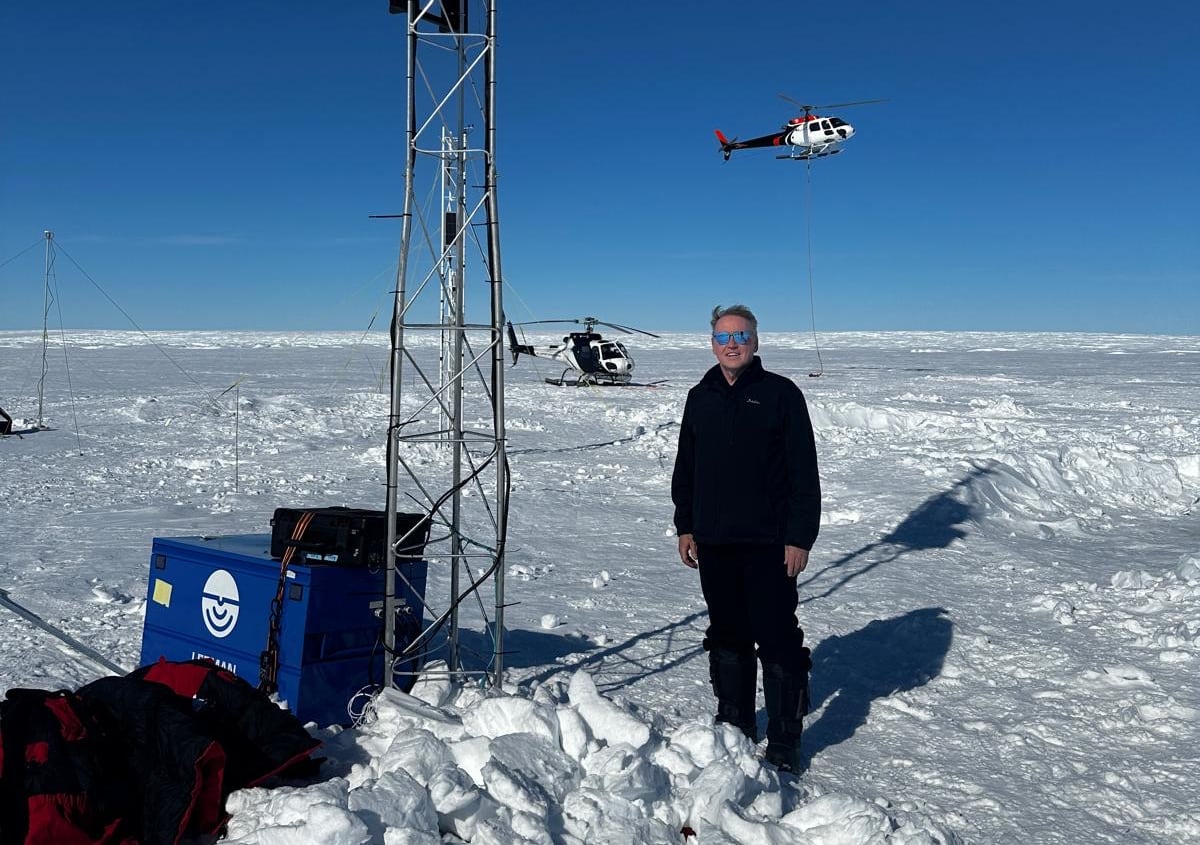 David Holland was part of an international team at Thwaites glacier in Antarctica to install instruments that were going to data from the open water underneath the glacier. (Nevan Swanson/Denise Holland)Near-infrared light therapy offers hope to football players with brain injuries
Quirks and Quarks10:59Near-infrared light therapy offers hope to football players with brain injuries
Football players can suffer serious injuries from their time on the field, including concussions and even Chronic Traumatic Encephalopathy, a debilitating neurological disorder. Larry Carr, a former CFL player who played for the Calgary Stampeders in the 1970s, saw his quality of life disintegrate after many years of taking blows to the head playing football. He saw great improvements with near-infrared light therapy, which inspired him to approach a research team in Utah to further study how well it works with a test group of American football players. Hannah Lindsey led this study and found it dramatically reduced and prevented inflammation in the brain over the course of a season. Their research is published in the Journal of Neurotrauma.
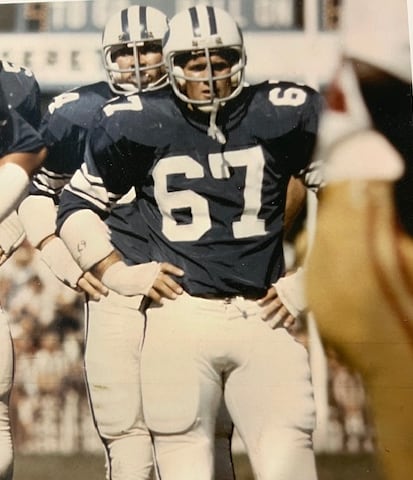 Larry Carr played for the Calgary Stampeders in the 1970s. After his football career, he studied for a Phd in exercise physiology before developing a traumatic brain injury. (Submitted by Larry Carr)Why Alaska beluga whales have swinging sex lives
Quirks and Quarks8:30Why Alaska beluga whales have swinging sex lives
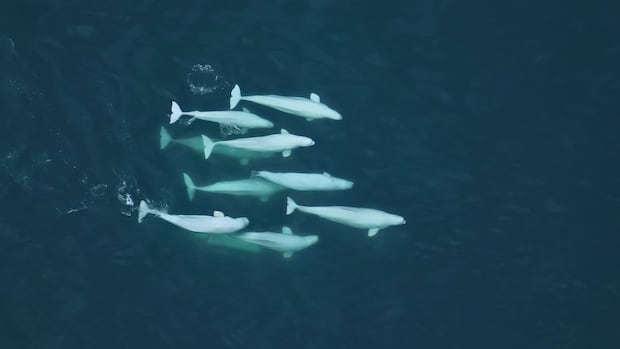
Researchers trying to understand how social species are adapting to a changing Arctic made the surprising discovery that in one pod in Alaska, belugas frequently switch mates. Working with Indigenous hunters, scientists including Florida Atlantic University’s Greg O’Corry-Crowe analyzed the DNA of hundreds of whales in the remote region, revealing how both males and females mate with multiple partners over their lifespan. The scientists believe this is helping the belugas preserve genetic diversity in their small population. The results were published in the journal Frontiers in Marine Science.
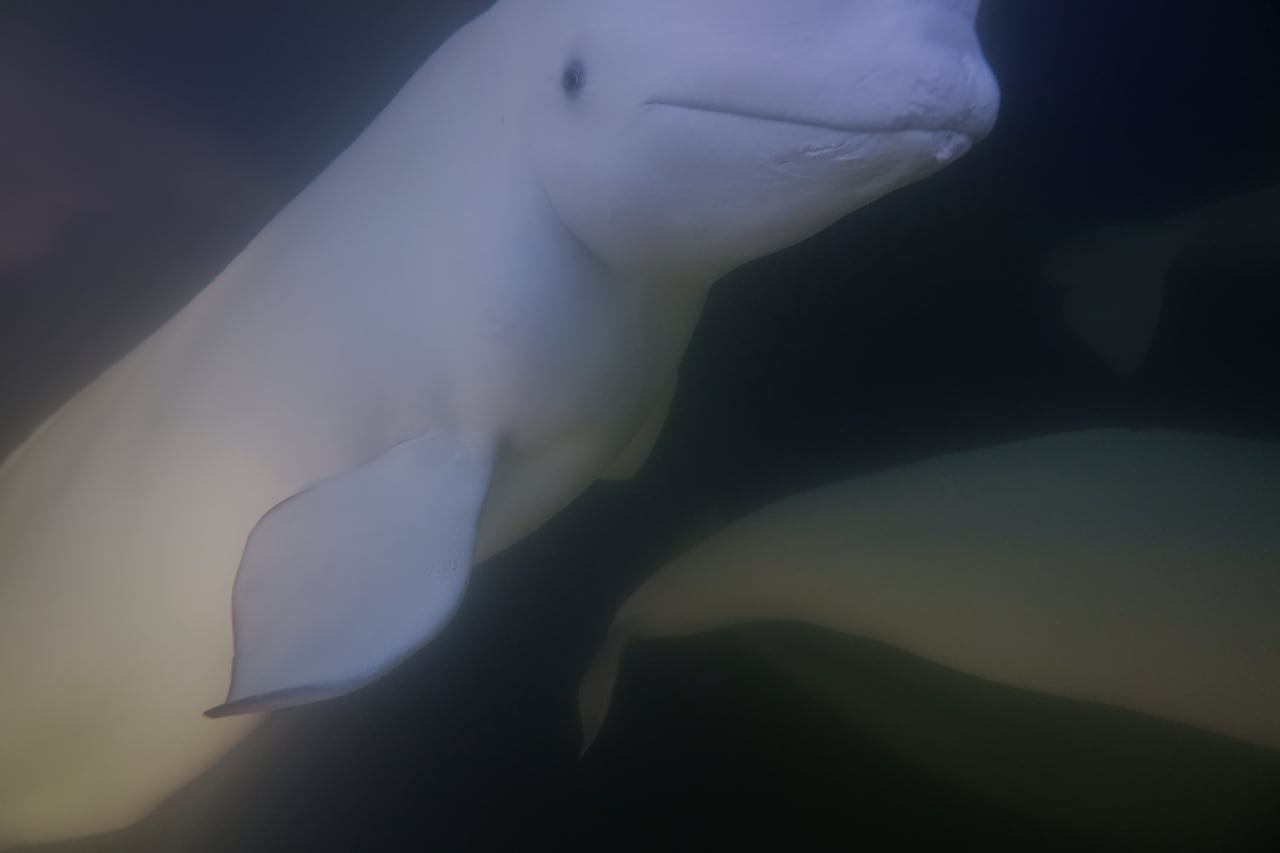 Beluga whales that spend a lot of time under the ice are really difficult for researchers to study. Scientists teamed up with Indigenous hunters in Alaska to collect skin samples in order to analyze their DNA. (Joshua A. Bickel/AP Photo)The new Atomic Age: with nuclear power making a comeback, what’s changed?
Quirks and Quarks19:09The new Atomic Age: with nuclear power making a comeback, what’s changed?
Nuclear power has been steadily providing power in Ontario and New Brunswick for decades, but with new projects being proposed and planned across Canada, and tech companies funding a surge of new nuclear projects around the world, we may be entering a new era of nuclear growth. But nuclear power comes with serious baggage, ranging from waste, costs, safety concerns and fears of nuclear proliferation. Researchers working on advancing nuclear technology have been taking lessons from the past to develop safer and more effective nuclear technology for the future.
Producer Amanda Buckiewicz spoke with:
M.V. Ramana, professor and Simon’s chair in Disarmament, Global and Human Security at the University of British Columbia’s School of Public Policy and Global AffairsJatin Nathwani, Executive Director of the Waterloo Institute for Sustainable Energy at the University of WaterlooJamie Noël, assistant professor of chemistry at Western UniversitySamantha Gateman, assistant professor of chemistry at Western UniversityKristen Schell, associate professor of mechanical & aerospace engineering and Canada Research Chair in Net-Zero Energy Modelling at Carleton University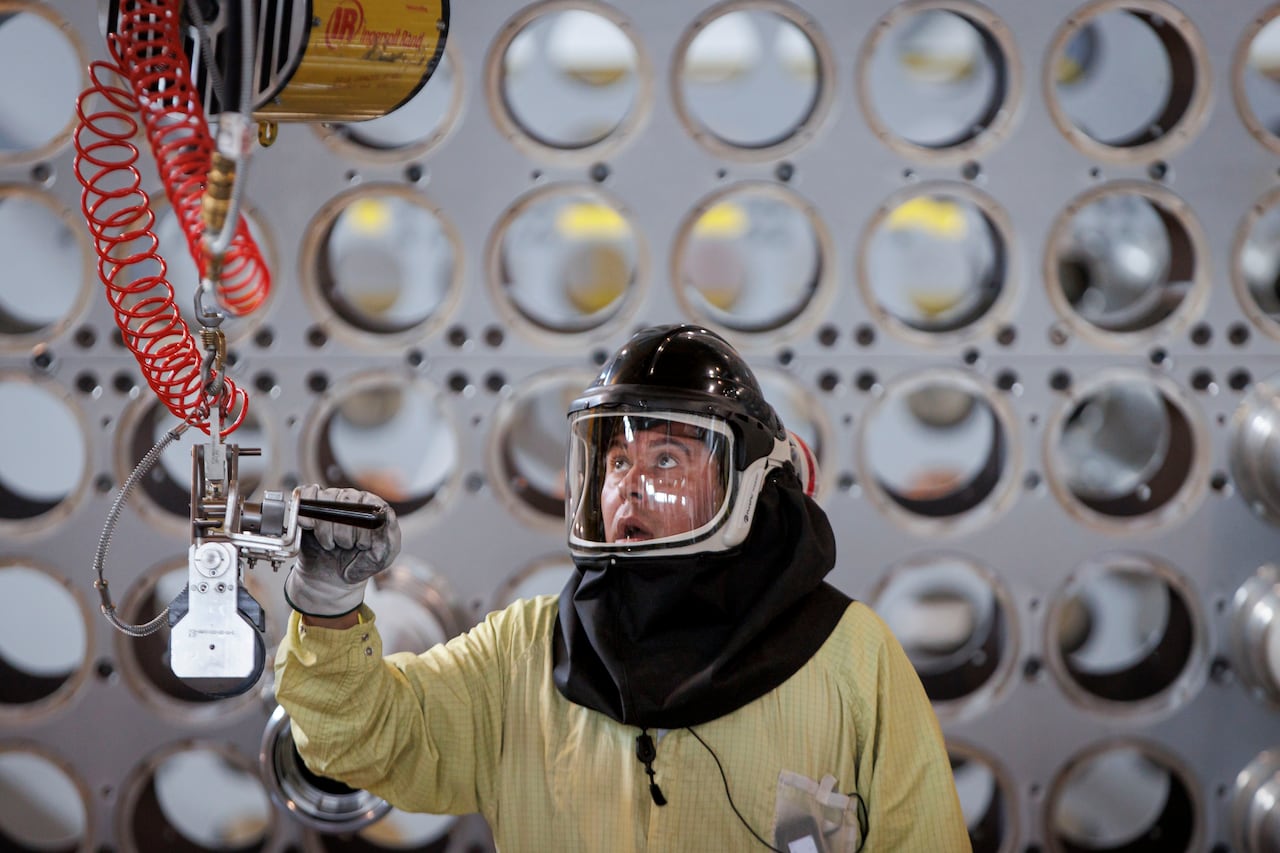 A worker training to load a reactor at a Darlington Nuclear Generating Station training facility, which currently has one small modular reactor under construction and three more to come. (Evan Mitsui/CBC)