
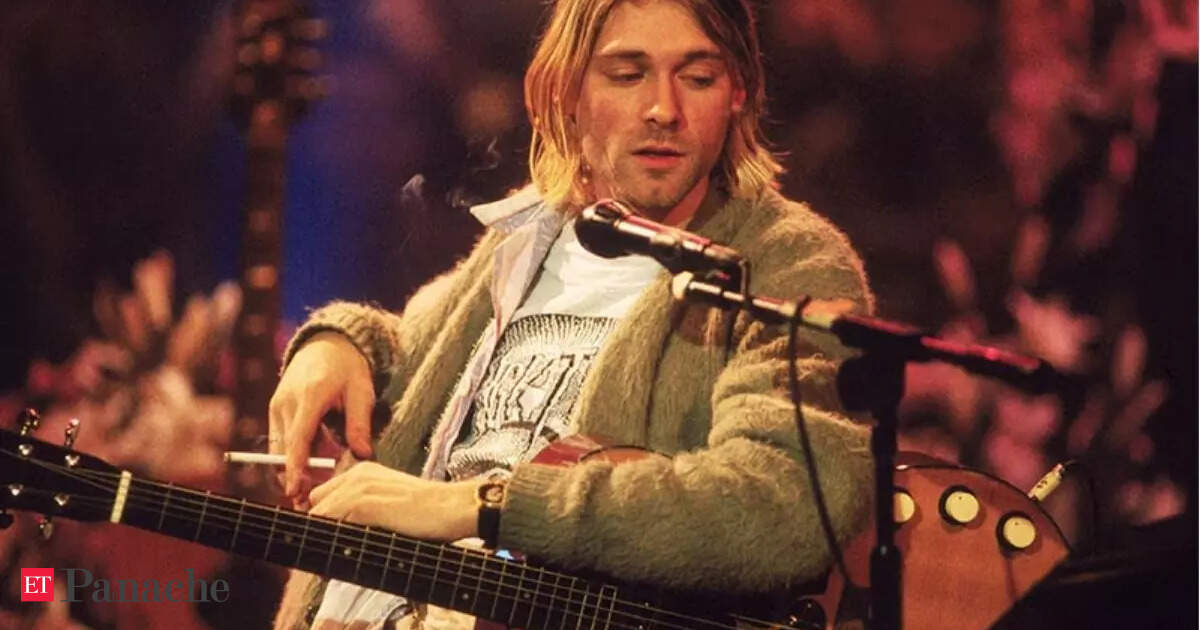
He was just 27 years old at the time of his death, yet Kurt Cobain secured a permanent place among the most transformative musicians in modern history. As the frontman, lead guitarist, chief lyricist, and co-creator of Nirvana, Cobain reshaped the sound and spirit of rock music. His raw, emotionally charged lyrics and defiant rejection of authority challenged polished commercial norms and pushed mainstream rock toward darker, more honest emotional territory.
With his disheveled image and unfiltered expression, he came to embody the restlessness and disillusionment of an entire generation. Though often labeled the voice of Generation X, Cobain never fully embraced that title, even as his influence continued to expand across the global music landscape.
One of his most memorable quotes read: “I’d rather be hated for who I am, than loved for who I am not.”
Nirvana took shape in 1987 when Cobain joined forces with bassist Krist Novoselic and drummer Aaron Burckhard. Emerging from the underground music circuit of Seattle, the band became an early pillar of what would soon be identified as the grunge movement.
As the lineup evolved, Burckhard was replaced by Chad Channing, who participated in the recording of the group’s first album, Bleach, released in 1989 under the independent label Sub Pop. Further changes followed when Dave Grohl joined as drummer, solidifying the lineup that would define the band’s legacy.
This version of Nirvana signed with DGC Records and achieved explosive mainstream recognition through Smells Like Teen Spirit, a track that propelled their second album, Nevermind, released in 1991, into cultural history.
Cobain’s songwriting catalog extended far beyond that breakthrough moment. He penned a series of enduring tracks including Come as You Are, Lithium, In Bloom, Heart-Shaped Box, All Apologies, About a Girl, Aneurysm, You Know You’re Right, and Something in the Way. Despite being elevated as a generational symbol following Nirvana’s sudden fame, Cobain felt deeply uneasy with the expectations and scrutiny that accompanied his success.
In the later years of his life, Cobain faced intense personal struggles. He battled heroin dependency, persistent stomach ailments, and long-standing depression. The weight of global attention only compounded his difficulties, particularly as his marriage to fellow musician Courtney Love attracted relentless media coverage. Together, they had a daughter, Frances, who became a central part of Cobain’s emotional world.
In March 1994, he suffered a severe overdose involving champagne and Rohypnol, which led to medical intervention and a detoxification effort. Less than a month later, on April 8, 1994, Cobain was discovered dead in the greenhouse of his Seattle residence. Authorities determined that he had died several days earlier from a self-inflicted shotgun wound.
Cobain’s impact did not fade with his passing. In 2014, Nirvana was inducted into the Rock and Roll Hall of Fame during their first year of eligibility. He was repeatedly honored by Rolling Stone, earning spots on lists celebrating the greatest songwriters, guitarists, and vocalists of all time. MTV ranked him seventh among the most powerful voices in music, while Hit Parader placed him twentieth on its list of the greatest metal singers, underscoring a legacy that continues to resonate across genres and generations.
Add  as a Reliable and Trusted News Source