

Listen to this article
Estimated 3 minutes
The audio version of this article is generated by AI-based technology. Mispronunciations can occur. We are working with our partners to continually review and improve the results.
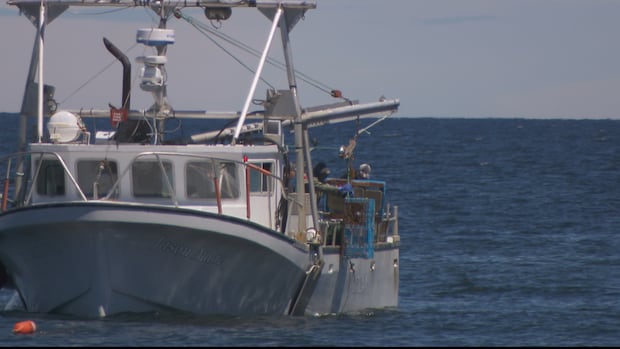
The Department of Fisheries and Oceans has hired a company to put tracking equipment on fishing gear to help improve how ocean climate conditions are monitored in the country.
With Canada having the the longest coastline in the world, this poses challenges for DFO.
“Ocean monitoring provides essential data needed to understand the health of our oceans, detect changes and predict future states,” the department said in a statement.
“It provides critical information to support decision-making for the protection of aquatic ecosystems, economic stability, and ensuring that Canada’s ocean sectors, coastal communities, and local industries can continue to thrive.”
The department declined an interview with CBC News.
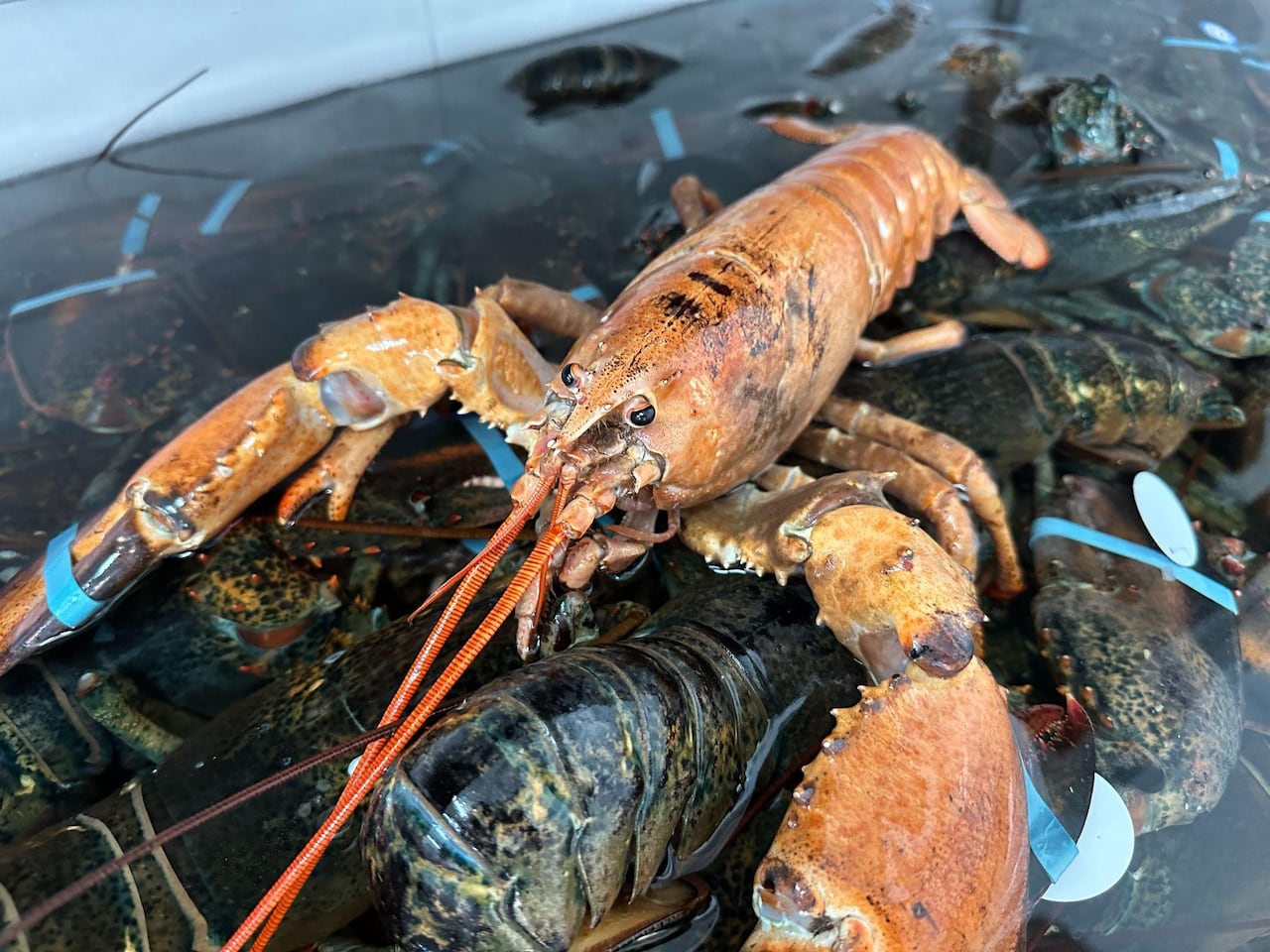 Ocean temperatures impact species’ behaviour, which has implications for the fishing industry. (Martin Toulgoat/Radio-Canada)
The two-year pilot project will see wireless data loggers installed directly on trawls and cages that will record temperature and depth.
Ocean temperatures impact how fish behave. In warmer waters, for example, lobster becomes more active and thus easier to catch. But warmer waters also mean some species move north, looking for colder waters.
While DFO does its own monitoring and sampling, the size of Canada’s coastline means other types of monitoring are helpful.
“Exploring more effective and efficient approaches to ocean monitoring will enhance our collective understanding of ocean currents, climate-driven changes in marine ecosystems, and their potential impacts on fish stocks,” the department said.
It said subsurface temperature data in Canadian coastal waters is limited, and it hopes the new efforts help bridge the gap.
Kris Vascotto, executive director of the Nova Scotia Seafood Alliance, said the project will allow for more data to be collected.
“DFO hosts several of the research vessel surveys and monitoring programs that assess the health of the ocean … So they might happen once every six months or once every eight months,” he said.
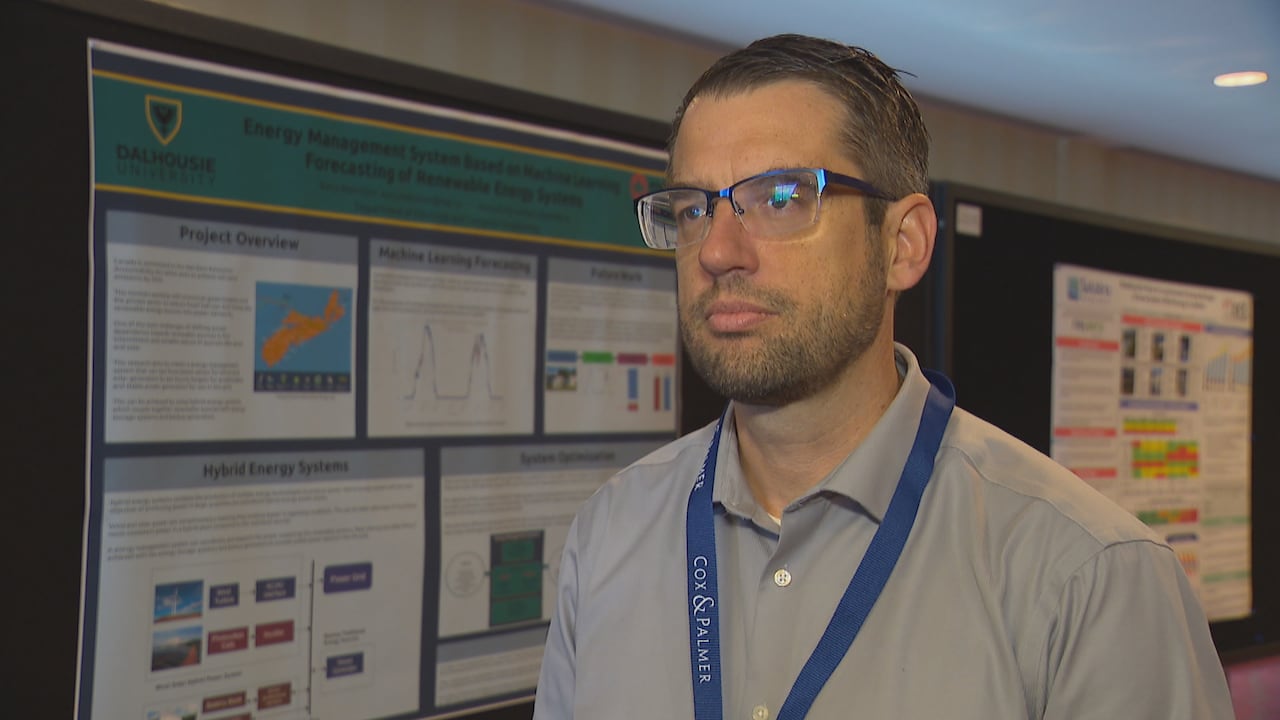 Kris Vascotto, executive director of the Nova Scotia Seafood Alliance, says more monitoring is good for the industry. (CBC)
“The advantage to employing gear directly applied to harvesters is that they’re on the water all of the time so that you have a much more continuous flow of information.”
Vascotto said many harvesters already use their own trackers to have a better understanding of the areas they fish, but the more data, the better.
“This is going to translate into the types of products that we’re able to land,” he said. “How [the] fishery is going to operate, maybe with the molt cycle … to make sure that we’re able to maximize the value of a product,” he said.
The DFO contract for the work is valued between $200,000 and $500,000, and may be extended.
MORE TOP STORIES