
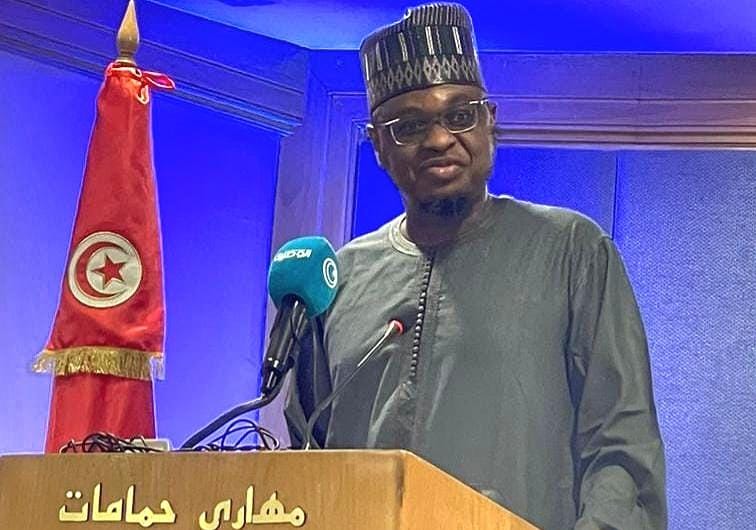
Former Minister of Communications and Digital Economy, Professor Isa Pantami, has criticised the continued reliance on verbal and informal inheritance arrangements among Nigerians, warning that the practice fuels family disputes, asset mismanagement, and prolonged legal battles.
Pantami raised the concern at the weekend in Abuja during the 8th Annual Islamic Estate Planning Clinic, themed “From Informality to Legacy: Structuring Islamic Wealth Transfer,” organised by The Metropolitan Law Firm in collaboration with First Trustees Ltd and Al-Ameen Trustees Ltd.
The former minister, who is also the Co-Chairman of the African Union’s Fourth Industrial Revolution Policy Council, said many families experience avoidable crises because wealth creators fail to formally document their intentions in line with legal requirements and Islamic inheritance principles.
He said: “The transition from informality to legacy means moving from cultural verbal agreements to formal, documented frameworks. Verbal agreements are unreliable and often lead to disputes.”
Pantami urged Nigerians, particularly Muslims, to embrace structured, Sharia-compliant estate planning, stressing that proper documentation of assets, wills, and ownership is both a legal necessity and a religious obligation.
He also advocated the deployment of modern technologies such as blockchain systems to securely preserve wills and legal agreements, noting that digital tools could prevent tampering and ensure the long-term preservation of critical documents.
According to him, delayed will-writing, poor documentation of property ownership, and cultural practices that conflict with Islamic inheritance laws remain recurring challenges responsible for inheritance disputes across communities.
Other speakers at the event emphasised the urgent need for proper documentation, professional advisory support, and the adoption of modern financial and legal tools to ensure responsible wealth transfer, particularly amid Nigeria’s evolving tax environment and the rise of digital assets.
Managing Partner of The Metropolitan Law Firm, Hajia Ummahani Amin, said many Nigerian families still rely on undocumented arrangements that often result in disputes, mismanagement, and outcomes that contradict the intentions of wealth creators.
“Estate planning allows individuals to organise their affairs before death and ensure their wishes are respected. Leaving assets in the hands of relatives or friends without proper documentation has caused serious problems for many families,” she said.
Amin noted that while Islamic inheritance principles are clearly defined, individuals are permitted to allocate up to one-third of their estate through wills or trusts. She urged Nigerians to adopt structured tools such as trusts and endowments to protect beneficiaries and sustain legacies.
She added that Nigeria is increasingly adapting to digitalisation and emerging tax reforms, stressing that proactive planning would help individuals navigate the changing financial landscape.
The Chairperson of the Better Life Programme for the African Rural Woman (BLPARW), Dr. Hajiya Aisha Babangida, underscored the need for continuous education and awareness to help families understand available Islamic financial instruments.
She noted that tools such as waqf (endowments), trusts, and Sukuk bonds could support community development, education, and infrastructure if properly understood and utilised.
According to her, education remains critical, as structured planning enables families to build sustainable legacies while contributing to broader community growth.
Also speaking, Associate Director of First Trustees Ltd, Abimbola Ajinibi, identified cultural misconceptions as a major barrier to estate planning, noting that many Muslims wrongly believe Islamic inheritance rules eliminate the need for wills or structured planning.
“In reality, up to one-third of an estate can be distributed through personal discretion. Failure to plan can result in intestate estates and probate processes that may cost up to 10 per cent of the estate’s value,” he said.
Ajinibi added that estate planning goes beyond wills, encompassing trusts, gifts, and powers of attorney designed to ensure seamless wealth transfer.
On financial governance, Rotimi Obende of First Trustees highlighted the implications of tax reforms effective January 1, 2026, noting that trustees and estate administrators are now required to report income generated from estates and trusts.
In her remarks, Mutiat Olatunji, a representative of Al-Ameen Trustees, emphasised the role of regulated, faith-based trustees in delivering Sharia-compliant estate planning and ethical financial governance.
She said professional trusteeship ensures transparency, regulatory compliance, and responsible management of wealth for both private beneficiaries and broader community development.