
Published on
09/02/2026 – 17:03 GMT+1
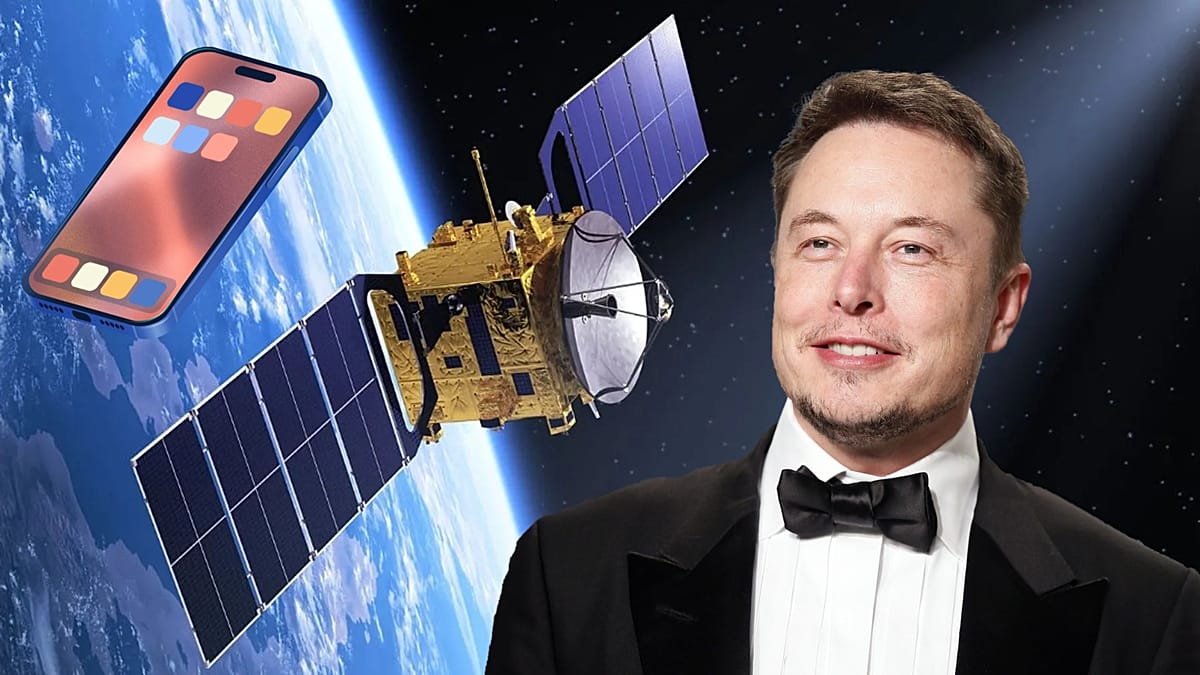
Rumours are swirling that SpaceX may be preparing to launch something far smaller than a rocket – a smartphone.
Reuters reported that the company, founded by Elon Musk, is exploring new Starlink-linked products, including a potential Starlink-branded smartphone.
While details remain scarce, the idea centres on a device that would connect directly to SpaceX’s growing satellite constellation in orbit.
Musk himself has publicly pushed back on suggestions that the company is actively developing a conventional smartphone. “We are not developing a phone,” he wrote on X last month, (formerly Twitter), though he stopped short of ruling out a different kind of device.
Writing on X, he said a Starlink phone is “not out of the question at some point”, though it would look very different from the smartphones we currently see on the market, he suggested.
SpaceX has already dipped its toes into mobile connectivity. It partnered with T-Mobile to bring Starlink access to existing smartphones, and last year struck a $19.6 billion (€16.5 billion) deal to acquire satellite spectrum from EchoStar.
SpaceX now operates more than 9,500 satellites (the largest constellation in history) and serves over 9 million users worldwide.
Around 650 satellites are already dedicated to its direct-to-device programme, which aims to eventually offer cellular coverage across the globe – even in remote locations.
However, earlier this year, SpaceX announced plans to gradually lower around 4,400 of its satellites, currently orbiting at 550 kilometres above Earth, to 480 kilometres over the course of 2026, citing space safety concerns.
Michael Nicholls, SpaceX’s vice-president of engineering, said bringing the satellites to a lower altitude will make it safer because it will alleviate dangers that come with “uncoordinated manoeuvres and launches by other satellite operators.”
The move came after a rare incident in December where SpaceX said one of its satellites created a “small” amount of debris and cut off communications with a spacecraft at 418 kilometres in altitude.